

Stop Starting Your Indoor Vegetable Seeds Too Early: Here's The Timing Rule Of Thumb To Go By
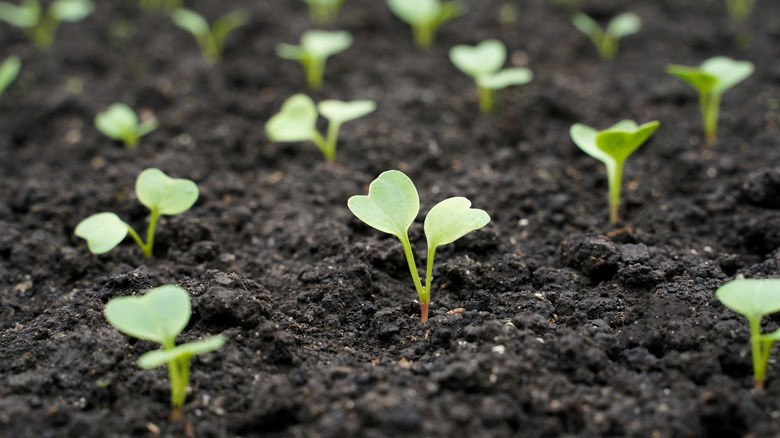
Seedlings are ambitious. Once they're pressed into damp soil, they will germinate and start growing, and there's only one direction for them to go — up. They shoot toward the nearest light source, but if the timing isn't right and they have to stay inside in a small container without natural light, they'll get root-bound and leggy, eventually collapsing under their own weight. If even they make it to being planted outside in the ground, that's not a good start to life. To determine the ideal timing to start your vegetable seeds, count backward from your area's last expected frost date, and start the seeds based on how many weeks each plant needs indoors.
You can grow some plants in your kitchen, but veggie plants want to be outside with room to take root and in tune with the natural rhythms of the sun and rain. But they can't be planted in frozen ground. Starting them inside gives you a jump on the season, but you want to ferry them just a little past their germination and initial sprouting stage, until they're strong enough to go out into the garden on their own.
You can figure out your region's last frost date by consulting the Farmer's Almanac. In warm regions, the date might fall as early as February, whereas in colder climates it can stretch into late May or early June. Once you have that date, work backward using the guidance on the seed packet that lists how many weeks before the last frost the seed should be started.
Don't start too soon!
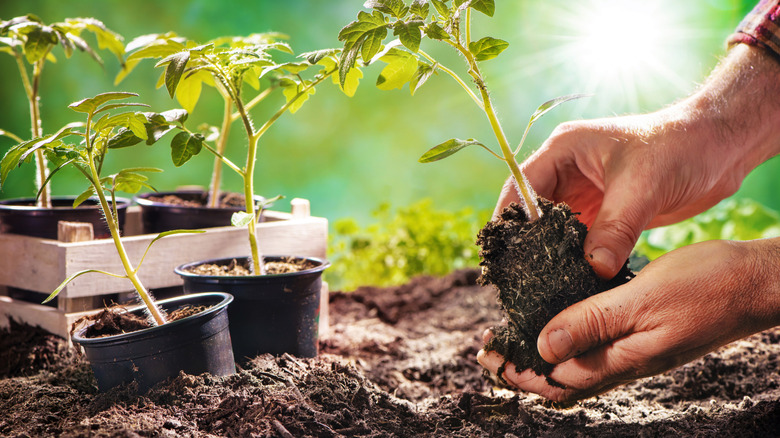
The reason for this timing comes down to how plants grow under indoor conditions. Seedlings stretch, or become "leggy," because plant hormones signal the stem to elongate in search for the sun. On the other end, when growing in takeout containers or egg cartons, the plant's roots are confined to a small space, limiting their nutrient uptake and structure. The longer they stay in that liminal state, the weaker they become systemically. Starting too early doesn't ensure a longer growing season and it won't bring a more fruitful harvest, it's just weakening the plant by extending a stressful phase.
The crop-to-crop timing is important because different seeds have different germination periods, will grow at different rates, and tolerate transplanting differently. Some have very delicate roots that can be shocked by the transplanting process, so they like a long time inside and do well going into the ground when they're adolescents. A tomato seed packet may say something like, "start 8-12 weeks before last frost," and if your last frost date is May 1, they would need to be started in mid-January. Faster growing and transplant-sensitive crops will quickly overgrow their trays, coiling their roots and then failing to thrive. Cold tolerant vegetables, like kale or cabbage, need less indoor time and can be started closer to the frost date or planted directly outside once the soil is workable.Seed envelopes, have a lot of important information "packed" into a small space; check them for an expected germination timeline, indoor start windows and other guidance.
Timing is everything
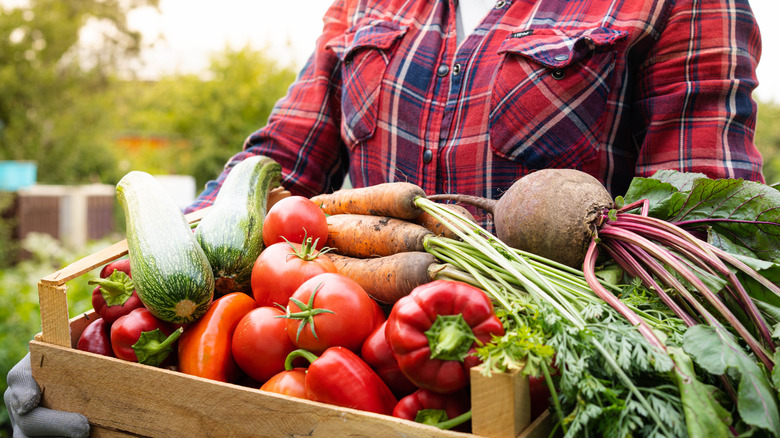
Temperature and moisture are also elements that need to be considered. Indoors, seedlings are typically grown in consistent, warm conditions with regular watering. Outside, they suddenly have to deal with wind, fluctuating temperatures, and direct sunlight. Younger, properly timed seedlings adapt to that transition better, whereas maladapted, overgrown starts will struggle to adjust because they've been pushed past their ideal early growth stage where replanting wouldn't be much of a shock.
Even properly timed seedlings usually should not go straight from the grow light to the garden without a transition period. Gardeners call this "hardening off," and it involves gradually exposing plants to outdoor conditions over one or two weeks, starting with limited time in partial shade, then incrementally increasing direct exposure to the elements. That process helps the seedlings adjust to the brighter light, fluctuating temperatures, and moving air before they are expected to fend for themselves. Without that step, even a healthy young transplant can languish.
Essentially, you're aiming for a healthy, hardy, right-sized plant at the right time. Starting seeds with regional awareness — about six to eight weeks before your last frost date for warm weather crops and closer to that date for cool weather crops — will give you seedlings that are compact and well rooted, ready to handle the challenges of the great outdoors.