

The Risk Anthony Bourdain Says To Take In Order To Discover Culinary Magic While Traveling
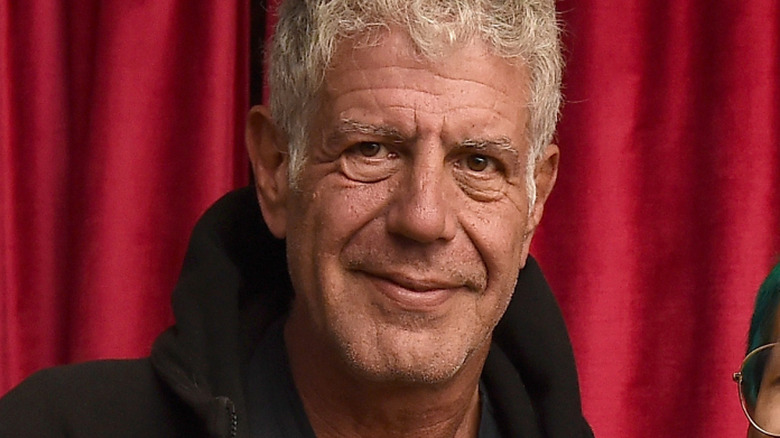
Anthony Bourdain was not a celebrity chef in the traditional sense. He didn't appear in a studio kitchen showing home cooks how to make the perfect omelet. Instead, he traveled the world not just showing viewers new things but learning about them himself. His shows "A Cook's Tour," "No Reservations," "The Layover," and "Parts Unknown" were all about Bourdain traveling and experiencing not just food but the world and the people who create it. His culinary perspective was one of adventure, surprise, and risk. That included being open to bad experiences.
In an interview with Fast Company, Bourdain was asked what he had learned on his travels and he had a range of responses. He began by saying, "Be open to experiences," and went on to add, "Don't be afraid to eat a bad meal." This was all part of him sharing his perspective on shedding preconceptions and accepting things you may be unfamiliar with or even nervous about.
"Don't be afraid to eat a bad meal" seems like an unusual thing for a chef to say, but he qualifies this further. "If you don't risk the bad meal, you'll never get the magical one." It's with this addition you start to understand what he means. You have to be open to everything because that magical meal is going to be as surprising as the bad one. You won't see it coming until you let go and try something new. That was probably how Bourdain ended up trying a burger he once called "soul-destroying". But it's also what led him to places like the small street-food stop in Hanoi, where he bonded over bun cha with President Obama.
Eating in Anthony Bourdain's world
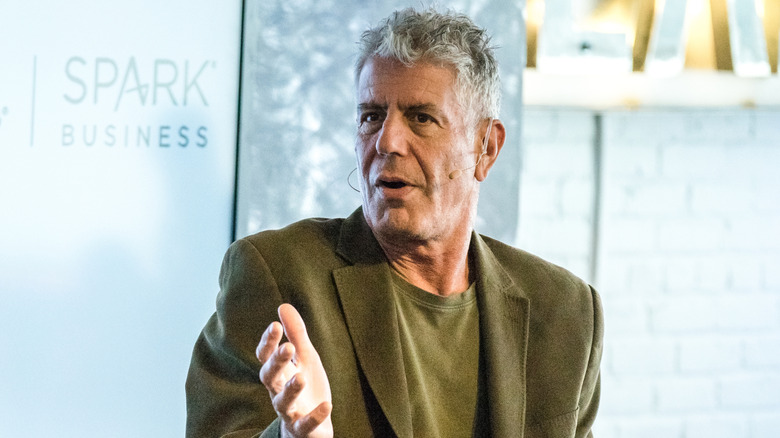
If you watch Anthony Bourdain's travel shows, it's clear that he felt a wonder in unknown places and excitement in the full experience of eating. A meal was more than food on a plate. It was the farm where the vegetables grew or the animals were raised, and the farmer who tended them. The history of the dish, the culture that made it, the process of preparing it, and even the place and manner in which it was served all shaped the experience for Bourdain. Food was not just sustenance. It was a tool that bound us all together, a medium through which we can relate across language, culture, and history.
People sometimes say you can't appreciate the sweet without the sour, the light without the dark, the good without the bad. This was Bourdain's intent when discussing the risk involved in eating and searching for something new and wonderful. Were there things Bourdain thought you should avoid at a restaurant? Sure ... Bargain sushi and anything well-done made that list. But that didn't cloud his world view. And it led to him having numerous spots where he loved to eat, which ranged from a restaurant serving goat in Chicago to hot dogs at NYC's Papaya King.
Those unwilling to risk eating a bad dish might be too afraid to hit upon something unexpectedly incredible. The knowing, the understanding, and the joy of discovery only come through the act of taking that leap. A dish can only be bad or sublime after tasting it. So, in a way, that bad dish is helping you on a culinary journey. How else would you ever truly know how good a perfect plate is without having tried a poor one first?