

10 Kitchen Items Professional Chefs Say You Should Throw Away
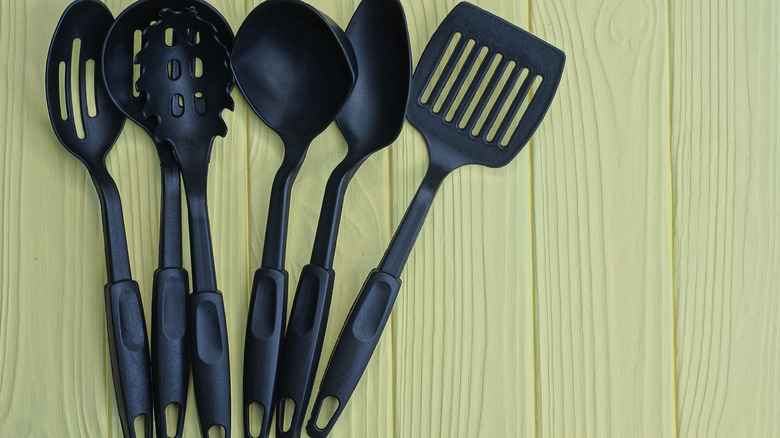
If you'd like your kitchen to run with the same precision and efficiency as a professional restaurant, you'll want to embody the mindset of the chefs responsible for keeping the trains running on time. Cuisines and cooking approaches may vary, but the one universal thing these folks have zero tolerance for is non-functional and underperforming kitchen items that derail efficiency. Such is the case with Rohit Yadav, executive chef at Marriott Executive Apartments Bengaluru UB City, and Pankaj Singh Panwar, executive chef at The Westin Resort & Spa, Himalayas.
Together, they devised a handy guide to help home cooks understand when certain kitchen items need to be retired (including those that slow down or break the rhythm of the cooking process or increase the risk of injury or bacterial contamination), how to prolong the lifespan of what you own, and which long-lasting alternatives to opt for. Efficient cooking starts with efficient tools and grasping the difference between when something is usable and — in the words of ice queen Elsa — when to "let it go."
Dull knives
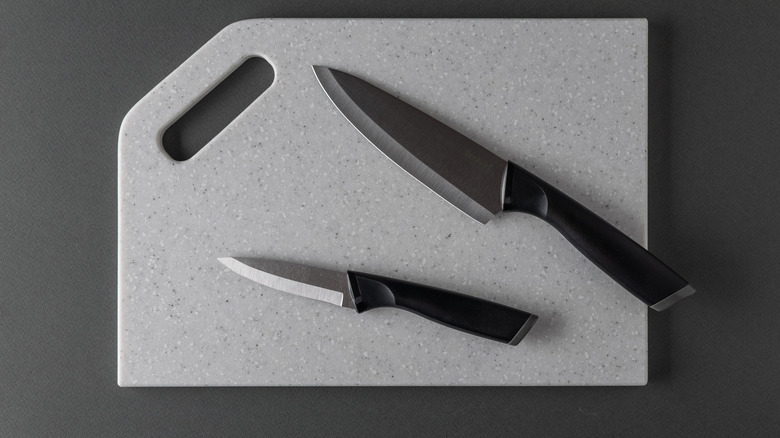
A dull knife is a hidden productivity killer in your kitchen. Instead of slicing into food, it slides glibly across the surface. Visible nicks and uneven edges can also take a toll on delicate ingredients, causing them to be crushed instead of sliced. "Dull knives slow down cooking dramatically because they demand repeated strokes, disrupt rhythm, and increase fatigue," chef Pankaj Singh Panwar says.
Beyond just inconveniencing your everyday cooking, dull knives can significantly increase the risk of injuries. When a blunt blade doesn't cut precisely through food, you end up applying more pressure. This increases the risk of accidentally losing control of the knife and chopping something other than produce.
If you'd rather not shop for replacements every few months, it helps to brush up on some tips for keeping your knives sharp. "To keep knives sharp, regular honing is essential — it realigns the blade edge, while professional sharpening should be done every few months depending on use," Panwar says. In addition to diligent maintenance, your choice of cutting board can also influence the longevity of your knives. The unyielding surfaces of glass and marble cutting boards are notorious for dulling sharp blades — making wooden boards preferable.
Chipped dinnerware
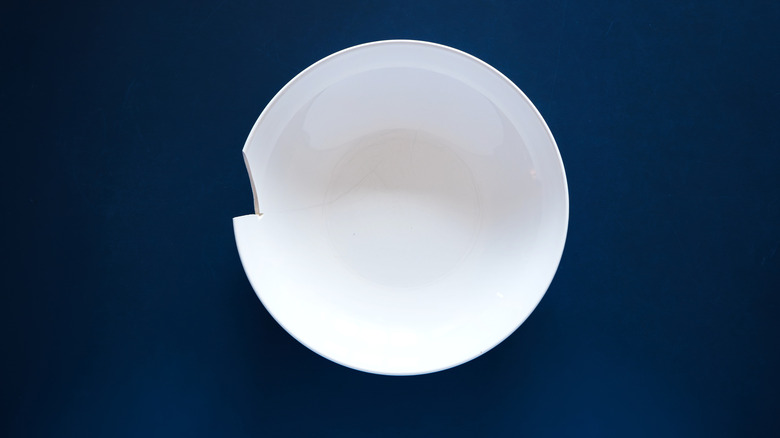
Plates with chipped rims and cracked bowls may be an eyesore, but the dangers of damaged dinnerware extend far beyond the cosmetic. "Cracks and chips can harbor bacteria that survive washing, and small fragments may break off into food," Pankaj Singh Panwar says. The food residue and grease camping out in chips and dents serve as a breeding ground for bacteria to flourish and contaminate your food if left unattended. And that is just the tip of the iceberg. Chipped edges and damaged rims can increase the chances of accidental cuts and nicks during everyday handling. It is especially important to maintain a vigilant eye for any signs of damage when shopping for secondhand options — chips and cracks are a key reason to leave the vintage dishware you're eyeing at the thrift store behind.
In a commercial kitchen, chef Rohit Yadav says that handling plates with care during washing and storage is a non-negotiable rule — and you should do the same in your home kitchen. "Using designated racks, avoiding sudden temperature changes, and discarding damaged pieces immediately helps maintain safety standards and preserves the overall presentation and professionalism of the kitchen," he says. Stacking needs to be done safely as well. Rather than creating tall, teetering towers, it helps to limit your stacks to six plates at a time and use protective buffers, such as padded inserts or dish towels, for cushioning.
Scratched pans
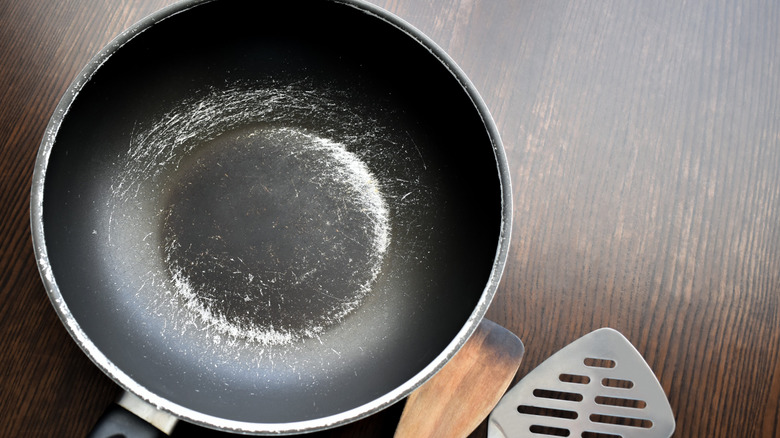
You'll rarely see a scratched pan in a professional kitchen — and for good reason. While you may be tempted to hold on to your pricey cookware, Rohit Yadav recommends discarding it if you can see the base metal under the scratches or if food sticks no matter how much oil or seasoning you add. Getting rid of scratched pans is particularly important when it comes to non-stick cookware. "Once the coating begins to peel or flake, it can mix with food and reduce heat distribution, leading to uneven cooking," he says.
Both chefs recommend taking preventative measures to protect your pan rather than waiting until the damage has reached the point of no return. For one, it's helpful to wash pans soon after cooking. The longer you wait, the longer the food has to cake and stick. Removing it requires more pressure and increases the risk of scratches.
"Extend [its] lifespan by using wooden or silicone utensils, avoiding abrasive scrubbers, and not stacking pans without liners," Pankaj Singh Panwar says. The paper plate tip is especially helpful for avoiding scratches on cookware: simply slip in a paper plate as a protective buffer when stacking multiple pans together.
Worn-out cookbooks
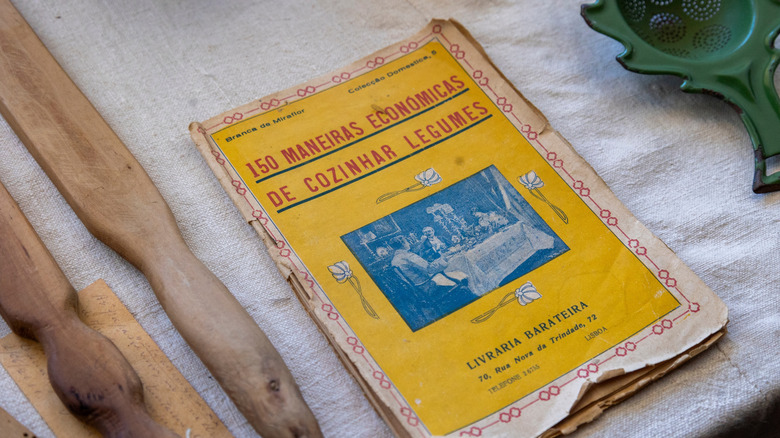
You may have stocked up on Italian cookbooks after a summer in Sicily, but if your busy family of four leaves you with little time and patience for hand-rolled pasta, it is time to declutter and get rid of them. "As chefs evolve, so should their reference material," Rohit Yadav says. If a cookbook doesn't reflect your cooking style and current needs, it simply serves as a dust magnet on a bookshelf. "A practical cookbook collection should reflect how you actually cook — trusted authors, cuisines you enjoy, and books you revisit often," Pankaj Singh Panwar says.
Worn-out options can also actively hamper food prep. When you are racing against the clock to put together a meal, there is little time to struggle with loose spines, stuck pages, and faded words to figure out measurements and crucial instructions. The warm and humid conditions in the kitchen can further damage cookbooks over time.
So, what can you do about those options that you don't use anymore? There are several ways to repurpose these books: You can donate them to culinary schools and libraries or even gift them to an enterprising young chef. If you are feeling particularly creative, you can even use the illustrations for a planner or a scrapbooking project.
Old kitchen sponges
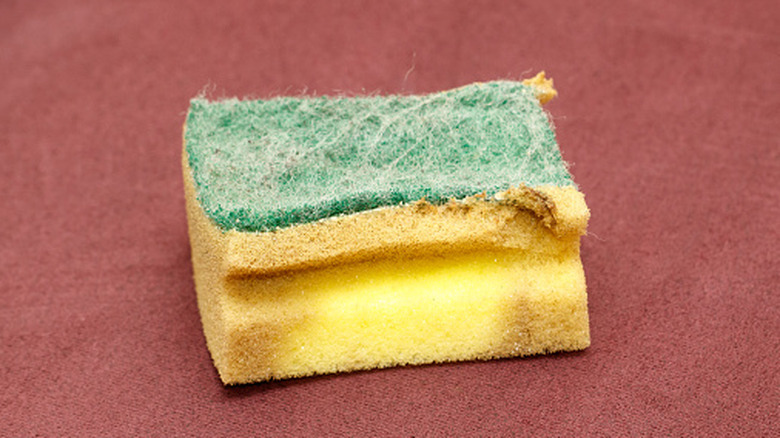
If you can't remember the last time you replaced your kitchen sponge, take it as a sign to change yours. From a hygienic standpoint, worn-out sponges are a no-no for several reasons. The prolonged exposure to moisture and ignored food remnants mean that sponges can serve as ground zero for bacteria, such as E. coli and Salmonella.
It comes as little surprise then that sponges are replaced extremely frequently in a professional kitchen. But Rohit Yadav believes that you can get away with replacing it every two weeks at most at home. "To prolong their life, rinse thoroughly after use, squeeze out excess water, and store them in a well-ventilated area rather than a closed sink," he says. It's easy to tell when your sponge needs to be tossed, too. "A sponge has reached the end of its lifespan when it develops a persistent odor, loses structure, or remains slimy even after cleaning," he says.
There are other ways to keep your old sponges clean. According to the U.S. Department of Agriculture, 99% of bacteria can be killed by simply tossing damp sponges in the microwave for a minute. The dishwasher can also be a handy weapon to tackle bacteria, yeast, and mold on sponges. Household remedies like lemon juice or boiling water can also help clean and sanitize sponges. But ultimately, Pankaj Singh Panwar believes that sanitizing can only take you so far; frequent replacement remains one of the best options.
Lidless containers
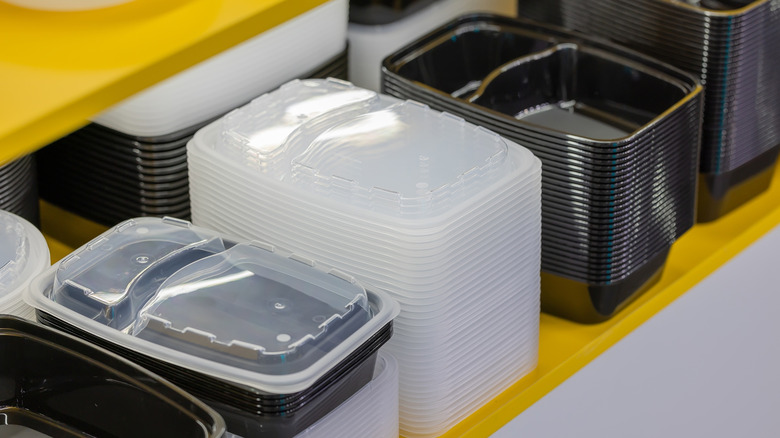
The last thing you want to do when boxing up leftovers after a feast is to root around endlessly for missing lids for takeaway containers. "Lidless containers quickly contribute to kitchen clutter because they become unusable, stack poorly, and take up valuable storage space. Over time, mismatched containers create frustration and inefficiency during prep and storage," Rohit Yadav says. Mismatched lids can be equally frustrating because they fail to seal and transport food items safely.
Yadav has found that the easiest way to keep orphaned containers at bay is to opt for standard sizes — that way, the lids are interchangeable. An efficient method is to stack all containers together in one cabinet and to relegate all lids to a drawer. You can also control the chaos by adding drawer dividers to keep the lids neatly organized, rather than sliding all over the place. Regularly auditing your food storage collection prevents warped pieces or incomplete sets from eating into your storage space. "A streamlined container collection saves time, reduces waste, and keeps the kitchen organized and functional," Yadav says.
Oversized knife blocks
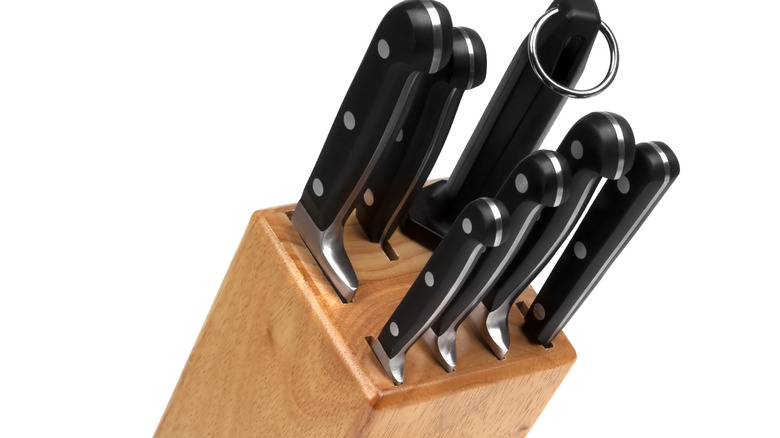
If you can't remember the last time you reached for a serrated bread knife, chances are that you don't need an oversized chunk of wood for housing a full set of knives. For Rohit Yadav, the functionality of oversized knife blocks doesn't justify the amount of counter space they consume. "Many contain slots for knives that are rarely used, making them inefficient in both design and function," he says.
Apart from hampering your everyday workflow, wooden knife blocks aren't kind to blades. Repeated contact and friction against a narrow slot can dull the blades over time. Crumbs and moisture can also find their way in easily, opening the door to yeast and mold.
To decide if a knife block is worth it, perform an audit of the knives you use regularly. Then, consider more efficient storage methods. If you were to peek at the kitchen organization habits of pro chefs, you'd find that only the bare minimum essentials are afforded precious counter space. Knives are often slung on wall-mounted magnetic strips instead of in blocks. That way, there aren't any notches or grooves for germs to hide out. If you'd rather keep your knives out of the way, you can also explore in-drawer knife organizers. "Efficient storage improves workflow, hygiene, and visual calm," Pankaj Singh Panwar says.
Expired spices
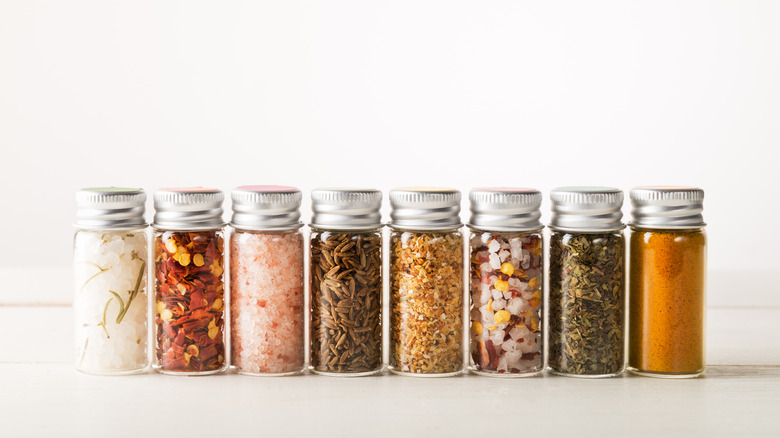
Professional chefs treat spices with the same care as fresh ingredients because they lay the foundation of flavor for any dish. When spice grow stale, they lose their complexity and create inconsistent results. "Fresh spices elevate dishes, while expired ones dull flavors," Pankaj Singh Panwar says.
Spices can also lose their potency over time. This can occur in the form of dull aroma, bland colors, and flat flavors. Many spices lose their aromatic oils over time, meaning they'll contribute little to the smell of your dish, too. If you aren't sure which spices are worth holding on to, Rohit Yadav recommends performing a simple test by rubbing a small pinch of the powder between your fingers. If the scent is weak, you need to get a replacement.
A labeling system will help you identify and adhere to expiration dates. Your storage choices also matter. "To preserve flavor and aroma, spices should be stored in airtight containers away from heat, light, and moisture," Yadav says. Unsurprisingly, spice containers are among the key items you shouldn't store above the stove, but Yadav also cautions against keeping them near windows. "Buying spices in smaller quantities ensures freshness, especially for less frequently used varieties," he says.
Warped plastic spatulas
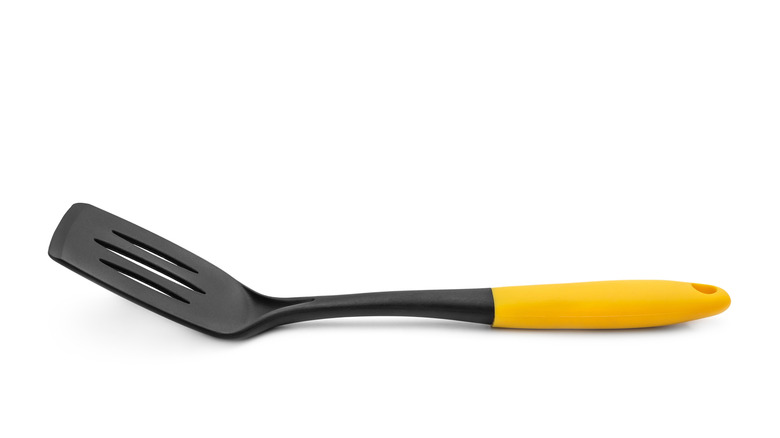
Life as a kitchen spatula means prolonged exposure to high temperatures and even accidental contact with an open flame. Normal wear and tear is to be expected, but it is game over for plastic spatulas at the first sign of warping.
If you witness any visible signs of discoloration, melting, or distortion on your spatula, Rohit Yadav wants you to replace it right away. "Warped plastic spatulas interfere with daily cooking by reducing control and efficiency, especially when scraping pans or folding ingredients," he says. Their deformed silhouette will fail to scrape food cleanly from the corners of the pan and lead to messy transfers to your plate. Yadav also mentions potential health risks; warped or melted plastic may release harmful compounds when subjected to high temperatures.
The key to maintaining the longevity of plastic spatulas, unsurprisingly, comes from storing them away from any sources of heat — Yadav also cautions against resting them directly on hot cookware. If you'd rather not replace your entire spatula collection often, it helps to opt for materials that can withstand higher temperatures. Wooden alternatives are safe to use on non-stick cookware; bamboo in particular is lauded for its anti-bacterial properties. Silicone is a great candidate as well but can be damaged by sharp rims and knives.
Dull graters
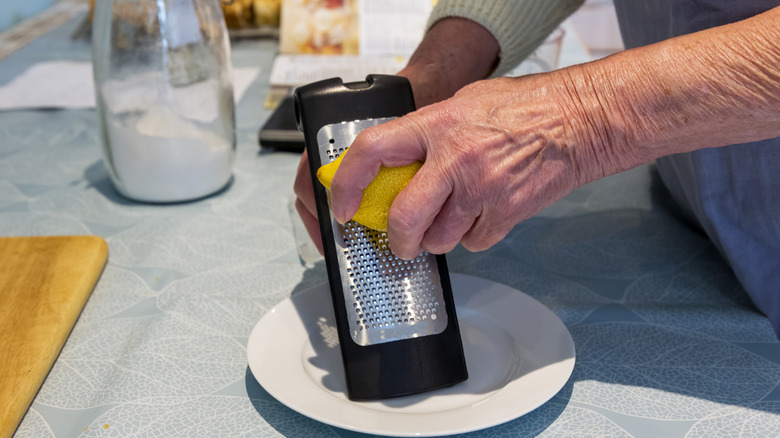
There are two things that a grater should always be able to deliver: efficiency and safety. But if the ingredients are constantly slipping from your grip, ripping unevenly, or demanding more force than they should, you can take it as a sign that your grater has reached the end of its life. "A grater is performing efficiently when it produces clean shreds with minimal pressure," Rohit Yadav says.
Apart from slowing down prep work, dull graters can also lead to a greater risk of injury. Instead of snagging food as it slides across the teeth, blunt graters allow it to slide across the surface. This necessitates extra pressure to compensate, which increases the risk of grazed fingertips.
Proper care will extend your grater's life. Yadav's go-to rule is to clean a grater immediately after use to prevent residue from settling in and to avoid dishwashers as they can dull the edges. When hand-washing a grater, it helps to go with the grain to easily remove food particles — you can always go back in with a toothbrush to dislodge any stubborn grime. Once washed, it is essential to dry yours thoroughly to prevent any lingering moisture from causing corrosion. "Storing graters with blade covers or separately from other tools prevents unnecessary wear, ensuring consistent performance and safer food preparation," he says.