

Everything You Need To Know About West African Pepper Sauce
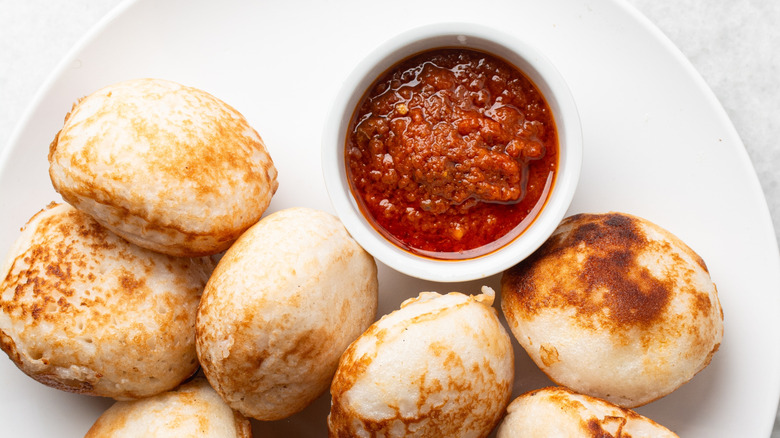
If you've mastered the art of making pasta, learned to roll your own sushi, or taken an Indian cooking class, you'll know how good it feels to even scratch the surface of a new cuisine. That said, I've always found it interesting that despite hundreds of global cuisines, most of us only dabble in a select few. If you're looking to expand your horizons, there's one regional fare that should be on your radar: West African food.
West African food was the highest trending cuisine of 2023, and its popularity doesn't appear to be waning. Its vibrant recipes are generally loaded with spice and bold aromatics, and heat plays a major role. As a cultural anthropologist with a minor in African and African American Diaspora Studies and a concentration in food culture, I love to research a cuisine before attempting one of its recipes — this gives me a better understanding of its roots, intentions, and any important traditions surrounding the dish.
When it comes to West African cuisine, there are few better jumping-off points than West African pepper sauce — a flavorful and unique international hot sauce. It distills the essence of West Africa's diverse dishes, and it's an effective gateway to the region's delicious food offerings. Before you try making it yourself, below is everything you need to know about West African pepper sauce.
The origins of West African pepper sauce

If you're unfamiliar with West African cuisine, allow me to provide some context and explain why the region's pepper sauce is culturally significant. Within each of Africa's main regions exist countless culinary subcultures, all with their own unique flavors and traditions. West African cuisine is known for its diversity — a result of the varied landscape, distinct growing regions, and access to the sea. Staples include starchy indigenous vegetables, tomatoes, spices, beans, and peanuts. Goat meat is extremely popular, and you'll find plenty of seafood along the coast.
Much of West African cuisine utilizes indigenous ingredients, with some outside influence coming from Europe and the Americas. West African pepper sauce was developed over time through a fusion of cultures and ingredients, but when the Portuguese introduced South American chilis to Africa in the 1600s, their peppery heat spread throughout the continent like wildfire. Different regions across West Africa created their own variations of the sauce from the same basic ingredients, and it's now considered a staple condiment. It can be found in most West African households, and many families have their own unique recipe that's passed down through the generations.
How did chili peppers become a key ingredient in West African cuisine?
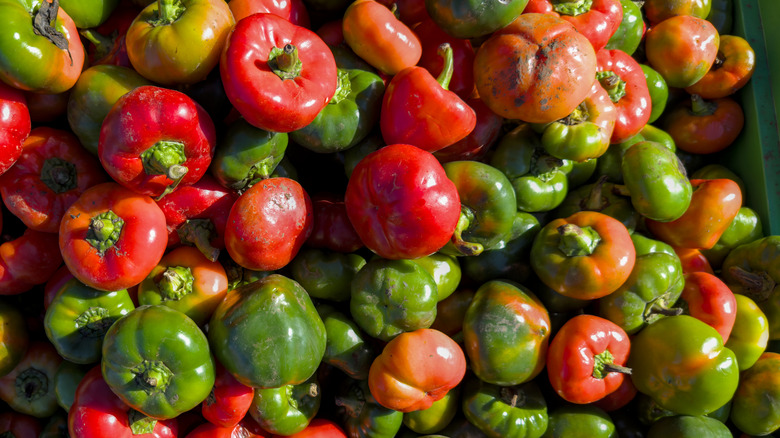
While East African cuisine is known for being a fusion of indigenous, Indian, Arabic, and European influences, West African dishes tend to lean more indigenous, with less outside influence. However, one spicy little ingredient penetrated deep into the region's cuisine: the hot pepper.
In the 16th century, Portuguese traders bound for India would stop at various African ports, introducing peppers from their South American colonies. As the Portuguese slave trade expanded across the continent, the peppers' popularity continued to grow, making a tremendous impact on African cuisines. While the European slave trade was largely responsible for introducing chili peppers to Africa, it's likely that native birds played a major role in spreading the seeds inland.
Today, you can find chili peppers all over the African continent, deeply interwoven into culinary traditions. Without their introduction, African cuisines would have likely developed in a different direction. So, although West African cuisine remains true to its roots, the South American chilis added some heat to the mix, fusing elements from different cultures and ultimately resulting in the creation of a rich and spicy pepper sauce.
The cultural significance of West African pepper sauce
A national cuisine paints a history of the land. It tells us about the people who inhabited that land and their values. It shows us how local cultures developed, and where different cultures interacted. By studying how a food culture evolved, we can often learn who conquered what territories, which countries formed alliances, or what areas were inhabited by slaves and refugees from far-off lands. For example, although West African cuisine remains fairly true to its roots, its inclusion of chilis demonstrates trade with the Portuguese, who we know were trading the South American pepper between their colonies.
In this case, cultural fusion was a two-way street. The slaves taken to the New World by Portuguese traders brought their own culinary traditions, which had a major influence on the cuisine of the Americas and the Caribbean. West African pepper sauce symbolizes a fusion of the new and the old, representing tradition, tragedy, development, and sacrifice. The way it has developed differently across the region shows a melding of cultures and relationships, but it's still considered a staple that embodies West African cuisine. Today, West African pepper sauce continues on its cross-cultural journey, jumping oceans to spread the spicy traditions of West Africa to countries around the globe.
How is West African pepper sauce made?
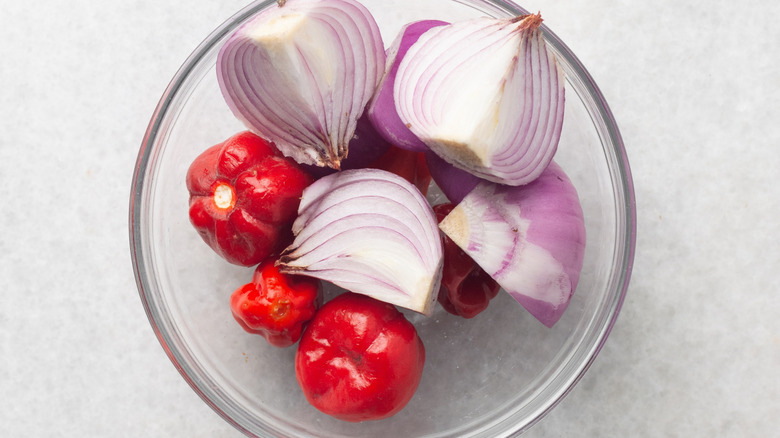
Although you can find various types of West African pepper sauce across the continent, most recipes are built on a base of four main ingredients: onion, tomato, hot pepper, and oil. Aromatic ingredients like garlic, ginger, vinegar, spices, and bell peppers are often added to enhance the taste, along with salt. You'll also find recipes that use tomato paste for depth, brown sugar for sweetness, stock cubes for umami, coconut oil for richness, and chili powder for extra heat.
Once you've got the basic formula down, you can start experimenting, but the key is to use ingredients that complement the sauce's flavor profile and enhance the base. While it may sound obvious, West African pepper sauce is traditionally made using fresh, high-quality ingredients.
To make a basic West African pepper sauce, first blend all of your ingredients into a puree — this can be smooth or chunky based on your preferences. Then, add the puree to a pan of hot oil and let it simmer to caramelize and cook. You can adjust the spice level of the sauce by using more or fewer chili peppers. When handling hot peppers, it's a good idea to wear gloves, and be careful not to touch your eyes or any other sensitive areas.
Regional variations of West African pepper sauce
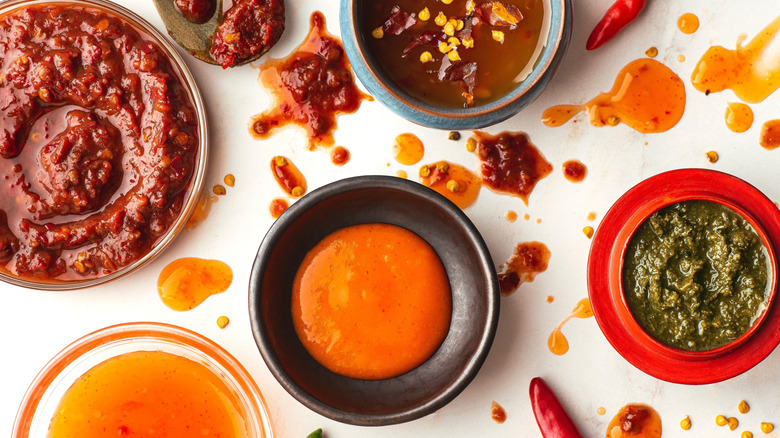
Not only does West African pepper sauce have many regional variations, but it also goes by many names. In Liberia, the Kru ethnic group enjoys "hot fried pepper sauce." In Ghana, the rich and smoky black pepper sauce is called shito – meaning "pepper" in the Ga language – and often contains prawns, dried fish, ginger, and garlic. Meanwhile, Nigeria has two popular versions: obe ata and ata din din. Both use the same base ingredients, but obe ata contains more tomato and has a soup-like texture, whereas ata din din relies heavily on red bell peppers and has a thicker, chutney-like consistency.
Other nations on the continent have their own versions of hot sauce, and most bear similarities to the West African condiment. For example, in Tunisia, they have harissa, while South Africa is famous for its peri-peri sauce. The base always contains chili peppers, but the type of pepper can vary between regions and recipes.
The most popular chilis used in West African pepper sauce
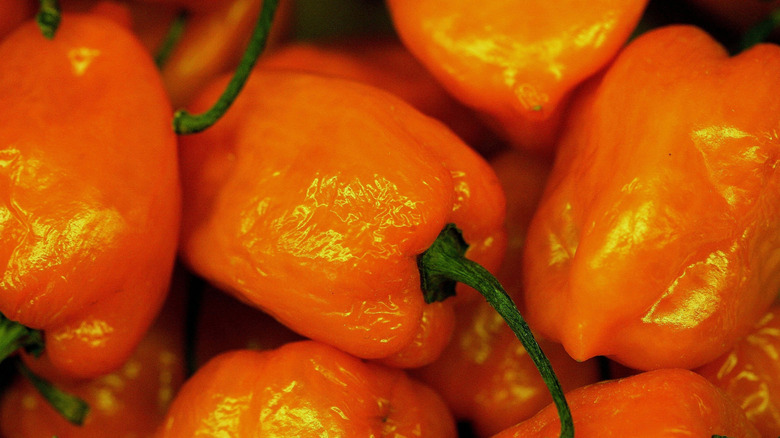
The spice level of chili peppers is rated on the Scoville scale in Scoville Heat Units (SHU), letting us know just how much smoke will come out of our ears after eating one. Milder peppers have a lower number — bell peppers, for example, only measure 0 SHU on the scale. Meanwhile, Pepper X is currently ranked as the world's hottest, averaging an eye-watering 2.69 million SHU.
Traditionally, West African pepper sauce is made using scotch bonnet or habanero peppers. Both are considered to be among the spicier chili varieties, each measuring between 100,000 and 350,000 SHU. Heat aside, each of these has its own distinct flavor that makes West African pepper sauce unique. Scotch bonnets have a sweet undertone that's reminiscent of tropical fruit. Habaneros are similar but less sweet overall. The two peppers are closely related, so they're somewhat interchangeable. Bell peppers are often added to West African pepper sauce to temper the spice and create a thicker texture, while bird's eye chilis can be used to turn the heat up even further.
How to create a milder West African pepper sauce
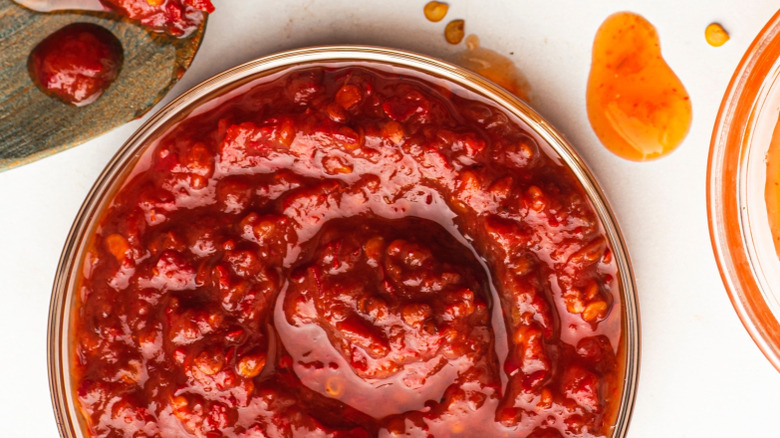
Not everyone can handle the heat, but that doesn't mean they have to get out of the kitchen. If you're spice-sensitive but still want to enjoy West African pepper sauce, there are a few ways to temper its bite.
While you still want the sweet and fruity profile of scotch bonnet or habanero peppers, you can always use fewer and make up the difference with red or orange bell peppers. You can also try using milder peppers with fruity characteristics, like biquinho peppers.
If your homemade or store-bought sauce is too hot, you can always add a little fat to reduce the spice level. Oil is typically the easiest option, and you can add it to taste after you've cooked your sauce. I recommend choosing a heavier oil with a low smoke point, like extra virgin olive oil. You can also use coconut or palm oil for a fattier mouthfeel. Alternatively, try incorporating peanut butter into your West African pepper sauce to tone down the heat and introduce more local flavors into your recipe.
Traditional uses for West African pepper sauce
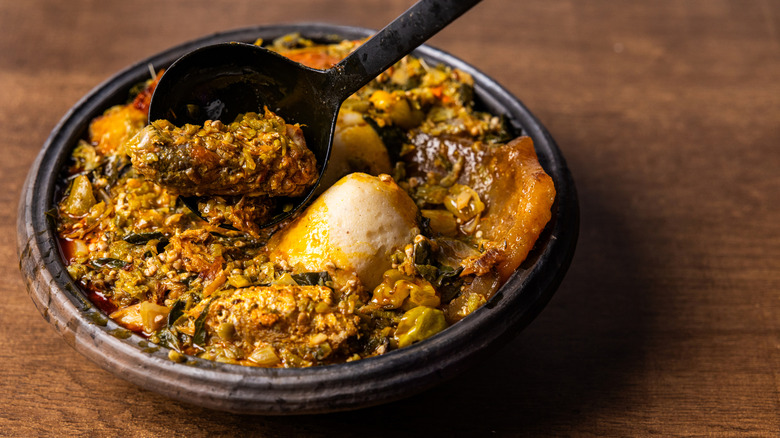
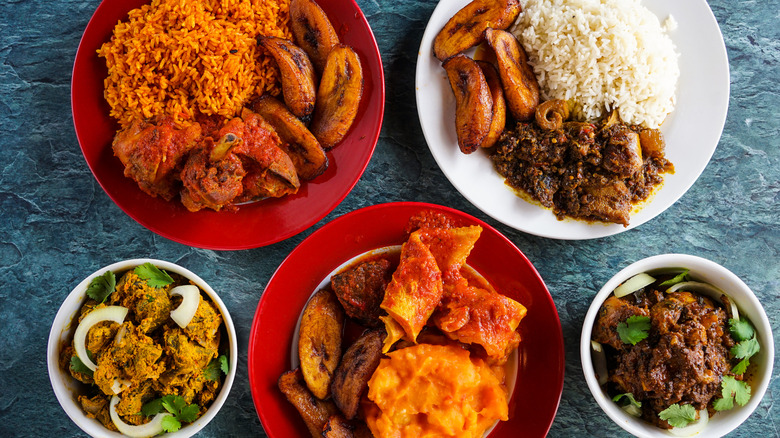
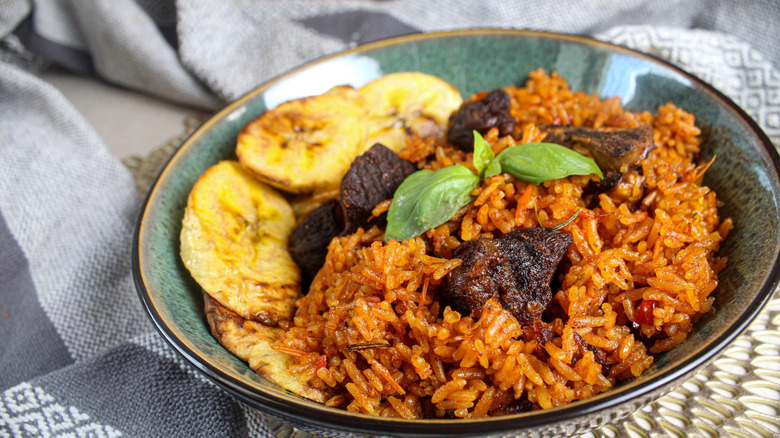
West African pepper sauce can add a little heat to just about any recipe. It can be used as a sauce, dip, cooking base, or condiment, and it's fairly versatile. Traditionally, West African pepper sauce is used as a meat rub, as a base for stews or jollof rice, and as a dip for fried dough balls or plantains.
In fact, because West African pepper sauce is popular across the continent, it also works with many East African dishes, like ugali, wali na Maharage, doro wat and saga wat, and rolex. Any dish that has a starchy or mellow base, contains meat or eggs, or is grain-heavy can benefit from being spiced up with West African pepper sauce. However, because its heat is intense and powerful, use a light hand to let the main ingredients shine through. Serving West African pepper sauce on the side is also a good option, as it lets you adjust the heat to your preference, and spice tolerance varies greatly from person to person.
How to use West African pepper sauce with American cuisine
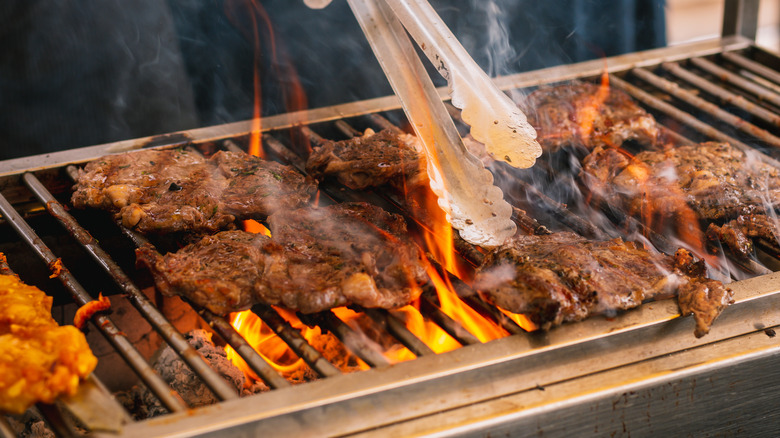
If you've made your first batch of West African pepper sauce but don't have an abundance of West African cuisine to use it with, it's important to know how to pair it with American foods. Luckily, you can use it like you would any other hot sauce. You can add the pepper sauce to roasted vegetables or slather it on pork chops or chicken before throwing the meat on the grill. You can also mix it right into your barbecue marinade.
You could add West African pepper sauce to your burger patties and hot dogs before cooking, dip your french fries in it, or drizzle the sauce over grain bowls. A tiny drizzle is the perfect addition to just about any sandwich, and it can even elevate the flavor of fish. Try mixing West African pepper sauce into your marinara sauce or salad dressing, or use it in your creamy tomato soup. Add a few drops as a garnish for eggs and beans. Try to keep the pairing savory, but feel free to sweeten the sauce to taste if you're using it in rubs and marinades.
West African pepper sauce is becoming increasingly popular in the United States
The demand for global dishes in the United States is steadily on the rise, with Americans looking to branch out beyond familiar cuisines such as Italian, Chinese, and Mexican. West African cuisine, in particular, has been gaining momentum since 2020, with dishes like berbere and puya leading the charge. Besides food, there has been a rise in other facets of West African culture, including music and art.
You may notice traditional West African dishes, like jollof rice, featured more frequently by foodie influencers or see them popping up on food blogs. You can certainly expect to learn more about West African pepper sauce, as its simplicity and captivating flavor can transform almost any savory dish. Being a staple condiment of West Africa, it can help folks dip their toes into traditional West African cuisine and create cultural fusions with familiar dishes.
Where to buy West African pepper sauce
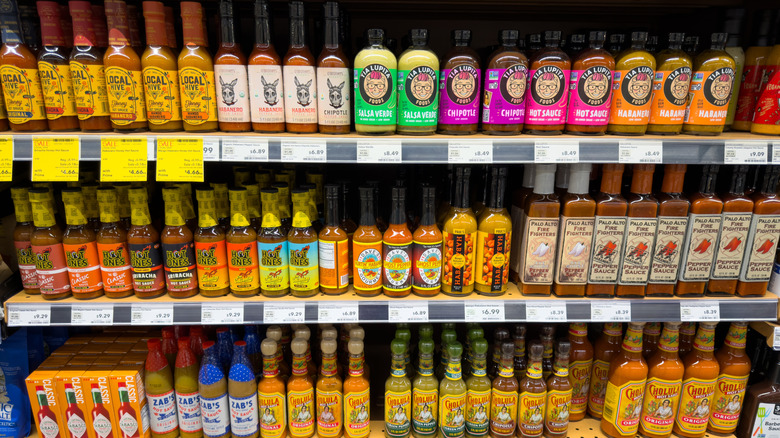
Although West African pepper sauce has typically been difficult to find at local grocery stores in the past, as the demand grows and the market expands, it's likely that it won't be so hard to track down in the future. If your local market stocks West African pepper sauce, it's most likely to be located in the global food aisle, if there is one. However, you might have more luck at an African food market or an international food store.
If you live somewhere that doesn't fully cater to global cuisines, don't give up just yet, as you can always buy West African pepper sauce online. If possible, select a West African-led brand, as not only will you be supporting the culture from which you are borrowing culinary inspiration, but the flavor is more likely to be authentic. Alternatively, you can make your own, as the ingredients are pretty easy to source. If your local store or market doesn't carry fresh scotch bonnet or habanero peppers, you can try using the jarred or canned variety before looking online.