

7 Unspoken Rules When Dining In Japan
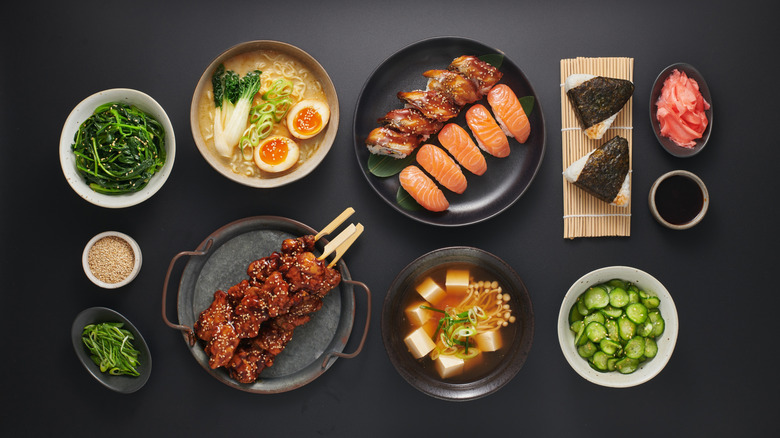
If you're lucky enough to have visited Japan, you'll know that there are certain points of etiquette that everyone is expected to follow. Taking off your shoes when you enter someone's home is widely practiced, for example, as is bowing as a form of greeting. In a dining setting, there are further guidelines to be aware of as a visitor. In general, politeness and consideration for others are valued above everything else, so if you aren't sure how to comport yourself, you can always fall back on these two basic principles.
In order to gain more insight into Japanese dining etiquette, we spoke to Namiko Hirasawa Chen, the founder of the Japanese food blog Just One Cookbook. She was quick to point out that, as in every culture, dining etiquette in Japan varies widely depending on the setting. In home cooking and izakaya (casual pubs), the atmosphere is more relaxed, whereas for kaiseki, kappo, or chakaiseki meals, the details carry deeper meaning and the etiquette follows suit. And if you aren't quite sure where to begin when eating out, take a look at this rundown of 15 types of Japanese restaurants and read through these tips for finding the best food while in Japan.
Offering words of gratitude
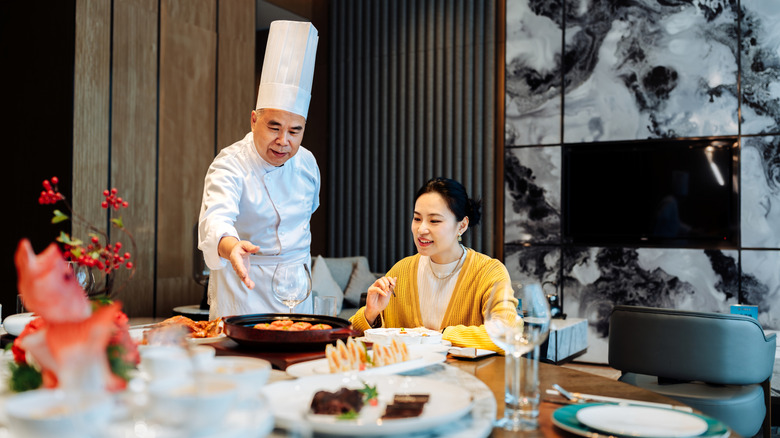
As with most restaurants, the rules of dining etiquette in Japan begin long before your food is placed in front of you. Namiko Hirasawa Chen told us that one of the most important customs is speaking specific words of gratitude. Before the meal, say "Itadakimasu," which roughly translates to "I humbly receive." It's a tradition that stems from Buddhism, which views food as not just something yummy to eat, but as a vital source of life. Rather than being a word of gratitude to a higher power, it is more geared toward the people who prepared the food and the ingredients themselves.
After the meal, it is customary to say, "Gochisōsama deshita," which is another phrase expressing gratitude for the food you consumed and those who were involved in bringing it to the table. If you use both of these phrases when dining out in Japan, you will already be showing a respect for and understanding of the food culture there.
Avoiding carelessness with chopsticks
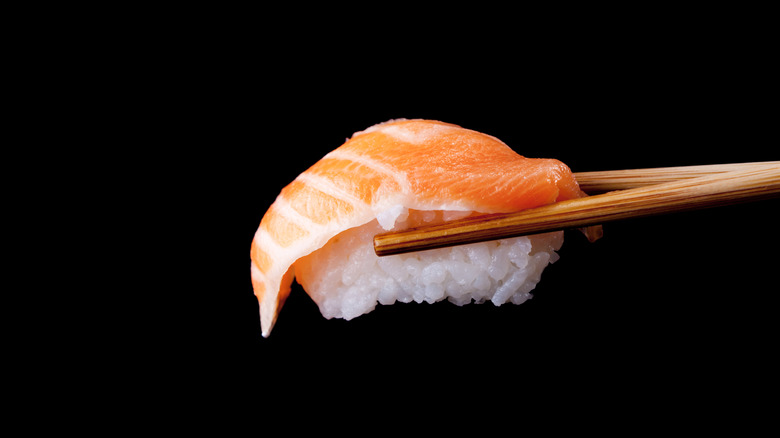
According to Namiko Hirasawa Chen, chopstick manners are one of the important aspects of dining in Japan. It can be difficult to learn how to eat with these utensils if you come from a household that never used them. Learning the movement and developing the dexterity is not unlike creating new sounds when you're learning a new language. Unfortunately, learning how to handle them isn't the extent of what you need to know, but luckily, the etiquette side of things is just a matter of remembering certain rules of thumb rather than teaching your fingers to use different muscles.
Sticking them upright in a bowl of rice is considered rude, for example, as is pointing them at people or food. Passing food directly from one pair of chopsticks to another is also frowned upon. "These actions," she explained, "Are associated with funeral rituals in Japan, which is why they are considered inappropriate at the table."
Being conscious of your portions
One of the things that foreigners often comment upon when eating at an American restaurant for the first time is the size of the portions, but in Japan, customers should do their best to avoid large portions, whether in a restaurant or at a home setting. "Treating food with care is seen as a good virtue," Namiko Hirasawa Chen explained, saying that you should never take more food than you are prepared to eat and always avoid leaving large quantities of food behind.
This courtesy extends to the tableware as well. Just as you are meant to show respect to the food, you should extend that respect to the dishes. Handling them with care speaks volumes and is especially noticeable in dining situations where there are many ingredients and dishes. Even if you aren't sure which sequence to eat them in, being respectful and appreciative of everything that is served to you is a good start.
Keeping the volume down
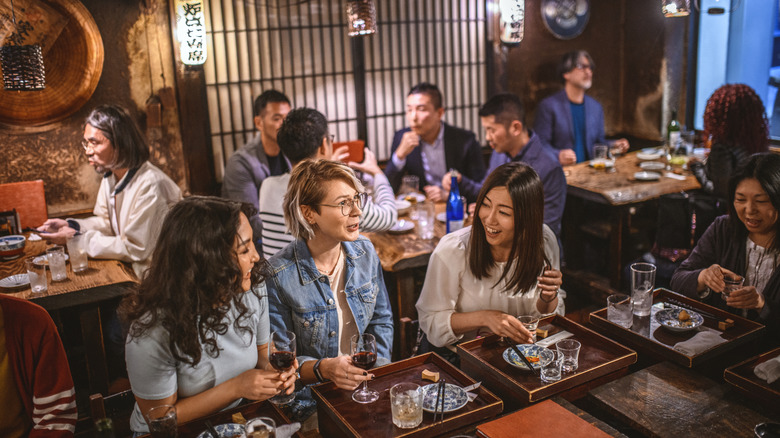
Restaurants can be deafening. When you get enough people into a small space and serve them alcohol, the volume can get out of hand pretty quickly, but in Japan, making every effort to avoid adding to the noise will stand you in good stead. None of us wants to be the tourist whose voice can be heard echoing from the rafters, even if it's just an indication that you're having a great time.
As Namiko Hirasawa Chen said, quiet spaces are highly valued in Japan, and being mindful of your surroundings is crucial. Avoid loud conversations and avoid using your phone, especially for calls. Respecting the environment extends beyond noise, too. Strong perfume is frowned upon, especially in small restaurants where it can become overpowering for other patrons. As mentioned before, the context is important. In standing bars and casual eateries, the etiquette is much more relaxed, so speaking loudly may not draw as much attention to your table as it would in a fine dining setting.
Respecting the presentation of the food
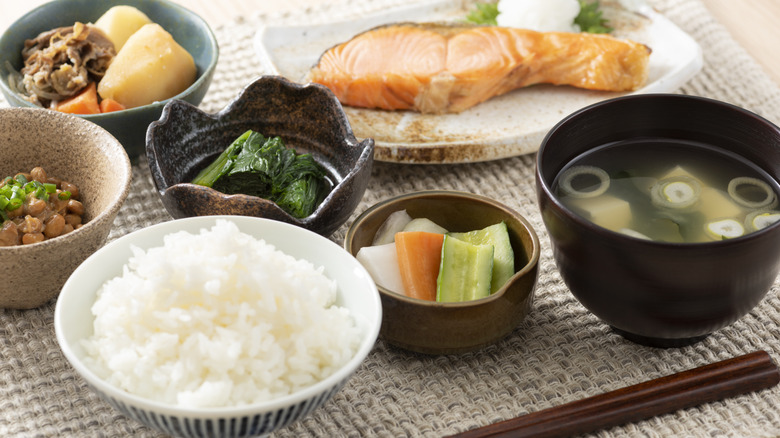
Showing gratitude for the people who prepared and presented your food is important, but so is knowing how to eat it. In Japan, there are certain types of table settings that appear frequently in restaurants, and knowing them beforehand will help you navigate the dining experience without a hitch.
The most common table setting is called ichiju sansai, which translates to "one soup, three dishes." As the name suggests, this includes one main dish and two side dishes, plus rice, soup, and pickled vegetables. Understanding that each dish has been arranged in its place with great care will help you avoid the urge to move anything around throughout the course of the meal.
The arrangement of the food is all part of the thoughtfulness that goes into all aspects of culinary culture in Japan, and this needs to be respected by diners. "Cooking is often viewed as a form of craftsmanship," Namiko Hirasawa Chen explained, noting that this extends to the space in which the food is consumed, as well as the dishes. "The restaurant, the tableware, and the way the food is presented all matter," she continued.
Slurping of noodle soup is encouraged
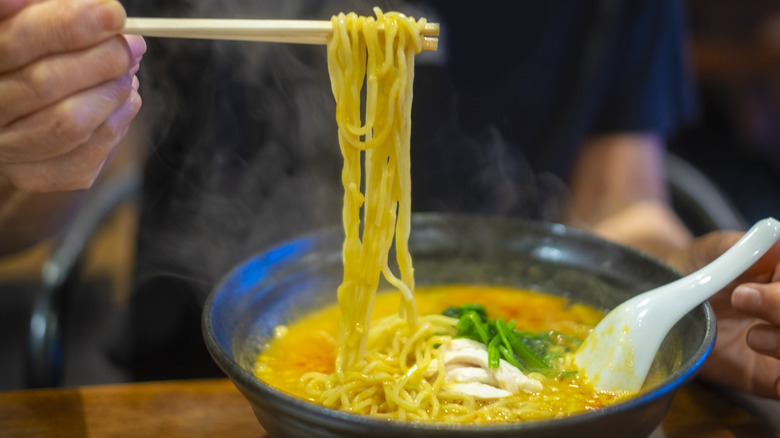
One of the customs that might surprise you when eating at a Japanese restaurant is slurping. Per Namiko Hirasawa Chen, there is a widespread misconception that making noise while eating is always rude, but slurping noodles like soba, udon, and ramen is not only acceptable but actually expected. "It can show enjoyment and also help cool the noodles as you eat," she explained, "So yes, slurp away!"
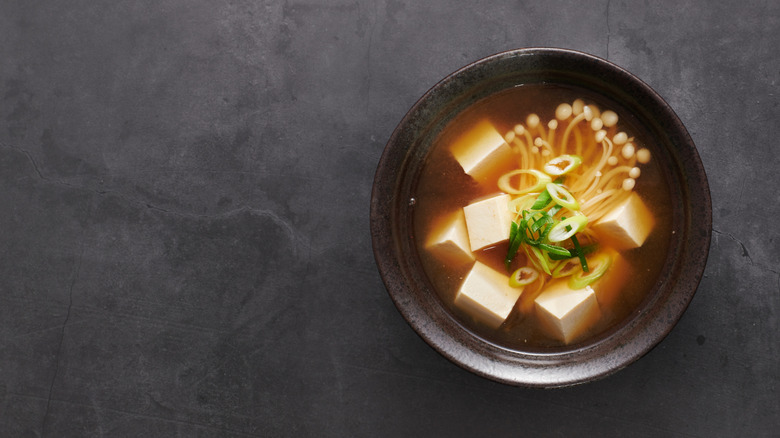
The slurping rule doesn't apply to all liquid-based dishes, though, so don't get too carried away with that bowl of miso soup or steaming cup of tea. The former is usually sipped quietly rather than enthusiastically, no matter how hot or delicious it is. In the case of the latter, it's more complicated. Slurping tea in Japan can be a show of respect, especially during formal tea ceremonies. However, it should be reserved for the final few sips.
Being considerate of others
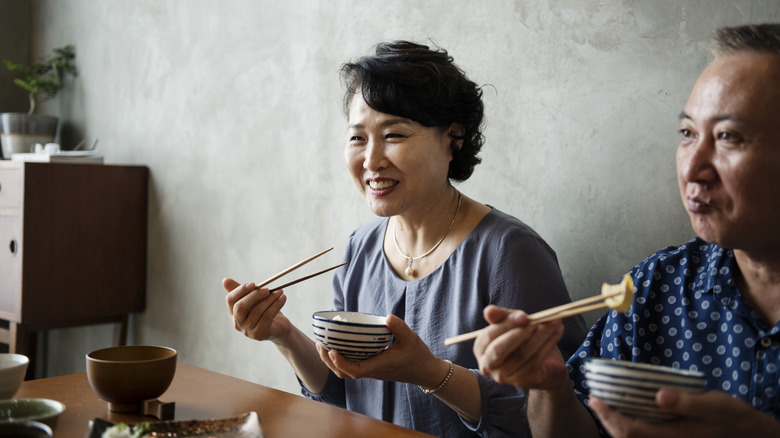
Ultimately, the etiquette of dining in a Japanese restaurant all comes down to being respectful of those around you, including fellow patrons, service staff, and kitchen workers. As Namiko Hirasawa Chen told us, Japanese dining etiquette is built around a culture of thoughtfulness, not rigid rules, so simply making every effort to be considerate will go a long way. That said, there are some specific things that you will want to keep in mind when endeavoring to show respect, including avoiding these 10 mistakes people make when ordering at Japanese restaurants. For example, it might not occur to you that asking to customize your order can be considered rude.
While new dining customs can be a bit intimidating at first, Chen emphasized that simply understanding the mindset of respect and thoughtfulness is worthwhile for everyone concerned, including you. It won't just make the experience more pleasant for those around you, but it will also make it richer and more meaningful for you as a patron. There's a reason Japanese food is so beloved around the world, and anything you can do to deepen your appreciation of it is worth doing.