

Want To Eat Beans Without The Bloat? Start Here
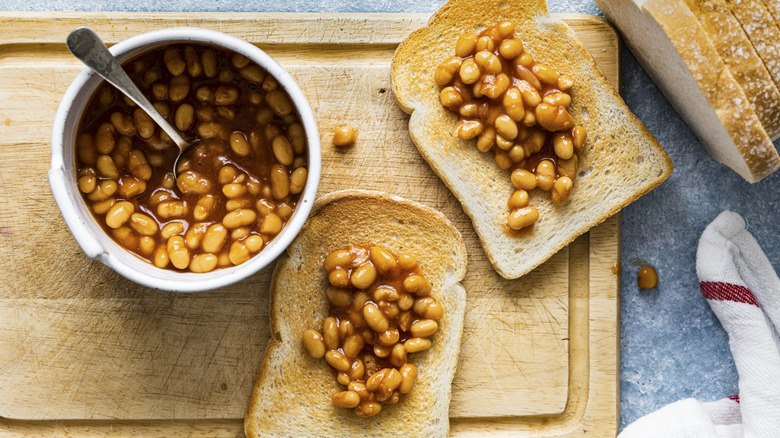
Beans have a bit of a reputation. Their infamous "musical" effects are due to their chemistry, and when you understand that, you can employ an easy technique to strategically avoid the unpleasant side effects of digging into your favorite seven layer dip. Because they're very high in fiber — which is having a bit of a moment after waiting in the wings while protein dominated the zeitgeist for years — beans are a foundational part of a healthy diet, so it's worth figuring out a way to prepare them in a way that makes them digestible.
Dried beans contain complex carbohydrates called oligosaccharides, along with high levels of lectins, which are a protein that plants use to protect themselves. The human digestive system can't fully break these natural compounds and anti-nutrients down by itself; instead of being absorbed in the small intestine, those compounds move into the large intestine, where gut bacteria ferment them. That fermentation is what produces gas and, for many people, the uncomfortable bloating that follows.
Many traditional food processing steps, like soaking, fermenting and slow cooking, are ways of getting a jump on the digestion process before eating, so that when you consume the food, and your digestive system takes the reins, it has less to break down before accessing the good stuff, making the nutrients more bioavailable. Such is the case with soaking beans, which is a practical way to remove some of those gas-producing compounds. When dried beans sit in water, a portion of the oligosaccharides dissolve out of the beans and into the soaking liquid. Draining and rinsing the beans physically washes them away, which reduces the amount that ends up in your meal and in your body. If you cook them in the soaking liquid, you're keeping the undesirable compounds, so rinsing is crucial.
A little soak goes a long way
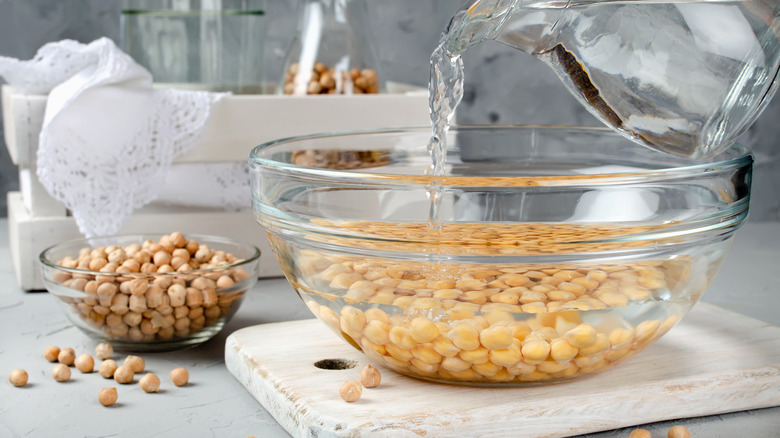
Beans aren't inherently hard on your body, they just need a little help before they hit the pot. This kind of preparation shows up across bean-based food traditions all over the world, because it makes an affordable, nourishing ingredient more edible. For dried beans, an overnight soak in fresh, clean water is all there is to it. They will get bigger as they absorb water, so cover them generously with water in a large enough bowl that will accommodate their expansion, then let them sit for eight to 12 hours. Any longer than that, and they may start sprouting, which isn't dangerous, but it isn't what you're going for, either. Drain and rinse well before cooking; a colander or large, fine mesh strainer is helpful here.
The same idea applies to canned beans; the starchy water they sit in is full of indigestible compounds that are better off going down the sink than down the hatch. If you're short on time, the "quick soak" method can be better than nothing. To do this, bring the dry beans to a brief boil, remove them from heat, let them sit for one to two hours, then drain, rinse, and proceed. Both methods somewhat reduce the compounds most responsible for bloating.
Like with all food, your cooking technique influences the digestibility of the beans, but unlike some other foods (like steak) that can be eaten, enjoyed and digested partially raw, chewy, undercooked beans should be avoided, because your body interprets them as "not food", and will spend a lot of energy fighting them instead of extracting nutrients. A bean that's ready to be eaten should be fully tender and toothsome.
Train your body to bean
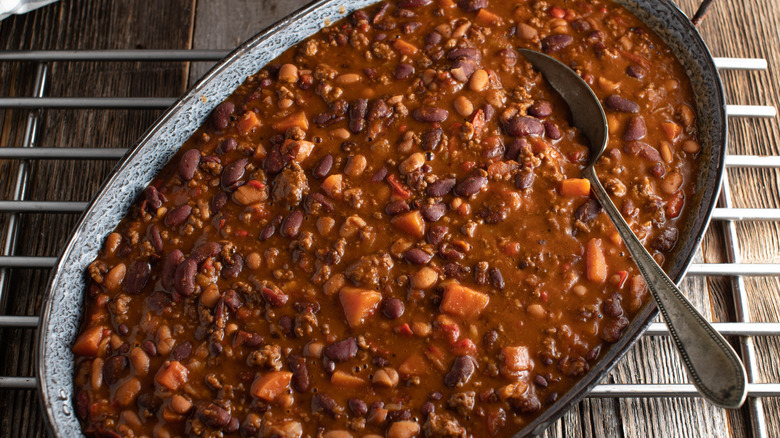
Another traditional food prep step that has an interesting, beneficial chemistry explanation behind it is the way the flavorings added to beans while they cook affect digestibility. The aromatics and spices that are often paired with beans, like bay leaves and cumin, contain volatile oils that can aid digestion, plus, they make a pot of beans taste more like a complete meal than a lonely ingredient.
Beans can also be harder to digest if your digestive system isn't accustomed to breaking them down, so if you're new to the bean life, take it slow to build up your tolerance, because your gut microbiome changes in response to what you eat regularly. Consistent, moderate bean consumption can actually reduce gas over time as gut bacteria shift to handle those carbohydrates more efficiently. Starting with small portions and increasing gradually gives your digestive system time to learn and catch up.
There are a few more form and chemistry-based factors to play around with. Smaller legumes, like adzuki, lentils, split peas, and mung beans, tend to be easier to digest than larger, thick-skinned varieties like kidney and navy beans, which tend to be higher in lectins and oligosaccharides. Added culinary steps that pre-process the bean structure can also make a difference in digestibility, meaning beans that are broken down in purées like hummus, bean dip, refried beans and dal, are mechanically easier to process than whole, intact beans with thick, firm skins. Pressure cooking breaks down bean structure more completely than low, slow heat, and salting the cooking water, or adding baking soda, changes the pH of the cooking liquid and helps break down the beans to tenderness, but adding acid too soon in the cooking process does the opposite. Prepared thoughtfully, beans are one of the most sustaining, economical foods available.