

Swap These Plastic Kitchen Items For Safer, Smarter Alternatives
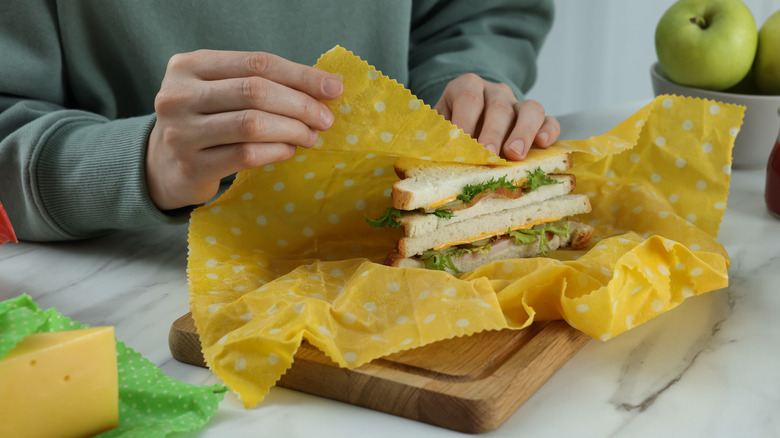
We'll cut to the chase: Our kitchens are full of plastic, and that comes with some serious drawbacks. Plastic is not just a potential source of toxins and microplastics, but it's also an environmental nightmare.
If you throw away a plastic item today, it'll very likely still be around for decades to come. In fact, some research suggests that certain plastic items could take up to 500 years to decompose. To put that in context, that means that if, say, Henry VIII threw away a plastic coffee pod in Tudor England, it would only just be finished degrading now. He didn't, of course; plastic wasn't used regularly until the 20th century. But you get the point.
Luckily, for those trying to purge their kitchens of plastic, there are many safer, more sustainable alternatives to choose from. Plastic sponges can be replaced by fruits (yes, really), beeswax can take over from Saran Wrap, and ceramic kettles can do the job of any plastic kettle just as well (if not better). Keep reading to find out more about how to swap plastic kitchen items for safer, smarter alternatives.
Swap plastic sponges for materials like cellulose or loofah
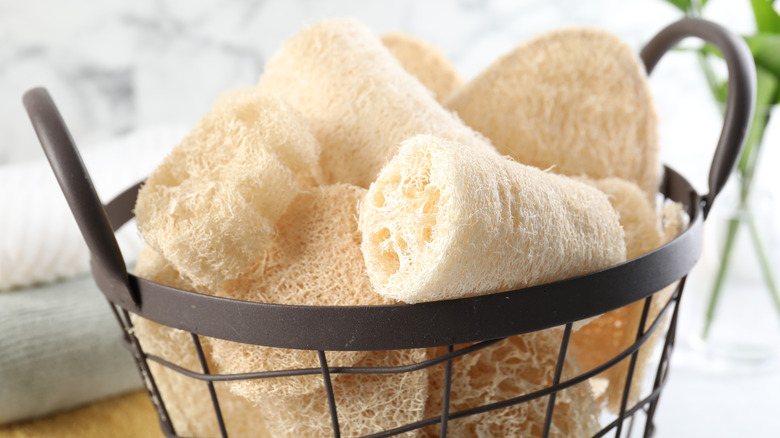
Before the plastic sponge that most of us use every day to clean our kitchens was invented, most people used natural sponges to clean their environment. Specifically, they used the skeletons of very small, porous sea creatures, known as porifera. This was not just for cleaning, but for bathing, too. But like most natural resources, these ocean creatures couldn't keep up with humanity's needs. Overfishing meant that by the middle of the 20th century, plastic sponges were far more readily available and accessible than the natural alternative.
The problem is, there are now millions of plastic sponges in use around the world, and while they're not single-use, they don't last forever, either. Eventually, they will be thrown in the trash, and they won't biodegrade for a very, very long time. But the problem with sponges isn't just that they're not sustainable; they also might be dangerous for our health. Research suggests that plastic cleaning sponges can leak trillions of microplastics into our homes.
The answer? Go back to nature. Natural sponges made with loofah are becoming more popular, as they are efficient at cleaning, and they're biodegradable and plastic-free. It's also a renewable resource: Loofah is a fruit with a natural fibrous texture, which means it can be easily reproduced. If a loofah doesn't appeal, cellulose sponges, made with wood fibers, are another eco-friendly, plastic-free, biodegradable choice. Other plastic-free options to look out for include bamboo, hemp, or coconut sponges.
Ditch black plastic utensils for wooden ones
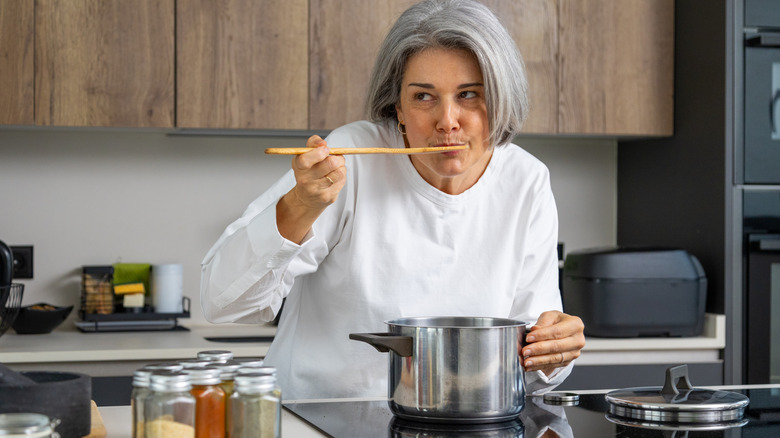
Much like the plastic sponge, plastic utensils took off around the 1950s. They were incredibly convenient when dining out, and at home, they were affordable and easy to wipe clean after cooking or eating. Now there are quite literally billions of plastic utensils in use across the U.S.
But again, research suggests these plastic utensils aren't very good for us or the planet. The single-use varieties will end up sitting in a landfill for centuries, but even those black plastic ladles many of us use to scoop soups and stews might be harmful. In fact, studies indicate that, because they're often made with recycled electronic waste, black plastic utensils might even transfer toxic flame retardants to food.
Wooden utensils, on the other hand, get the job done just as well, but they are safer. They don't contain the same hidden chemicals and plastics, and they're biodegradable, too. The key with wooden spoons is to take care of them well. While they are nontoxic, they are porous, which means that they can harbor bacteria. This is usually not a problem as it doesn't sit on the surface of the wood; however, if they are not dried quickly after washing, this bacteria may leach out. In short: Always dry wooden utensils thoroughly and quickly. It's also best not to put them in the dishwasher, as this can damage the fibres and remove protective oils.
Opt for glass or wood over plastic food storage containers
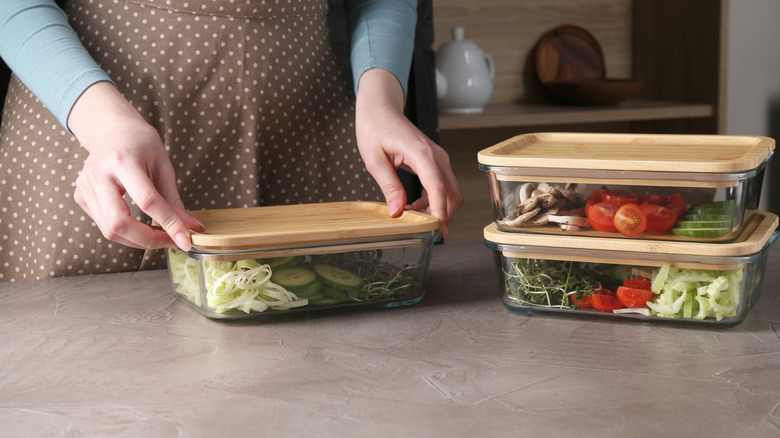
If you have a cupboard full of plastic food storage containers, you're not alone. Per Fact.MR, the household food storage container market was valued at $28 billion in 2024, and a big chunk of that is made up of plastic.
Many choose plastic containers because they're convenient and affordable, but once again, there is research to suggest they might not always be the safest choice for our health. If you use a plastic container to heat leftovers, for example, some of the chemicals may leach out into the food. Research is still ongoing into just how hazardous this is, but initial reports indicate that chronic exposure might be putting our health at risk.
The good news is plastic isn't the only material used to make storage containers. Glass, for example, is a popular durable material for containers, and it's infinitely recyclable, too. You can also opt for wooden containers, like bamboo lunch boxes, jars, or canisters, to store food. In fact, while it might seem odd now that we live in a plastic-dominated world, people have actually been storing food in wooden containers for a very, very long time. In 16th-century Japan, for example, wooden bento boxes were a common way to store and transport food.
Swap Saran Wrap for beeswax or plant-based wax
Saran Wrap, also known as cling film, was the product of an accident. Back in the 1930s, Ralph Wiley was cleaning glass at the Dow Chemical lab when he found a vial coated in a substance that was impossible to clean. He told researchers about his findings, and that same substance went on to be used to cover everything from fighter planes to car upholstery. The science behind it is basically that the molecules in the substance, known as polyvinylidene chloride, are held so tightly together that nothing can get through.
Eventually, polyvinylidene chloride was turned into a wrap in a bid to keep food clean and protected. We still use it today, of course. According to Market Research Future, by 2035, the plastic wrap market will be approaching a value of $20 billion. But while useful, Saran Wrap comes with some big cons. It's very hard to recycle, for one, which means it will inevitably end up in a landfill. Like many plastics, it also contains potentially hazardous chemicals.
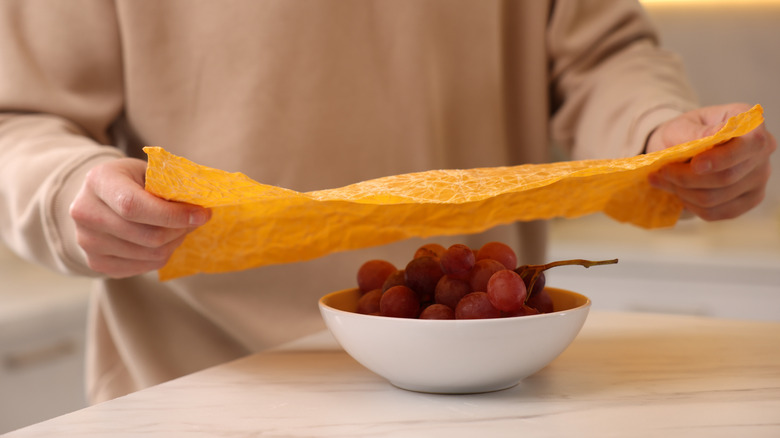
Luckily, there are better alternatives to plastic wrap that can cover food just as easily. Beeswax wraps, for example, are usually made with a mix of cotton and, well, beeswax, and, thanks to their naturally slightly sticky texture, can be used to cover everything from fruit to cheeses. They're reusable and compostable, too. You can also find plant-based wax wraps, made from materials like candelilla wax or soy, that do the same job.
Reusable cotton bags can replace single-use plastic bags
In the 1960s, single-use plastic shopping bags took off in Europe for the very first time, and we all know that this handy invention never lost popularity. Plastic bags seeped into every corner of the world, making transporting groceries easier than ever. Single-use plastic bags were also used for produce and leftovers, and, of course, they still are today. Head to almost any grocery store and you'll find shelves lined with boxes of easy-seal plastic sandwich bags.
But, you guessed it, these single-use plastic bags are far from ideal when it comes to the planet and our health. Research suggests that most contain potentially toxic PFAS, which are nicknamed "forever chemicals," because, well, they last forever. For the record, PFAS have been linked to everything from infant mortality to cancer. They're not something you want leaching into your peanut butter and jelly.
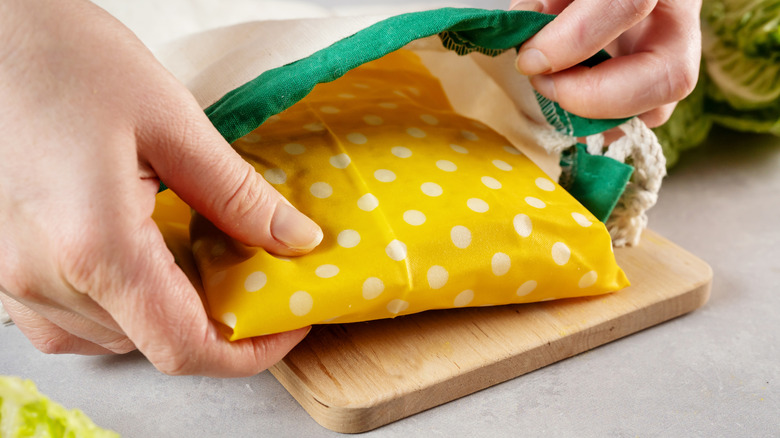
Fortunately, we have other options. Instead of plastic, you can opt to store your sandwich, snacks, or produce in organic cotton alternatives, for example. They're not just plastic-free, they're also reusable, as you can just pop them in the washing machine after each use. Some sandwich and snack bags combine organic cotton with a plant-based wax interior, which helps to keep food fresher for longer. They're also easier to clean, as all you need to do is rinse the inside and then dry it before filling it up with food again.
Swap out plastic ice cube trays for stainless steel
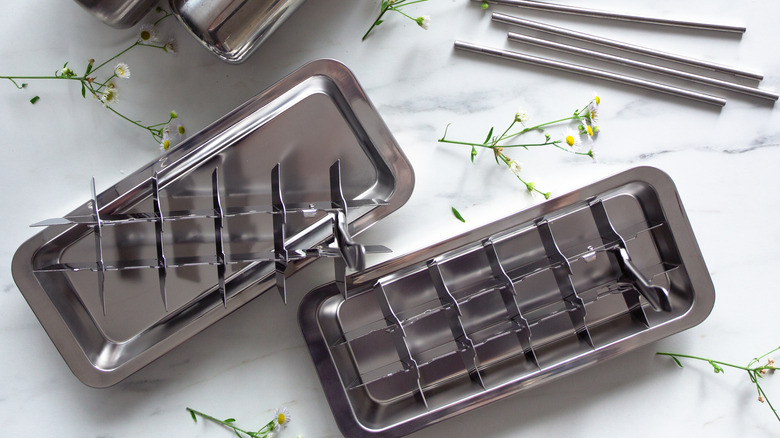
Today, many of the ice cube trays on the market are made from some type of plastic. But actually, the very first ice cube trays were made from a very different material: stainless steel. In 1933, the vice president of General Utilities Manufacturing Company, Guy Tinkham, developed a flexible, ejecting metal ice tray for the first time. It was a very handy invention. Ice cubes keep drinks nice and cold, and they also influence the flavor, too.
If you're shopping for an ice cube tray now, there's a good case to be made for going back to the original stainless steel design. Plastic trays can contain harmful chemicals, like bisphenol A (BPA), which may leach into food. There are many BPA-free options on the market, but there's another problem with plastic ice cube trays — if they're not cleaned regularly enough, they can absorb flavors and odors from the freezer, imparting them into the ice. Fresh iced lemonade with a side of shrimp? No, thank you.
Opting for food-grade stainless steel will stop those plastic chemicals from contaminating your food, and they don't absorb smells in the same way, either. They're also durable and far less prone to cracking than plastic trays.
Opt for wooden cutting boards over plastic
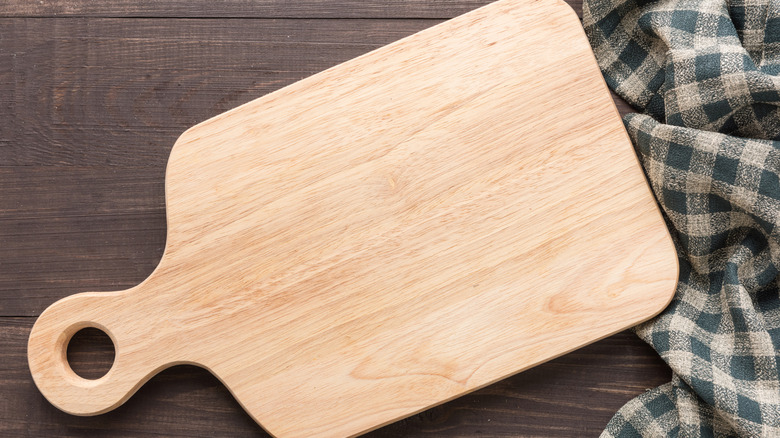
Humans have used wooden cutting boards for centuries. In fact, they can be traced all the way back to the Middle Ages, when they represented a more practical, lighter alternative to marble and stone. In the middle of the 20th century, of course, as with many other kitchen essentials, plastic took over as the go-to material for cutting boards. But research suggests we probably should have stuck with wood. Studies have indicated that plastic cutting boards could be a key source of microplastics in our kitchens, leaching the minuscule particles into everything from vegetables to fish and meat.
But, as with the utensils, wood is likely a better option. Sure, it can still absorb bacteria, but as we mentioned earlier, the bacteria doesn't sit on the surface where it may pose a risk to our health. Again, the key is to take care of wooden cutting boards correctly. Don't put them in the dishwasher, and after you've washed them by hand, don't let them sit for too long, and make sure to dry them thoroughly. This won't just help keep your board clean, but it will also stop water from warping or cracking the board over time.
Consider ditching plastic kettles for stainless steel or ceramic
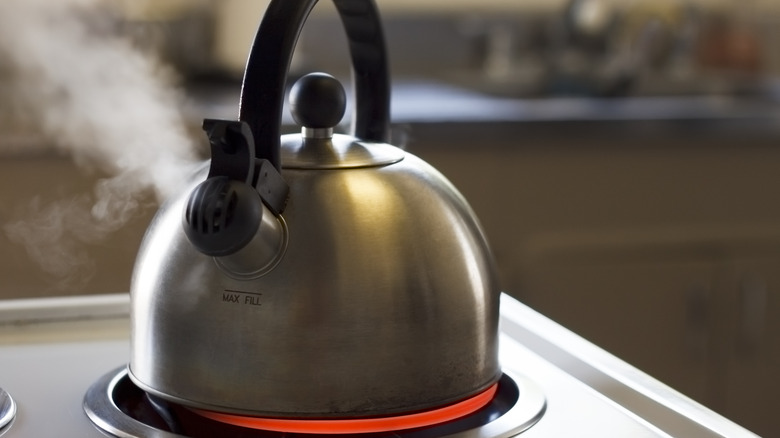
Kettles made with plastic are very easy to come by, and they're often pretty cheap, too. But surprise, surprise, research suggests they're far from the best option for our health. Studies have concluded that boiling water in plastic kettles could cause microplastics to leach into the water. That said, the level of microplastics is particularly high in new plastic kettles, and the amount tends to reduce over time. But contamination isn't the only thing to worry about with plastic kettles. They're also prone to scratches and cracks, which not only potentially affect the function, but also may trap bacteria.
Again, the good news is that there are, of course, many alternatives to plastic kettles out there. Stainless steel and glass kettles are both durable, safer alternatives, and both are naturally free of plastic chemicals and microplastics. A ceramic kettle is another great option, as ceramic is also very durable, sturdy, and nontoxic. Plus, all of these options will look sleek on your kitchen counter, too, which, let's be honest, certainly doesn't hurt when you're choosing new kitchenware.