

10 Mistakes You Should Avoid When Eating At Las Vegas Restaurants
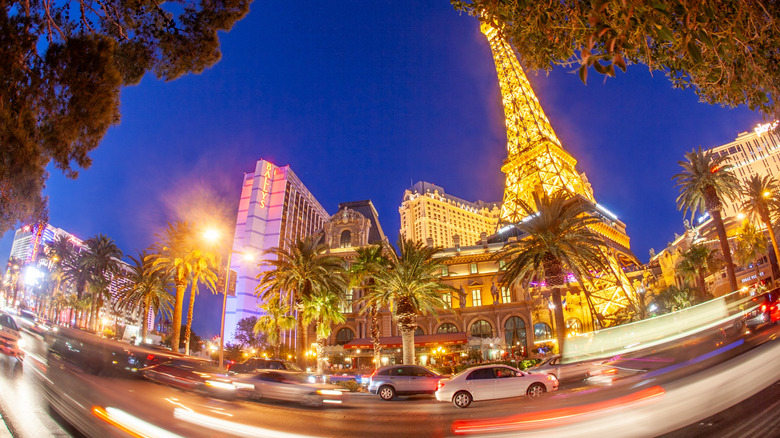
In Las Vegas, things always have a way of feeling like a production, and eating dinner is no exception. You're thinking: "I'm just going to grab a quick bite," and before you know it, you're juggling lines, prices, attire, and menus the size of encyclopedias. By the time the bill comes, you're wondering whether or not you're paying tuition.
The catch is, most of these problems aren't necessarily with the restaurants. In Las Vegas, there's great cuisine to indulge in. It's the little things, the it-can't-be-that-bad decisions, and the perceived casual vibe in a place that is most definitely not that can ruin the night's mood. Dining here is its own adventure. There are the celebrity restaurants where you fork out a princely sum to end up feeling like you're just eating at home. Then there's the completely normal neighborhood spots where you wouldn't be out of place in flip-flops, the buffets that look like they're going to be marathon feats, and the restaurants where the people-watching is better than the grub.
Consider this a friendly nudge from someone who has erred and, happily, lived to tell the tale. It only takes a little know-how and awareness, and suddenly, eating in Vegas becomes far less stressful and a whole heck of a lot more fun. This city will always find a way to part you from your cash — your dinner doesn't have to be one such regretful expense.
Dressing inappropriately for the restaurant

One of the most common and easily remediable mistakes that visitors make when traveling to Las Vegas is to arrive at dinner as if they're going for a late-night slice after a pool party. Vegas has an eclectic mix of environments; some places are completely cool with shorts and sneakers, but many of the nicer restaurants do require that customers make an effort to dress appropriately. It's really the smallest possible cost you'll ever have to pay if you want to avoid looking lost when the host raises an eyebrow and says: "Um, do you have a reservation?"
On the one end of the spectrum are restaurants like Joël Robuchon in the MGM Grand. A French restaurant with three Michelin stars, here, a jacket is a necessity for the meal, because food is just one part of the experience. Other fine dining establishments on the strip have adopted a more lax dress code policy, where the standard is a collared shirt and dress shoes for men, while for women, the attire is dresses or fancy sets.
The idea is not to make dinner feel like you're auditioning for the stage. Instead, think of it as a way to pay homage to those restaurants that invested in atmosphere and culinary talent. A good pair of trousers and a pressed shirt can be sufficient to carry you far into the Strip, but it's always best to check ahead of time.
Ignoring local (off-Strip) dining options
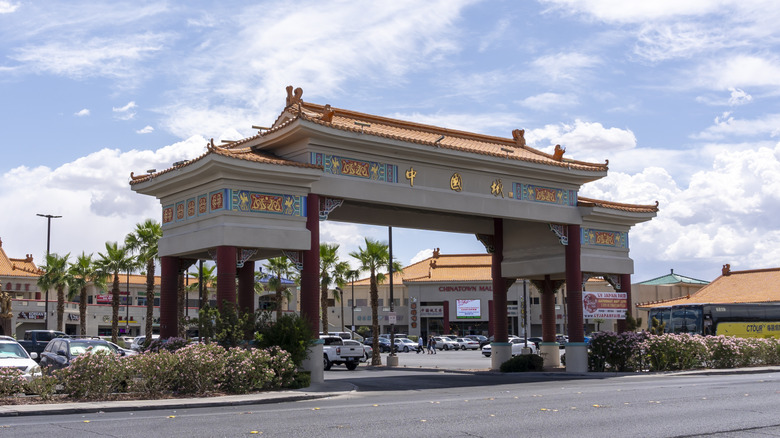
One of the biggest mistakes visitors make in Las Vegas is letting the Strip's neon glow blind them to the city's real dining scene. Yes, the casinos have their marquee restaurants and celebrity chef spots, but some of the most memorable meals aren't tucked behind those massive marquees — they're a short Uber ride (or an adventurous walk) into local neighborhoods.
Take Chinatown, for example — a three-mile swath of Spring Mountain Road that looks like any other strip mall corridor from the outside, yet hides one of the most vibrant and diverse culinary districts in America. Here you'll find more than 150 restaurants serving authentic Asian cuisine, from hand-pulled noodles and Sichuan spice bombs to delicate dessert spots and bubble tea shops that aren't trying to impress tourists at all. It's the kind of place where Strip chefs go on their nights off to eat, and where visitors reliably report that they've had the best meal of their trip.
Other tiny or tucked-away neighborhood hot spots include downtown or the Arts District, at restaurants such as Esther's Kitchen. This restaurant repurposed a warehouse into one of the city's most beloved Italian eateries, complete with house-made pasta and artisan breads, redefining what Vegas dining can be. Neglect the off-Strip options, and you're settling for what's convenient rather than what's delicious. So, do yourself a favor: Take that quick detour off the Boulevard to seek out the Las Vegas hidden gems.
Arriving during peak buffet hours
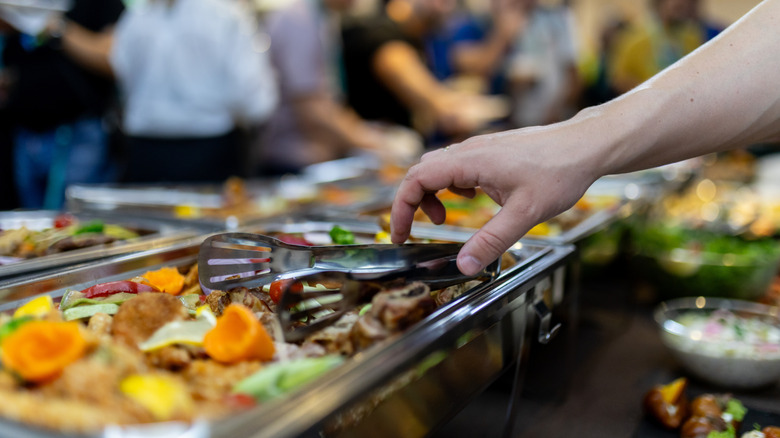
Visiting a famous Las Vegas buffet is sort of a rite of passage. They're Cirque du Soleil for your stomach, but with more shrimp and no sequins. Still, one of the most common blunders you can make in Vegas is walking up at the most inopportune moments — say, traditional dinner hours — and finding yourself stuck in a line like that of a roller coaster with no height restrictions. That's because some of the more popular Vegas buffets, like the Bacchanal Buffet at Caesars Palace, can tout some pretty serious wait times around dinner hour (6 to 8 p.m.). Lines can easily keep you waiting anywhere from 45 minutes to 1½ hours before you've even gotten your first plate.
Now, if you're comfortable with buffet yoga and wiggling through a crowd, then by all means — go ahead. But here's a trick: Try to get there when it's not so busy, like after lunch, or before the proverbial dinner bell has sounded. It's easier to get the food when it's not all reheated and mealy, and it's better when the buffet isn't flooded with customers.
Vegas is a busy town, and the buffets are part of the carnival. But by treating the trip to the buffet as a show you can get tickets to, with a little adjustment to your scheduling, you can wait a lot less and do a lot more eating. Who travels to Vegas to wait in line an hour for lunch?
Filling up on cheap carbs at buffets
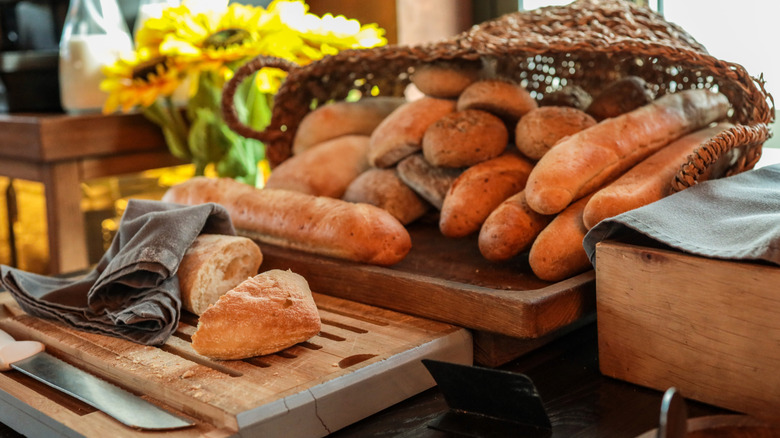
One of the sneakiest ways to sabotage your Vegas buffet adventure is exactly the thing that feels the most comforting — loading up your plate with cheap carbs before you even get a look at anything else. Pasta, mashed potatoes, rice pilaf, dinner rolls ... it's everywhere, it's familiar, and it's basically bait for your stomach. Here's the catch: Buffets lean on these starchy staples because they're inexpensive for the restaurant to provide and they'll fill you up fast, leaving less room for the fun stuff like crab legs, prime rib, or other premium bites you won't find every day.
Kick off your first round with the good, lighter stuff — such as seafood, sliced meats, salads, and any veggies that look good. This way, you aren't stuffed by the time you get to the heavier options. When it's time for the starches that you really want, serve them as a side dish rather than piling them on your plate and making them the main course.
What's the gentle hack here? Give yourself the quick tour first. Scope out what actually excites you. Be deliberate about just how much pasta or potatoes you're scooping up. You needn't skip carbs entirely, since they're part of the fun, but treating them like the backup dancers they are will help you enjoy your main dishes. Your Vegas experience will thank you.
Not making reservations in advance
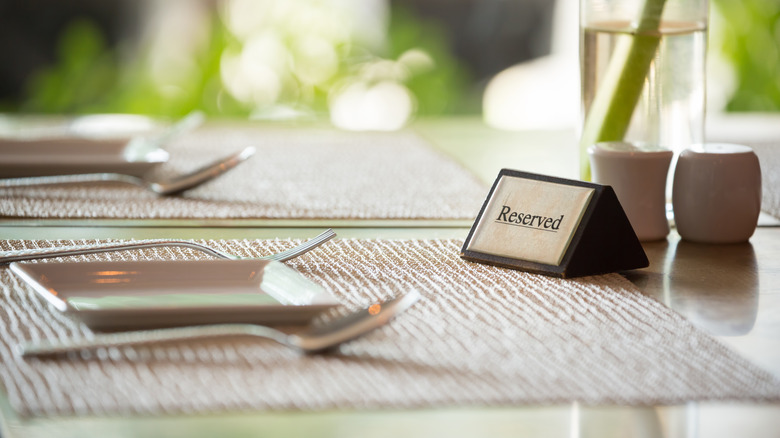
While Vegas is renowned for its spontaneity and adventures, dinner will rarely be the exception to the rule, and certainly not if you're seeking to enjoy dinner somewhere that's at least slightly out of the ordinary. Given the dozens of restaurants crammed into the few square miles of the strip, dinner reservations are in high demand, and people will wait weeks to get their hands on a table for a Saturday night.
Suppose you have your heart set on a desirable dinner destination on the Strip: maybe a trendy steakhouse, or a restaurant from a famous chef. You arrive around 7 p.m. with the expectation of a walk-in dinner, only to hear from the host: "We're booked solid." This is exactly what many tourists have found when they thought walk-in dinners were the standard operating practice in Vegas, maybe akin to expectation in their quaint hometown.
The good news is that waiting in line or calling ahead doesn't have to ruin the plan. Making a restaurant reservation is typically handled through a service like OpenTable or Resy, making it ridiculously easy to secure a spot in advance. You can even set reminders alerting you when a certain table opens, if you want one in particular. Unless you're perfectly content wandering around town, groaning loudly, and opting for plan B at a sports bar down the street, reservations are going to save you a ton of time and a whole lot of hangry regret later.
Not looking into cheap food options
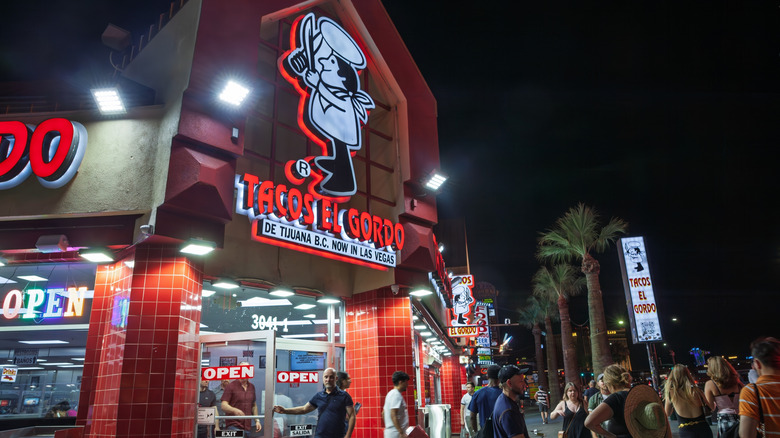
One of the funnier traps first-timers fall into in Vegas is assuming every meal has to be expensive. People seem to believe the city's culinary scene only exists in tuxedos and tasting menus. The truth is, Vegas has plenty of great food that won't make your wallet cry, but you've got to be willing to look for it instead of just wandering into the nearest flashy hotel restaurant. You'll quickly learn that even a slice of pizza can feel like a premium experience if you shift your focus away from traditional Strip dining.
For instance, eateries like Tacos El Gordo are famous for their Tijuana-style tacos, which sometimes cost only a few bucks per piece. If you're after something to eat like pizza and sandwiches, you can dine at Dom DeMarco's or Earl of Sandwich, where you're sure to have an excellent Las Vegas Strip meal for under $20. Even the affordable food court eateries at the various gaming casinos, such as the Linq Promenade, are not to be missed.
At the same time, if you're willing to meander a few blocks away from the strip, options range from inexpensive bowls of ramen noodles and pho to tacos and burgers that are unmistakably Las Vegas without the price to match. The point is that, when it comes to good eats and saving money in Las Vegas, you just have to change your perspective.
Getting roped into expensive upgrades

One of the easiest ways to blow your Vegas dining budget without even noticing is getting roped into the upsell. Buffets, steakhouses, and even casual spots all have little ways of nudging you toward something pricier. Maybe it's the lobster tail that doubles the price of your meal, the premium side that wasn't really necessary, or the wine pairing that sounds fancy but will haunt your credit card later. Servers aren't villains; it's just part of the Vegas dining rhythm, and it happens to everyone — especially when the menu feels like it's daring you to spend more.
The trick is staying aware without feeling rude. If a server asks if you'd like to add a steak upgrade or extra side, it's okay to pause, glance at your appetite and your budget, and say, "not this time." It sounds simple, but in the moment (under the soft lights, with a perfectly arranged plate in front of you) it can be surprisingly hard to resist.
Another tip is to scope out the menu first (a common pattern, if you've noticed). Some of the upgrades might actually be worth it if you're really craving something, but most of the time, they're just extra carbs, extra sauces, and an unnecessary bump to your total. Remember: Vegas restaurants know their audience. If you're excited, you're more likely to say yes. Take a deep breath and say no to the things you don't really want.
Not researching menu prices in advance

Vegas has this way of turning simple meals into substantial feasts. This can wreak havoc on your wallet, but the easiest way to not go over budget is to look up the menu to avoid surprises. While in Vegas, it's not uncommon to walk into a restaurant expecting standard prices — $20 for pasta, $30 for steak — only to find entrées priced closer to $50. Even the moderately-priced diners that hide menu prices online can sometimes feature surge pricing, which is the practice of raising prices based on demand or supply.
Checking out menu prices beforehand is not about being frugal; it's about avoiding an unpleasant surprise when you're trying to enjoy a night out. Some restaurants post their menus with pricing, but many in Vegas do not. To bypass this feature, use various review forums to find the general customer sentiments regarding pricing. This way, you can find out if certain dishes are subject to surge pricing, or whether that restaurant is nothing more than a pretty setting for a good picture.
Looking over menu prices ahead of time is also helpful in planning where you'll go in the first place. Perhaps you're budgeting a fancy dinner experience and a bougie lunch session, but don't want to completely waste the budget on just one meal. With knowledge of menu pricing in advance, you can focus on the fun aspects, whether eating, people watching, or just soaking in the vibes of Vegas.
Missing late-night dining culture
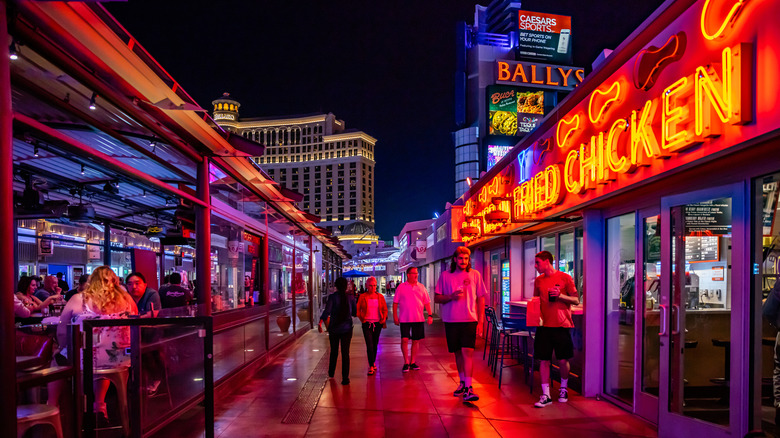
Vegas never sleeps, and many of its culinary options are always open, too. Here, your lack of experience with late-night food culture in the city can be expensive, as in, you can miss out on some amazing spots. The Strip, Downtown, and even the surrounding areas outside the main roads are filled with eateries that are open long after midnight, dishing out anything and everything. And for those accustomed to the 6-to-9 dinner schedule, there's a world to be discovered.
Late-night eating in Vegas is more than just refueling for the next day or after a show and some gaming action. Late-night eating is an entire scene in and of itself. Think sushi bars, taco trucks, and 24-hour diners as the go-to nighttime destinations, when the crowd dissipates and the lights shine brighter. That's when you can observe the chefs tweaking specials and the mixologists pairing the ideal after-hours bites.
The trick, of course, is to pay attention to the hours and the menus. Some restaurants stay open late enough to dish out the regular menu favorites, but others offer the specialties that are only served late into the night. Skipping out on this aspect of culture would mean missing an opportunity to experience the Vegas way of life by dining like the locals, enjoying the quiet restaurants, and possibly finding a dish that will end up being the best part of the trip.
Falling for tourist trap restaurants
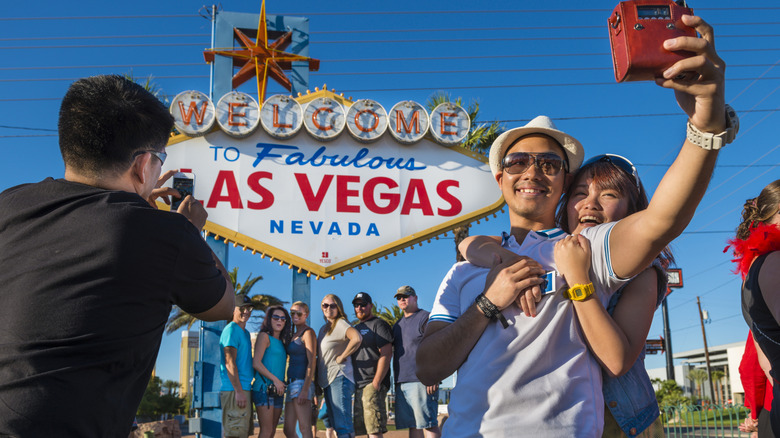
Las Vegas has a reputation for over-the-top experiences, and unfortunately, that includes more than its fair share of eating establishments that are all flash and little substance. Simply going into a restaurant because it has a big sign on the Strip or because there's a celebrity chef associated with it is a recipe for falling prey to the infamous restaurant tourist trap.
The problem is, some of these eateries look amazing on the outside. Expect glamorous décor, a lengthy menu, and an overeager staff that caters to your every need, as if you're a visiting royal. But the dinner bills will serve a gut punch, along with the possibility that the food on the plate doesn't even measure up to the fine china it's on, let alone the wallop on your wallet after you paid twice the amount you would down the block. A perfect example would be walking into an eatery you recently saw on TV or in a film.
The simplest way to avoid these pitfalls is to take your time before you choose a restaurant. Look up reviews that have appeared in actual Vegas publications highlighting eateries that locals are favoring, then see what locals actually eat, rather than what's hollering at you off the sidewalk. If an establishment is leaning into photo op possibilities rather than culinary experience (oversized cocktails, themed restaurants, over-the-top signs), then this is likely an indication you're dealing with a Vegas tourist trap.