

Mexican Restaurant Employees Hate When You Order Something Like This
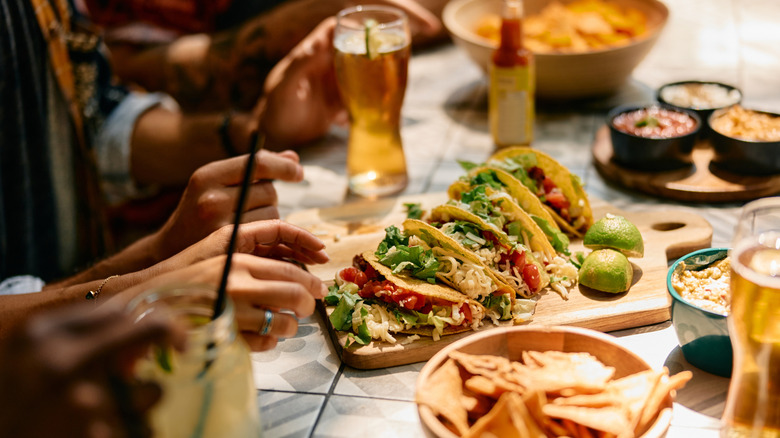
The customer may always be right, but some Mexican restaurant employees think there are certain exceptions. Who better to speak with about ordering faux pas than a Mexican restaurant owner? We spoke with Erasmo Casiano, chef and owner of Lucina and Xiquita in Denver about what not to order at a Mexican restaurant. Chef Casiano advises customers against ordering a dish "extra spicy."
Chilies are a native crop used prolifically throughout Mexican cuisine. "Spice is about awakening the palate, not overpowering," Casiano explains. "I like to layer chilies for flavor first, then adjust heat so it sharpens the palate and lets citrus, fats, and herbs come through clearly." Mexican food's complexity is one of the main reasons it's globally acclaimed. Overwhelming the palate with spice will drown out all the other flavors a dish has to offer. "I treat spice as a tool for balance," he continues. "Heat should lift the creaminess of seeds or squash, highlight acidity, and give clarity to the sauce — it's never just about fire."
He gives an example of too much spice ruining a dish like a Tamal Oaxaqueno, a banana leaf wrapped corn tamale in which, "the focus is on the subtle banana leaf steamed nixtamal." Overloading on spice would also disturb the harmony of flavors in a complex sauce like mole, masking the bitterness of chocolate, richness of nuts, and sweetness from dried fruit.
How spice lovers should order Mexican dishes
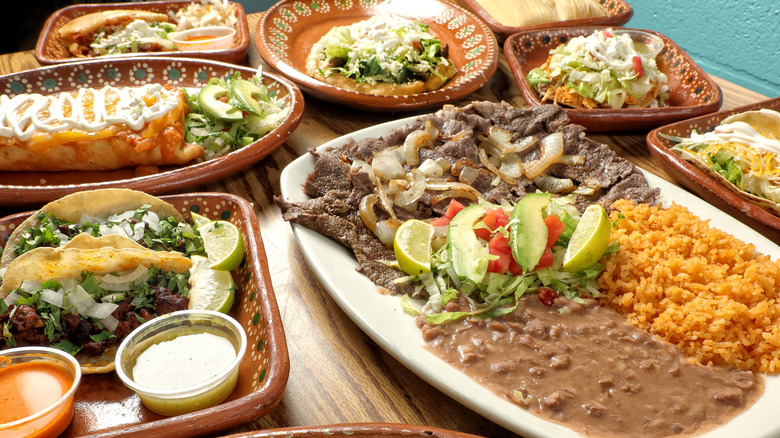
If you are a heat lover, the trick isn't to order a dish extra spicy, but instead knowing what the hottest menu items are. Mexican cuisine is full of dishes that deliberately pack a punch of heat and spice. "Heat levels differ all throughout Mexico," says Casiano, "some dishes have a gentle warmth, like that found on our Sikil Pak Tostada with that warmth coming from our nutty Salsa Macha." Sikil Pak is a Yucatecan dip made with pumpkin seeds, aromatics, and herbs that a spicy and garlicky salsa macha would complement without overpowering.
Of course, salsa macha is one of countless types of salsas. In fact, the sign of a good Mexican restaurant is their selection of housemade salsas. Different salsas have different heat levels, which according to Casiano, gives guests the freedom to "choose their comfort level while still experiencing authentic flavors." The salsas themselves offer ways to spice up dishes like enchiladas. You can look for descriptions of the salsas on Mexican menus or ask your server which salsa is the spiciest when deciding which enchilada you want to order. You can also request a side of spicy salsa to accompany a plate of tacos. As for menu items that are inherently spicy, you can look out for ingredients like chile de arbol, habanero, and chipotle. Aguachile, Cochinita Pibil and camarones a la diabla are all dishes that'll make you sweat.