

9 Foods With More Iron Than A Handful Of Spinach
We may receive a commission on purchases made from links.
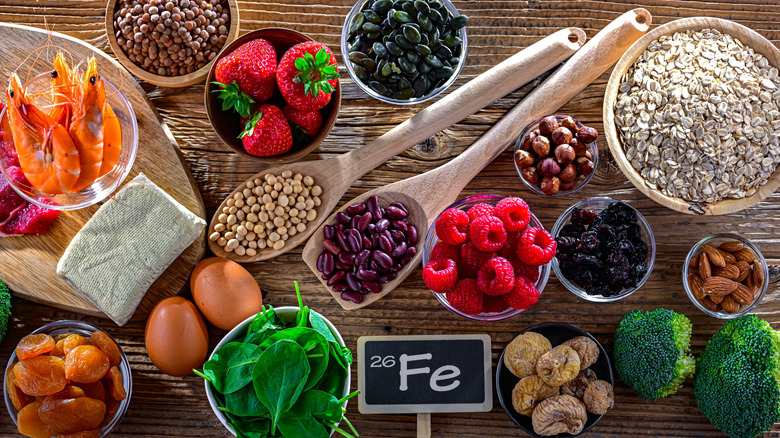
Whoever has been behind promoting spinach has done a great job. Even if you didn't grow up watching Popeye, spinach has become inexorably linked with a high iron content. Spinach is rich in iron, with a large handful of leaves (around 100 grams) providing 2.7 mg of iron.
The Food and Nutrition Board recommends a daily iron goal of 8 mg for men and 18 mg for women. If you're a man who likes spinach, this goal is going to be very easy to hit. But as you go through the day, there are plenty of other foods you can eat to boost your iron content — and some have even more iron than spinach.
Combining different sources of iron, rather than just trying new spinach recipes, can also be beneficial for efficient absorption. Iron comes in two forms, heme (from animal sources) and non-heme (from plant sources). Heme iron, found in beef and other proteins, is more easily absorbed by the body than non-heme iron, but eating the two together can increase the amount of usable iron in the non-heme source, such as spinach.
You can also increase your absorption of iron by pairing it with foods that are high in vitamin C or vitamin A. So check out this list of iron-rich foods, and you'll have more ways to combine ingredients and hit your daily iron goals.
Quinoa
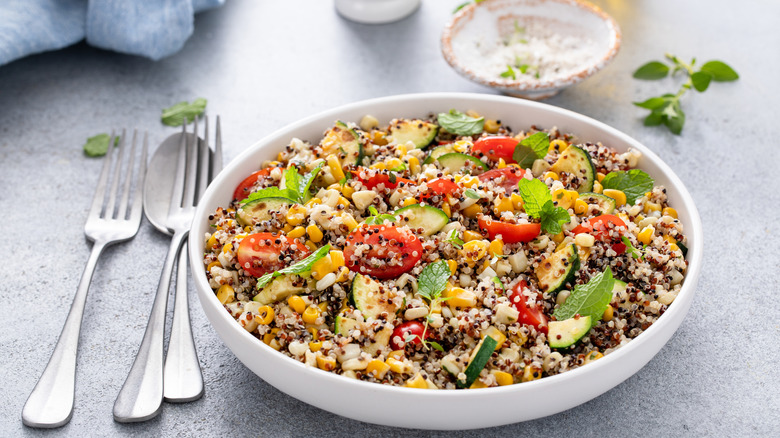
Regardless of whether you think quinoa is overhyped, there's no denying it has some pretty impressive nutrition stats. Quinoa is a superfood with fiber, protein, and antioxidants, but it's rich in vitamins and minerals too. With 2.8 mg of iron per cooked cup, it's an easy swap to add extra iron to your meal. Trade white rice for quinoa in a fried rice recipe for more than three times the iron.
Dark chocolate
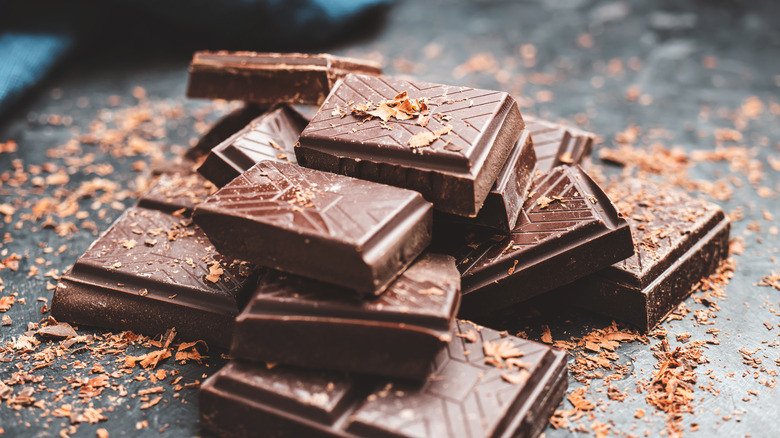
Dark chocolate is a tasty source of iron. The iron content increases with the percentage of cocoa, but even lighter dark chocolate from grocery store bars with 50% cocoa have 2.7 mg of iron per ounce. Opt for the serious stuff with over 70% cocoa, and you'll get 3.4 mg of iron in every ounce. Pair it with vitamin-C-packed strawberries and you have a delicious way to get the most out of it.
Sesame seeds
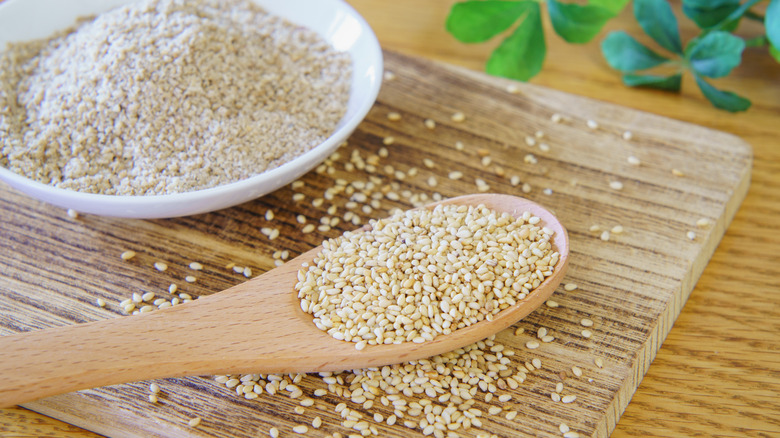
If you're thinking the sprinkling of sesame seeds on your burger bun can't possibly help you reach your iron goals, you're probably right. But sesame seeds have plenty of creative uses, from spicy sesame beef and a coating for fish to the key ingredient in sesame brittle candy. If you reach the recommended serving size of 3 tablespoons (1 ounce) of sesame seeds, you'll be getting a respectable 4 mg of iron.
Instant oatmeal
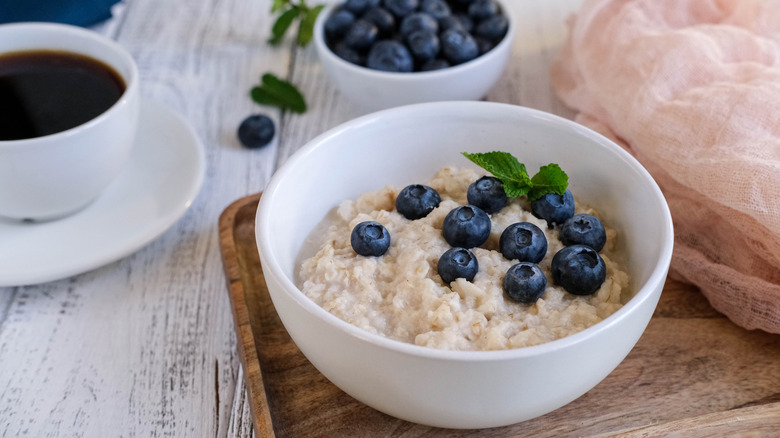
If the thought of spinach for breakfast doesn't fill you with enthusiasm, you still have options to up your morning iron intake. While old-fashioned oats contain a modest 2.1 mg of iron per cooked cup, instant oatmeal is often fortified with iron. Check the ingredients and nutritional value. and you could end up with 13.8 mg per cup – even a smaller portion packet of this Quaker Instant Oatmeal contains 8 mg of iron.
Beef
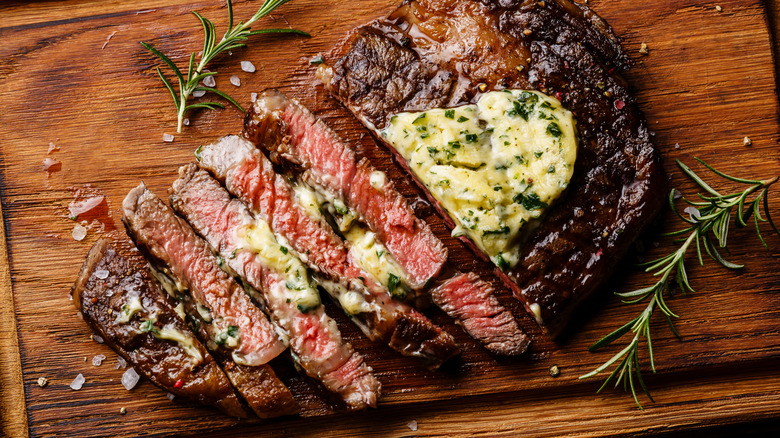
It might surprise you that beef has a slightly lower iron content than spinach, with 2.6 mg per 100 grams. Still, a standard portion of steak clocks in at about 8 ounces. So order up that steak frites and it will give you 6 mg of iron, depending on the cut of steak.
Liver
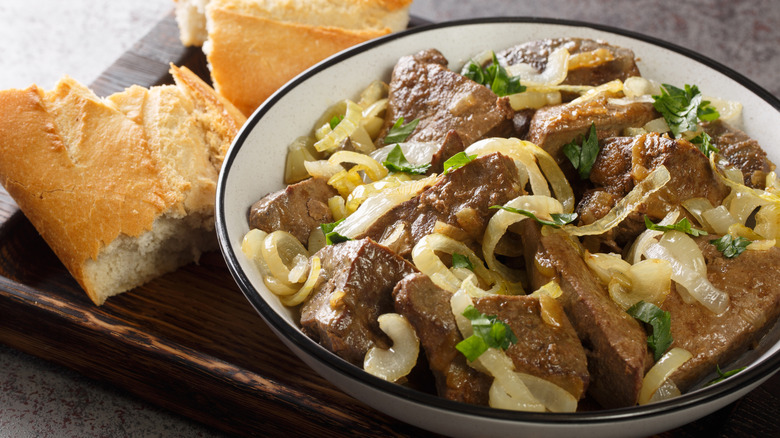
Liver might have fallen out of favor, but it seems those old-fashioned recipes were on to something. A classic dish of liver and onions was about ensuring all the parts of the animal were eaten and getting all of the nutrients out of it. Beef liver contains 4.9 mg of iron per 100 grams (approximately 3.5 ounces), specifically heme iron which is easy for the body to absorb. Liver is also one of the best sources of vitamin A, which helps with immune function and low-light vision.
Legumes
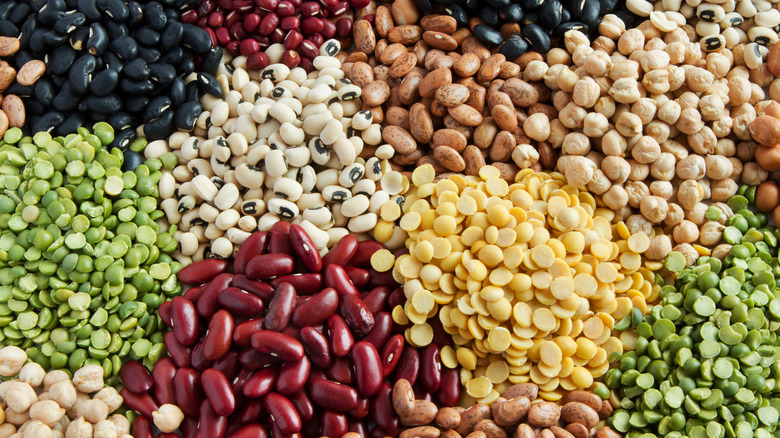
Anyone on a plant-based diet knows legumes are filling, full of protein, and a good source of iron. A cup of cooked lentils, which make delightful vegetarian meatballs, provides 6.6 mg of iron. A cup of white beans has the same 6.6 mg and is perfect for bulking up soups and salads. If you like beans in chili, you'll be glad that a cup of cooked kidney beans packs 5.2 mg of iron.
Tofu
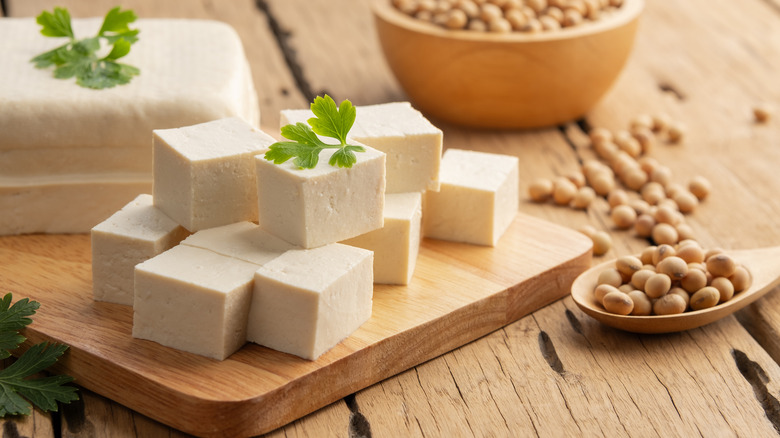
Since legumes, including soy beans, are packed with iron, it makes perfect sense that tofu is a great source too. A half-cup of tofu offers 6.6 mg of iron and is perhaps even more versatile than a cup of beans. Whether as a meat substitute in this General Tso's baked tofu recipe or as classic Agedashi tofu, tofu is high-protein, low-fat way to up your iron intake.
Shellfish
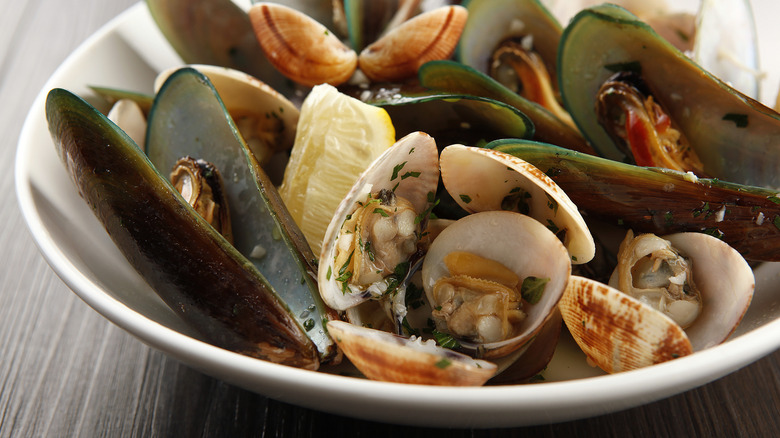
Red meat might get all the glory when it comes to iron-rich foods, but shellfish can be a much better option for upping iron intake, and you don't need to eat it in large quantities. Just three oysters have 6.9 mg of iron, and a 3-ounce serving of mussels has 5.7 mg of iron. Using canned clams to make chowder can add around 30 mg of iron per 100 grams of clams as well.