

Keep These Cooking Liquids In Your Freezer — You'll Thank Yourself Later
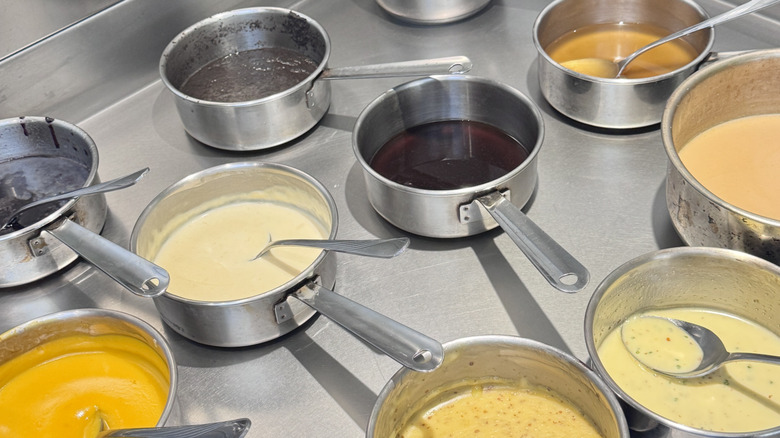
The liquid left behind in a braise or roasting pan might look like kitchen runoff, but it's actually the most valuable thing in the pot. It's a byproduct, but it's also the distillation of everything that went right: the browned sugars, the melted collagen, the citrus peel you zested, the herb stems that were full of flavor. Throwing it out is basically emptying your wallet into the sink. Freezing it, on the other hand, is banking well-developed flavor for a night when your will to cook is weak. Most sauces and braising liquids are variations on the same theme: time plus heat, plus connective tissue, and maybe a little wine. As tendons and muscles soften, gelatin dissolves into the liquid, aromatics break down, wine reduces, and fat-soluble flavors bloom. Each ingredient contributes something to the deeper meaning, and none of that will degrade when frozen.
Gelatin holds structure even after a long freeze, so once thawed, the sauce snaps back to its original form — with a little whisking sometimes required. The high salt, fat, and acid that comprise sauces all slow down the flavor-dulling effects of oxygen, which means a frozen cube of lamb jus or chicken demi glace six weeks from now will taste almost indistinguishable from the batch that perfumed your kitchen today. It's a delicious time capsule, preserving all the patient hours you already put in. Future you — that tired, underfed person staring listlessly into the void of a fridge full of raw ingredients — will thank the past version of you who slid a few labeled bags or reused deli containers into the freezer.
Recycled reduction
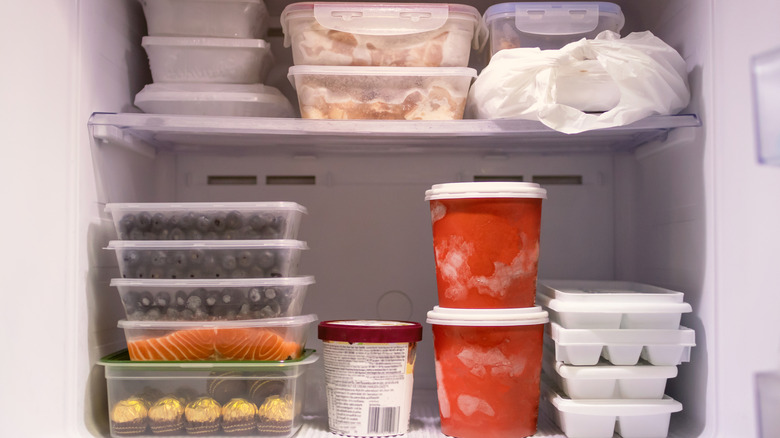
There's really nothing to freezing these liquids. When you've finished roasting or braising, strain the liquid, chill it, and, if one formed, lift off the fat cap, which you can keep and use it for frying eggs, quesadillas, or veggies, to stretch the meal's flavor even more. You can even make a quick pan sauce by deglazing your pan with a little wine and retaining the liquid, which saves time and elbow grease when it comes time for washing up, and ensures none of the delicious browned bits go to waste. A little cube of that can be added to a would-be struggle meal, such as instant ramen or reheated leftovers, instantly enriching and elevating the simple dish with zero effort.
Freeze the sauce however your kitchen brain works best. Ice cube trays make tidy little portions, good for stronger-tasting sauces you'll need smaller portions of, while silicone molds make generous ones. Be aware that sauces can and will impart their flavors into whatever reusable container you use, so don't use your drinking-water ice cube trays for this. A resealable plastic bag laid flat gives you a thin sheet you can snap into shards later, and it's very stackable. Labeling is crucial, because if you can't discern what the bag of mystery slop is six months after you stored it, you won't use it, and all this thoughtfulness will have gone to waste, so always include the name of the food and the date.
You can also freeze the "after" liquid from carnitas, birria, short ribs, roast chicken, roasted mushrooms, basically any savory bath that ends up richer than it started. To use, just drop a cube into a hot pan and let it melt into whatever you're making.