

8 Ingredients That Fix Bitter Tea In A Pinch
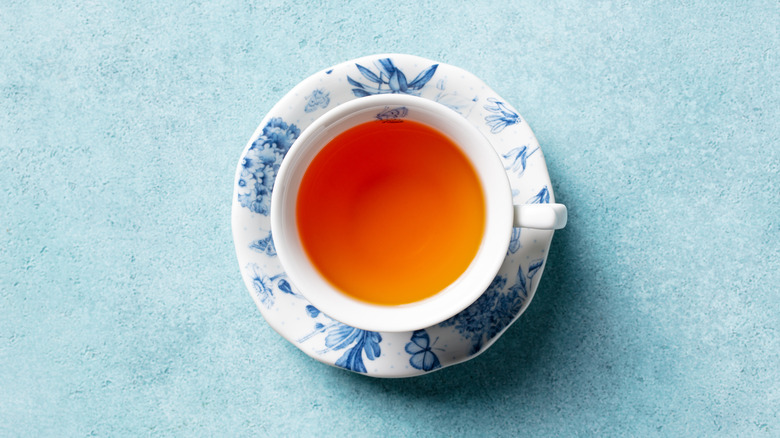
Have you ever brewed a cup of tea and only after taking a sip realized that it was way, way too bitter? You don't want to under-steep your tea, of course, as this makes for a watery cup, but bitter tea can be downright unpleasant. There are several reasons this can happen. For example, using low-quality tea, steeping the tea too long, using water that's too hot, or using water that just doesn't taste that good can make for a bitter cup of tea. Upon tasting a particularly harsh tea, you may assume that you have to throw the whole batch out and start fresh. In reality, though, there are ways to save it and make it taste even better than it otherwise might have.
There are several ingredients — many of which you probably already have in your kitchen — that can make bitter tea drinkable again. From sweet ingredients to ones that pack a punch of acidity, this list will ensure that you'll never have to sip on a bitter cup of tea again.
Sugar
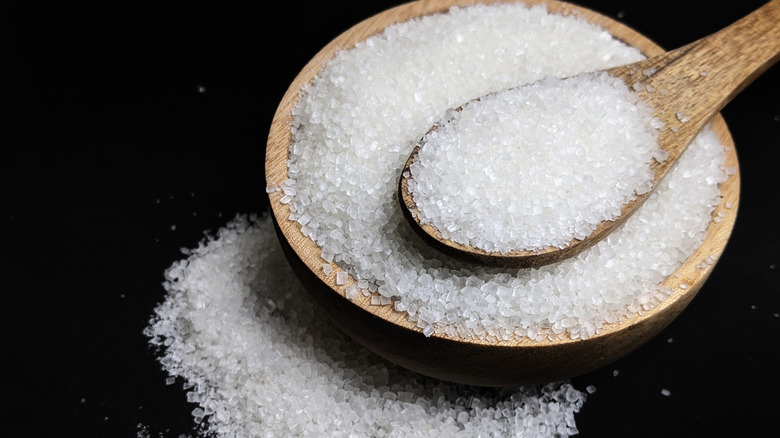
If there's one go-to ingredient for fixing bitter tea (or bitter anything, really), it has to be sugar. There's a reason why so many people add sugar to their tea and coffee — two notoriously bitter beverages, largely thanks to their caffeine content — and why you might find a cube of sugar or two alongside your cup when you order from your favorite teahouse or coffee shop. Sugar reduces bitterness, which makes it a great option when you've over-steeped or otherwise made your tea too bitter.
It's not that the sugar masks the bitter flavor. Rather, it actually alters the molecular structure of your drink as a whole. When water, caffeine, and sugar all come together, the caffeine molecules will clump together, which means our taste buds pick up on them less when we take a sip. But if you're trying to make a good cup of tea, the scientific details aren't relevant — keep in mind that even a pinch of sugar can transform the way your tea tastes.
Lemon juice
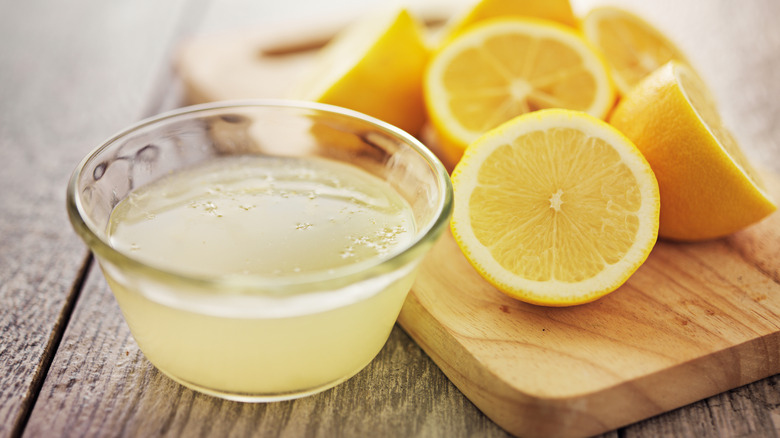
Trying to reduce the bitterness of your tea, but don't want to actually add any sweetness to your drink? It may seem like a quandary, but lemon juice is another common ingredient that can work just as well without making your tea too sweet. It can create a balanced cup with a small drizzle of liquid. The acidity in the lemon juice will reduce the flavor of bitterness, while adding a bright zing of flavor that can be nice in many types of tea (especially herbal tea).
In fact, you may have seen people putting whole slices of lemon in their tea. Although this will have some of the same effect as using lemon juice, the bitterness of the peel can potentially make the bitterness in the tea worse. Therefore, we think it's best to stick with the lemon juice itself instead. If you don't have any lemon juice on hand, lime juice from a single lime could also work.
Agave syrup
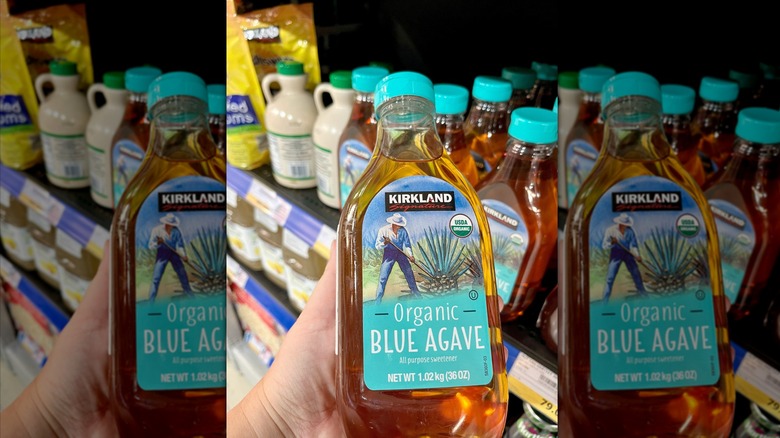
A lot of tea lovers will find that adding sweetness to their bitter tea is the way to reduce those unpleasant flavor notes. However, not everyone wants to use plain sugar. Luckily, there are plenty of sweetener alternatives out there, some of which pack some flavor complexity instead of just offering sweetness. Agave syrup is one of those ingredients. You'll likely find it near the honey at your local grocery store, and it comes in different grades.
If you're looking for a syrupy sugar replacement that tastes relatively neutral, raw agave syrup is a great option. However, amber agave offers a richer, more complex flavor, more reminiscent of honey. We think that these two are the best options for fixing bitter tea. If you've never used agave syrup before, keep in mind that it's a bit thinner than honey, which might make it easier to stir into your hot cup of tea. Regardless of which type of agave you use in your cup, it's sure to fix that bitterness in a pinch.
Citrus zest
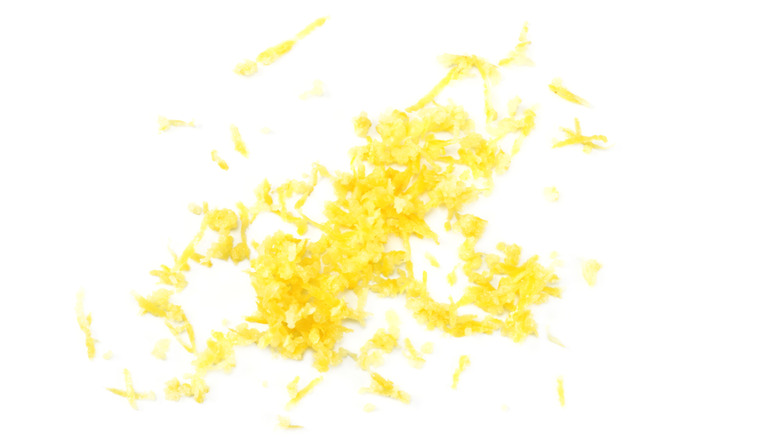
We've already talked about the fact that lemon can work wonders in reducing the bitterness in tea, but if you want a more intense citrusy flavor in your cup while simultaneously tamping down that bitterness, you might want to use lemon zest, either in addition to, or instead of, lemon juice. Lime, lemon juice, and lemon zest have a bright, zingy acidity that can distract from the bitterness in your cup. Take a zester and carefully add some of the yellow part of the skin to your cup. Make sure to taste as you go, because a little lemon zest can go a long way.
That being said, avoid including any of the pith, or the white part, of the lemon. This part of the fruit is also quite bitter, negating the bitterness-reducing effect. Try zesting other types of citrus, like lime or orange, for a slightly different flavor profile.
Milk
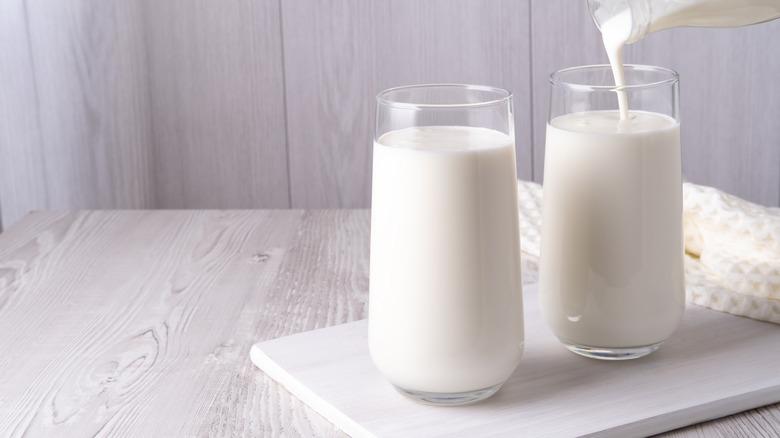
If you're from the U.K., then the idea of adding milk to tea isn't just acceptable — it's expected. On the other side of the pond, though (and in many other places around the world), milk is an optional addition to a cup of tea. Not only does it provide the beverage with some richness, making it more substantial, but it also mellows the flavor of the tea by cutting some of its bitterness.
You can use a variety of different types of milk to reduce the bitterness of your tea. If you want to go for a more classic flavor, opt for whole milk, which has enough fattiness to make for a rich and creamy cup with barely any bitterness at all. Lighter alternatives, like coconut milk and almond milk, can also pair well with many different tea varieties. However, keep in mind that not all tea, like green tea, will taste particularly good with milk. Black tea, chai masala, and even oolong are some of the varieties that taste best with milk.
Maple syrup
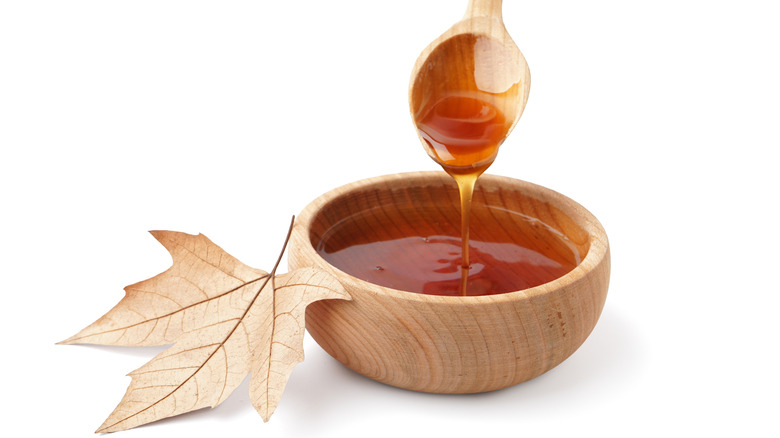
Want a liquid sweetener that will add more depth and complexity than agave? Transform your cup of tea into what feels like a seasonal specialty while simultaneously reducing bitterness in your cup of tea with maple syrup – it may be the ingredient you're looking for. Maple syrup is known for its rich, caramel notes, which we think can be even more interesting than other tea sweeteners like honey. You might also pick up on notes of nuttiness, with undertones of molasses, nutmeg, and even some floral notes.
You can incorporate maple syrup into iced teas for an unconventional choice on a hot day or opt for a richer cup of black tea with both milk and maple syrup. Because maple syrup is so high in sugar, it will blot out some of that bitterness in the process. It may not be the first ingredient you think of when it comes to preparing tea, but it's absolutely worth a try if you want to try something new.
Fresh or frozen fruit
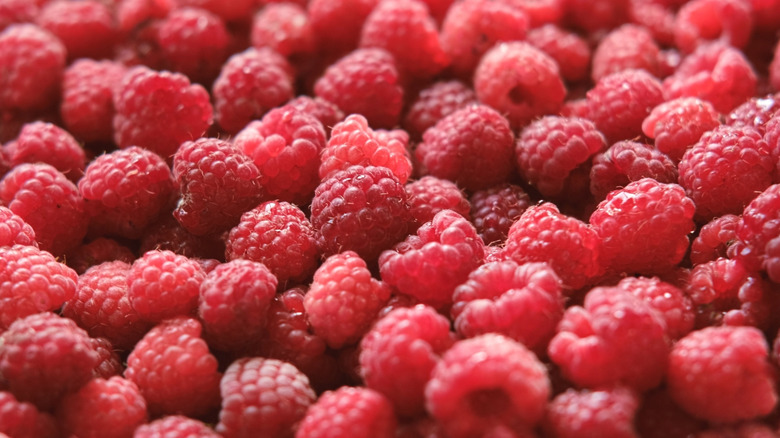
Sweetness, which reduces bitterness in tea, can be found in so many different ingredients. If you're looking for a lighter sweetener that will infuse your tea with even more flavor, consider adding some fresh or frozen fruit to the mix. It may not be the most common way to add sugar to your tea, but we like the subtle sweetness it can offer some types of tea — particularly green tea, which can often be somewhat bitter. We've already talked about lemon, of course, but berries can also be a nice addition to your drink. Try halved cherries for a tart iced tea, or use overripe stone fruits to really focus on a more intense sweetness.
When you're adding fruit to your tea, there are a couple of methods you can use. For cold-brewed tea, simply place the fruit into the vessel in which you're steeping the tea, and wait for several hours before serving. When making hot tea, pour boiling water over the fruit to help release its juices, then steep your tea once it's cooled down a bit.
Salt
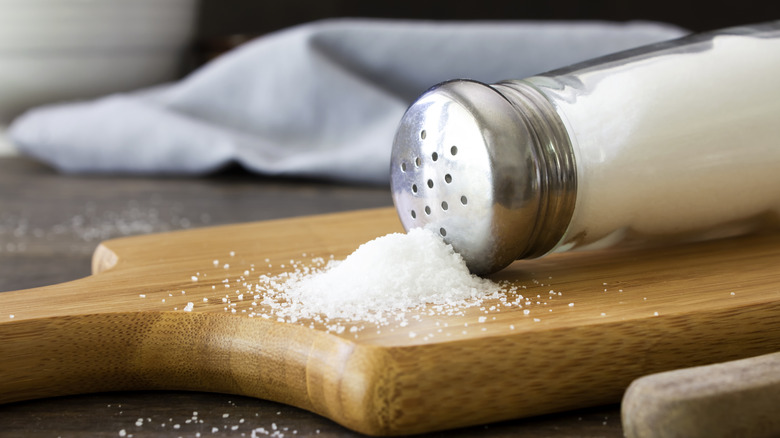
All of the ingredients we've mentioned on this list can be delicious additions to your tea, but let's face it: They're all going to alter the way your tea tastes pretty drastically. Whether they're making your tea sweeter or they're actually infusing it with a lot of extra flavor, none of them are ideal if you're looking for a plain, straight-up cup of tea. Well, if you're trying to add the least amount of flavor possible while still balancing out that unpleasant bitterness in your tea, you might want to turn to salt.
Salt actually reduces bitter flavors, so it's a perfect solution for pungent tea. However, you'll want to be careful about how much salt you're adding to your cup. Use only a pinch for the best results. Otherwise, your tea is likely to taste noticeably salty, which may even be worse than the bitterness you were trying to fix.