

The Major Frozen Vegetable Recall That Landed Consumers In The Hospital (And Claimed Three Lives)
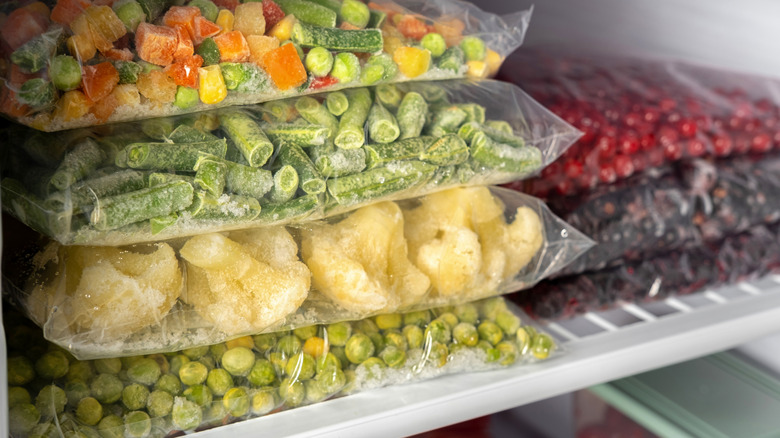
Maybe that head of lettuce has been in the fridge too long and needs to be thrown out. On the other hand, packs of vegetables stored on-ice in the freezer are built to last the long haul. They won't hurt you, right? While it's true that frozen, commercially-packaged vegetables typically boast -long shelf lives, things can (and often do) go wrong in the world of industrial food manufacturing. Such was a case with one harrowing 2016 frozen vegetable recall that resulted in three deaths and nine hospitalizations across four states.
On April 23, 2016, CRF Frozen Foods recalled 47 million pounds of frozen vegetables and fruits due to possible listeria contamination. The recall initially affected 11 frozen produce products, then expanded on May 2 to encompass the food-giant's entire portfolio of "all organic and traditional frozen vegetable and fruit products processed in its Pasco, Washington facility since May 1, 2014," according to an official report by the CDC. Epidemiologists were able to compare samples of the listeria that made people ill with the listeria strains found in the frozen vegetable products, finding that the bacteria were genetically similar. Rapidly, 358 products under 42 different brand names were pulled from grocery retailers (including Kroger, Piggly Wiggly, Costco, Trader Joe's, Target, Hy-Vee, Meijer, and more), but not before a dire degree of harmful bacteria had already been distributed to an unknowing public. Perhaps worse, the contaminated products were in circulation unidentified for nearly two years (since 2014) before the recall was issued.
47 million pounds of listeria-contaminated frozen produce rocked consumer trust in 2016
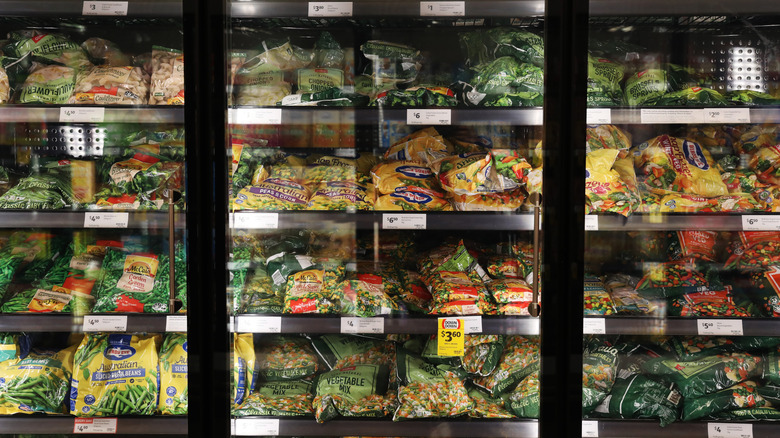
While many people can recover from listeriosis at home without medical intervention or antibiotics, the effects can range from unpleasant to life-threatening. Common symptoms include fever, headache, vomiting, and indigestion, but complications like inflammation of the brain or spinal cord, seizures, and sepsis can make listeriosis a grave danger. Still, ingesting listeria bacteria is most frequently associated with foods like chilled deli meats, raw fish, unwashed fresh produce, and unpasteurized dairy products — not frozen vegetables. However, the 2016 mass outbreak is thought to have lasted longer due to frozen produce's long shelf life (i.e. shoppers might have eaten the contaminated food right away, or not until months down the line). The affected products were distributed to all 50 U.S. states, Mexico, and Canada.
We'd love to report that times have changed dramatically since 2016, but recurring food safety issues continue and their impact on consumers have become more severe. According to a 2025 report by U.S. Public Interest Research Group (PIRG), food recalls related to listeria, salmonella, and E. coli increased by a whopping 41% from 2023 to 2024. Over the same period, hospitalizations and deaths caused by the ingestion of recalled, contaminated foods doubled. As for the 2016 recall, when the CDC investigation closed in July, the organization said that it was unable to conclusively determine that CRF's initially-suspected Pasco facility was even the source of the outbreak (how reassuring).