

5 Old-School Sodas You Don't See Anymore

We may receive a commission on purchases made from links.
Take a look at the dizzying variety of drinks at your local supermarket and you'll think there must be something available to quench anyone's soda craving. Sadly, this isn't so, as many long-time pop drinkers yearn for products that vanished from shelves decades ago, leaving fans with an un-scratchable itch. We dug deep into soda history and found some old-fashioned beverages that deserve to have a light shed on them once again.
In conversations about popular drinks that have disappeared from store shelves, relatively recent products like Crystal Pepsi or the short-lived '90s drink OK Soda are usually brought up, but niche sodas from brands of the 1940s to '70s are left in the dust. This is a crying shame, as some of these historic sodas pioneered industry trends that are still going strong, such as zero-calorie diet drinks. Others were not quite as unique and didn't manage to stand out, but have a special place in the hearts of customers who enjoyed them from debut to discontinuation.
From quirky Disney-themed beverages to a once-beloved cola that couldn't compete with Coke, we've rounded up five vintage brands that deserve more recognition, even if customers may never see them for sale again. Whether you have fond memories of these long-gone treats or have never heard of them before, you might find yourself wishing you could get a taste.
Donald Duck Soft Drinks
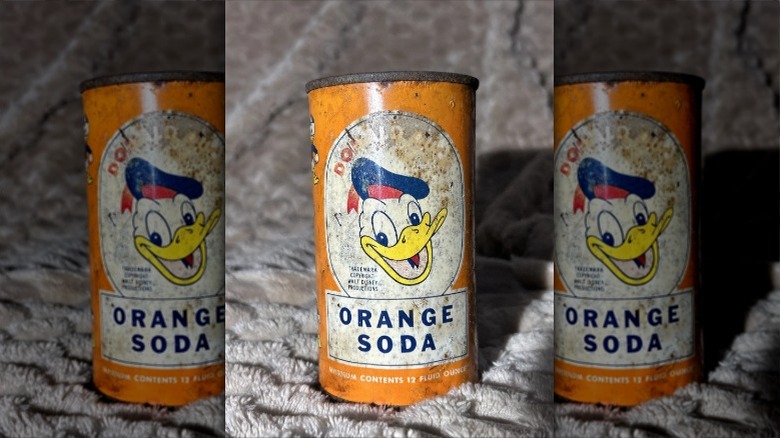
These days, Disney-obsessed kids can enjoy countless food and drink items themed around their favorite characters, but Donald Duck Soft Drinks are one treat that no one can get their hands on anymore. The story of Donald's very own soda line begins in 1940, when citrus processing company Citrus World Inc. struck a licensing deal with Disney to create a Donald Duck-branded frozen orange juice concentrate. The product took off, and a spinoff line of soda debuted in 1952, produced by Chattanooga, Tennessee-based company General Beverages, Inc.
Donald Duck Soft Drinks came in a wide range of flavors, including cola, lime cola, lemon lime, ginger ale, orange, root beer, strawberry, black cherry, grape, and "imitation" black cherry and grape. The sodas were sold in pop-tab cans and glass bottles, but also in "cone-top" cans, a beverage packaging innovation developed in 1935. These metal cans had narrowed necks with a screw cap at the top. All variants of the soda featured a portrait of the smiling Donald Duck, sure to catch the eyes of thirsty kids.
The original Donald Duck orange juice concentrate remained fairly popular until it was discontinued in 1998, and today, you can buy newer fruit juices themed around the character. Unfortunately, the soft drinks met a more abrupt end — they were discontinued in 1955 after just three years on shelves.
Like Cola
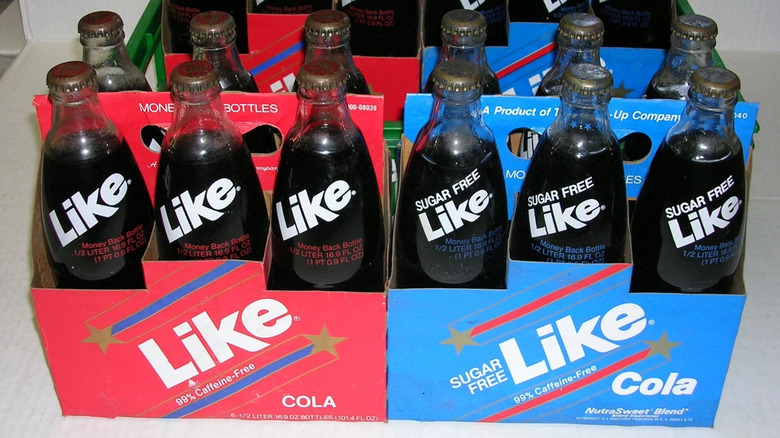
Like Cola debuted in U.S. test markets in 1982 and saw a greatly positive reception. Developed by the Seven Up Company (yes, that 7 Up), the drink's main draw was that it contained way less caffeine than other colas while still delivering a satisfying taste.
Like Cola took advantage of an overall pushback against caffeine consumption, as consumers became concerned about potential negative side effects. The "caffeine-free" soda actually contained a very small amount, rather than exactly zero, but that didn't dissuade customers too much. One Like Cola commercial from 1983 appealed to parents, telling them that the soda won't give their children excess caffeine (and taking a direct shot at both Coca-Cola and Pepsi — brave!).
The underdog cola continued to do well in test markets and even became a sponsor for NASCAR. A 1983 Winston Cup Series race was dubbed the Like Cola 500. But its bravado wouldn't last: Complications with distribution and other issues plagued the Seven Up Company as the '80s went on, stunting Like Cola's chances at competing with bigger brands. It vanished from stores by the end of the decade, but its influence as one of the first low-caffeine sodas lives on.
Clicquot Club sodas
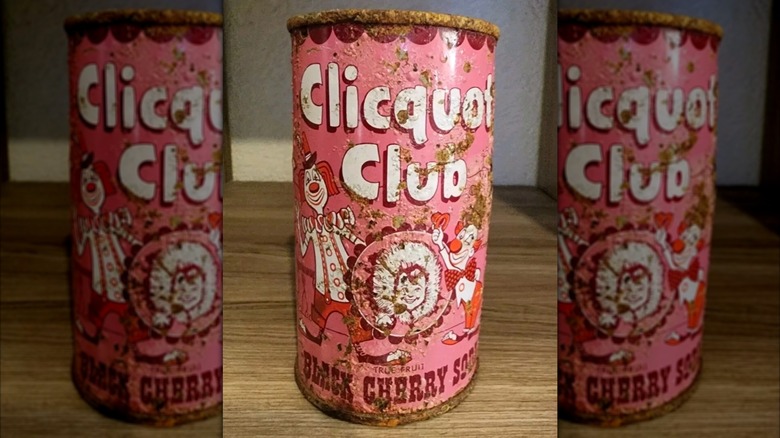
Not all soda brands that go under are small potatoes that couldn't compete with the big dogs. The Clicquot Club Company of Millis, Massachusetts began selling soft drinks in the 1880s, and became famous for its ginger ale made with high-quality, imported ingredients. Said ginger ale became the first canned soft drink in 1938, cementing Clicquot's name in the annals of soda history.
By the 1940s, the Clicquot Club Co. was a ginger ale manufacturing giant, though it produced plenty of other flavors throughout its history, including sparkling cider, sarsaparilla soda, root beer, cream soda, and cola. Fruity sodas included orange, strawberry cream, lime rickey, raspberry, and black cherry. In the 1950s, the company had a large network of U.S.-based manufacturing plants to its name, and had even expanded into international production.
Clicquot sodas had all the right things going for them and seemed poised to stay popular for the foreseeable future. But historians point to the 1952 death of the company's longtime president, H. Earle Kimball, as the beginning of the end for the brand. From there, flashier sodas like Orange Crush, Coke, and Pepsi gradually stole Clicquot's thunder. The company was sold to Cott Beverages at the start of the '70s, and by 1980, the original Millis-based Clicquot Club plant was shuttered. Some might call Clicquot Club ginger ale one of those vintage sodas no one remembers anymore, but Millis residents have never forgotten about the town's famously delicious export.
Tab
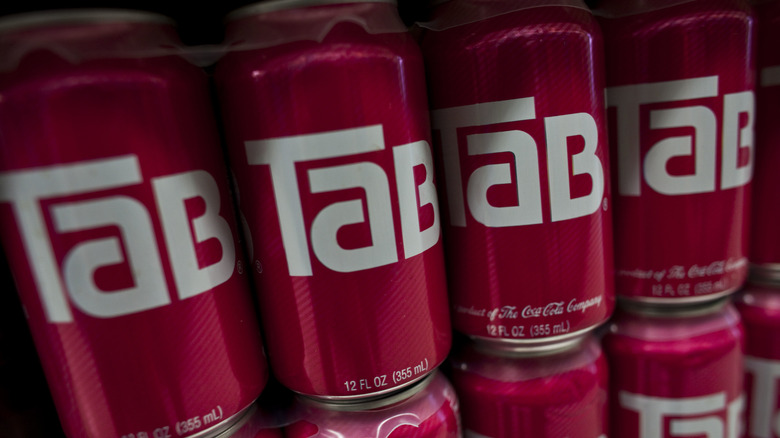
Unlike some discontinued sodas, Tab didn't quietly disappear after a few middling years on the market. It garnered leagues of diehard fans during its 57-year run, and a gradual decline in sales had some of us stockpiling for the Tab apocalypse. When the Coca-Cola Company finally axed production in 2020, to say Tab lovers were upset would be an understatement. How did this diet cola go from the most iconic soft drink of the 1970s to extinction?
Tab came onto the soda scene in 1963, a time when American consumers were becoming more conscious of sugar consumption and weight gain. Coca-Cola came up with a sugar-free cola that was supposed to help customers keep a "tab" on their weight. Tab was an instant success and even survived a series of reformulations made due to various bans over artificial sweeteners. The soda reached peak popularity in the 1970s and '80s, and many devotees came to love it for its crisp, lemon-like taste rather than its purported healthiness.
In a Julius Caesar-worthy twist, Tab was betrayed by a young newcomer that could have been its ally — Diet Coke. Coca-Cola created the new soda in 1982 specifically to replace Tab, as the company felt the latter's sales were stunted by the lack of the Coke brand name. It was only a matter of time before the long-standing Tab went from sparsely-stocked to dearly departed.
No-Cal sodas
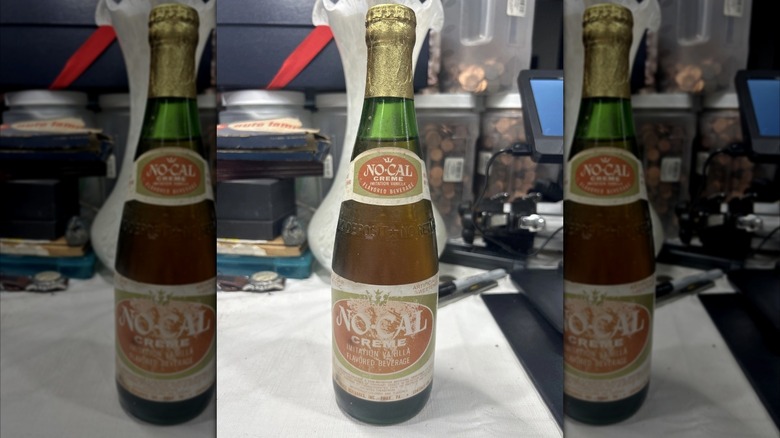
No-Cal wasn't just another diet soda label that reached lofty heights before an unceremonious fall. The brand's ginger ale was the first diet soda ever created, invented in 1952 by Russian immigrant Hyman Kirsch of Kirsch Bottling, who had been making soft drinks since 1904. Kirsch originally developed his sugar-free soda for diabetic patients at a hospital in Brooklyn. He and his son Morris went on to bottle and sell their No-Cal ginger ale commercially. Advertisements for the drink soon shifted to the calorie-conscious angle that zero-sugar sodas still use to promote themselves today.
Over the following year, the No-Cal line grew to offer sassier soda flavors like root beer, cherry, chocolate, and vanilla creme. The brand found great financial success and inspired tons of imitators, including Diet Rite Cola and Tab. However, No-Cal saw a dive in popularity much earlier than you'd think. More diet sodas resulted in a more competitive market, and No-Cal's products were slowly crowded out by other soft drink options.
It also didn't help that cyclamate – the sugar-free artificial sweetener used by Kirsch in his original formula — was declared a carcinogen and banned by the U.S. Food and Drug Administration in 1970. It is unknown if No-Cal tried to reformulate in response to this ruling, but it products eventually shuffled out of stores. On the bright side, soda fans pay tribute to the brand's legacy every time they buy a can of diet pop.