

10 Mistakes To Avoid When Making Sweet Potato Casserole
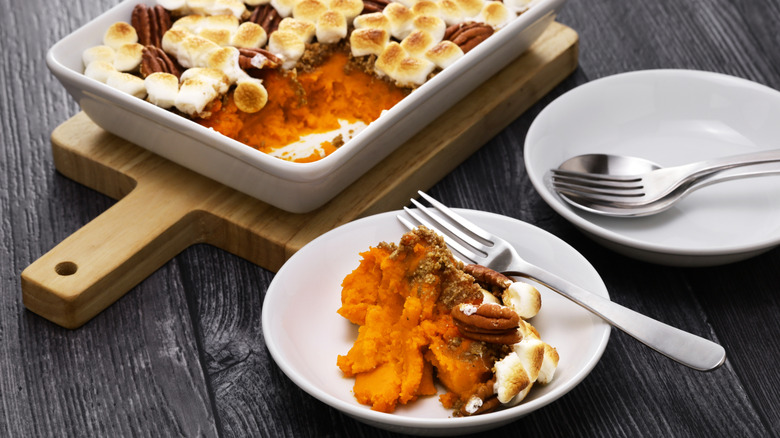
Out of all the beloved dishes on the Thanksgiving dinner table, sweet potato casserole may just be one of the least appreciated. It's not quite a dessert, but it still offers a touch of sweetness to your plate during the main course, making it an important aspect of the ideal Thanksgiving spread. It balances out all of the other salty and savory flavors. And although it seems like an easy dish to throw together at the last minute, in reality, there's a lot that can go wrong with sweet potato casserole if you don't exactly know what you're doing.
That's why it's so important to avoid these common sweet potato casserole mistakes. Don't worry if you've made these mistakes before — most of us have made them at some point. However, by avoiding these missteps in the future, you can ensure that the sweet potato casserole becomes more than an afterthought. In fact, it might just become one of the tastiest dishes on the whole table.
Over- or under-cooking the sweet potatoes
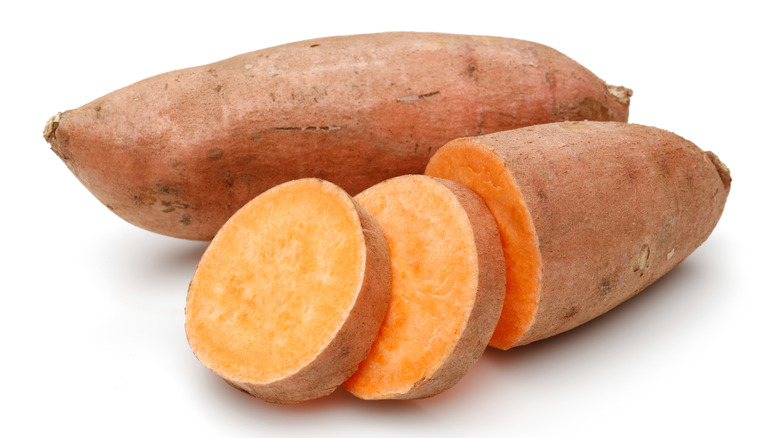
Cooking potatoes seems like the easiest task in the world. After all, you just have to boil the potatoes (or, alternatively, steam or microwave them) until they're soft, right? Well, kind of, but it's also possible to mess this step up if you're not paying close attention to the texture of your potatoes. Over- or under-cooking your sweet potatoes can result in a casserole that's either too chunky or too mushy, which is probably not what you're going for. Under-cooking is arguably a bigger sin, since it's going to result in hard, chewy pieces of potato in what should otherwise be a smoothly textured dish. But the wateriness from over-cooking can hinder your casserole's success as well.
We suggest boiling your chopped sweet potatoes, leaving them in the water for around 10 to 15 minutes. This will allow them to become fork-tender, which is exactly the texture you're looking for. Your best bet is to check the doneness of the potatoes as they boil, taking them off the heat and draining them as soon as they reach that perfect, mashable level of softness.
Adding too much sugar to the dish
Unlike most of the other side dishes you'll find on the typical Thanksgiving table, sweet potato casserole is quite sweet. It's generally not served alongside dessert, but it has an undeniably dessert-like quality to it that really makes it stand out among the other sides. Just because you're going for a sweeter flavor profile, though, doesn't mean that you need to go all out and add tons of sugar to the dish. Too much sugar will result in a casserole that's far too cloying to play well alongside other Thanksgiving dinner classics.
If you follow a good sweet potato casserole recipe and add in the recommended amount of sugar, you should be fine on the sweetness front when it comes to the main part of the dish. However, you should be on the lookout for other sources of sweetness as well, namely in the toppings. For example, adding too many marshmallows, candied pecans, or even a drizzle of honey or a splash of orange juice can all make the flavor profile a bit too sweet for most preferences. Be sure to taste as you go to ensure your casserole doesn't start tasting like a particularly decadent ice cream topping.
Forgetting to drain the sweet potatoes
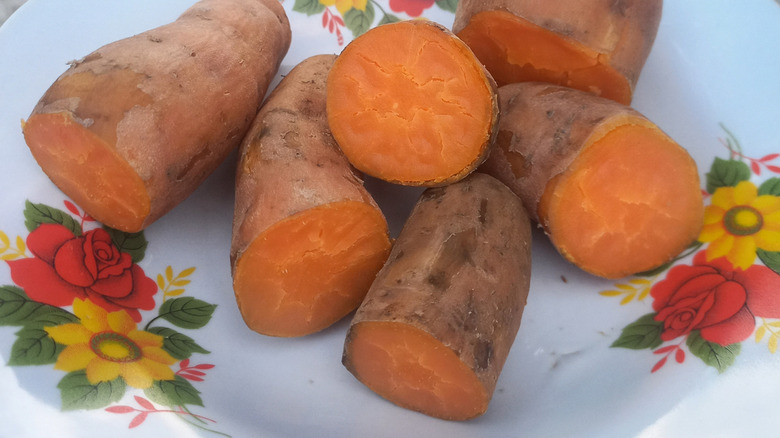
Have you ever dipped a spoon into your sweet potato casserole and scooped up a serving only to find a thin layer of liquid in the bottom of the dish? It's a bummer to know that you're about to eat a soggy casserole, which is why it's so important to remember to drain your sweet potatoes after boiling them and before assembling the rest of the dish. Otherwise, you might be left with a watery casserole that not only has a less-than-desirable texture but that also may flood the rest of your Thanksgiving plate with excess water. You don't want to make the other side dishes soggy as well.
Once your sweet potatoes are adequately boiled, dump them into a strainer and let them sit for a while to ensure you get all the excess moisture out of them. By spending a little extra time draining those potatoes, you're more likely to get the kind of smooth, dry texture you're looking for in this kind of casserole.
Incorporating too much fat into the recipe
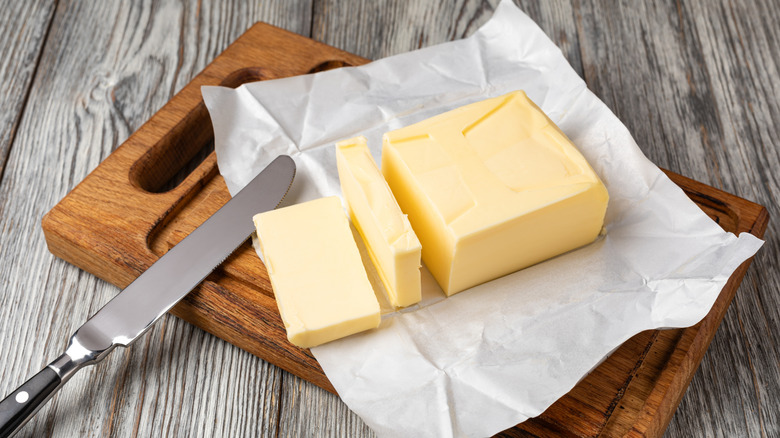
A watery casserole is always a bummer, but water isn't the only liquid that can have a negative effect on your casserole's texture. Too much fat can also contribute to a less-than-ideal texture while also affecting the overall flavor of the dish. Generally, sweet potato casserole recipes will call for a decent amount of butter, which helps make the casserole nice and moist. But by adding more than the recipe calls for, you could end up with a greasy layer of liquified butter sitting on the top of the dish, creating a mouth-coating texture that will detract from that smooth, rich, and creamy finish you're aiming for. That mouth-coating texture may also prevent you from tasting the intricate flavors of the dish, offering a fatty note but not much else.
Many Thanksgiving dishes — including sweet potato casserole — rely heavily on butter and other fats for richness and flavor. But just because some butter is delicious doesn't mean that an excess of it is necessarily a good thing. Follow a solid sweet potato casserole recipe for a digestible richness that won't taste overpowering.
Not adding any salt (even with a sweet flavor profile)
A lot of people love sweet potato casserole specifically because it's one of the sweeter dishes on the Thanksgiving table. It creates a lovely, sugary contrast to the otherwise savory array of dishes that make up the main Thanksgiving course. But just because you're leaning into that sweet flavor profile doesn't mean that you don't need to add any salt to the mix. A pinch of salt helps to balance the flavors in your casserole, giving it depth and preventing the sweetness of the casserole from being too overpowering.
There are some sweet potato recipes that skew a bit more savory than most, and those recipes generally call for more salt than the sweeter varieties. Even if you generally prefer a really, really sugary sweet potato casserole, though, you shouldn't skip the salt altogether. You may not even really taste that saltiness once the whole casserole comes together, but you'll definitely notice it's missing if you forget to add it to your ingredients list.
Using too many marshmallows
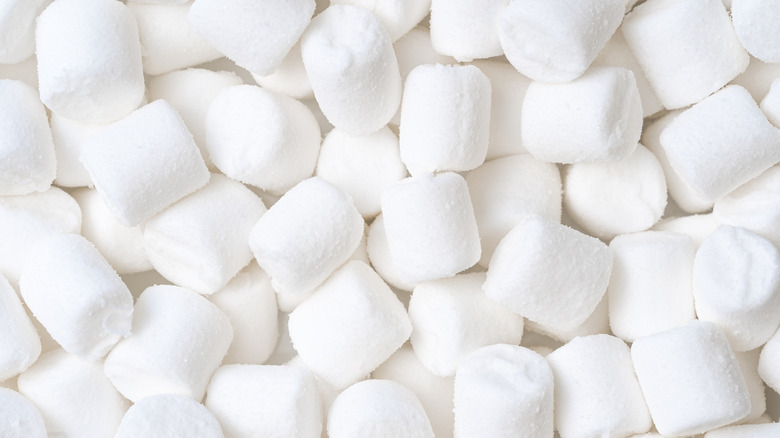
There aren't many casseroles out there that are regularly topped with straight-up candy, but sweet potato casserole is an exception. Many sweet potato casserole recipes call for a marshmallow topping, which adds an extra layer of sweetness — along with a gooey, gummy texture. For those who prefer a sweeter version of this casserole, the layer of marshmallows is a major part of what gives this dish its unique appeal. But adding too many can render an otherwise delicious casserole overly sweet and texturally lacking.
Marshmallows pack a ton of sugar, which can disrupt the delicate flavor balance of the potatoes and easily become overpowering, especially when you're not planning on serving the dish as dessert. Plus, the sticky texture of melted marshmallows can detract from the smooth richness of the actual sweet potatoes themselves, which should be the focal point of the casserole. Make sure to use marshmallows relatively sparingly to avoid these unfortunate casserole outcomes.
Forgetting to incorporate some crunch into the dish
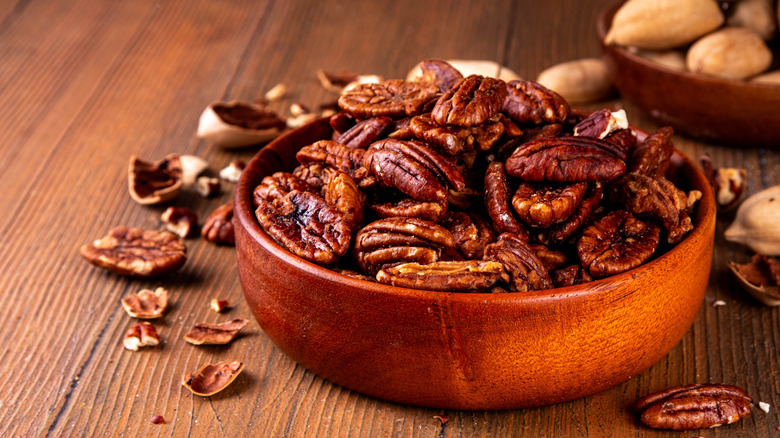
Like many Thanksgiving dishes, sweet potato casserole is rather soft, texturally speaking. The potatoes are smooth and rich, and the optional marshmallows on top offer an additional layer of softness. That's not necessarily a bad thing, but the best casseroles have a bit more textural variety, which is why we always suggest adding some sort of creative topping to your sweet potato casserole.
You can easily add a crunchy element to your casserole using ingredients you may already have planned to use. For example, it's possible to make a crunchy topping with brown sugar, which most sweet potato casserole recipes already call for. Pecans are also a classic crunchy topping, which add a nutty complexity to the dish that also enhances its overall flavor. Pumpkin or sunflower seeds can also be a nice addition, as can a streusel topping. Even crispy bacon can add a crunchy — and unexpectedly salty — element to the casserole, which can take it to a whole new level of deliciousness. Get creative with different sources of crunch, and you may find that your sweet potato casserole tastes better than it ever has in years prior.
Not letting it set before serving
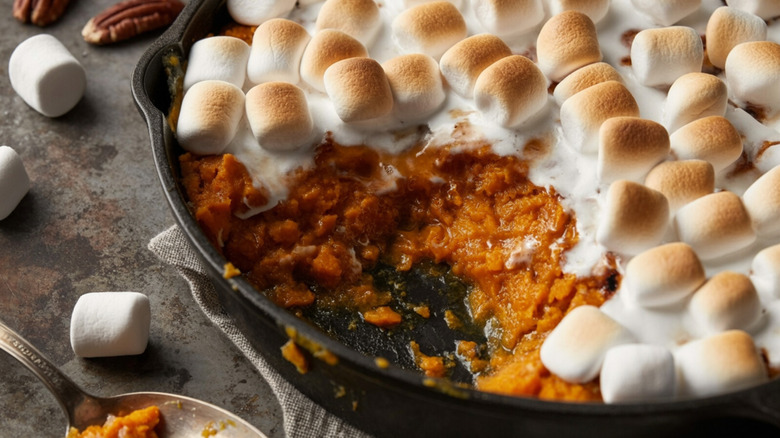
When you're having people over for Thanksgiving dinner, you probably want to make sure that you're not serving any dish cool or, even worse, downright cold. It can be a challenge to make sure that every dish comes out of the oven at just the right time. However, that doesn't mean you should serve your sweet potato casserole straight from the oven. In fact, doing so may actually end with a less favorable result, since this kind of casserole is difficult to serve when it's too hot. Instead, you should wait around 10 to 20 minutes after taking the casserole out of the oven to let it set. This will make it easier to scoop, and also give any toppings a few minutes to dry out and become crunchy.
Don't worry — letting the casserole rest for this amount of time isn't going to make it too cold; it will simply allow it to cool just enough so it's easier to scoop and serve. Because sweet potato casserole is so dense, it holds onto heat quite well. Therefore, you can take it out of the oven a bit before you're ready to serve everyone and focus on the more finicky dishes closer to dinnertime.
Adding the marshmallows too early
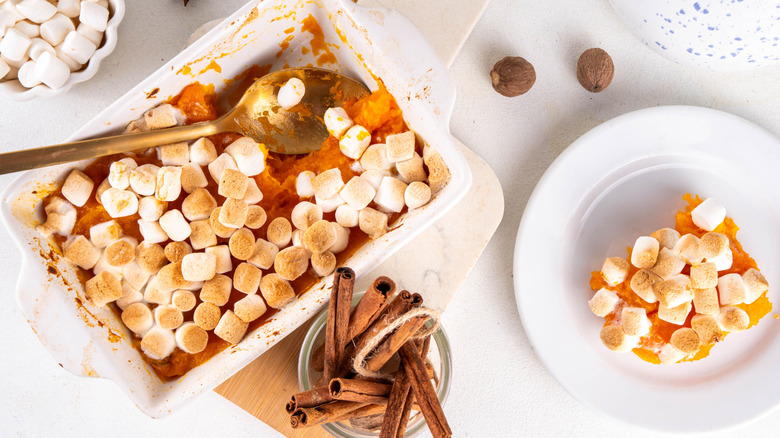
If you've ever roasted marshmallows before, then you probably know that it doesn't take long for them to catch on fire and char. This is what makes them so ideal for cooking on a campfire — and what makes them so finicky when you're cooking them any other way. Because of marshmallows' high sugar content, they burn easily, which is why it can be a big mistake to add them to your sweet potato casserole too early.
You definitely don't want to put marshmallows on top of your casserole right before it goes in the oven, since they'll be burnt to a crisp in a matter of minutes. Rather, when your casserole is almost cooked through, remove it from the oven and add the marshmallows at the very end of the required cooking time. They only need about five to seven minutes to melt to gooey perfection. By ensuring that those marshmallows don't stay in the oven too long, you're preventing a burnt, sticky mess on the top of your casserole.
Neglecting to use eggs
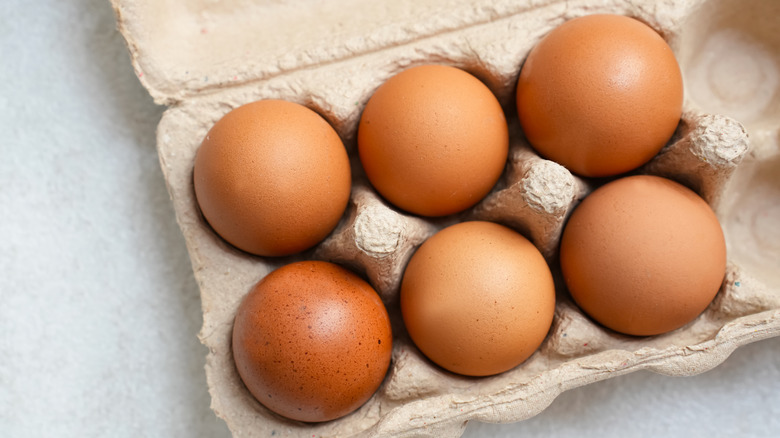
If you've never made a sweet potato casserole before, then you may assume that the base of the dish is made from little more than sweet potatoes and butter. Some people do make their casserole that way, but adding eggs can really elevate things. Without them, the casserole base can result in a dish that's more similar to mashed potatoes, rather than a coherent casserole. This is because the eggs work to create more texture and to bind the potatoes together. They also add more moisture to the finished result, which is needed when you're working with such starchy ingredients.
Different recipes call for different numbers of eggs, but generally speaking, you should have at least one or two eggs on hand for a standard-sized casserole. Once you get a taste of how thick and rich your casserole tastes and feels with the eggs added in, you'll realize why this is such an essential ingredient.