

10 Ways To Refresh Your Kitchen Without A Full Remodel
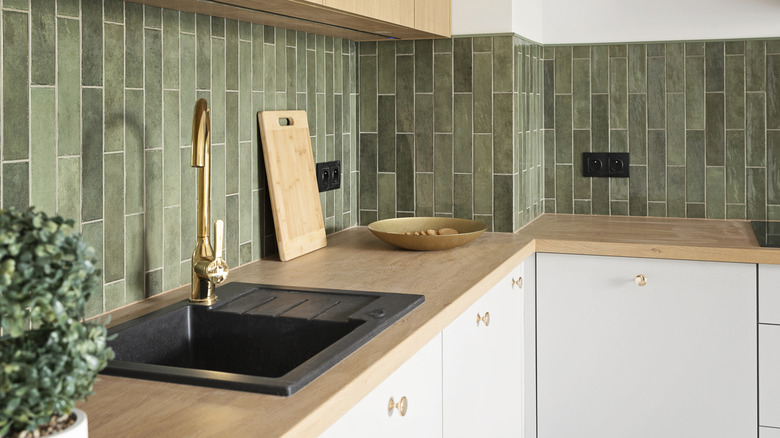
Does the word "remodel" bring to mind visuals of dust-laden flooring, noisy drills, and cluttered tools everywhere? But what if you could give your kitchen design a quick facelift with none of the heartache involved? If you don't have the time, budget, or the inclination to turn your kitchen into a construction zone for weeks on end, you can take heart in the fact that there are several changes that can refresh your space that don't necessitate a full-blown remodel.
Need proof? Lauren Saab, founder and principal designer of Saab Studios, is here to help. In her experience, there are many small yet strategic updates that can change the look and feel of your kitchen. If you are working on a clock and are looking for quick fixes — perhaps before hosting a family gathering — something as simple as adding fresh decor and soft furnishings can breathe new life into the space. If you have time to spare, you'll want to pick up a paint roller and give your cabinets, walls, and kitchen chairs a makeover. If you have been dreading the thought of a larger overhaul, you'll love what these small yet strategic changes can do for your kitchen and your mood.
1. Repaint the cabinets
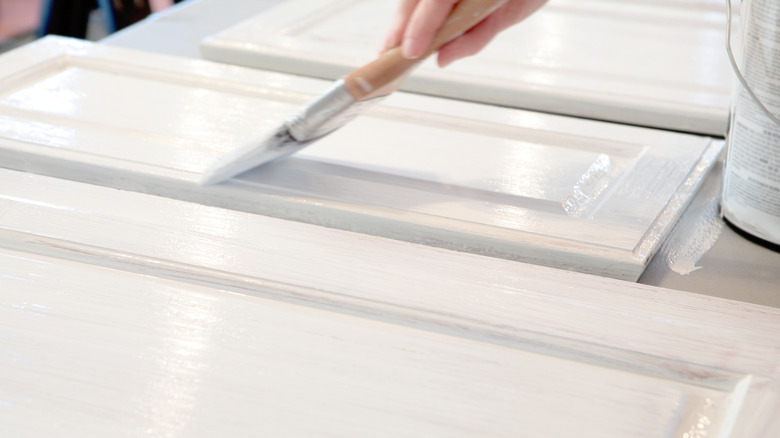
It is no secret that kitchen cabinets face a significant amount of wear and tear in the kitchen. But instead of razing everything to the ground and starting from scratch, you can lean into the transformative powers of paint to rejuvenate your space. The only question to consider: Should you do it yourself? On paper, it might seem like doing it yourself will help you save more money than calling in a contractor. But you won't just be spending on a bunch of paint cans and brushes — there is a wide array of primers and top coats that can slyly dial up your budget.
If you are planning on doing it yourself, the good news is that repainting the cabinets is among the kitchen upgrades you can easily finish within one weekend. To ensure that the work gets done efficiently, designer Lauren Saab advises keeping some key principles in mind. "Prep always matters. Clean the surfaces well, sand lightly, and prime before painting. Work slowly with a fine roller so the finish looks smooth and high-end," she says.
The next question to consider is which colors and finishes you should opt for. Saab has observed that blinding whites aren't currying much favor in modern kitchens. "Warm, grounded colors like putty, muted olive, and chalky taupe are becoming the new classics. Matte finishes continue to replace glossy ones since they look softer and hide wear better," she says.
2. Update cabinet hardware
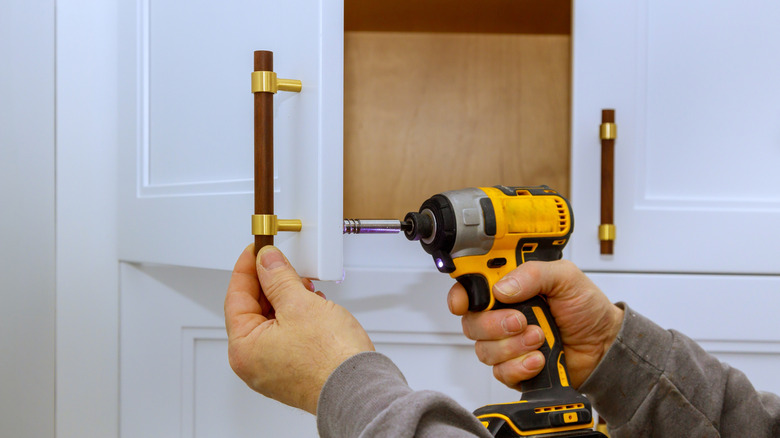
If you don't have the time to repaint your cabinets, you can opt for a more doable DIY project that promises to make a major visual impact: swapping the hardware on dated cabinets. "New hardware changes a kitchen the way jewelry changes an outfit, and it can make dated cabinetry look brand new again," Lauren Saab says.
The first thing you need to know when changing the hardware yourself is the right placement. Drawers less than 16 inches wide will have one knob positioned in the center. You can use twin knobs on either end of drawers wider than that. Door pulls will be around 3 to 7 inches in length for cabinets that are less than 24 inches tall; you can add a few inches to the pulls for longer cabinets. With the help of a screwdriver or a drill, you can take the old hardware and mount the new ones onto the existing holes.
After getting the basics of changing kitchen hardware down pat, you'll want to devote some attention to your choice of metals. Think you can get away with the shiny, overly polished brass of the '90s? Not on Saab's watch. Instead, she urges you to consider timeless options that can withstand the ebb and flow of trends — antique bronze, brushed brass, and matte nickel are topping her wishlist. "Texture matters too. Knurled or hammered finishes give subtle depth and make the hardware feel more custom," she adds.
3. Upgrade the backsplash
Your countertop might have seen better days, and the paint may be peeling from the cabinets, but with a shiny new backsplash to serve as the focal point of the space, your kitchen can feel better than new. From glossy zellige to merry mosaics, it can be hard to stay on top of every trend that hits the backsplash market. Start your search with this explainer on different backsplash materials, then consider which option best suits your budget and needs.
In the quest for affordable kitchen backsplash ideas, you'll find that peel-and-stick tiles are a prime candidate. Even if you have a generous budget for redoing the backsplash, Lauren Saab believes that they serve as an easy way to test-drive a particular pattern or color before investing in it at a larger scale. "Live with them for a few weeks to see how the light changes the tone or how the pattern feels with your cabinetry. They can help you avoid costly mistakes and give you confidence before committing to real tile or stone," she says.
However, she finds that it helps to bear in mind that peel-and-stick options are not meant as a permanent fix. "Heat and humidity can cause the edges to lift over time, so once you know what you love, invest in the real thing," she says.
4. Refresh the countertops

Countertops were initially designed to provide a flat work surface for everyday cooking tasks,but they now have a key responsibility to shoulder in the aesthetics department, alongside their functional duties. Given the amount of splatters, spills, and scratches that these surfaces are privy to, it comes as no surprise that countertops can start looking worn and fatigued easily. But the good news is that Lauren Saab believes that you don't have to replace your countertops entirely to make them look brand new.
For those working with a tight budget, she recommends getting scrappy — in the literal sense of the term — by visiting local fabricators. With any luck, you may chance upon some usable remnants of real stone. "Smaller pieces can be cut to fit an island, bar area, or even used as a pastry slab or small prep zone. The look feels elevated without the full cost of new installation," she says.
If you are looking for a DIY project to keep you occupied on a long weekend, you'll want to pick up a countertop paint kit. These all-in-one kits generally include a primer, topcoat, paint roller, and sponges to help you get everything done yourself. On the journey of refreshing your kitchen, it also helps to know the outdated countertop materials to avoid, such as laminates. With a short lifespan, this material is vulnerable to heat and moisture, making it a poor investment.
5. Add soft furnishings
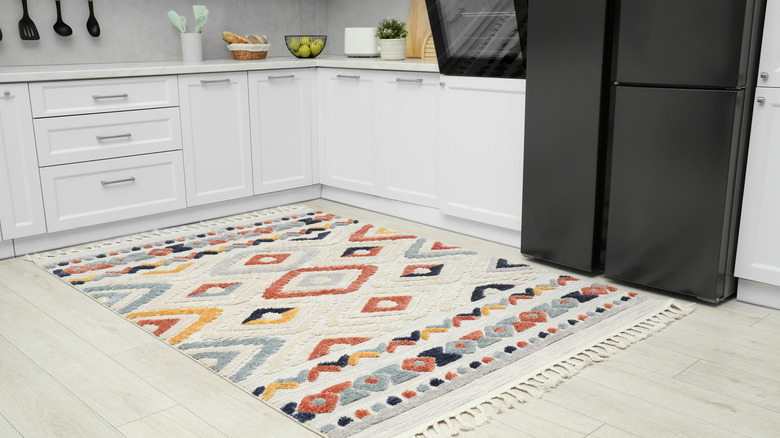
You may have adorned your kitchen with shiny slabs of marble and state-of-the-art technology, but there is something about all the cold, harsh surfaces that can make a kitchen feel sterile and bereft of warmth. This is where soft furnishings come in: textiles and fabrics that sneak their way into the traditional design of your kitchen to add an inviting, tactile touch to the space.
When used strategically, soft furnishings make for a low-commitment change — no prolonged renovation needed. And while they soften the harshness of the kitchen, their role doesn't end there. "Soft furnishings in the kitchen can also help absorb sound in one of the loudest rooms in the home. Adding them alongside all the hard surfaces that kitchens are known for can make the space feel warmer and more comfortable," Lauren Saab says.
What do your options look like? She wants you to consider everything from vintage runners for punctuating long stretches of bare flooring to seat cushions and Roman shades. "Even fabric pendants introduce color without the commitment of a remodel," she says. When submerged in the plethora of prints, patterns, and designs to choose from, you won't want to lose sight of what's important: choosing durable, stain-resistant materials. Saab recommends keeping an eye out for performance linen — an engineered fabric that has been designed to resist moisture and stains.
6. Add wallpaper
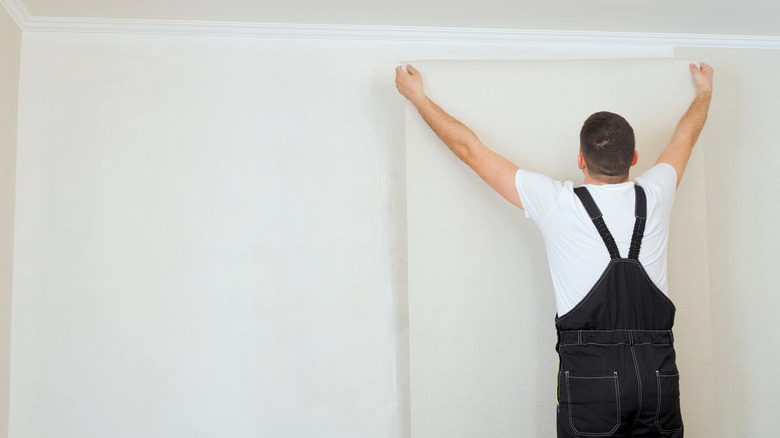
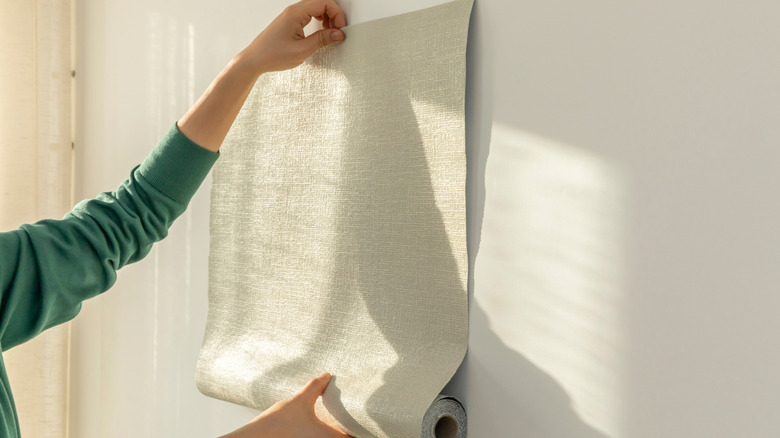
If you want to change the colors, patterns, and textures of your kitchen without having to budget for a full-blown remodel, you'll want to push your cart down the wallpaper aisle. "When you pick the right wallpaper for your kitchen, it can immediately be the detail that pulls the whole room together," Lauren Saab says.
At first glance, adding wallpaper to a kitchen wall can sound like an elementary school project — simply peel, position, and stick, right? However, air bubbles, peeling edges, and misaligned seams can give the prettiest designs an unprofessional finish. Armed with the ultimate guide to wallpapering your kitchen, you can avoid these common pitfalls. "For a seamless finish, line up your pattern at eye level and smooth each strip with a dry cloth rather than a plastic scraper," she says.
While wallpaper can give your kitchen an instant facelift, Saab believes that placement is everything. "Use it above wainscoting or the back of open shelving instead of on every surface, especially in the kitchen," she says. As a rule of thumb, you will be avoiding any areas that face a high concentration of steam and humidity; she finds that adding wallpaper near the sink or cooktops can wreak havoc on its adhesive abilities. "It is also best to avoid wallpaper with texture, such as grasscloth or linen, as these can be a nightmare to maintain and clean," she adds.
7. Opt for fresh decor
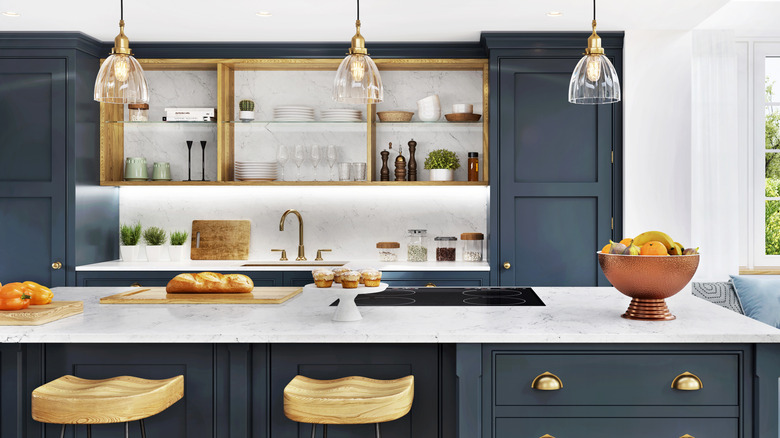
Playful canisters. Whimsical pop art. Quirky bowls. Chalkboard menu displays. The right decor can instantly refresh your kitchen and your mood — all without blowing a hole through your monthly budget. You may not be able to redo your countertops overnight, but you can invite fresh decor into your kitchen to give the space a facelift.
While fresh decor makes for a flexible and low-stakes change, you'll want to steer clear of adding too much at once. "Decor in the kitchen should look effortless, not staged," Lauren Saab says. In her opinion, a single sculptural bowl filled with citrus or a ceramic vase of greenery can make a more significant visual impact than a cluster of small items. Often, you may find that you don't even need to shop for new items since there are several items in your kitchen that can be displayed creatively. Instead of keeping your cookbooks stashed away in a drawer, you can arrange yours by color on a floating shelf.
"When your kitchen is filled with objects that do not serve a purpose, that is when it starts to feel cluttered," she says. Why not look for items that can pull double duty? Think wooden cutting boards or ceramic bowls that can be put to everyday use while still making a visual statement. For more ideas, you'll want to browse through this roundup of kitchen counter decorations that are actually useful.
8. Repaint the walls
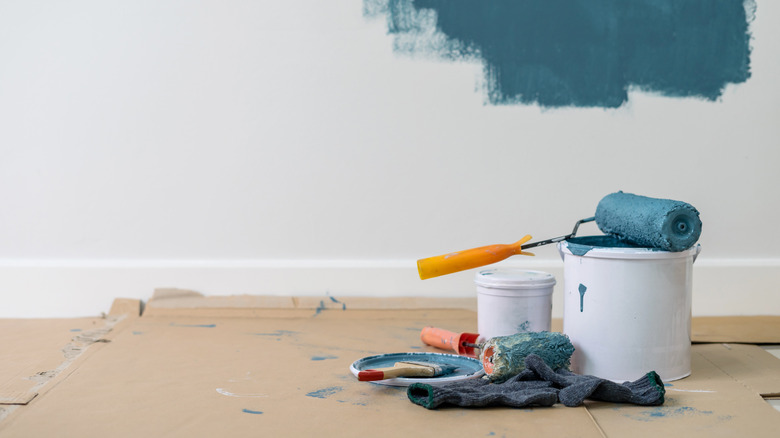
Don't hang up those paint rollers after giving your cabinets a refresh — the walls of your kitchen could use some love, too. Beyond spills and splatters, the greasy residue from everyday cooking can also cling to your kitchen walls like a magnet. If no amount of scrubbing and degreasing is reviving your walls, it helps to opt for a quick paint job to make the space feel as good as new.
If you are looking to finish this DIY project within one day, it helps to arm yourself with the right tools. Beyond paintbrushes and rollers, you'll also need sandpaper to prep the walls, spackle to fill in any cracks or holes, and painter's tape to shield the trims, frames, and any other surfaces where paint doesn't need to go.
After equipping yourself with the right tools, you'll want to choose the color with careful consideration — according to Lauren Saab, it can set the tone for the entire kitchen. "For bright energy, try soft yellows or warm whites that catch natural light, and for a sense of calm, pale gray green and muted clay shades feel serene. For a moodier atmosphere, deeper neutrals like warm gray, clay, or soft charcoal add depth while still keeping the space inviting," she says.
9. Swap the faucets
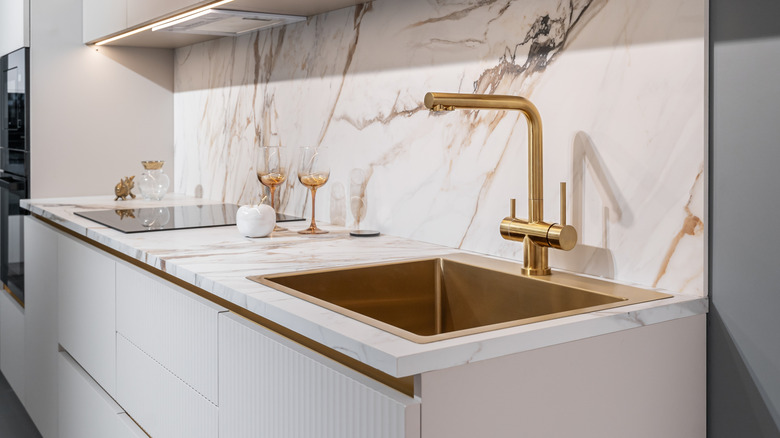
Changing your kitchen sink isn't an easy task, but you can always swap the faucet to a newer, on-trend option to instantly refresh the area. Unlike major remodels, a faucet change makes for a relatively simple and straightforward project that can add personality to your kitchen. Just make the switch for a touchless or swiveling spout and watch how it adds restaurant-style flair to your daily dishwashing routine.
While aesthetics will play a major role in your choice of faucet, you'll also need to take some other factors into consideration. Before shopping for options, it helps to measure the width and height of your sink to choose a spout that can cover the required area easily. You'll also be checking how many holes your sink currently has. Certain designs, such as double-handle faucets, can require three holes and make for a complicated installation process if your sink isn't compatible.
With all your homework done, it is time to start choosing colors and finishes. Lauren Saab believes that some classic options stand out above the rest. "Polished nickel feels timeless, while matte black creates contrast in lighter kitchens," she says. Another golden rule she lives by is ensuring that the faucet is coordinated with the cabinet hardware but isn't a complete replica to avoid a matchy-matchy finish. "Slight variation in tone keeps the design layered, natural, and visually interesting," she says.
10. Update the seating
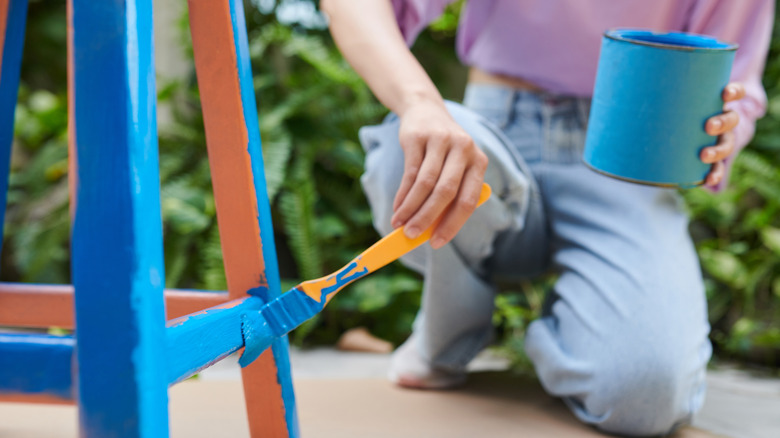
If the idea of changing your kitchen table has been lurking on your wishlist for longer than you'd like, it is time to turn your attention to smaller updates that you can actually achieve — such as updating the seating options in your kitchen. After all, modern kitchens are not just about preparing food. It is a space where family, friends, and loved ones gather to break bread together. Updating old, worn-out seating can create a warm, inviting space where everyone likes to linger a little longer. Bonus points for adding stools and banquette benches with additional storage at the bottom: two birds, one stone.
And this endeavor need not take its toll on your bank balance, either. Lauren Saab believes that simple changes, such as repainting chair legs or covering old seating with performance fabrics, can serve as a welcome change. Slipcovers or removable upholstery serve as another easy way to upgrade old furniture on a budget. You can also choose to mix different seat types together — creating the proverbial something old, something new — to make the space feel as though it has been carefully curated over time. "Keep silhouettes simple so the mix feels intentional rather than random. The goal is comfort and character, not coordination," she says.