

10 Unexpected Uses For A Can Of Coconut Milk
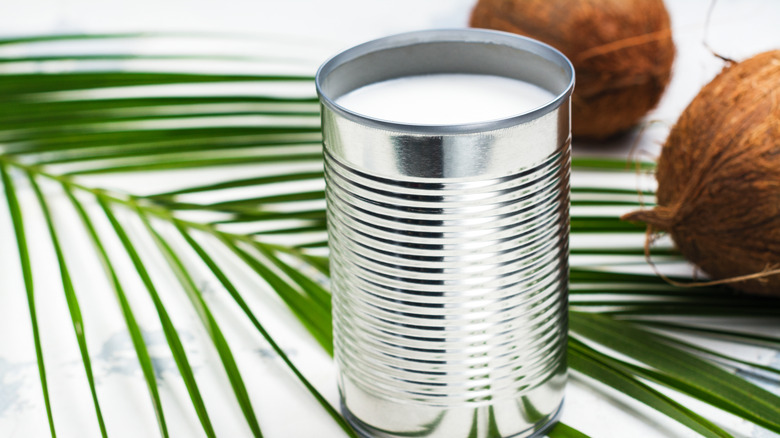
Rich, creamy, and packed with sweet, tropical flavor, coconut milk is a frequently purchased pantry staple for many of us. It's an ingredient that's both delicious and nutritious, packing in an array of essential vitamins and minerals, and it's thought to possess anti-inflammatory properties, too. Coconut milk also serves as an excellent dairy-free substitute for traditional milk or cream. And, as canned foods go, it has to be one of the most versatile, since it fits seamlessly into a wide variety of sweet and savory recipes.
Perhaps you've tried blitzing coconut milk into a smoothie, stirring it into a soup, or baking it into a homemade cake. These are, of course, all fantastic ways to utilize a creamy can, but there are countless other applications to explore. This ingredient can enhance everything from no-bake desserts and fried treats to fluffy grains and even your morning eggs. So, if there's a forgotten can of coconut milk sitting in the back of your kitchen cupboard, it might just be time to get creative and put it to good use with one of these unexpected, yet totally tasty approaches.
Pair it with seafood

Seafood is often found paired with garlicky butters and zesty, citrus-based ingredients, but how about cooking up your favorite fish or shellfish with some creamy coconut milk? This trusty canned food pairs surprisingly well with the delicate flavors of flaky white fish and juicy shrimp, as well as complementing the richness of oilier fish like salmon and trout. It provides a luscious base for sauces and poaching liquids, and also helps to balance the boldness of other spicy flavors with its subtle sweetness.
One particularly great approach is whipping up a creamy coconut seafood curry, and you can absolutely go for a medley of fish and shellfish here. We love to use tiger prawns, hake, and salmon, but cod, scallops, and squid would work equally well. Once simmered in the flavorful sauce, your seafood will be moist, succulent, and bursting with sweet coconut flavor. Fragrant aromatics like lemongrass and ginger also make great add-ins and do an excellent job of cutting through the richness of the coconut milk.
Mussels taste incredible in a spicy coconut sauce, too. You can use this as a base to build a fragrant, silky simmering liquid, perhaps infused with garlic and chiles. The mild, briny taste of the mussels and tropical taste of the coconut milk also pair beautifully with a scattering of fresh cilantro and a squeeze of lime juice.
Whip up some banana fritters
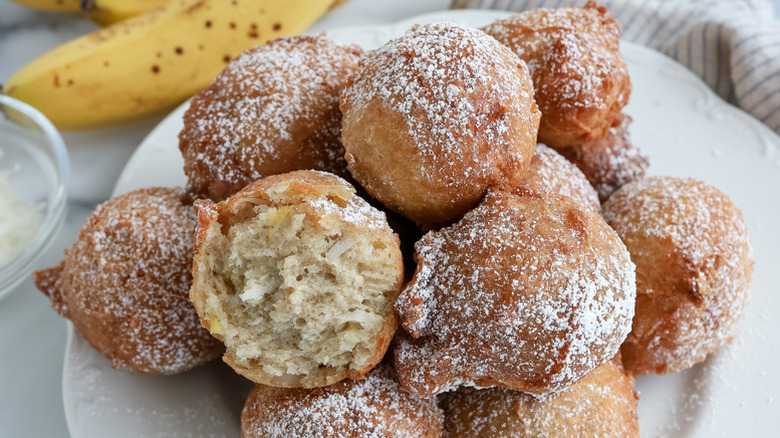
Fritters are a dessert that strikes the perfect balance between crispiness and fluffiness, and these moreish treats are generally made with milk and butter. However, you can totally switch things up and opt for coconut milk instead, which infuses the batter with a hint of that moreish coconutty flavor while providing plenty of richness. And, making fritters with coconut milk is an easy way to keep things dairy-free.
Coconut milk works especially well in banana fritters, where the two flavors work together to build heaps of natural sweetness. When prepping the batter, just switch out the usual milk component for canned coconut milk. There's also the option to throw in some shredded coconut for added texture and an extra burst of tropical sweetness. Once deep-fried until puffed up and golden, the resulting dessert is gloriously crisp on the outside yet fluffy in the middle. These coconut-infused bites are perfect for dusting with powdered sugar or drizzling with syrup. You could even try serving them up with some coconut-based ice cream or chocolate sauce.
Make dairy-free fudge
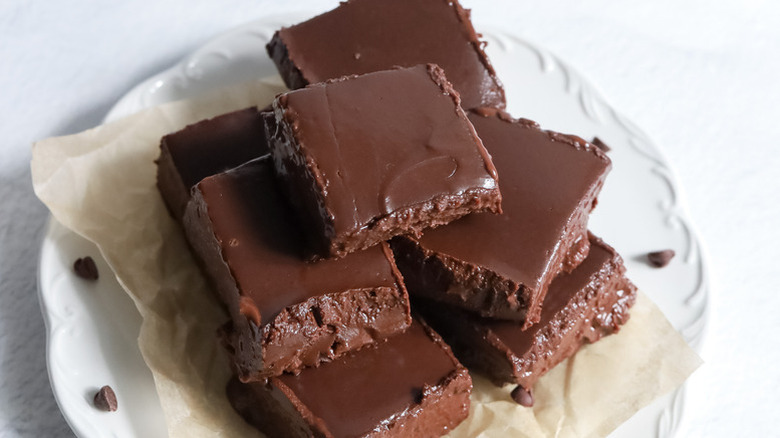
If you're a fan of homemade fudge, you're likely familiar with using condensed milk to craft this decadent treat. But it's just as easy and delicious to make fudge with coconut milk. Whether you want to keep things dairy-free or simply fancy experimenting with new flavors, going down the coconut route will yield a batch that's just as rich and chewy as its traditional counterpart.
For the best results, you'll want to make sure you're using unsweetened, full-fat coconut milk. It's also best to discard any excess liquid that might be sitting at the top of the can. This will ensure that your fudge sets effectively later. The coconut milk will work brilliantly with traditional fudge ingredients such as chocolate and powdered sugar, but you can absolutely play around with complementary flavors here. Bright, zesty flavors like lime and orange would fit in seamlessly, whether added in the form of zest or extract. Or, try infusing your creamy no-bake treat with warming ground spices like cinnamon and ginger. Enhancing your coconut fudge mixture with some crunchy add-ins is always a great idea, too. Think chopped nuts, pretzels, cookie pieces, or even toasted coconut.
You can also make a three-ingredient fudge with condensed coconut milk if preferred. Since this is already sweetened, there's generally no need to add any extra sweeteners to your recipe in this case.
Give beef ribs a dose of Asian-inspired flavor
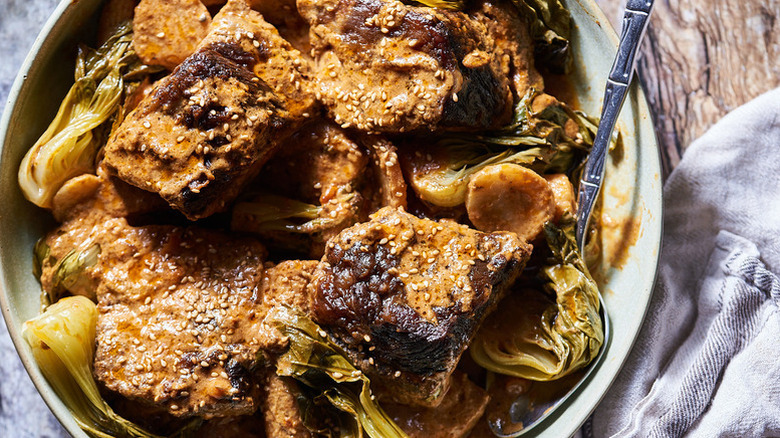
Short ribs make for a brilliantly hearty meal, with braising the meat in red wine being a particularly popular cooking method. There is, however, another deliciously creamy way to enjoy the tender beef, and that involves a humble can of coconut milk.
When incorporating coconut milk into a short rib recipe, one totally mouth-watering approach is concocting an Asian-inspired braising liquid. Here, the coconut flavor will shine when paired with bold aromatics like garlic, ginger, lemongrass, and chili peppers. A savory beef broth is also perfect for balancing the milk's natural sweetness, while a glug of soy sauce further deepens the umami-rich profile. Lime is another classic pairing for coconut, bringing a balancing freshness and plenty of zing. Feel free to add some veggies to the flavorful coconut milk mixture, too, such as corn, bok choy, broccoli, or green beans.
These fragrant short ribs would make a fitting accompaniment to a mound of fluffy coconut rice. Additionally, you could serve them over noodles or mashed potatoes. A final sprinkling of sesame seeds also makes for a delightfully nutty garnish.
Craft a creamy frosting or glaze

We know coconut milk can work beautifully blended into batters, such as in this soft cassava cake or coconut layer cake, but it also shines as the star of a sweet glaze or frosting. Perhaps you've whipped up a classic coconut pound cake, an elegant Bundt cake, or a batch of fluffy cupcakes, and want to continue that sweet, tropical flavor in the topping. Alternatively, coconut frosting will make for a fun twist when added to a vanilla or chocolate cake.
This approach can work equally well with a thick, buttercream-style or a runnier glaze. For the former, you'll pour in the milk towards the end, after beating the butter and powdered sugar base. Just be careful not to add too much, as this could result in an overly runny frosting. There's also the option to enhance the mixture with a dash of coconut extract, which will intensify the coconut flavor without altering the consistency.
If a runnier glaze is what you're after, this can be prepped in seconds by simply combining coconut milk with powdered sugar until slightly thickened but still pourable. As well as enhancing coconut-based cakes, this will also taste amazing drizzled atop fruity bakes, such as those made with lemon, raspberry, or mango.
Simmer quinoa in it
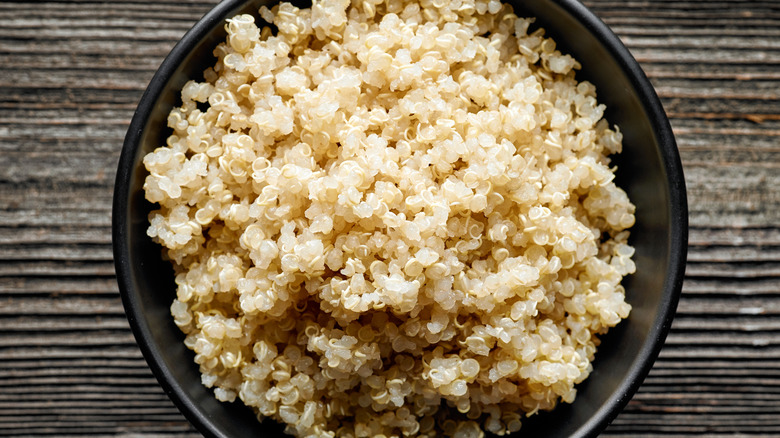
Rice isn't the only carb that coconut milk can enhance. Simmered with quinoa, the rich, creamy liquid imparts a delightful sweetness that pairs exceptionally well with the nutty profile of this protein-rich staple. It's a small twist that makes a surprisingly big difference, serving as a great alternative to the usual broth or water, and yielding an altogether more comforting and satisfying side dish. These elevated grains are ideal for serving with roasted meats or fish, or using as the base of a vibrant, veggie-packed grain bowl.
Coconut-infused quinoa is delicious as is, but also perfect for jazzing up with some extra add-ins. Citrusy ingredients such as diced orange or lime zest will work brilliantly, as will caramelized roasted veggies, tart red onion, or fresh herbs like cilantro or parsley. And, if you don't have quinoa on hand, try pairing the coconut milk with other grains such as couscous, millet, or bulgur wheat.
Transform it into vegan dulce de leche
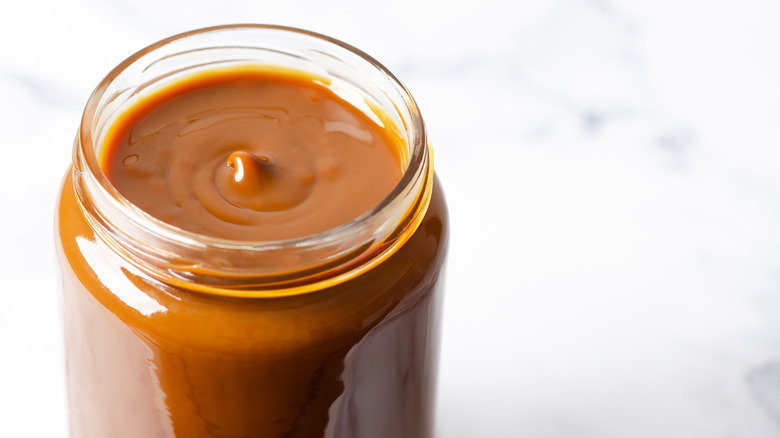
There's something oh-so tempting about the sweet indulgence of dulce de leche. This glorious golden sauce is similar to traditional caramel, but boasts a slightly creamier mouthfeel and flavor profile, since it's typically made with whole milk or sweetened condensed milk. And, canned coconut milk serves as a worthy replacement for these creamy add-ins, creating a mixture that's just as thick and luscious, but completely dairy-free.
The dulce de leche cooking process will involve heating the coconut milk with sugar and a pinch of salt until thickened and dark golden in color. Some recipes also substitute a portion of the coconut milk for coconut cream, or incorporate a dash of tapioca starch to create a thicker consistency. Vanilla extract also makes for another great flavor booster.
Once cooled, store the coconut dulce de leche in a jar or other airtight container in the fridge. It should keep well for up to a month, so you can spoon it over ice cream, fruit, cheesecakes, or pies whenever your sweet cravings hit.
Make a whipped cream alternative
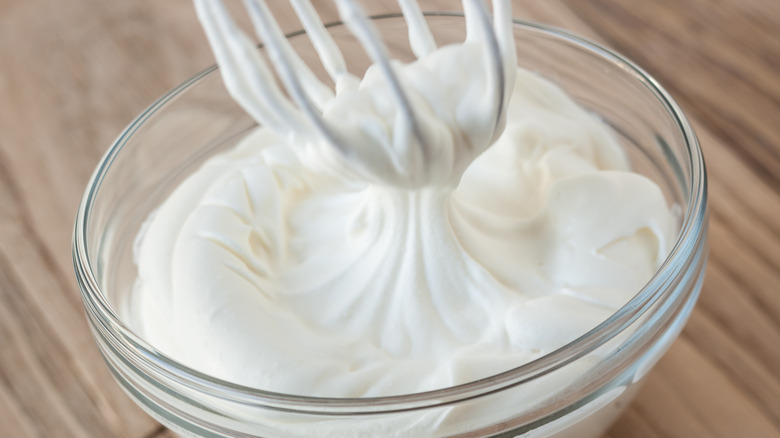
Another popular treat that can easily be adapted with the help of coconut milk is whipped cream. Instead of whisking heavy cream until delightfully cloud-like, you'll reach for a convenient can of coconut milk, resulting in an equally light and airy, yet vegan-friendly, swap for your usual dairy-based whipped topping.
A crucial step here is chilling the coconut milk in the fridge beforehand, ideally overnight. This allows the liquids to separate from the solids, with the latter being the part you'll whip up (you can always save the liquid for blending into a refreshing smoothie!). It's a simple case of whisking the coconut milk until you have soft, fluffy peaks, and if desired, you can sweeten the mixture with a tablespoon or two of powdered or granulated sugar, and perhaps a dash of vanilla.
Coconut whipped cream can be spooned atop hot drinks, dolloped over a slice of apple pie, or piled onto a stack of waffles or pancakes. It's also just as wonderful served with a bowlful of fruit, such as sliced bananas or fresh berries.
Stir it into scrambled eggs

Coconut milk might not be something you've ever thought to add to eggs, but it can, in fact, give your breakfast scramble a serious upgrade. The idea is not to alter the flavor of the eggs, but simply give them a hint of extra richness, and coconut milk does the job perfectly.
You'll only need a relatively small amount of coconut milk to build that creaminess — around 2 tablespoons for every four eggs. This can be added before you beat the eggs, ideally along with a good pinch each of salt and pepper. Cook the frothy mixture low and slow until the eggs have set, and you'll soon be marveling at their irresistible texture. They should come out beautifully fluffy and moist, but with no overpowering coconut taste. Serve your upgraded scramble warm as desired, perhaps with some bacon or grilled mushrooms.
There are also countless mix-ins to consider when crafting these creamy eggs. Feel free to customize them with fresh herbs, crumbled feta cheese, chopped ham, or green onions. These can all be added at the point of pouring the beaten egg mixture into the pan.
Turn it into homemade ice cream
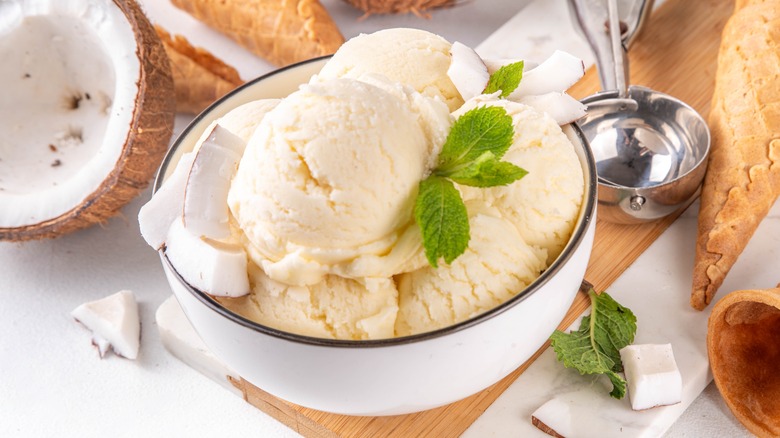
When it comes to making ice cream, cream and milk or condensed milk are typically the go-to base ingredients. But the absolute best non-dairy substitute for these traditional add-ins is trusty canned coconut milk. You'll only need two additional ingredients to transform it into a creamy frozen treat — a sweetener of your choice, such as sugar, maple syrup, or honey, and a dash of vanilla extract. Just make sure to give the can(s) a thorough shake before you whisk them up with other components. This technique will work with both a traditional ice cream maker and a no-churn method, where you simply freeze the mixture in a loaf pan.
You'll be amazed at the luxurious creamy texture of this plant-based ice cream, which, quite honestly, gives traditional dairy-based recipes a run for their money. We love serving the scoops with tropical fruits such as mango, passion fruit, or pineapple, and a scattering of toasted coconut flakes. Or, for a more indulgent finish, top them with a drizzle of sweet caramel sauce.