

The Most Popular Candy In 15 Countries Around The World
In 2023, Grand View Research estimated the U.S. candy market to be worth around $16.5 billion. The biggest players in the industry? It probably won't surprise you to learn that they were familiar names like The Hershey Company, Mars, Mondelēz International, and Nestlé. Hershey's Reese's Pieces are without a doubt one of the most popular candies in the U.S. Per Cornell University, the brand's factory in Pennsylvania pumps out 15 million peanut butter cups every single day — yep, not monthly. Not weekly. But daily.
Hershey's Reese's Pieces rate highly in America, but what about elsewhere in the world? We wanted to know what is the most popular candy in different countries, and you can find out what we learned from our research below. Some might surprise you. The most popular candy in Egypt? It's a British brand. In Canada, it's a German brand, and in Zanzibar, it comes from a tree. Keep reading to find out more.
1. Cadbury (India)
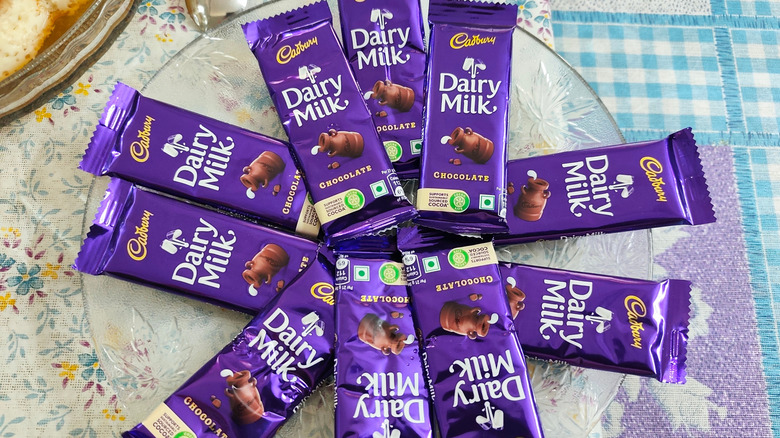
Chocolate is big business in India. According to Mordor Intelligence, by 2030, the Indian chocolate market could reach nearly $3.6 billion. The market has been surging for some time; in 2017, Mintel named India as one of the world's fastest growing markets for chocolate confectionery. But one brand, above all others, seems to consistently lead the market in the country: Cadbury.
Cadbury was founded in Birmingham, U.K. back in the 1820s by confectioner John Cadbury, but it wasn't until 1947 that the company started importing chocolate to India. To put it bluntly: It wasn't a hit straight away, at least not with everyone. The candy was seen as a luxury, a treat reserved only for the wealthy, while everyone else enjoyed more traditional Indian-style candy, called mithai.
But in the 1990s, when Cadbury aired a commercial in the country showing a girl dancing on a cricket field eating a bar of Dairy Milk, things started to change. The ad was part of a strategic move by the chocolate giant to make Cadbury seem like a part of Indian culture, just like mithai. The commercial was followed a few years later by a new slogan especially for the Indian market: "Kuch meetha ho jaye." The phrase means "let's have something sweet" in Hindi. The strategy was ultimately a huge success. Fast forward to 2025, and Cadbury still dominates the Indian chocolate industry.
2. Pocky (Japan)
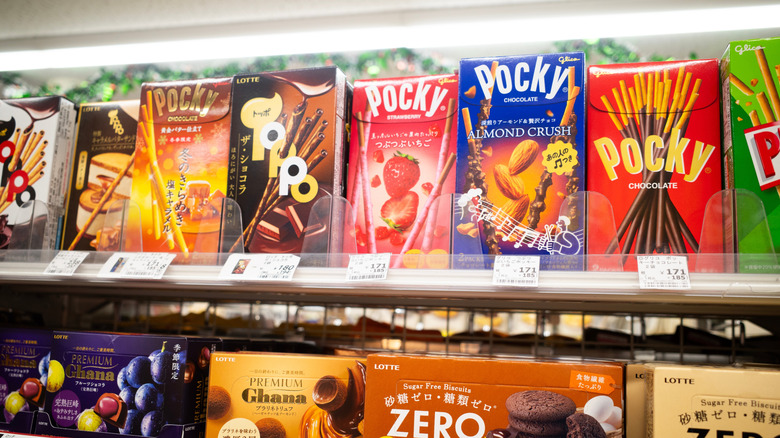
If you walk into a convenience store in Japan, you are guaranteed to come across Pocky (known in Europe as Mikado). The cookie-candy hybrid, produced by Japanese food giant Glico since the 1960s, is easily the best-selling candy in the country.
Pocky is basically a long stick-shaped cookie. The original version was covered in chocolate, but today, one of the biggest elements of Pocky's appeal is the range of flavors. The cookies come covered in banana cream, matcha, and strawberry, for example, and there are regional flavors like Yubari melon and Shinshu Kyoho Grape. Fun fact: The name "Pocky" comes from the sound the stick makes when you break it in half (in Japanese, pokkiri means "with a snap").
Pocky is so popular in Japan, it even has its own national day, on November 11. This specific day was chosen because the numbers in the date (11/11) look like Pocky sticks.
3. Kinder (Germany)
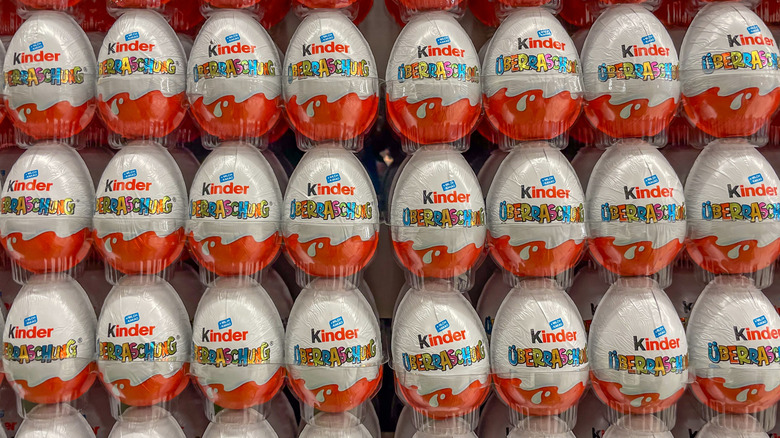
With iconic candies like Kinder Bueno, Kinder Chocolate, and Kinder Joy, Kinder is a global favorite. But in Germany, especially, it leads as a best-seller in the confectionery market. That's no easy feat, given the tough competition in the country from major German candy players like Ritter Sport and Katjes.
Despite its German name (kinder means children in German), the famous chocolate actually got its start in Italy. The brand was created in Alba, Piedmont, by Michele Ferrero of the Ferrero Company back in the 1960s. It's unsurprising that Kinder was a hit in Germany, considering that Ferrero has had a major presence in the country since the 1950s. In fact, Germany was even the home of the chocolate giant's first ever chocolate factory.
A close second to Kinder? It's the locally-grown Haribo. The candy giant is now a global sensation, but it was founded in Bonn, Germany back in 1920.
4. Toblerone (Switzerland)
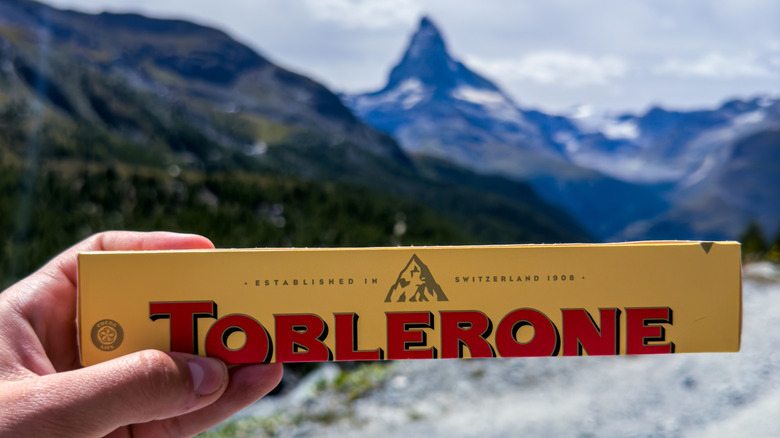
If you've ever been to an airport, you're probably familiar with Toblerone. The golden triangular-shaped tubes are an iconic sight in duty free retailers all over the world. But in Switzerland, these unique-looking chocolate bars are not just for travel, they're for munching on every day, as Toblerone is one of the most popular candy bars in the whole country.
That's a considerable achievement, considering Switzerland is renowned for its chocolate industry. Toblerone even appears to nudge beloved Swiss brand (and global juggernaut) Lindt out of the top spot. Although it's important to note that "most popular candy" can be subjective and always changing — other popular Swiss brands like Frey, for example, have also tried to claim the title of "best-selling chocolate" in the country. Still, at the time of writing, data from Accio supports the fact that Toblerone is the top-seller on major sites like Amazon, for example.
It's no surprise that Toblerone is so beloved in Switzerland. It was, after all, created there back in 1908, in Bern, and its distinct triangle shape and packaging with the Matterhorn design (as well as the creamy, smooth, nougat taste, of course) turned it into an icon. That said, in a knock for the brand, in 2023 it was told by the Swiss government it had to remove the Matterhorn from the design, after Mondēlez International moved production of the candy bar to Slovakia.
5. Maltesers (U.K.)
The U.K. is a nation of chocolate-lovers. According to a 2024 Statista survey, nearly 40% of Brits can't imagine their lives without it. But the competition for the title of "most popular" is tough. The same data reveals that Cadbury Dairy Milk is the leading chocolate product in the country, for example.
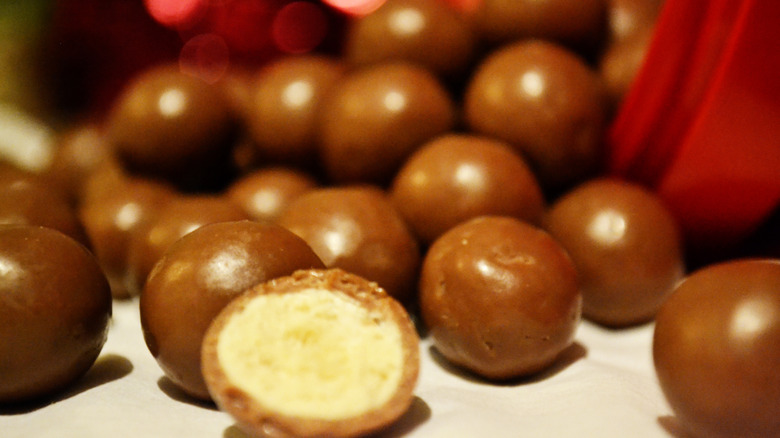
However, a more recent survey, conducted by YouGov in 2025, awards the top spot to Maltesers, with Cadbury Dairy Milk sitting in third place behind Cadbury Buttons. In fact, the research company found that only 1% of Brits said they disliked Maltesers, which are basically small, chocolate-covered balls of honeycomb manufactured by Mars. This highly coveted status is backed up by the brand, which describes itself as the U.K.'s "favorite" chocolate.
One secret to Maltesers' success is great marketing. The brand has consistently come up with creative, memorable ways to market its product with catchy songs and provocative, humorous commercials that stick in people's minds over the years. Another key reason? Taste, of course. It's hard to resist chocolate and honeycomb.
6. Haribo (Canada)
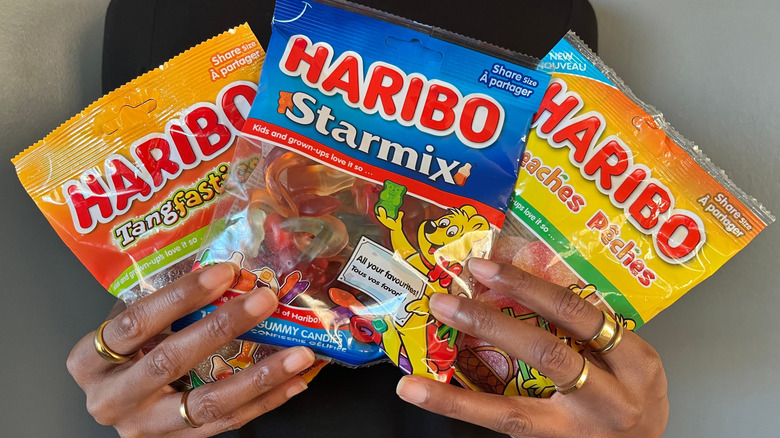
Haribo might have missed out on the top spot in its home country of Germany, but in Canada, it is arguably the most popular candy in the country. Per Accio, demand for the gummy candy places it just above the super popular Nerds Candy and the seasonal favorite, candy canes. The major database, run by international trade site Alibaba, isn't alone. Canadian candy wholesaler Candyville has also observed surging demand for Haribo in the country.
As we mentioned earlier, the popular gummy brand was founded in Germany in the 1920s, but in the decades that followed, it turned into a global confectionery behemoth. It's not just popular in Germany and Canada, but worldwide. In fact, Haribo's fruity gummy candy is sold in more than 120 countries.
The candy brand is on a mission to keep drawing in Canadian customers. In August 2025, for instance, it launched an immersive pop-up experience called The World of Phantasia in Toronto in honor of its new gummy mix in the country, Phantasia.
7. Ubuyu (Zanzibar/Tanzania)
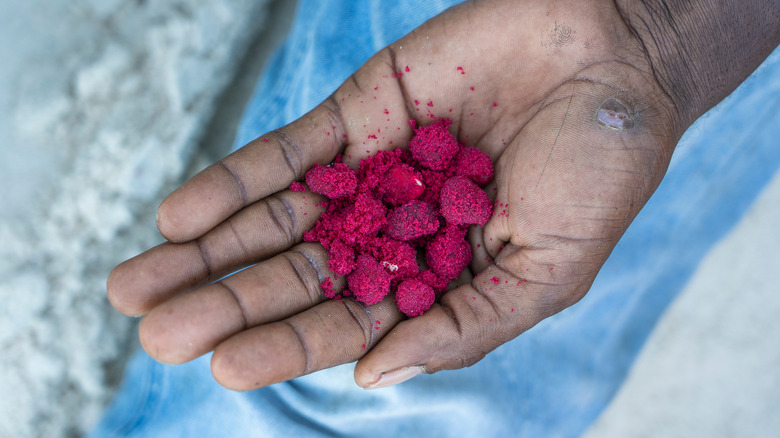
In Zanzibar, a semi-autonomous region in Tanzania, ubuyu candy is everywhere. The simple Swahili treat is made with seeds of the baobab. The tree grows across Africa, and is known for its iconic upside-down shape (the branches look like roots at first glance) and its nutrient-dense fruit. To make ubuyu candy, the baobab seeds are infused with a mix of spices, like cardamom and vanilla, as well as sugar, salt, and black pepper.
Ubuyu is ubiquitous in Zanzibar, but it's also a favorite in mainland Tanzania, too. This makes sense, considering that this is where most ubuyu candy is produced (there aren't many baobab trees on the Zanzibar islands). Also known as baobab sweets, ubuyu candy is also popular in other East African countries, like Kenya, too.
In fact, in Swahili communities, ubuyu isn't just loved for its taste, but also its healing benefits. Many believe that consuming baobab can help with everything from digestion to skin health. Indeed, research confirms that baobab is nutrient-dense, and is a good source of everything from fiber (important for digestive health) and vitamin C (good for the skin).
8. Swedish fish (Sweden)
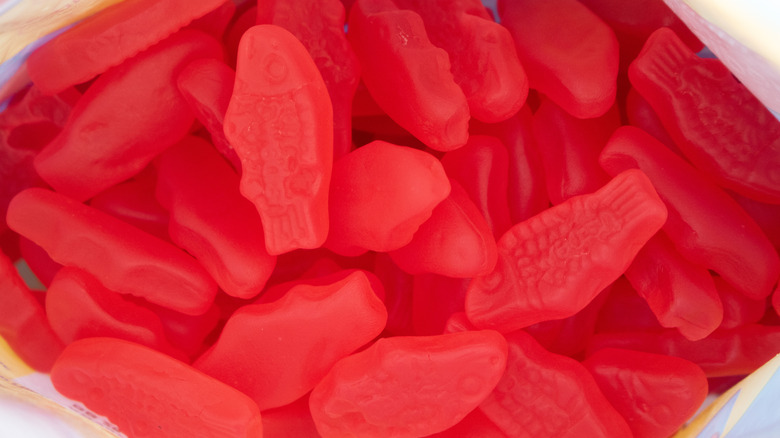
If you had to guess what the most popular candy is in Sweden, you'd probably get it spot on. Yes, it's Swedish fish. The fish-shaped fruity gummy sweets (thankfully they don't actually taste like fish) were created back in the 1950s by the Swedish candy company Malaco, and they're still a major hit today. They're usually not eaten alone, though, but in a huge bag of pick and mix (a national favorite).
Swedish fish is also incredibly popular in the U.S., but there are some key differences with the candies actually sold in Sweden. For starters, there's the name. In Sweden, of course, the candy isn't usually called "Swedish fish," but Pastellfiskar. The name refers to the pastel color of the gummies (in America, they're more of a vivid red shade), thanks to the use of organic dye. But that's not the only difference. In Sweden, these iconic fish candies also have a slightly chewier texture and a more natural flavor, too.
It's probably a good thing that candy seems to be healthier in Sweden. The Swedes love candy so much, research from the Swedish Board of Agriculture suggests they eat 16 kilograms of it per person every year (per Try Sweden). That said, many also adhere to lördagsgodis, which is the Swedish tradition of only eating candy on Saturdays.
9. Carambar (France)
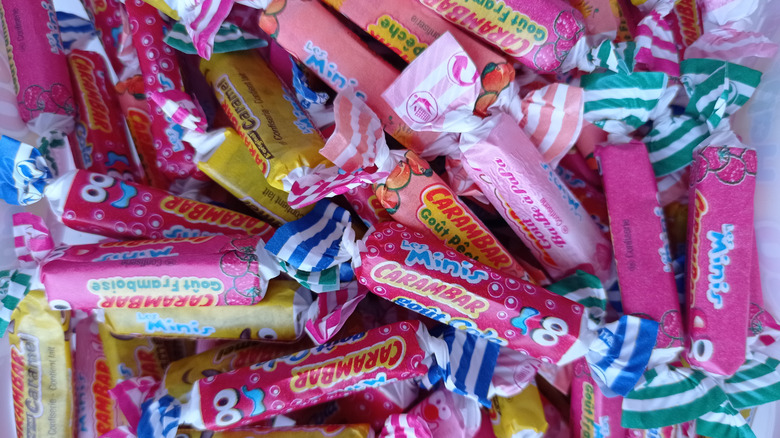
There is much to love about Carambar. The candy, invented in France in the 1950s, started out as an indulgent combination of caramel and cacao, but over the years, several new fruity flavors have been released, including lemon, raspberry, and orange, for example. The branding is also a big draw: Each Caramber wrapper is lined with a joke or riddle, which dials up the fun, nostalgia factor.
Given all of this, it's no surprise that Carambar seems to be the most famous and beloved candy brand in the whole of France. It is consistently a top seller on Amazon, for example, alongside other French favorites like Haribo's Fraise Tagada and oursons guimauve (marshmallow teddy bears). Fun fact, though, according to Carambar, around 2,000 of its iconic candies are eaten every minute. The brand also claims that it produces enough Carambars every year to circle the entire Earth twice.
10. Milk candy (China)
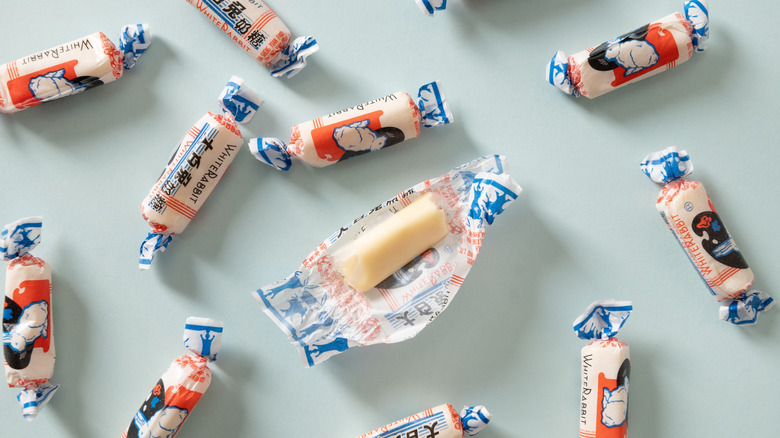
Milk candy is, without a doubt, the most popular candy in China. One of the best-known brands in the category is White Rabbit, which has produced creamy, sweet candies in edible wrappers since the 1940s. Some have compared the flavor to vanilla Tootsie Rolls or British milk bottle penny sweets, but the taste and texture is distinct to the brand. When you eat them, they start off hard (like lose-a-tooth hard), before they start to soften and melt in the mouth.
In China, White Rabbit (which, aside from the original, comes in several flavors, like mango, coffee, and even wasabi) has become synonymous with Chinese New Year, when it is usually given as a present to friends and family. After all, in Chinese culture, white rabbits are seen as a positive symbol, often associated with longevity. But milk candy can be, and usually is, eaten all year round, too. White Rabbits are particularly loved in Shanghai, where they were first invented.
11. Lacta (Greece)
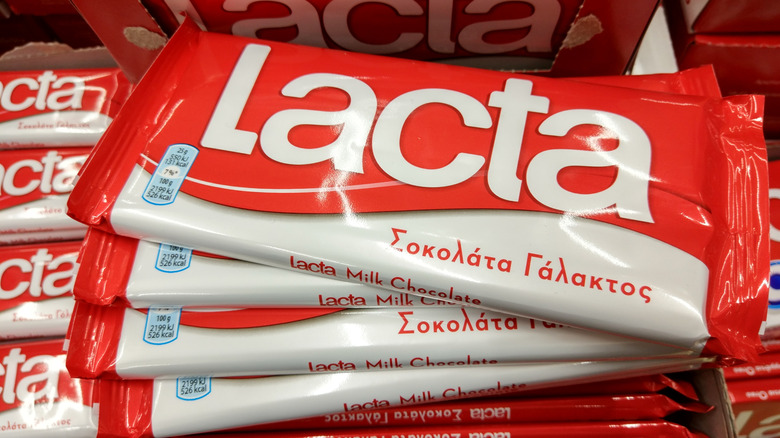
The Greeks are known for many sweet treats. Think galaktoboureko, baklava, and kataifi, for example. But what do people in Greece eat when they're looking for a quick, low-effort chocolate fix? Well, a lot of the time, it's a bar of Lacta.
One of the best-selling candies in the whole country, Lacta is basically a simple bar of creamy, rich milk chocolate, but there are also several other varieties (including Oreo and strawberries and cream). Now owned by Mondēlez International, Lacta has been a staple in Greece since it first hit the market in the 1960s. One of its biggest competitors is ION, which also specializes in simple milk chocolate bars, as well nutty chocolate and chocolate eggs.
People love Lacta for the taste, of course, but also its marketing. In 2022, it managed to reel in millions of Greek viewers when it released a web series all about the different types of love. The hugely successful series made the chocolate company the number one channel on Greek YouTube.
12. SilverQueen (Indonesia)
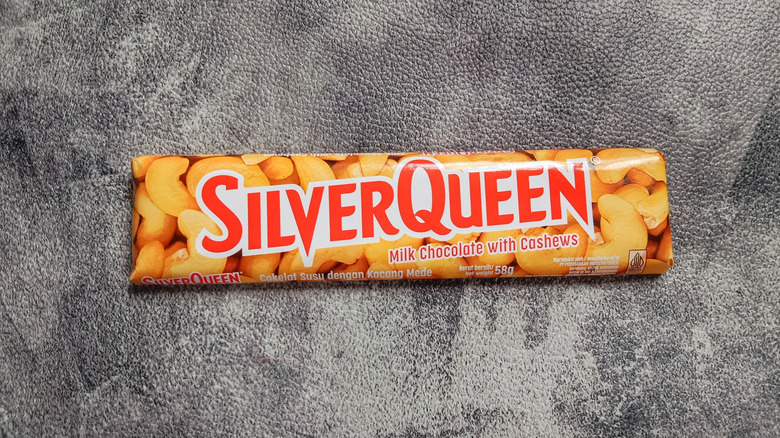
Much like in India (and many other countries), Cadbury is a big deal in Indonesia. But it doesn't have the top spot in the market. That title goes to an Indonesian brand of chocolate, called SilverQueen.
The chocolate brand was originally produced in Garut, West Java back in the 1950s, before production was moved to the region's capital of Bandung. In the years that followed, the simple creamy milk chocolate captured the hearts and taste buds of Indonesian families, presidents, and even spread beyond Indonesia, into neighboring countries like Thailand and the Philippines.
But despite this reach, SilverQueen has stayed true to its Indonesian heritage. The brand regularly celebrates the culture, and in 2023, in collaboration with the Ministry of Tourism and Creative Economy, it released five special packaging designs, each created by local Indonesian artists. The designs featured everything from famous Indonesian landmarks and temples to childhood games and traditional regional clothing.
13. Pran (Bangladesh)
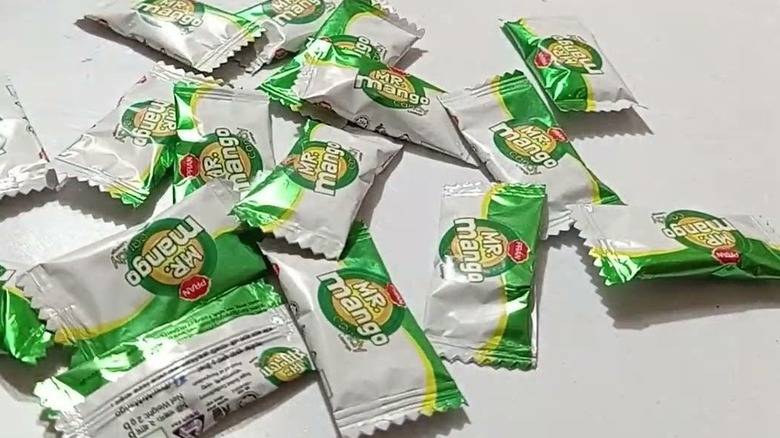
Founded in 1981, Pran is the biggest food and beverage company in Bangladesh. It produces a wide range of food products, including confectionery like Chocolord chocolate bars and milk candy. But its best-seller in the country is, without a doubt, Mr Mango.
The popular brand specializes in sweets like hard candies and lollipops, which taste like, you guessed it, mango. The lollipops, for example, come in flavors like Ripe Mango and Green Mango. The tangy fruity flavor, of course, is one of the biggest reasons why Mr Mango is such a hit in Bangladesh, but the brand has also nurtured a fun, creative marketing presence with a range of upbeat commercials on social media. At the time of writing, Mr Mango has amassed nearly 2 million followers on Facebook.
Pran isn't alone. Another popular candy brand in Bangladesh is Perfetti Van Melle. In fact, after Pran, the Italian confectionery company, which is behind brands like Mentos and Alpenliebe, is the second most popular candy company in Bangladesh.
14. Galaxy (Egypt)
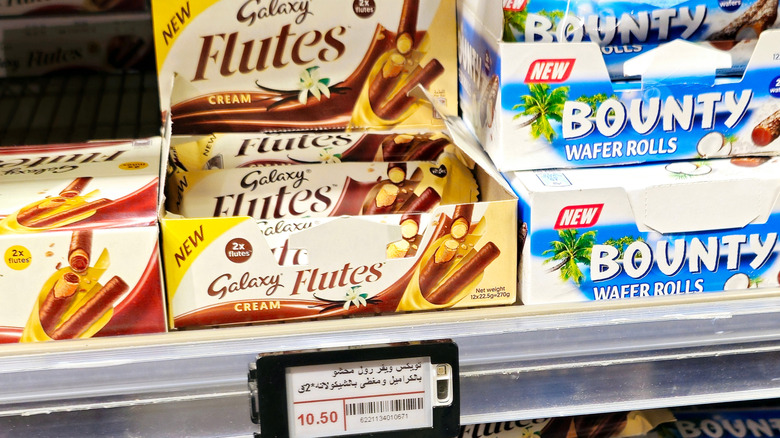
Milk chocolate brand Galaxy launched in the U.K. in the 1960s, and it's still a British favorite. But in YouGov's 2025 survey, none of its most popular chocolate products, like Ripple, Caramel, or Minstrels, broke the top 10. In Egypt, though, when it comes to chocolate, Galaxy is the firm favorite.
In fact, in 2022, Sagaci Research declared Galaxy, which is now owned by Mars, as the number one recommended chocolate brand in the whole of Egypt. KitKat, produced by Nestlé, came in second place, while Cadbury sat in third place. Kinder and Maltesers also made it to the Egyptian top 10.
Galaxy is known for its ultra-creamy milk chocolate products, like its Smooth milk chocolate bar, for example, its Flutes crispy wafers, and its Jewels miniatures. In Egypt, they're sold at major retailers like Carrefour and Amazon. Fun fact: If you're in the U.S., you probably know Galaxy under a different name, Dove.
15. Drop (The Netherlands)
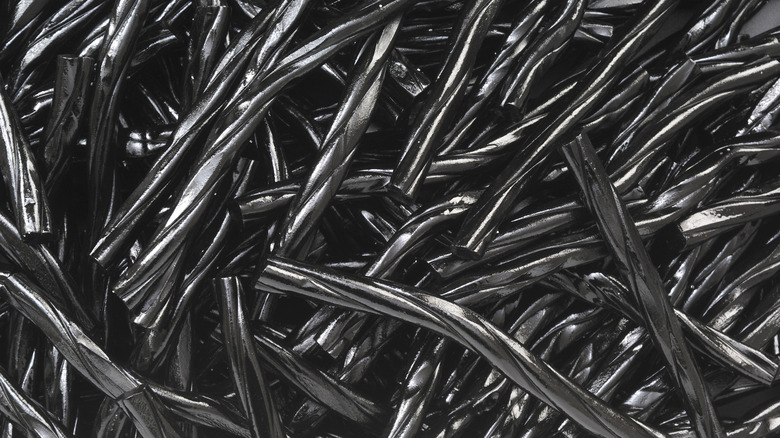
Drop, which is Dutch for licorice, is not just a big deal in the Netherlands, it's huge. In fact, according to licorice supplier Klepper & Klepper, Dutch people consume around 32 million kilos of drop every single year. If you've been to the Netherlands, you're probably not surprised by this fact, given that licorice is sold virtually everywhere in the country.
The Dutch are unique in their united love for drop, as the rest of the world seem to find the sweet treat quite divisive, due to its strong, earthy flavor. Drop is not just any old licorice, either, as it's even more potent than the standard variety, thanks to the addition of ammonium salt.
Perhaps the strangest part of the Dutch love for drop is that licorice root is not actually native to the Netherlands, but to Southern Europe. It likely became such a big hit in the Netherlands because of the country's strong trade links in the region.