

Neither Chia Seed Pudding Nor Overnight Oats: This Breakfast Choice Has Even More Protein
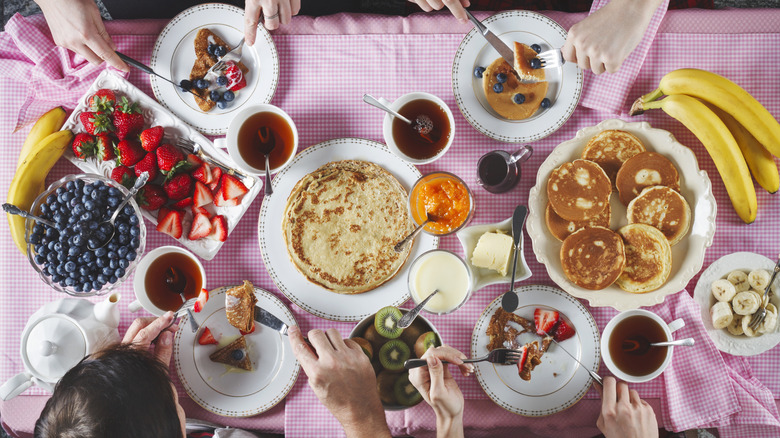
Chia pudding and overnight oats have become popular morning meal options over the last few years, but when it comes to protein, the numbers are not great. Both weigh in at around 10-15 grams of protein per serving, depending on what else you stir in. That's fine for a snack, but far from the 30 grams nutritionists recommend at breakfast to stabilize blood sugar, prevent mid-morning hunger, and support muscle growth and repair.
A single piece of chicken fried steak (42 grams of protein per 342 gram serving) will provide much more protein than a portion of chia pudding or overnight oats. However, if you're looking for something requiring less hands-on prep during busy mornings, a cup of Greek yogurt packs some 20 grams of protein. Similarly, three eggs will deliver about 20 grams of protein, while a cup of cottage cheese can provide over 30 grams ... all technically doable, but bordering on monotonous in a way some might begin to find unappealing. Many people find it's easier, and more satisfying, to combine a couple of protein sources instead: eggs with sausage, yogurt with nuts and fruit, or even a scoop of collagen stirred into coffee alongside a balanced breakfast.
Foods naturally dense in protein — like meat, fish, dairy, eggs, seeds, and legumes — are the workhorses of breakfast in many food cultures. A Japanese breakfast features grilled salmon and miso with some tamagoyaki. A Mediterranean table might include eggs and cheese alongside vegetables and bread. The American reliance on cereals is more recent, industrial, and less balanced. When you're asking "what's higher in protein than chia or oats," the honest answer is, pretty much anything else from these traditional building blocks. The key is choosing what's right for you, which you'll actually prepare and enjoy eating regularly.
Breaking down your breakfast
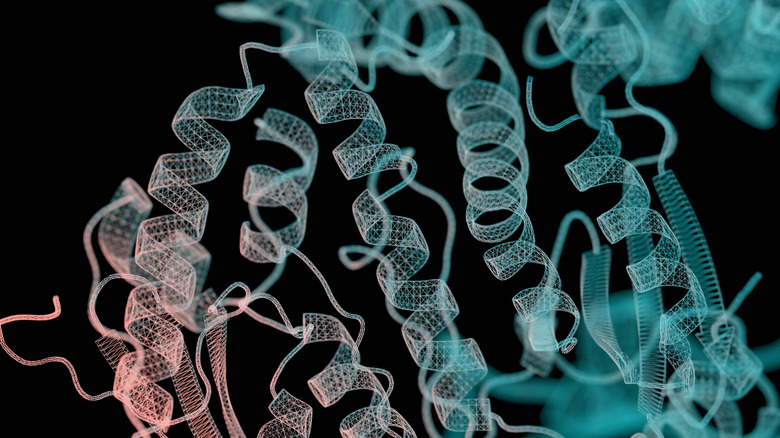
Protein helps muscles repair and build, but there's actually more to it than that. Every cell relies on it: enzymes that speed up chemical reactions, hormones that signal hunger and fullness, and structural proteins that form hair, nails, and connective tissue. What makes protein unique is that it's built from amino acids, some of which the body can't make on its own. These "essential" amino acids have to come from food. Science shows that protein slows digestion and moderates the rise of blood glucose after eating. When breakfast is built mostly on carbohydrates, even wholesome ones like oats, glucose spikes and dips more sharply, often leading to mid-morning hunger. Adding protein steadies that curve.
Animal-based proteins like eggs, dairy, and fish are often called "complete" — that means they contain all nine essential amino acids in the ratios that your body needs. Plant sources like beans, lentils, or nuts usually provide some but not all, which is why combinations matter. A meal with rice and beans, or hummus and pita, can end up delivering the full spectrum. Pairing two or three moderate sources is usually easier, tastier, and more sustainable than relying on one "superfood." An egg has about 6 grams of protein. A scoop of collagen powder into a smoothie adds 18 grams. A slice of cheese or spoonful of nut butter push the number higher. Together, they build toward the benchmark while keeping flavors, and other crucial nutrients like fat and fiber, balanced.
Breakfast plates that pull their weight
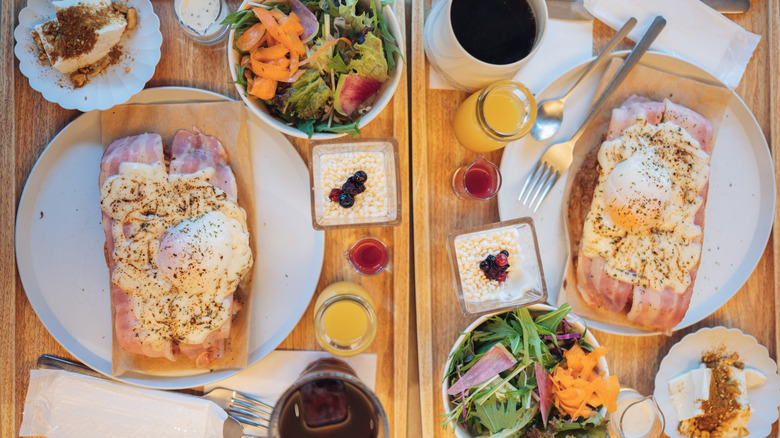
So how do you actually build a nutritionally complete morning plate without feeling like you've got to choke down half a carton of hard-boiled eggs? It helps to pair proteins with fat and fiber, which round out the meal and make it feel like real, enjoyable food rather than a calculation. Two or three scrambled eggs with a patty or two of chicken sausage and sautéed greens is a wholesome choice. A bowl of Greek yogurt layered with berries, chia seeds, and a spoonful of peanut butter balances all three macronutrients.
Even a non-traditional savory option, like leftover meatballs on a slice of whole-grain toast, does the trick. Egg bites, blended with cottage cheese and then baked, are a great, easy meal prep project, they can last all week and also freeze well, and you can add any number of veggie, cheese and meat combos to them to create flavor variety and keep the boring breakfast doldrums away. If you truly love your overnight oats, add in protein powder, hemp hearts, and some nut butter. If you're a bagel guy, add smoked salmon and cream cheese.
Supplements like whey or pea protein, collagen powder or protein-rich skyr yogurt can fill in gaps, but they're best thought of as add-ons to a base of whole foods. You don't have to follow one rigid template, because it's more sustainable to find the combinations you're willing to eat regularly, that your body tolerates well, and that fit into your routine. For some, that might look like a traditional breakfast spread. For others, a quick smoothie with whey protein, almond butter, and frozen greens. The important thing is that each one starts the day with enough protein to carry you through.