

6 Tips For Eating High-Protein Meals Without Wasting Money
We may receive a commission on purchases made from links.
Protein is a hot topic in the food world as of late, and not just for those who like to hit the gym. Swapping out carb-heavy dishes for meals high in protein is a great way to provide your body with healthy, sustained energy — coffee and energy drinks be damned. But as grocery prices skyrocket, it sometimes feels like the only way to hit protein goals is to choose between draining your bank account or settling for chalky shakes and watery canned tuna every day.
We had the chance to pick the brain of a protein-focused chef, media personality, and author of "The Powered by Protein Cookbook" Jackie Hartlaub to learn how she adds a protein boost to every meal on the cheap. Hartlaub is a whiz at creating nutrient-dense dishes that don't force you to succumb to a restrictive diet, sacrifice flavor, or drain your bank account. She talks technique, sheds some light on inexpensive, protein-packed ingredients, and keeps the conversation based on budget-friendly recipes that anyone can start adding to their weekday meals. Employ these tips to help you meet your nutrition goals with delicious dishes you'll look forward to — the protein powder and cans of fish collecting dust in your pantry will soon feel like a distant, horrible memory.
Shop with a budget in mind
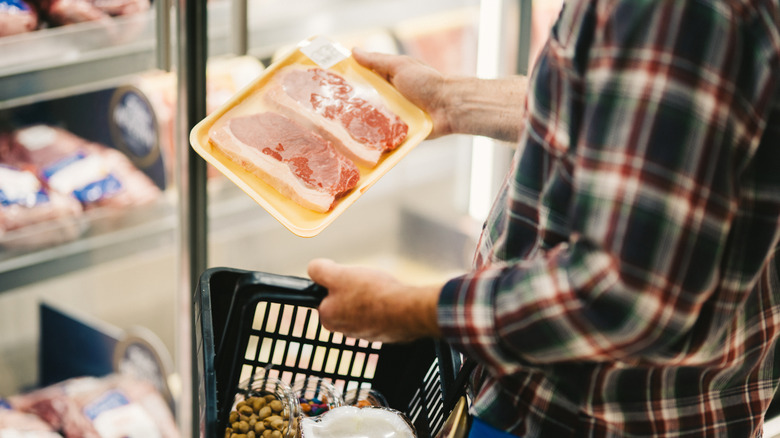
One of the most prevalent myths in the world of healthy eating is that high-protein diets are always either cheap or delicious, but never both. But whipping up filling, low-carb meals doesn't have to mean stocking your fridge with bougie cuts of steak or filling your freezer with expensive seafood. There are plenty of inexpensive ingredients that don't come with a significant price tag, like soy-based products, certain cuts of beef, beans, lentils, chicken, and tinned fish.
As food prices go up, it becomes more difficult to create a plan for high-protein meals on a budget, but it's still far from impossible. "Grocery prices are high right now, but you can still create delicious, high-protein dishes every week without breaking the bank if you learn how to shop smarter, look for sales, and utilize less expensive cuts of meat," says cookbook author Jackie Hartlaub. Instead of always opting for the same cut of beef, try snagging whichever is on sale at your local supermarket, or learn some go-to recipes that utilize affordable cuts of meat. Try swapping out a pricy protein in your favorite recipes with something on the cheaper side, like swapping meat for tofu or textured vegetable protein; you might even discover your new favorite ingredient.
Waste not, want not
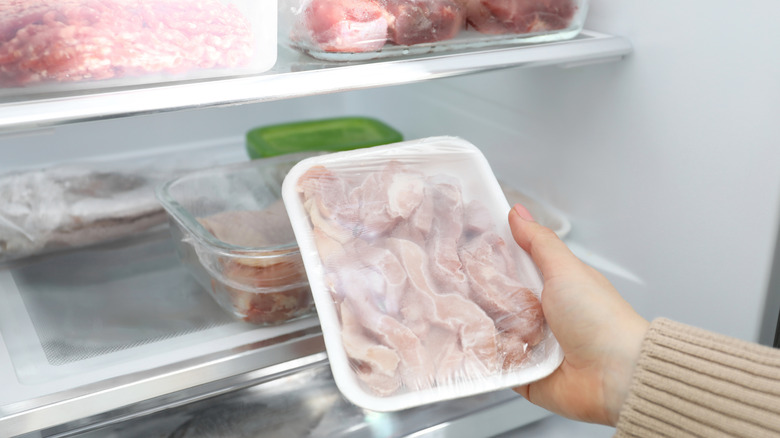
There are some foods in our freezers and pantries that don't see the light of day for several years. It's easy to grab a few afterthought ingredients when you're doing a major grocery run, only to stock them away and forget all about them until they either go bad or lose their appeal — out of sight, out of mind, as they say. Luckily, this common kitchen blunder is as easy to avoid, especially if you're looking to cut back on your grocery budget.
"I always start by looking at what I already have in my pantry, fridge, and freezer so I'm not buying an entire meal from scratch if I don't need to," says Jackie Hartlaub. Always keep an eye on what you have in stock and plan meals that require minimal grocery store trips. Using what you already have — even if you don't have a vast array of ingredients — is a good excuse to get creative and whip up an imaginative meal from scratch, just for the sake of using up foods that you've had for a while. Remember to rotate foods so that they stay fresh for longer and keep everything labeled and dated; this makes it easier to know exactly what you have on hand.
Create meals around inexpensive proteins
When planning out meals for the week, we'll often default to dishes that sound good in the moment instead of planning meals that make the most out of ingredients. This is why Jackie Hartlaub recommends choosing a protein, then building recipes around that protein. Since protein is usually the most expensive part of a meal, it's cost-effective to grab a lot of a cheap meat or veggie protein — brisket or beans, for example — or something that's on sale, and then stock up on ingredients to make multiple meals out of one or two protein sources.
When it comes to inexpensive proteins, Hartlaub is a big fan of sirloin, lean ground beef, chuck roast, skirt steak, deli chicken or turkey, bone-in chicken thighs and legs, whole chickens, and canned tuna or chicken. "When a protein is on the leaner side, I like to incorporate some fat for flavor and when it's higher in fat, I balance it out with lighter flavors," she says. She also stresses that a good rule of thumb to keep food costs down is to keep proteins under $10 per pound.
Learn the proper technique
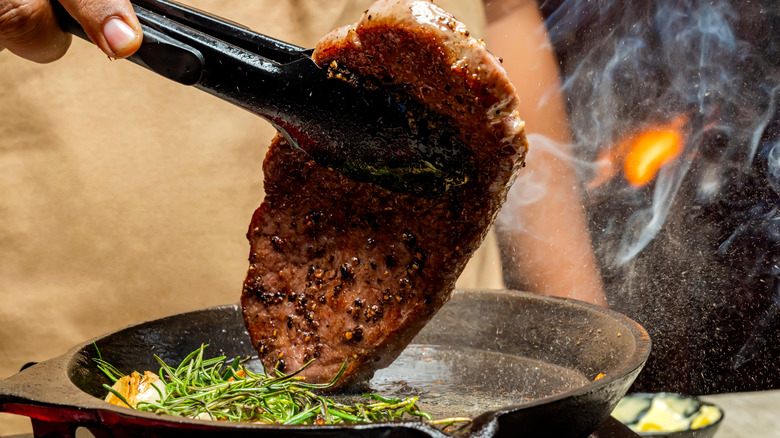
If you're looking to save money and stretch pricey proteins, the first thing to do is make sure you know the right way to cook and handle them. Cooking meat is much different than cooking grains and veggies, so don't waste your expensive cuts of meat or seafood by cooking them improperly and rendering them inedible, or not storing them properly. Before you start stocking up on protein-rich ingredients, learn how long ground beef lasts in the fridge or some tricks to make sure seafood stays fresh for longer. That way, you're less likely to wind up with spoiled food and wasted money.
Once you know how to store your ingredients, find your preferred technique and stick with it. "Find the temperature you like best for beef, get a thermometer, and stop guessing, that way you're not wasting expensive cuts by overcooking or undercooking," says Jackie Hartlaub. She also stresses the importance of utilizing as much of the protein as you can: "If you buy bone-in cuts, save the bones for stews and broths. I also make sure fat is properly rendered — it makes proteins taste better and go further. Any fat trimmings from cuts like brisket or chuck roast, I'll render into beef tallow to use as a cooking fat instead of oil."
Opt for unlikely, inexpensive protein sources
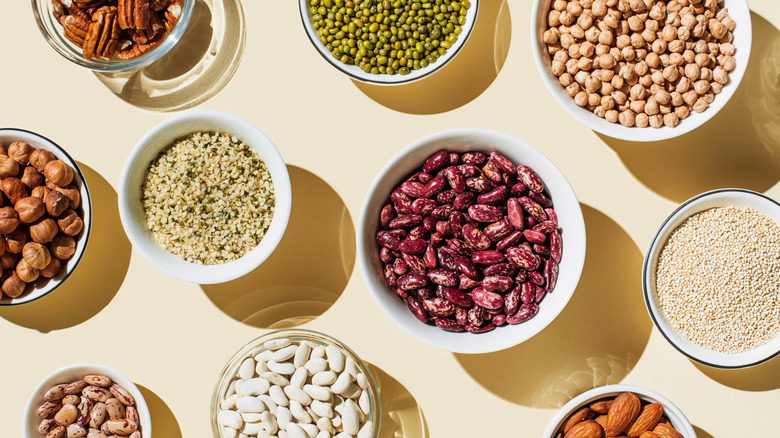
When you hear the word "protein," you probably picture a spread of tasty slabs of well-marbled beef and ocean-fresh seafood galore. But there's a whole world of unconventional, protein-rich ingredients that are far cheaper than other go-to protein sources. Jackie Hartlaub's favorite budget-friendly protein sources are canned chicken, cottage cheese, whole milk, eggs, and Greek yogurt. These protein sources can all be whipped up into quick, cheap snacks or lunches — no major prep or long cooking times required.
There are plenty of inexpensive ingredients lining store shelves with way more protein than you probably realize that are often overlooked in favor of meat, dairy, and eggs. Those who abstain from animal products — whether it's for moral, health, or budget reasons — can still meet their nutrition goals with vegan protein sources like tofu, TVP, nuts, chickpeas, lentils, beans, quinoa, spirulina, and even common vegetables like broccoli. Most of these ingredients cost less per ounce than meat, and they're easy to incorporate into meals to up their protein content or to use instead of meat in a favorite recipe.
Leftovers are your friend
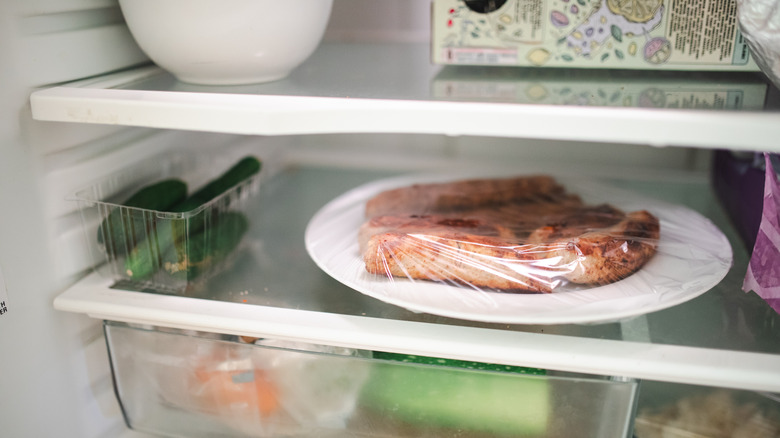
Having too many leftovers is never a bad thing — in fact, as long as you have a few leftover-repurposing techniques under your belt, it's always a cause for celebration. Buying proteins in bulk usually saves you money in the long run, so don't be afraid to cook everything and save it for future meals. You can slow cook a roast or lots of chicken thighs and then save them in the fridge or freezer for future recipes.
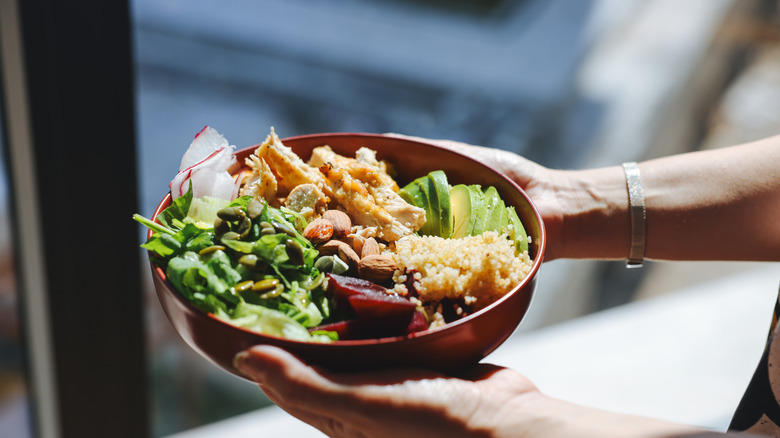
"Leftover meat is my favorite kind of leftover because it's usually the part of the meal that takes the longest to cook," says Jackie Hartlaub. She explains that she reheats leftover steak to make steak and eggs, turns white meat chicken into chicken salad, and heats up bone-in chicken using the air fryer. She also recommends repurposing leftover proteins into simple (but delicious) bowls with a starch, like rice or potatoes, and a mix of veggies. Having a little bit of cooked meat in the fridge at all times is especially helpful if you have a busy schedule and don't have time in the evening to wait for meat to cook.