

The 10 Best Scotch Whiskies Under $50
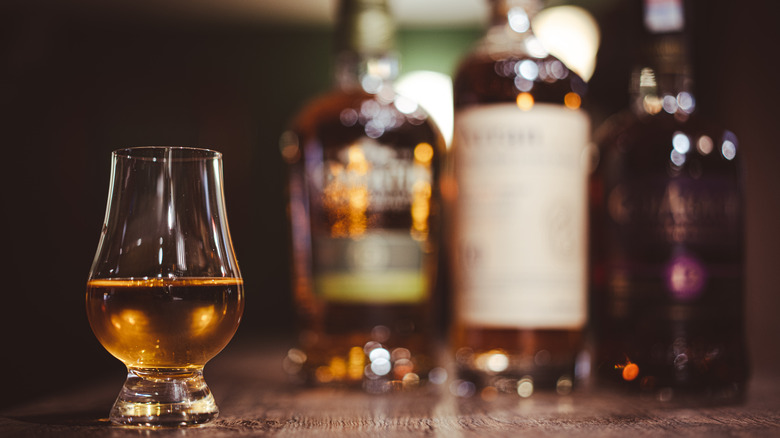
One of the only downsides of Scotch whisky is that it can be expensive. Of course, there are still many great bottles that can be found at affordable price tags. I've personally had the chance to taste almost countless bottles of Scotch over the years, both before and during my extensive time as a food and drink writer. This has allowed me to work out which ones are great value for money, and which leave a little to be desired.
Given my vast experience with the alcohol, I've put together a list of 10 bottles that deliver consistent quality time and time again. While some of these bottles may be more expensive in some stores, all 10 of them can easily be found for under $50 (again, depending on the location and how you purchase it). At this price point, whiskies can have a fantastic balance of both accessibility and craftsmanship. These whiskies aren't just good for the money, they are good full stop.
Whether you're new to Scotch whisky or a seasoned veteran, you'll find a great range of whiskies here that cover the most famous whisky-making regions of Scotland. Over time, it will be worth trying out each one as it will give you an insight into which type of Scotch you prefer. And thankfully, you can enjoy these whiskies without breaking the bank.
The Glenlivet 12-year
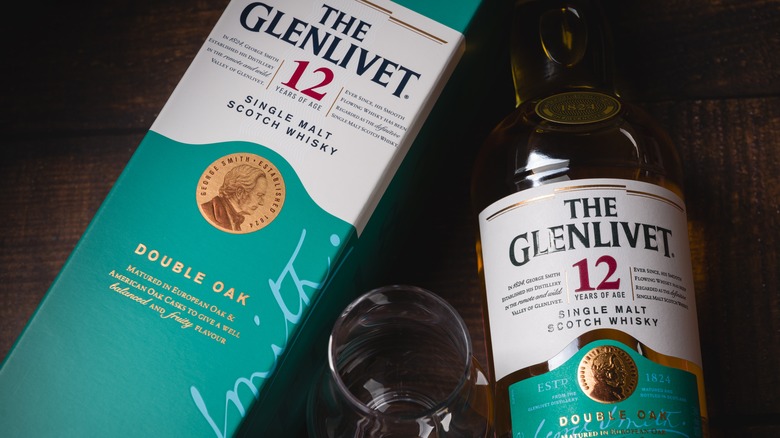
If you wanted the classical taste of Speyside, The Glenlivet 12-year is a great place to start. It's one of the most approachable single malts on the market. By that, I mean that it's smooth to drink and has softer flavors. These types of whiskies can be enjoyed by enthusiasts but are also a good place to start for those new to the world of Scotch whisky. The aroma is lovely here, as you get a nice range of bright citrus fruits, with pineapple being the standout. The palate also has some fruity notes, but they transfer from having a citrus quality to more of an orchard feel, such as pears and peaches. There is only a gentle maltiness there, and it has a nice mouthfeel where you get a presence of vanilla.
As you expect with such approachable whiskies, the finish is lovely and soft. It lingers quite nicely and with a trace of oak spice. It's a flavor combination that partly comes from it being matured in both European and American oak casks. This helps to give it a range of sweet notes you don't find with many other scotches, especially in terms of its fruit influence. It remains a popular Scotch whisky, and for good reason. It may not have the depth of some bottles in this list, but its consistency and balance make it a standout for anyone seeking an elegant yet affordable Scotch.
Johnnie Walker Double Black Label
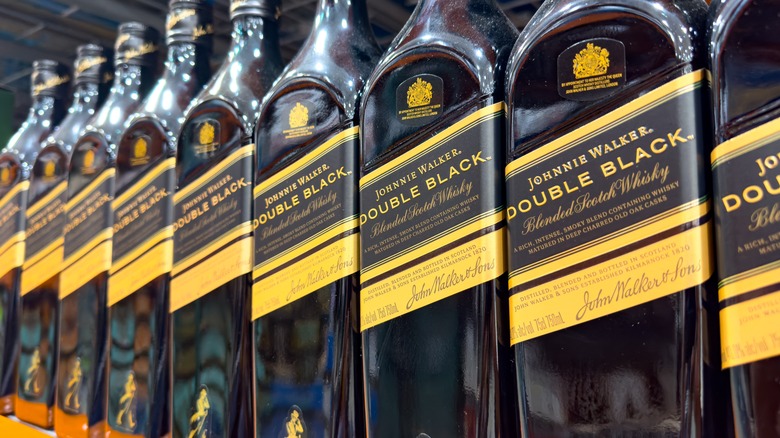
Johnnie Walker takes the unique approach of assigning a color to its range of whiskies. There are actually two cheaper options on the market than the Double Black. The Red is the entry-level option. After that, you get the impressive Johnnie Walker Black Label, which is usually a bit softer and less expensive than its older sibling.
The Double Black is my first mention of peat here, which is a type of organic material that is essentially a precursor to coal. It's used in the whisky process for drying barley, and when used this way, it imparts a smoky flavor to the barley. This leads to the finished product having a higher level of smoky intensity than other Scotches. This is a blended whisky, meaning it doesn't come from one barrel but a mix of them. It isn't stated by the company, but it feels as though a peated whisky is blended here with non-peated barrels, as it's not as intense as a peated single malt. The peat smoke is notable on the nose, along with some roasted oak and dark caramel.
Upon tasting, you'll immediately notice how full-bodied it is and full of flavor. There's a warming spice present throughout the tasting experience, but it's balanced out by a mellow vanilla sweetness. It gives you a good insight into smoky whiskies without being too powerful or overwhelming.
Glenfiddich 12-year
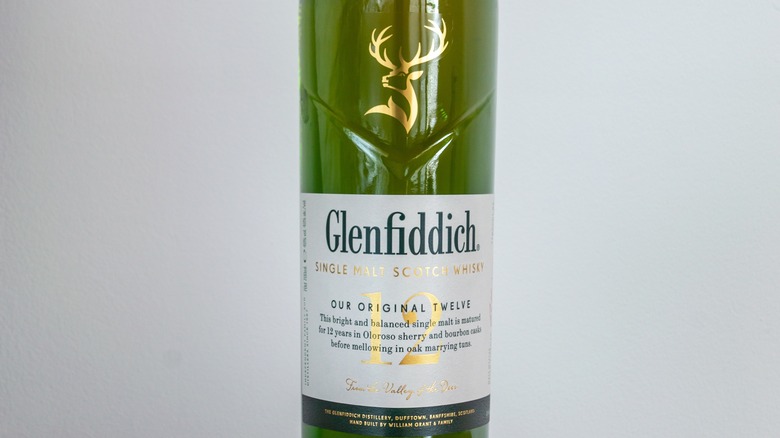
As with Glenlivet, Glenfiddich 12-year is another fantastic example of Speyside whisky. It's one of the fruitier whiskies in this list, both on the nose and the palate. There is a lovely range of aromas here with the aforementioned fruit coming in the form of pears and apples, with a little bit of peach. There is a sweetness from honey and a floral quality to the smell, too. The elegance that you find with the nose impressively transfers to the palate. There is a slight creaminess to the mouthfeel, with the flavors mainly presenting with a malty sweetness and a touch of butterscotch. Pears and apples continue from the nose, and you get some hints of oak and mild spice.
These flavors aren't too deep, but they are still pleasant to the taste buds. A lingering finish with some light spice confirms this as another bottle that is excellent value for money. Glenfiddich claims it to be the most awarded single malt whisky, which is not much of a surprise. It has been around for a long time now and has continued to be an excellent example of both Scotch and the type of smooth whisky commonly found in Speyside. If you enjoy the 12-year, you can make the step up to some of the brand's other expressions, such as the excellent Glenfiddich 15-year.
Glenmorangie 12-year
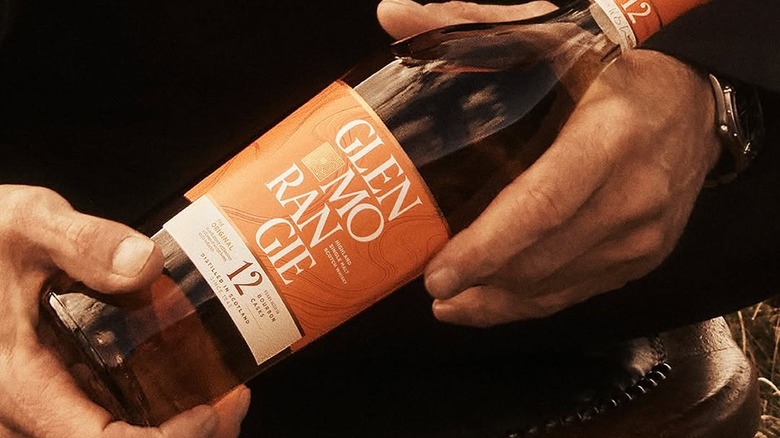
Glenmorangie-12 year is an interesting addition to the range of expressions from this popular brand. I say addition because for a long time the flagship bottle from the brand was "The Original" 10-year. It was a big change, but the two years of added maturation for the new expression has made a notable difference. The biggest change is how the whisky has a much silkier mouthfeel, which is often a sign of extra maturation.
In all, it has many of the same qualities that were present in the 10-year, but the flavors are just a little bit deeper. On the nose, you still get that burst of lively citrus notes, especially with a bright orange zest. Along with a little vanilla and oak, there are also some stone fruits on the aroma that give it a beautiful smell. When you take that first sip, you'll immediately notice a luxurious mouthfeel. The fruits and vanilla sweetness hit you immediately before some more complex notes present themselves. There is a richness to the whisky with some dark chocolate and lingering baking spices.
While these flavors are deeper, they remain as elegant and balanced as the original 10-year. A distillery changing anything about its flagship bottle is a bold move. Given that it still comes with an affordable price tag, I suspect this Glenmorangie expression is going to remain highly popular.
Ardbeg Wee Beastie
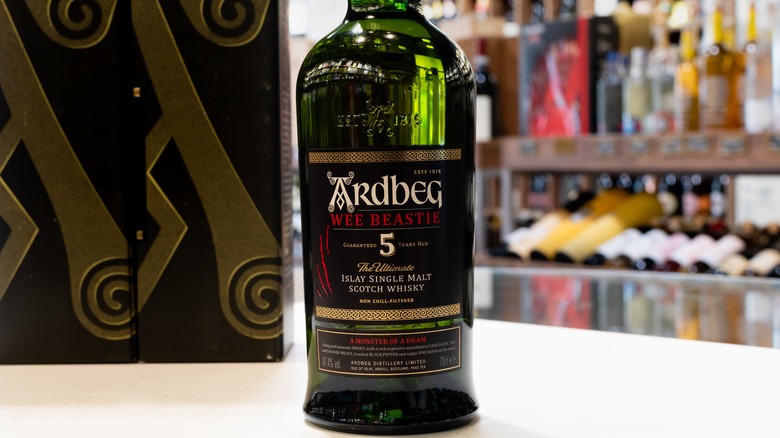
Here we have a whisky that packs more of a punch. Ardbeg comes from the island of Islay, which is synonymous with the peat flavor I mentioned earlier. Not all of the bottles coming from the island use peat, but many of the most iconic ones do. It means that whiskies from these western isles are known for having a robust and smoky flavor.
Ardbeg Wee Beastie is unique in that it proudly advertises a young age statement, with the whisky being a minimum of five years old. Instead of being ashamed of the lower aging, it has proudly embraced it. The brand is seemingly trying to show that a great whisky doesn't have to be aged over 10 years. It has been proved right.
The aroma hits you with the expected smoke but also has a briny quality, which can often be found in coastal distilleries. Some pine and black pepper showcase an overall earthy smell. The palate is powerful, hitting you with smoke and char. That's not going to be for everyone, especially with the pepper and salinity transferring from the nose. There is some vanilla and bright citrus here to balance it out. Impressively, it doesn't have the shortfalls of many young Scotches. It's not thin or overly harsh, and the finish isn't short either. For peat lovers like myself, it packs an impressive range of big flavors.
Glen Grant 12-year
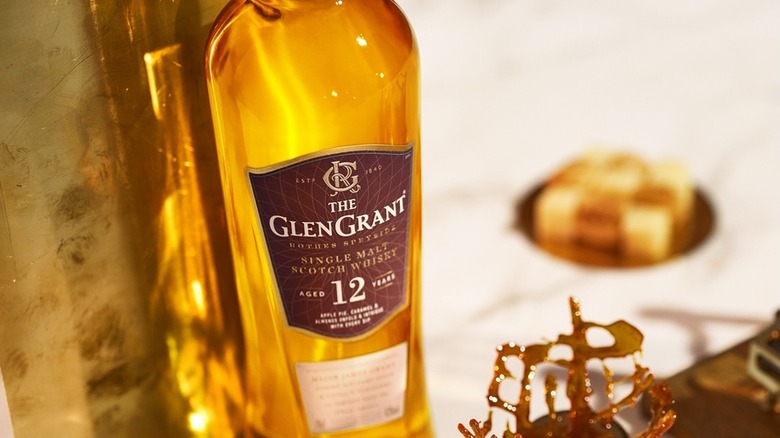
I have a bit of a soft spot when it comes to Glen Grant. It was the first distillery I ever visited, back when I was just eight years old. Rest assured I didn't participate in any whisky tasting back then, but I've enjoyed more than a few bottles since I passed the requisite age. Its 12-year bottle is yet another which shows the polished and elegant style familiar with so many Speyside expressions.
This expression is the antithesis of the Ardbeg I just talked about. The Glen Grant 12-year is all about clarity and sweetness, with no oaky or smoky tones. The nose is crisp with orchard fruits and has some strong honey and vanilla notes. Some almonds come through, along with a bright citrus lift.
On the palate, it's impeccably clean. All the notes from the nose transfer to the tasting experience, where they are joined by caramel and gentle spices. The texture is smooth and it's incredibly easy to sip. Some may feel it lacks character, but there are times when I want a whisky to play some classical piano instead of heavy rock. I'm sure any whisky-lover can relate to that analogy. It's a well-made single malt that balances fruit and sweet flavors rather than earthy notes. It's another that is good for beginners, while it more than holds its own for experienced bourbon enthusiasts.
Bunnahabhain Stiuireadir
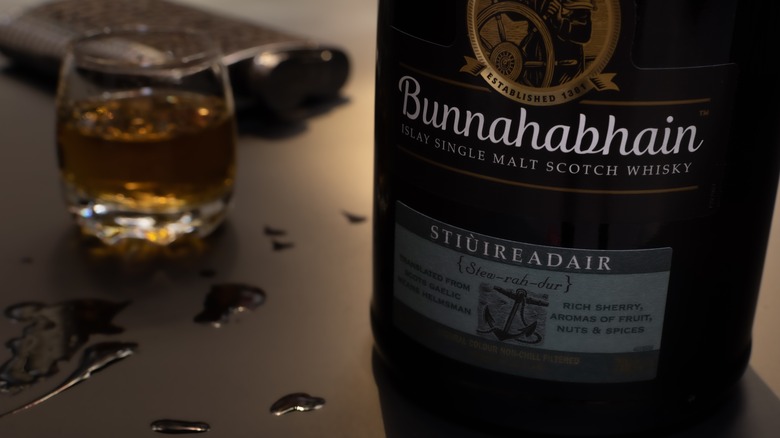
Bunnahabhain Stiuireadair is an Islay malt with a difference. I mentioned how not all distilleries from the island rely on peat, and Bunnahabhain is a good example. While the brand does use it in some of its range, the Stiuireadir is unpeated. When you add in the fact it is finished in old sherry casks, it makes for a whisky that goes against the island's traditional style. There's no age statement on this bottle, but the creamy and full-bodied mouthfeel showcases a good level of maturation.
Despite not having the heavy smoke of many of its neighbors, the maritime influence is still clear here. There's a gentle salty brine on both the nose and palate. That nose also offers some apricots and raisins for a darker fruit aroma than many other bottles here. Additionally, all those notes can be found on the palate. They are joined by some dark chocolate and sherry, with only a gentle spice and smoke.
The finish is long and warm, with the fruit notes surprisingly lasting longer on the taste buds than withy many other whiskies. For enthusiasts, it gives you a great insight into how a coastal scotch can taste without relying on peat smoke for added flavor. It's this mix of factors that makes me think it's one of the most underrated Scotches available today.
Tomatin 12-year
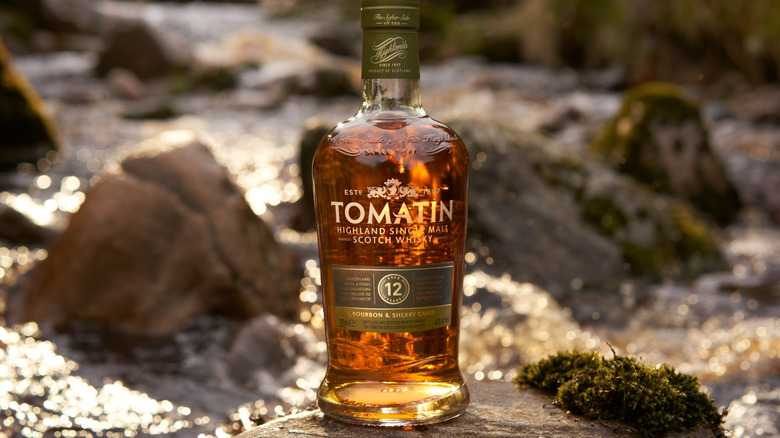
In my view, age statements are much more important for Scotch than bourbon. A huge reason for this is that Scotch is matured in used barrels, whereas bourbon is matured in new barrels. Either way, 12 years seems to have become the de facto point where brands offer an affordable option (before the more premium options). On that note, this Tomatin expression is an elegant and refined whisky that comes from the Scottish Highlands.
As with a few whiskies here, it's matured in ex-bourbon casks, but finished in sherry casks. This helps impart fruitier qualities to the whisky to give it a greater breadth of flavors. Those fruit notes are quite diverse on the nose, too, as you can pick out a few different orchard fruits, including apples, pears, and mango. Added with sumptuous honey, it's a lovely aroma.
The palate is equally impressive. If fruits carry over from a nose with Scotch, they are usually quite subtle, but there is a prominent apple taste here. That sits among a buttery texture that elegantly displays a vanilla sweetness while offering a strong foundation of warming spices. The finish isn't incredibly long but is still satisfyingly warm. It's a bright whisky that finds that often elusive balance of being both approachable yet complex. The flavors aren't quite as deep as a few other bottles here, but the range of them is what impresses. Not only can it be found for under $50 as of this writing, but at that price, it's also an excellent value.
Chivas Regal 12-year
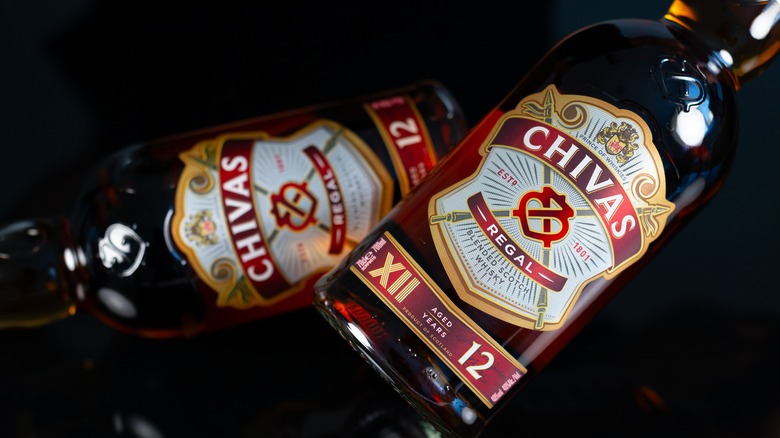
Chivas Regal is a brand with an interesting history, in no small part to being one of Frank Sinatra's favorite drinks. After Johnnie Walker, it's the second blended whisky on this list. That blend gives it an inviting range of aromas including herbs, heather, honey, and orchard fruits. It's one of those whiskies where every time you go to sniff, it feels like you can spot a new smell.
As is almost always the case, a great nose leads to a great whisky. It has a creamy mouthfeel that is common amongst well-aged blended whiskies. That mouthfeel delivers delicious sweet flavors of honey, vanilla, and butterscotch. It's almost reminiscent of a bourbon in that respect, but there are earthy flavors here, too. There's a subtle hazelnut, and a range of spices start to present themselves just before and continuing through the lingering finish.
The flavors aren't quite as sharp as you'll usually find with a single malt, but are still impressive. While it's perfect for sipping, blended whiskies such as this are often a great addition to high-end cocktails. It's the type of whisky that will appeal to a wide range of palates, and can be appreciated by anyone who enjoys a good Scotch.
Laphroaig 10-year
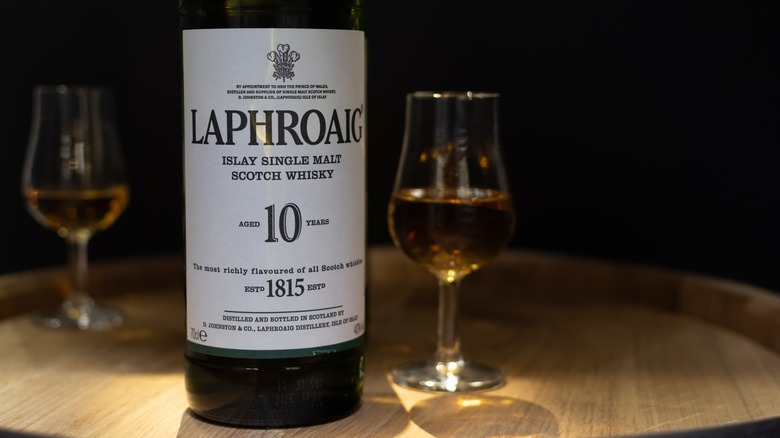
A powerhouse of the whisky world, the Laphroaig 10-year is an iconic whisky — and I'd say the most famous example of peated whisky. It embodies that bold and smoky character better than any other. Medicinal iodine is present on the nose, which is kind of like an antiseptic smell if you're unaware, along with seaweed and peat smoke.
Now, some reading this may imagine it smells vile (my partner would agree). It's a whisky that can hit you like smelling salts if you take a big inhale from the rim of a tasting glass, though Laphroaig fans like myself adore the smell. The palate is equally bold, but there's a sweetness that comes from vanilla and honey. The craftsmanship and aging also mean it has a full mouthfeel and no harsh alcoholic burn, allowing the robust flavors to be perfectly presented. Those flavors come from charred wood, smoked meats, and maritime salinity.
The finish is long and warming, with the peat smoke and spice gently easing away from your taste buds. In a world where brands can try and cater to everyone, Laphroaig sits proudly in its niche. You have to like peat to enjoy this whisky, but thankfully, there are many other options here if you don't. This bottle is possibly the one option here that is most likely to be over the $50 mark in liquor stores, but it's always easy enough to find it below that mark online.