

6 Foods With More Vitamin C Than Oranges
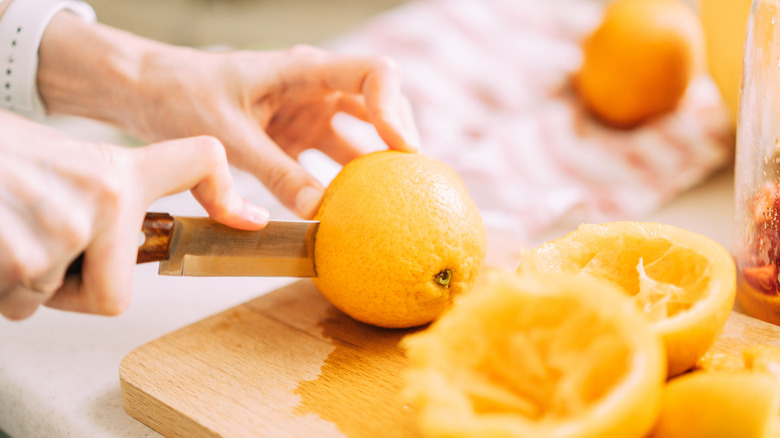
Oranges have an excellent PR team that has forever linked them to vitamin C. They're the fruit we picture in every cold and flu season ad, the juice poured at breakfast, the cure that keeps sniffles away. An average orange has about 70 milligrams of vitamin C, enough to cover the daily recommendation for most people, but it's not the top of the chart. A handful of other fruits and vegetables actually contain more vitamin C per serving than oranges.
How vitamin C and oranges became synonymous is part biology, part history, and part marketing. Sailors in the age of exploration carried citrus to ward off scurvy, vitamin C deficiency often decimated crews on board. Centuries later, American orange growers in the early 20th century faced mountains of surplus fruit and turned to advertising, positioning orange juice as the modern breakfast drink. That campaign, paired with the discovery of vitamins, cemented oranges as the cultural symbol for staying well.
But in fact, almost every plant contains some vitamin C; it is used as an antioxidant, repairing damage from sunlight and stress. How much makes it to your immune system depends on ripeness, preparation, where it was grown, and even how long it sat on the shelf. That's why nutrition tables vary, and why some produce that seems "mild" can actually outpace citrus by a wide margin. From tropical fruits to the berries of northern climes, their levels range far higher than the modest 53 milligrams of vitamin C per 100 grams in an orange.
Rosehip
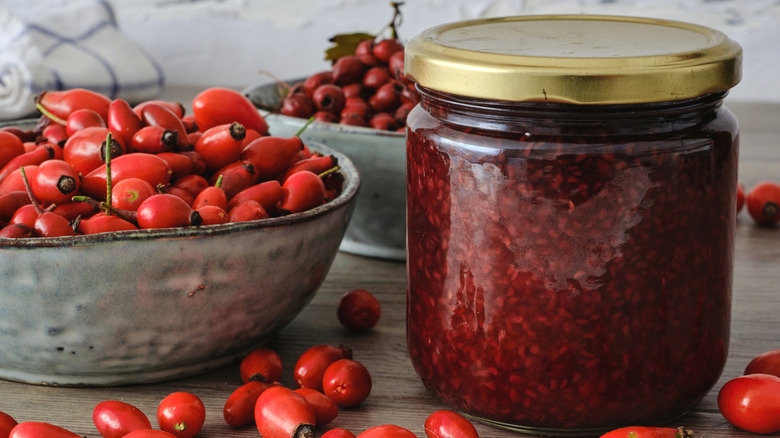
Rosehips, the small fruits that form after roses bloom, top the list by a lot. Weighing in at about 426 milligrams of vitamin C per 100 grams, they pack over eight times more than an orange. Often used in jams or dried for tea, they're tart, floral, and one of the most nutrient-dense fruits you can forage. If you're not picking them yourself, you can find them in some form at most natural food stores.
Guava
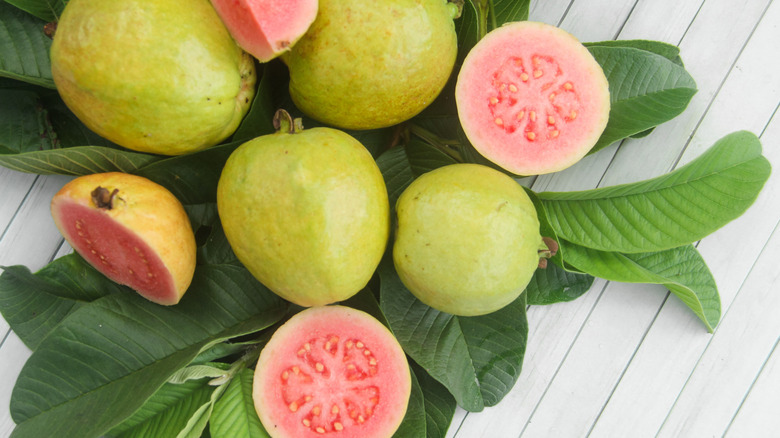
One guava delivers about 228 milligrams of vitamin C per 100 grams, more than four times an orange. Sweet and tart with a heavy, distinct fragrance, guavas are filled with hard seeds that are usually processed in some way to make them easier to eat. Guavas are common in Latin America, where they're cooked down into jams, sauces, and dense pastes. They're also often combined with pineapple and orange in POG juice.
Blackcurrant
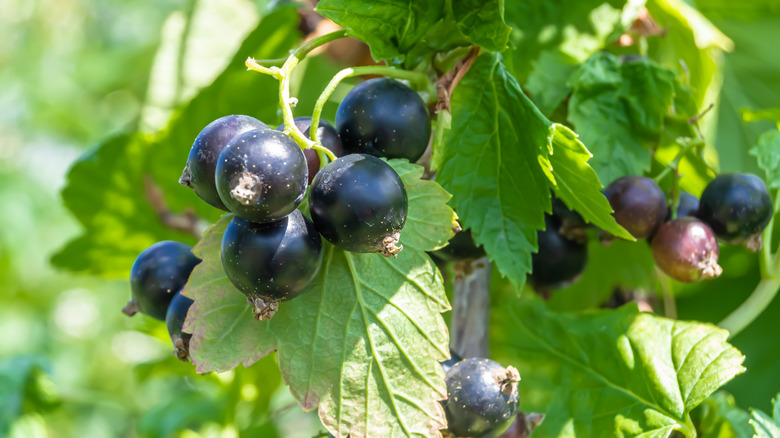
Popular in Europe but less common in the U.S., blackcurrants bring a bracing, almost wine-like tartness to jams, cordials, and candies. At 181 milligrams of vitamin C per 100 grams, they more than triple the orange benchmark. Once banned in the U.S., they're no longer contraband and can be found in specialty and import stores, usually frozen, or in jams and syrup.
Red bell pepper
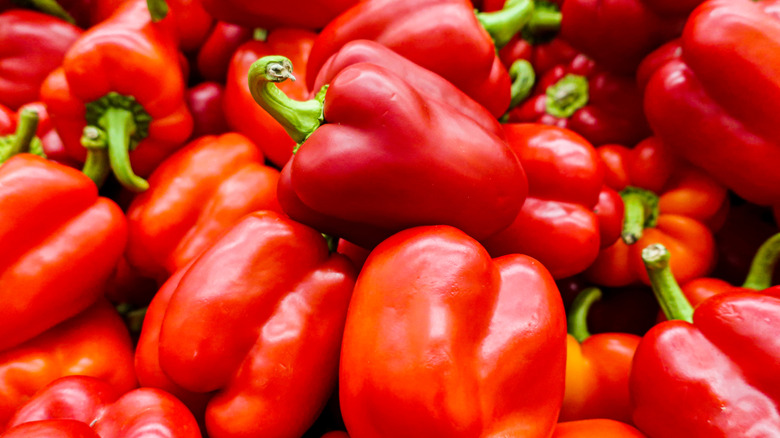
Red bell peppers are a surprisingly great, low-sugar source for vitamin C. With about 128 milligrams per 100 grams, they deliver more than double what an orange does. They're also high in vitamin A and B6. Mild and sweet, red peppers are incredibly versatile. They're an easy raw snack, and can be tossed in salads or roasted into sauces and dips, where their bright color and flavor match their nutrient profile.
Kiwi
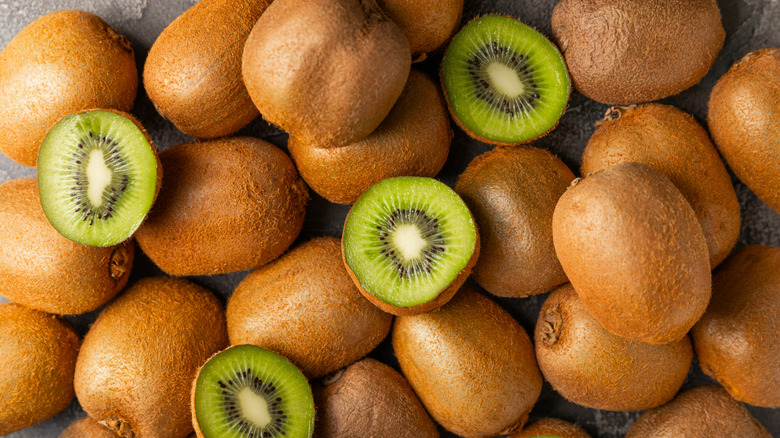
Slice inside a fuzzy kiwi, and you'll find the bright green, tangy, and texturally intriguing interior loaded with about 93 milligrams of vitamin C per 100 grams, almost double an orange. Native to China but now grown all over, from New Zealand to Southwestern Europe and California, kiwis add tropical brightness to fruit salads and smoothies. Some people eat the skin, but they're also easy to peel using the back of a spoon.
Kale
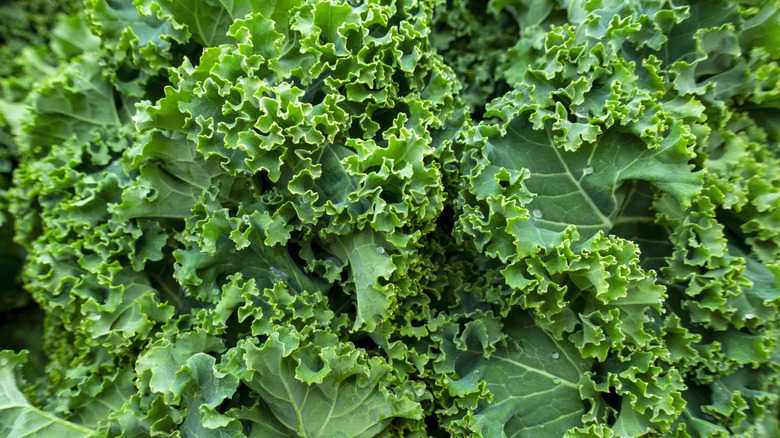
Kale is amazing. In addition to being rich in fiber, calcium, and antioxidants, the raw leaves provide about 93 milligrams of vitamin C per 100 grams, on par with kiwi. Although it can be eaten raw, juiced, or added to smoothies, most people will find lightly blanched or massaged kale more digestible than fully raw; just be warned that cooking slightly reduces the vitamin C content. Kale can also be combined with (or replace) basil in pesto.