

10 Creative Pumpkin Pie Toppings That Aren't Whipped Cream
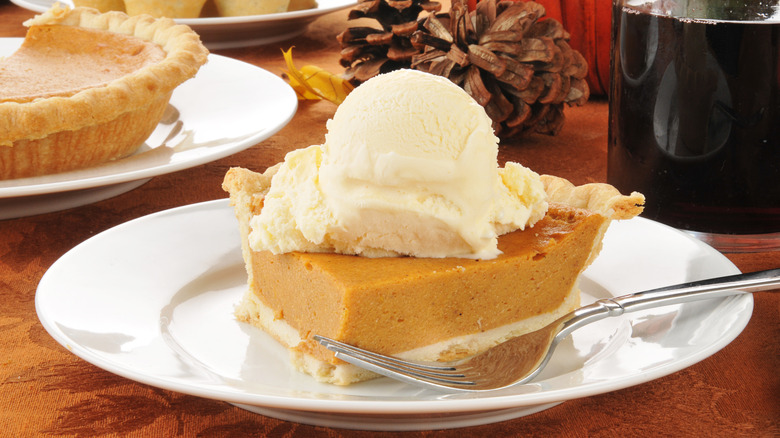
Pumpkin is one of those vegetables that can sway savory or sweet depending on how it's cooked. It's a welcome ingredient in curries, smoothies, salads, and pie, as it's incredibly versatile. Because it has such a dynamic reach, it's always been shocking to me that pumpkin pie is typically served in the same manner: topped with a dollop of whipped cream. Yet, each year families all over the United States finish off their Thanksgiving dinner the same exact way. As a recipe designer and chef I'm always looking for ways to personalize classics, and swapping a topping is a great place to start. Together, let's explore creative pumpkin pie toppings that aren't whipped cream, so your Thanksgiving dessert doesn't look and taste like everyone else's.
While it's wonderful to carry on a family tradition, nobody's singular bloodline can take credit and claim for the coupling of pumpkin pie with whipped cream. Start your very own tradition by thinking outside of the box and creating a memorable topping for that smooth and silky, classic pumpkin pie that we wait all year for. Explore flavor, texture, and temperature. Create contrast, play up on the savory notes of the vegetable, and add a botanical twist. There are so many options to explore. It's time to let your culinary creativity shine, and add your own sparkle to the season of traditions. Now, grab your apron and let's get cooking.
1. Pink peppercorn
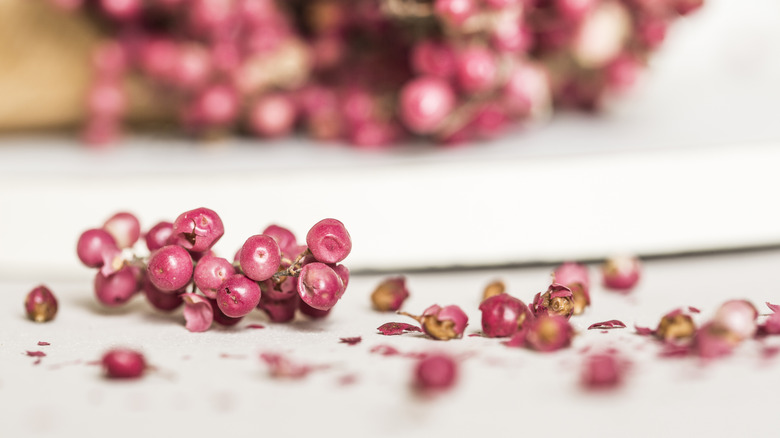
I grabbed a bottle of pink peppercorns at a farmer's market a few years ago before I had a full understanding of its potential. I expected to use it mostly in savory cooking, but upon tasting and researching the bright spice, I knew its reach was much greater. Pink peppercorns are not actually peppercorns, but instead dried berries. They do have a peppery undertone, but their dominating flavors are citrus, floral, and fruity notes. A handful of crushed pink peppercorns can adorn a seafood or white pasta dish beautifully, but can also enhance your sweet treats. This is why using pink peppercorns in desserts like pumpkin pie can offer some texture and flavor that's consistent with the big, ultra sweet picture.
There are several ways you can go about adding pink peppercorn to your desserts. The first is to toss them on whole after the pie bakes. These little bright pink balls are decorative and can add some visual whimsy to the pie. Crushing them can add more texture to the dish. You can do this using your hands, as pink peppercorns will flake apart easily. This dusting can have a beautiful effect, and enhance the dish, giving it a gourmet upgrade. Lastly, you can place them in a pattern. This can be fun and playful, and can give your pie a distinctive look.
2. Fall ice cream flavors
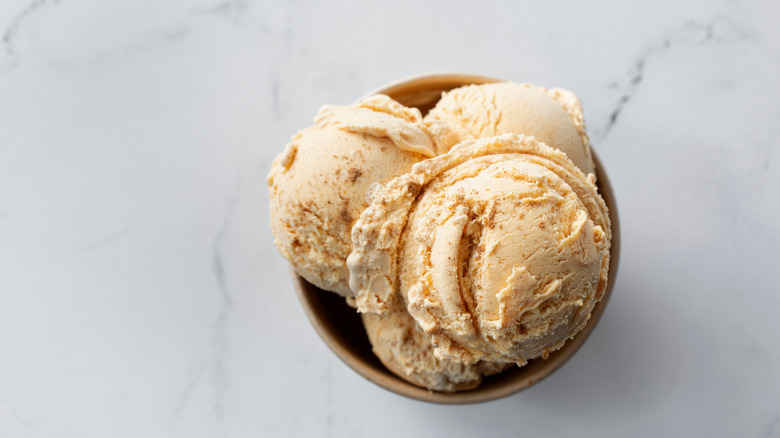
Another classic topping for pumpkin pie is vanilla ice cream. Just about everyone loves a scoop of vanilla ice cream, which has many similarities to whipped cream. However, we can't forget that ice cream comes in endless flavors. Fall ice cream flavors can help to complement the pie without stealing the show, or falling into a predictable dessert rut. Consider sweet flavors that remind you of autumn, like maple. Perhaps fruity flavors like apple or cranberry can help complete the dish, and might even help to offer cohesion with the rest of Thanksgiving dinner.
My favorite fall-time ice cream flavor to pair with pumpkin pie is cardamom. Yes, you could go full pumpkin-spice, but that feels almost redundant. Cardamom is a subtle warming spice that is sometimes found in pumpkin spice. It has a warming minty undertone with floral and citrus flavors. It's aromatic, delicate, and has an earthy aspect that seems to tie in well with vegetable-themed dessert. It won't overpower the pumpkin flavors, and is a more exciting spin on your basic vanilla ice cream. This is a great option if you're not ready to take a major leap from the classic whipped cream pairing, but also want to initiate some subtle change.
3. Fried sage
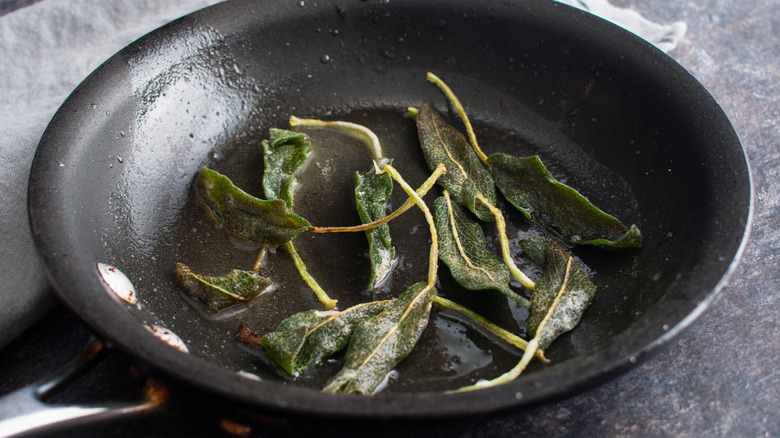
Herbs don't get used in desserts often enough. One of the brilliant things about making a dessert out of vegetables, besides the incredible health benefits, is its great relationship to herbs that are typically considered savory. Sage, which has been a culinary staple for thousands of years, can help to enhance anything from pasta to cheese to lemon pudding. One of my favorite variations of pumpkin pie includes goat cheese and sage. However, sage can make for an incredible toppings as well, all you need to do is fry it.
Have you ever had crispy sage? It's easy to make, and can help bring your pumpkin pie to the next level. Right before you serve your pumpkin pie, heat some butter in a stovetop pan until it sizzles. Drop a few whole leaves of sage into the butter, and let it fry until it's crispy. When you bite into it, you should feel a distinct crispy crunch, like a delicate potato chip. I like to use salted butter to help enhance the sage, but extra virgin olive oil can work too for a vegan version. Place a few crispy sage leaves on top of your pumpkin pie while they are still hot, and serve fresh. Feel free to pair fried sage with other toppings on your pumpkin pie, like whipped fresh cheeses or candied nuts. Fried sage adds texture, and is incredibly aesthetically pleasing, playing up on that fresh-baked farm-to-table look.
4. Whipped mascarpone
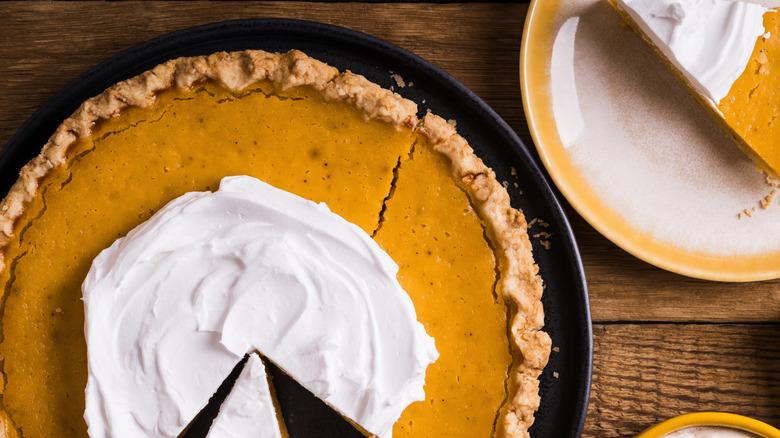
Whipped cream is so last week, especially when you can use whipped cheese instead. Again, pumpkin is a vegetable (well, technically a fruit but society has accepted it as an honorary vegetable) and can be paired with both sweet and savory foods. Cheese is the same way, and often finds itself alongside fruit, as well as desserts. Mascarpone, in particular, is fresh, buttery, and neutral, exhibiting less umami notes than some other cheeses which makes it easier to pair with dessert. Its mildly sweet undertones and the faintest tang of sour cream brings fresh contrast to a dense and starchy pumpkin pie.
To make a tangy whipped mascarpone topping for your pumpkin pie, whip room temperature cream and mascarpone cheese together. Add just enough cream to thin out the cheese, and any additional flavorings if you desire. I recommend vanilla extract, almond extract, hazelnut extract, maple syrup, or honey. Top your whipped mascarpone with a drizzle of honey or extra virgin olive oil. You can even mix in match with a few other of the creative pumpkin pie toppings that aren't whipped cream listed here, like pink peppercorn or cranberry sauce. Even a dusting of cardamom can take it to the next level. When your guests bite into what they think is whipped cream, they will be pleasantly surprised at the density of flavoring of the mascarpone instead. Serve the entire dessert at room temperature.
5. Salted caramel sauce
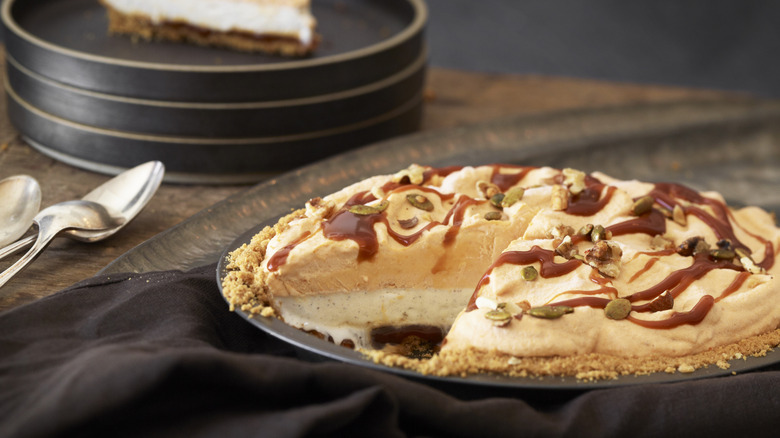
Although contrast is my best friend when it comes to dessert toppings, sometimes it's nice to include something in the mix that's a little more subtle. Not only does caramel sauce match the warming tones of pumpkin, but it has a similar smooth consistency. Now, if you've ever made homemade caramel sauce before then you know just how creamy, dense, and delicious it can be. I like to opt for a thicker caramel sauce to top pumpkin pie so it stands on top of the pie instead of drizzling and sinking in, but that decision is all about personal preference.
Caramel has an undertone of burnt sugar and vanilla, which sometimes reads almost nutty or even bitter, similar to molasses. This helps to highlight the natural and added sugars in the filling and crust, and round out the fall-time association. If you plan to use apples in your topping, enjoy a side of apple ice cream, or incorporate apples in any other way then caramel sauce is a must. If your caramel sauce doesn't contain any salt, then use flakey sea salt as a topping for your slice of pie. Caramel sauce can be used as a way to enhance your whipped cream, in case you're having trouble swaying from that tradition. Hey, who said you had to get rid of whipped cream altogether? But it certainly could use an upgrade.
6. Cranberry sauce
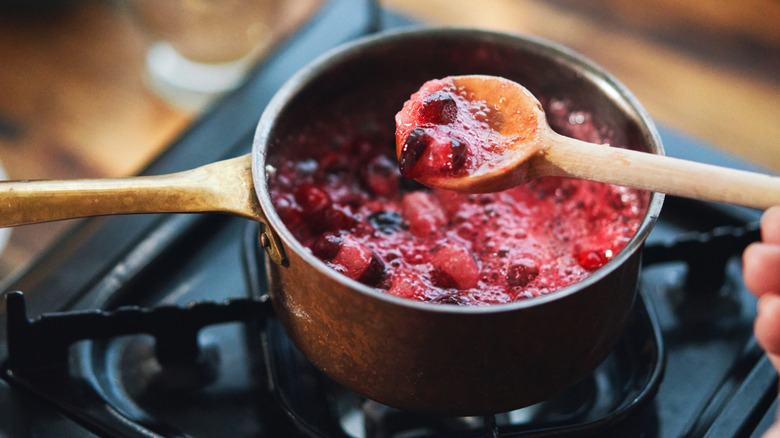
Isn't it funny how cranberry sauce is often the sweetest part of Thanksgiving dinner, but never makes an appearance during dessert? There are many different ways your family could make cranberry sauce (including just opening the can), but most versions make a beautiful side kick for pumpkin pie. My family always threw whole oranges, raw cranberries and maple syrup in a food processor and pulsed it until it was minced. I've also enjoyed boiling cranberries with maple syrup, celery, orange juice, and walnuts until it's thick, sweet, and hot. The list goes on and on, and even the sauces that lean more savory can be served with pumpkin pie.
Cranberries are tart, and often used in a recipe with loads of sugar to help soften the blow. Oranges and other citrus often make an appearance, and at the end of the day you're left with a tangy, tart, sugary sauce. It makes for a wonderful palate cleanser for dinner, but save just a tablespoon per slice of pumpkin pie for dessert. If you're looking to mix and match toppings, ice cream can help to mellow the intensity of the cranberry sauce, and tie the two sugary treats together. Cranberry ice cream is another topping that may be difficult to find, but can certainly be made at home to give your pumpkin pie a unique vibe. Cranberry offers contrast, and is powerful next to the mellow pumpkin, so use just a small amount so it doesn't dominate the scene.
7. Maple sugar
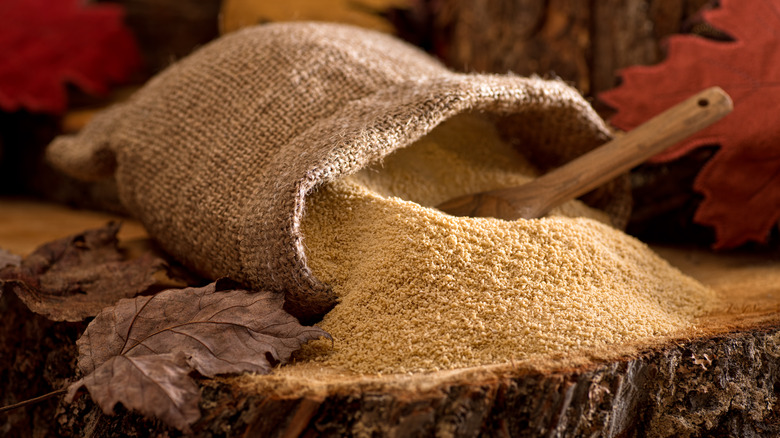
As a born and raised Vermonter, I'm all about using maple syrup to sweeten anything, from dinner to dessert to drinks. But did you know that maple syrup can come in many forms? Maple sap is maple syrup before it's been reduced, and maple sugar is crystallized maple syrup. It can come granulated or "coarsely ground," which has a crunchy crumble-like appearance. This is the version of maple that I like to use on my pumpkin pie, because it creates texture and offers small bursts of flavor, rather than a blended consistency.
When these little pockets of sugar come in contact with the moisture of the pumpkin, they will begin to melt and darken, so take that into consideration when you're designing the aesthetic. Coarsely ground maple sugar is perhaps a more unconventional way to use maple syrup, but offers a unique texture that is quite pleasing when coupled with the silky pie. Maple is a classic fall-time flavor, even though maple sap is more often harvested in the spring. However, the association is there, and nothing's better than that smoky, woody, sweet sap flavor that will help to enhance and mirror the sugars of the pie. In fact, you can go light on the sugar in the filling if you plan to sprinkle your finished product with maple sugar after it bakes and cools. This will concentrate the sweetness at the top, and give the maple sugar an opportunity to shine.
8. Toasted marshmallows
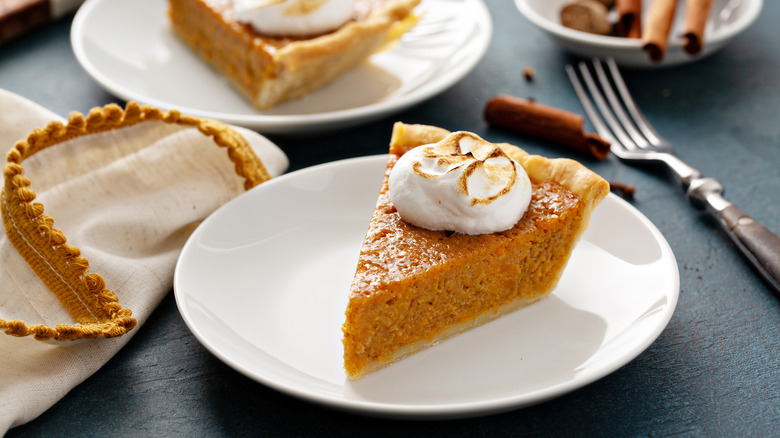
Do you often serve your sweet potatoes with a layer of melted marshmallows? If so, that's great but you may want to forgo this creative pumpkin pie topping to avoid redundancy. Sweet potatoes and pumpkin have a similar flavor and mouthfeel, and you can certainly serve both, but it's important to give them their own unique flavorings and style. If you don't serve your sweet potatoes covered in marshmallows for Thanksgiving dinner, then consider reserving this technique for your pumpkin pie. You can use marshmallows or Fluff to accomplish this ultra-sweet and fluffy topping.
Adding marshmallows to anything brings out the kid in all of us. After your pie is fully baked, immediately top with marshmallows. I recommend using mini marshmallows so they cook more evenly and create a consistent layer. Then, pop that pie back into the oven, or use the broiler until the marshmallows are nice and brown. Keep a close eye on them, as you probably remember how easy it is to burn a marshmallow from your campfire and s'mores days. You can also char marshmallow Fluff using a culinary torch if you have one handy. I like to serve this version warm, as the marshmallows will remain sticky and soft, but it can also be served at room temperature. When reheating, be sure to take the chill off the pie by popping it in the oven or microwave for a short amount of time. Remember, marshmallows are not vegetarian, so you'll want to make note to anyone who doesn't consume meat, or use vegan marshmallows as an alternative.
9. Cinnamon butter

Personally, I'll order a sweet potato simply for the experience of the whipped cinnamon butter. Honestly, I'd eat it with a spoon and would gladly accept any judgment thrown my way. Well, just like it goes so beautifully with baked sweet potatoes, cinnamon butter makes for a creative topping for your pumpkin pie, its sister vegetable. This creative topping can be made and served several ways, but my favorite is to whip it so it's nice and fluffy, and then scoop it with a melon baller. For this version, serve your pie slightly warm so the bottom of the butter can begin to melt onto the pie.
Consider using salted butter, and whipping a little honey or brown sugar into the butter along with the cinnamon. This will give it a salty and sweet flavor that can create a rounded mouthfeel. Even a little maple syrup can work as a sweetener, or date syrup which has a similar sticky sweet flavor. Whipping the butter helps us to feel like we aren't biting into a stick of butter, but instead enjoying a purposeful and decadent light topping. To make restaurant-quality whipped butter use an electric mixer. After it's whipped you can certainly chill it, but it will be easier to spread and enjoy at room temperature. Yes, adding butter to pie may seem extreme, but it's not that far off from whipped cream, and is twice as indulgent. Soon, you'll be wanting to put a dollop of butter on all of your desserts.
10. Toasted coconut flakes
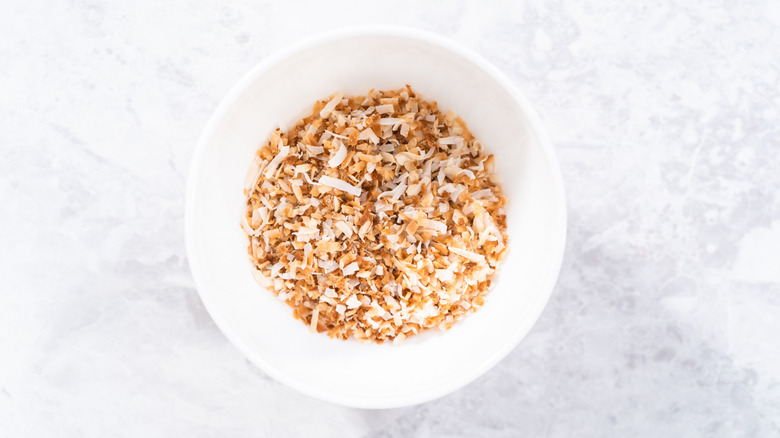
Although pumpkins read fall-time-in-New-England and coconut reads tropical vacation, the two can have a very flavorful relationship. In fact, coconut goes incredibly well with warming spices in many capacities, like curries and other savory dishes. Coconut dances the line between fresh and nutty rich, while pumpkin is more earthy and nutty. Both have an undertones of sweetness, and can be processed and cooked in a variety of ways that will result in different textures and flavors. You could certainly add a dollop of whipped coconut cream to your chilled or room temperature pumpkin pie, but I like to add toasted coconut flakes for texture.
You can toast your coconut flakes in a toaster oven, the oven, or even an air fryer. The key is to be sure to use a low temperature, just below 350 F, and keep a close eye on the flakes. They can easily burn, but when they are toasted and brown they have the most incredibly crunchy and melt-in-your-mouth texture. Adding them to the top of your creamy and starchy pumpkin pie delivers contrast of texture, and has a beautiful appearance. The subtle sweetness is similar to that of the pumpkin, and the toasty undertones are irresistible.