

8 Ways Restaurants Have Changed Since The '80s
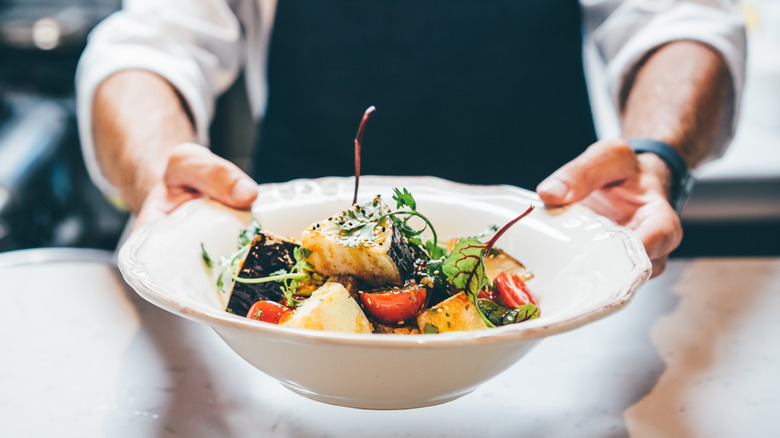
When it comes to the ever-changing landscape of the restaurant industry, few people know more and have seen more than famed restaurateur Drew Nieporent. Nieporent, who recently released the page-turning memoir "I'm Not Trying To Be Difficult," has a career that spans over 40 years. His trials and tribulations have taken him from being a food-obsessed kid to becoming a preeminent figure in the food industry, working alongside celebrities and icons like Robert De Niro and famed chef Nobu Matsuhisa.
Tasting Table recently got an advance copy of Nieporent's new book and had the chance to sit down with the affable industry icon to discuss his long career and the monumental shifts he has witnessed in restaurants over its span. Our conversation covered a wide range of topics, from the impact of social media and the internet to how service has become more relaxed. Read on for all the ways restaurants have changed since the '80s, according to someone who has been on the front lines through it all.
They are more expensive
Perhaps the biggest change in the restaurant industry according to Drew Nieporent is that dining out costs more. "Restaurants are charging more. ... But the good news ... is that probably many more people are going out for a meal now. All different varieties. So, the dining out public is more active than it was, and obviously, with takeout and delivery, whether it's Uber or something else, it promotes more food coming from restaurants to the consumer."
This is perhaps most starkly illustrated by a comparison of menu prices from the 1980s to today. Nieporent's first restaurant, Montrachet, which opened in TriBeCa in 1985, served a three-course, prix fixe menu that cost just $18. Though Montrachet is no longer open, a similar-caliber prix fixe menu at a restaurant in New York City today would run anywhere between $39 and $70, an increase of between 116% and 288%.
And, these price increases show no sign of slowing down. In a report on inflation put out by the National Restaurant Association, food and labor costs have risen by 35% in just the past five years, making it impossible for restaurants to stay in business without passing those costs along to consumers.
Diners are more informed
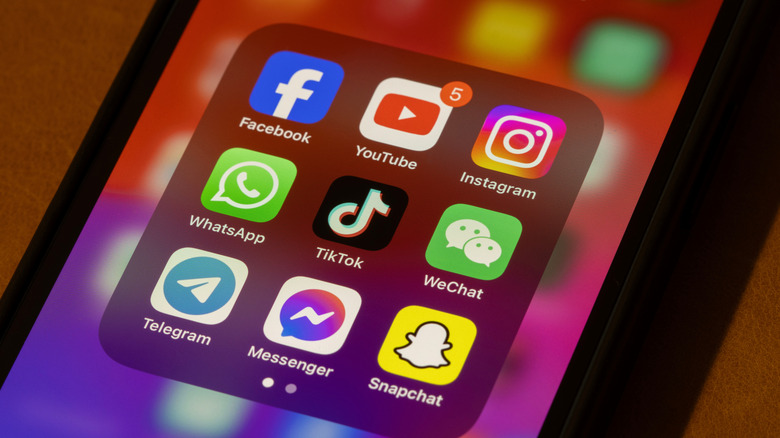
Though, for a restaurant, there may be some downsides to going viral on social media, generally speaking, Drew Nieporent is a fan. "The consumer wants to be informed. And when you're watching somebody, whether they're cooking something, whether they're walking through the dining room, whether they're talking about prices of things, hours, the decor of the restaurant, everything is so visual. ... Now everything's online. It's fantastic."
For example, TikTok has been instrumental in helping many restaurants find success. In a survey published by MGH Advertising, 36% of TikTok users either visited or ordered food from a restaurant after seeing a video about it on the platform. And, while the content can be generated by the restaurant itself, reviews from actual consumers can be even more important in generating revenue for and driving traffic to a restaurant.
This extends to food television and the proliferation of celebrity chefs. "Whether it's ... "Top Chef" or the Food Network ... this all created a lot of interest. Maybe not so much in the individual restaurants, but in the food idea, the food culture. And the more the merrier." For Nieporent, anything that encourages people to cook, try new foods, and dine out is good for the whole community. To him, it is almost a symbiosis between media and people's dining habits and that benefits everyone.
The food is more adaptive
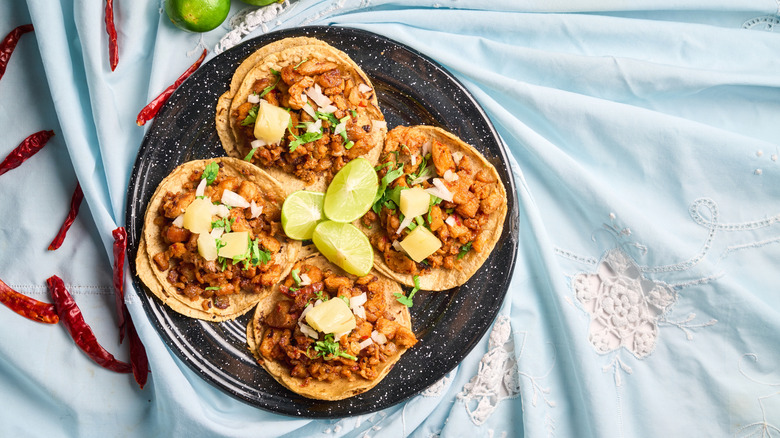
For as diverse as the food landscape is today, Drew Nieporent says that it is important to recognize that this diversity isn't anything new. "I grew up as a young person in the '60s and '70s. Those restaurants were the most diverse. People don't realize it, because these people were right off the boat. And so, those restaurants were unbelievably authentic. Then people like me, we abstracted the idiom."
He goes on to describe the ways in which restaurants have increasingly become more adaptive, pointing to chefs like Rick Bayless, who took a passion for underrated and undiscovered Mexican dishes and turned it into a culinary empire by reinterpreting these in a way that would be more accessible for American diners. But he is by no means the only one.
More Americans are getting into the restaurant industry than ever before, because, as Nieporent points out, "people can afford to open restaurants now when they couldn't in the past." This means you have Americans bringing international cuisine to the masses, but with their own twists, which promotes the appearance of diversity but is really an extrapolation of these original culinary traditions.
Service is more relaxed, but lacking in professionalism
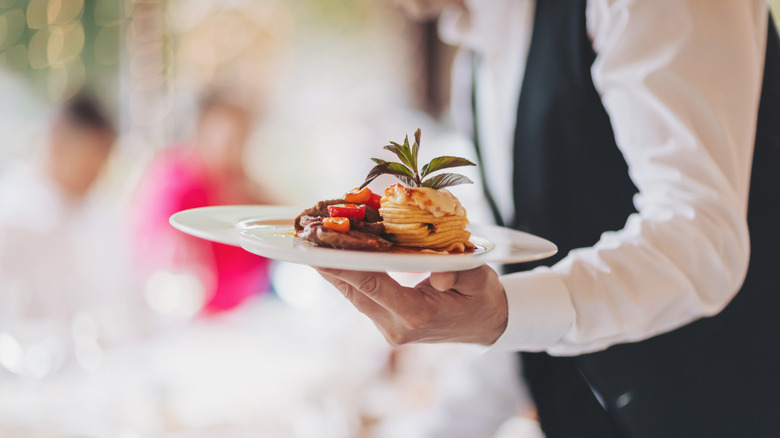
We all know that attention to detail is what makes for an unforgettable dining experience, but this is doubly important when it comes to the service at a restaurant. Nobody is more acutely aware of this than Drew Nieporent. When asked about how service at restaurants has changed over the years, he noted that it is more relaxed, but that in many ways it lacks the professionalism for which the finest establishments were known in the 1980s.
"Now today, you're right, it's more relaxed, which is fine. But there should be a backbone of professionalism and formality. ... Danny Meyer said it very famously, 'You cannot teach hospitality.' Service you can teach. ... Hospitality, empathy, warmth — that's got to be ingrained in you." This echoes the sentiments of many in the hospitality industry.
What used to be a more forward-facing, interpersonal model of hospitality shifted dramatically during and since the COVID-19 pandemic. The restaurant industry, and hospitality at large, has increasingly replaced humans with technology in an attempt at streamlining service and making it more efficient. While this makes sense, it does mean that the art of hospitality is shifting, if not altogether disappearing.
Fine dining is less chef-centric
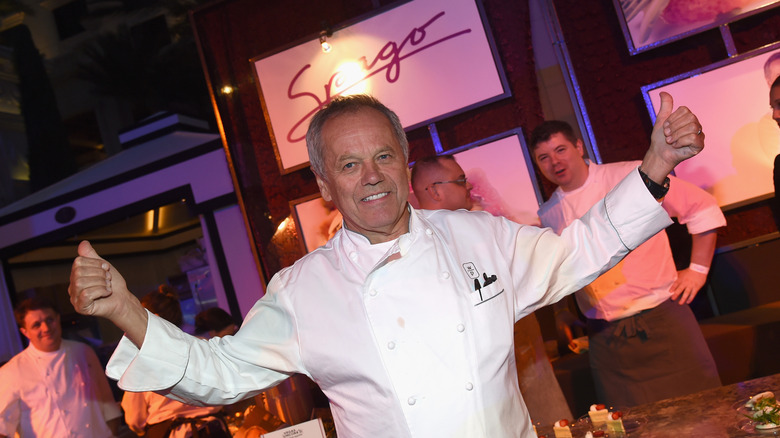
When Drew Nieporent opened Montrachet, fine dining was predominantly defined by the formal French culinary system, and it was heavily chef-centric. What's more, New York City was the epicenter of a majority of these restaurants. "A lot of the French restaurants in the '70s and '80s, even Le Cirque, what I found and what you should know is the chef, at the end of the day, is probably the most important thing in a fine dining restaurant."
As the decades have progressed, the French culinary system has gone by the wayside, and the chef is no longer at the center of the universe, at least not from a practical perspective. Hotels in Las Vegas, for example, court famous celebrity chefs, like Charlie Palmer or Wolfgang Puck, to put their names on a restaurant, but it is all essentially a façade. "I love Las Vegas, but everything's like a replica, a fake ... restaurants used to be about the ownership; the creator of the restaurant had to be there. ... Las Vegas is anything but that. They're all on autopilot."
He goes on to say that if a restaurant has food that is simple and easily reproducible, it will survive. This seldom requires a creative or talented chef at the helm, pushing envelopes or breaking new barriers. It just requires a kitchen staff that can cook with consistency and expediency.
Sushi is more mainstream
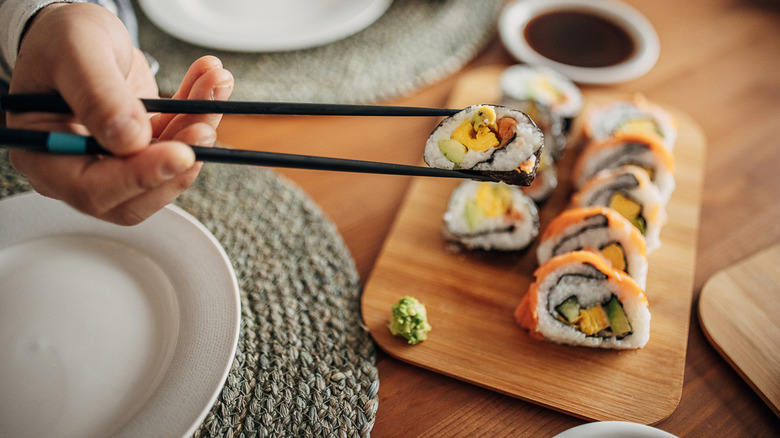
In the 1980s, sushi was relatively unknown in the United States. It was a novelty item that could be found in larger cities, like Los Angeles, but outside of that, you weren't likely to find it anywhere else. Today, virtually every grocery store has sushi for sale, and sushi restaurants are almost as ubiquitous as Mexican or Italian ones, in cities small and large across the country.
To a big extent, Drew Nieporent was an integral part of bringing sushi to the mainstream when he discovered Nobu Matsuhisa and opened his iconic restaurant Nobu in New York City. He goes into great detail about the complex set of circumstances that went into his collaboration with the Japanese chef in his book, but the one thing he prides himself on is expanding beyond the sushi menu and allowing chef Nobu to focus on his specialty dishes.
"When Nobu comes to Hudson Street and we open the first Nobu, I had pruned that list to Nobu special dishes, Nobu special cold dishes, Nobu special hot dishes. We always had sushi. It was always the heart and soul of the restaurant ... But what was most extraordinary because of Nobu's work experience was his adaptation of Peruvian things and other dishes that were his special dishes." Today, virtually every sushi restaurant has an expansive menu featuring special dishes that go beyond the scope of a traditional sushi bar, making the culinary style accessible to broader audiences.
Sharing is more common
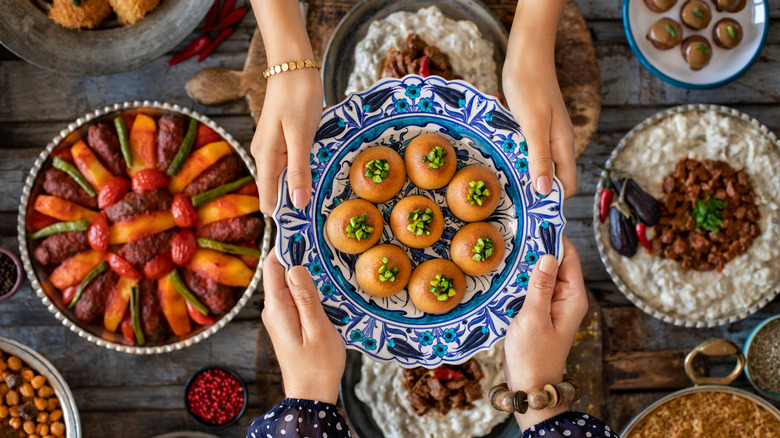
Another shift in restaurant dining that began with Nobu was the introduction of shared dishes. Most restaurants, both fancy and casual, operated under the French culinary system, which involved carefully plated dishes served individually with much fanfare. Nobu turned all of that on its head. "In restaurants that was not a thing. And at Nobu the sharing was the most important part of the experience."
While sharing food at a fancy restaurant is still something of a novelty, the food industry as a whole is actually experiencing something of a small plate renaissance. These communal dishes are designed to promote social interaction and refocus the meal onto the food itself. In many ways, it is a backlash against the French culinary system, but it is also a last-ditch effort at rejecting the personalized, tech-driven dining trends that have increasingly turned eating out into less of an immersive experience and more of a convenience.
Online reservation systems have simplified things
A final shift in the restaurant industry that Drew Nieporent thinks is a good one is the transition from phone reservations to online reservation platforms, like OpenTable and Resy. These systems have allowed restaurants to more efficiently manage their inventory, though perhaps at a cost. As he notes, they are "terrific. Except they pick our pocket, but that's all right." Again, it comes down to customer convenience, and in many ways, it obliterates the antiquated and often dubious role that the maître d' once held in a restaurant, and which Nieporent describes in great detail in his book.
Another aspect of this is the ease with which you can quickly look up reviews and decide upon which restaurant to dine at. In the 1980s, "we had the Zagat survey, and we had New York Times and New York Magazine. That was kind of the triumvirate of power." Today, there are a number of ways to spot a reservation-worthy restaurant before you book. From Tripadvisor and Yelp to online discussion boards like Reddit, customers have constant, real-time feedback on any restaurant that is continuously being updated. This equals a more informed customer who is better equipped to find exactly the type of dining experience they are searching for.
You can order Drew Nieporent's new book "I'm Not Trying To Be Difficult" here.