

The 11 Most Heart-Healthy Breakfasts Besides Oatmeal
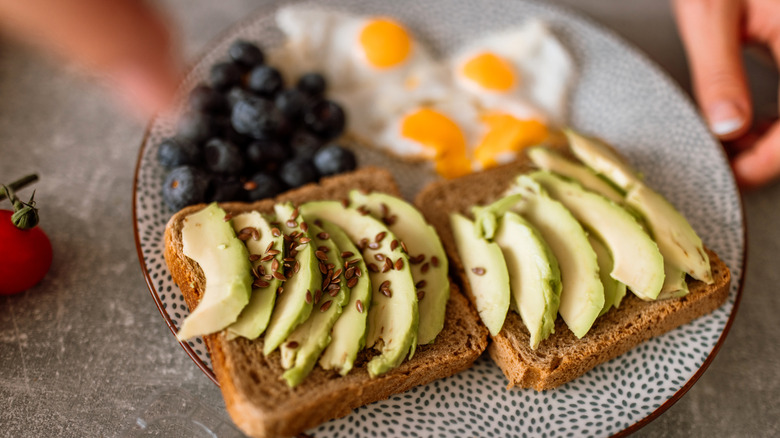
When it comes to heart-healthy options, oatmeal breakfast recipes are an excellent go-to. This staple breakfast packs an impressive nutritional profile, is extremely versatile (hot or cold, anyone, added fruits and nuts?), and can be easily made vegetarian or vegan. But, if oatmeal isn't your favorite or you're looking for alternatives, which breakfasts offer similar health benefits?
We've come up with 11 tasty options, using the following nutritional profile of a ½ cup serving of oatmeal made with 2% milk as a guideline: Around 8 grams of fat, 40 grams of carbs, 15 grams of protein, and under 500 calories – fiber is a bonus.
Suggestions with nutritional profiles that fluctuate slightly are included based on their heart-healthiness. For instance, higher unsaturated fats, such as those found in fish and nuts, are considered heart-healthy. Keep in mind that preparation of the recipe is key, so meals made using avocado oil versus hydrogenated oils are likely to be healthier for the heart.
Omelets
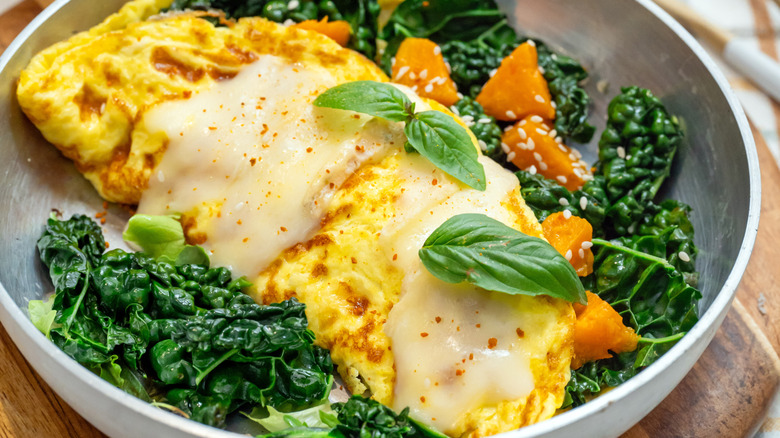
Omelets are nutritional powerhouses and a great way to get B vitamins, such as pantothenic acid (B5) and riboflavin (B2). A standard two-egg omelet with light cheese, peppers, and mushrooms delivers around 12 grams of protein, 10-14 grams of fat, minimal carbs, and around 200 calories. Eggs are known to help improve HDL (good cholesterol) levels, and for most they won't negatively affect LDL (bad cholesterol) levels. Add in veggies or an additional egg white, and you've got a fierce competitor to oatmeal.
Protein shakes

Protein shakes are a simple way to increase protein and vitamin intake. While protein powders vary by brand, most provide between 100-300 calories, 20-30 grams of protein, and 5-10 grams of carbs. Some even have added fiber. Blended with 8 ounces of milk (Trader Joe's soymilk has an additional 100 calories, 9 grams of protein, and 4.5 grams of fat, while whole cow's milk has 150 calories, 8 grams of fat, and 8 grams of protein), plus ice and strawberries, and you've got an easy, complete, heart-healthy breakfast.
Frittata

Skip the crust and enjoy this naked cousin to quiche: the frittata. This cuts out the saturated fats in butter and the carbs found in the crust. Customize using eggs plus whatever you have in the fridge. On average, expect around 200 calories, 12 grams of fat, 3 grams of carbs, and 13 grams of protein per slice. Choose a lean protein like turkey bacon and load up on veggies. This spinach frittata is a great starting place. Swap full-fat dairy such as heavy cream for cottage cheese to add body without all the saturated fat.
Breakfast muffins
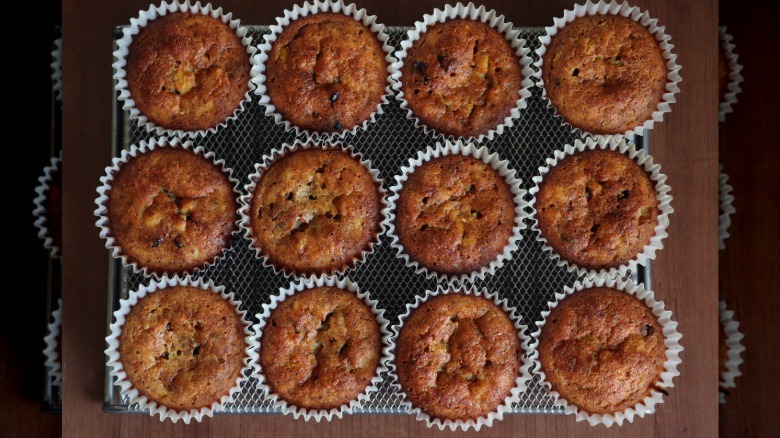
Craving sweetness? Make it a breakfast muffin. Opt for recipes that are sweetened with whole fruits and veggies such as pumpkin, apples, carrots, or zucchini to keep them low in sugar and fat. For optimal heart-healthiness, use whole grains such as whole wheat, oat, and einkorn flour. Consider incorporating Greek yogurt or cottage cheese in the batter, too and top with omega-3-rich fatty acids and unsaturated fats such as walnuts, flaxseed, and almonds. The nutritional content will vary, so to do your research. Simple is better: Try our 3-ingredient banana oat muffins to start out.
Greek yogurt bowl with berries
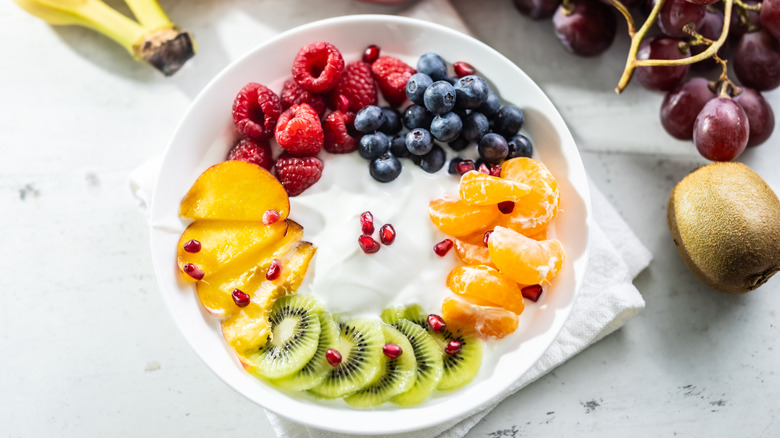
Loaded with protein, low in carbs and fat, and packed with prebiotics, Greek yoghurt bowls are a no-brainer for busy mornings. Mixed berries and toasted nuts add texture and fiber. Greek yogurt has been linked to a possible reduction in cholesterol and triglyceride levels. Depending on your Greek yogurt bowl toppings, for 7 ounces of low-fat Greek yogurt and 1 cup of mixed berries, you're looking at around 215 calories, 4 grams of fat, 23 grams of carbs, 21 grams of protein, and 5 grams of fiber. That's a steal.
Soft-boiled eggs, whole-wheat toast, and lox
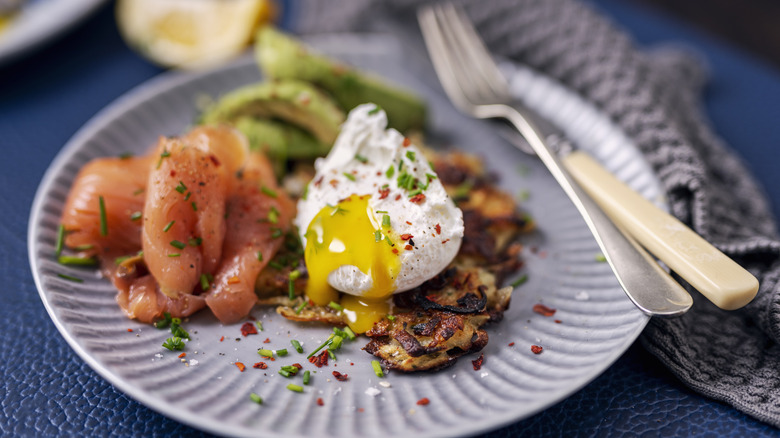
At one of the most heart-healthy options, this breakfast will fuel your day for just under 500 calories, 10 grams of fat, and a satisfying 23 grams of protein. Lox and smoked salmon are rich in omega-3 fatty acids and essential vitamins and minerals like B12, vitamin D, and vitamin E. Pair with a soft-boiled egg and fiber-filled slice of whole-wheat toast, like one made with Dave's Killer Bread, and this oatmeal competitor will keep you energized all day long.
Eggs baked in sauce
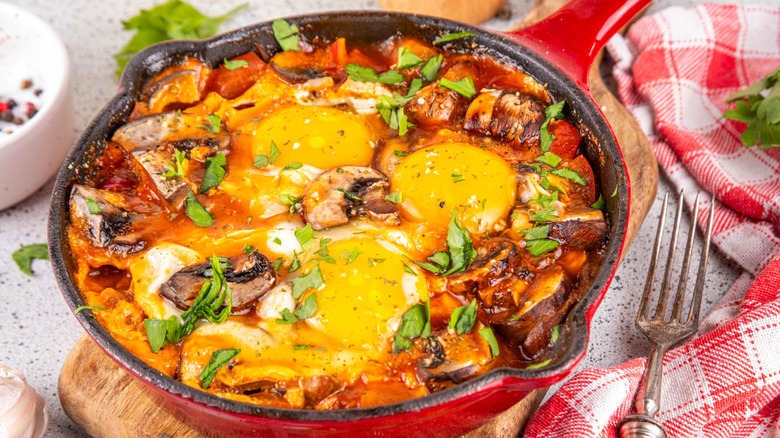
You may call it shakshuka, huevos ahogados, or eggs in purgatory — this dish of eggs slowly poached in a sauce of tomatoes and veggies is a natural source of antioxidants (thanks to the lycopene in tomatoes) and is a win for your heart. While nutrients will vary, a breakfast like this contains about 170 calories, 10 grams of fat, 15 grams of carbs, and 9 grams of protein for a one-egg portion. Serve with whole-wheat bread and some lean protein, such as a chicken sausage or turkey bacon.
Breakfast burritos
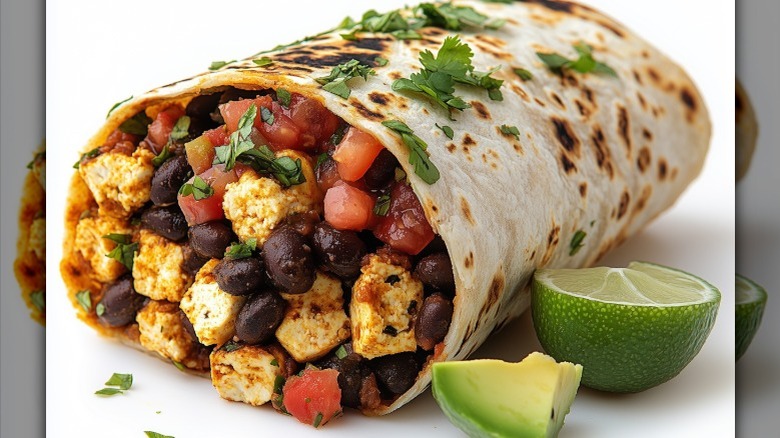
A better-for-you burrito is here. This hearty breakfast combines sweet potatoes, black beans, and a tofu or egg scramble and is wrapped in a whole-wheat tortilla. Packed with fiber, it'll keep you fuller, longer. Black beans and sweet potatoes are full of potassium and known to lower LDL cholesterol. Tofu scramble will help keep the saturated fat low. For a heart-healthy take, skip the cheese. An average nutritional content comes in at around 400 calories, 55 grams of carbs, 18 grams of protein, 13 grams of fat, and 10 grams of fiber.
Chia pudding
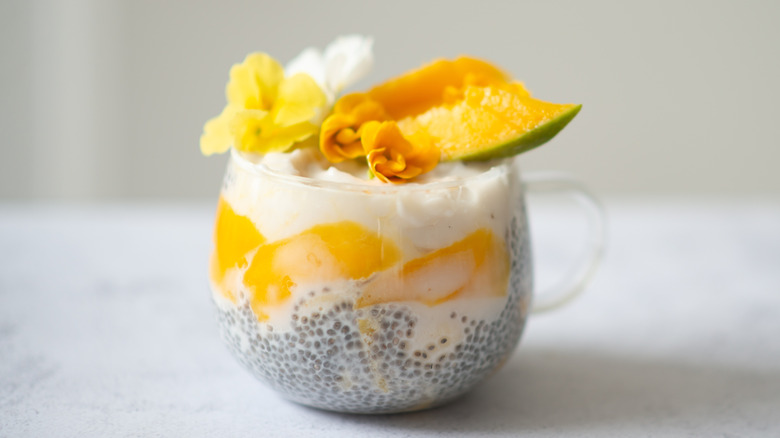
For a recipe with zero cooking, this one packs a punch. Just under 500 calories, with around 16 grams of protein, 22 grams of fat, and 45 carbs, classic chia pudding is creamy, easy, and packs punchy nutritional benefits. Thanks to chia's high-fiber content, the carbs are naturally low, and while the fat might seem a bit higher than that of oatmeal, these are healthy fats that can possibly reduce the likelihood of cardiac disease. Opt for low- and no-fat milk to reduce the fat content. Sweeten with fruits and nuts or flavor with matcha or cocoa powder.
Savory breakfast bowls
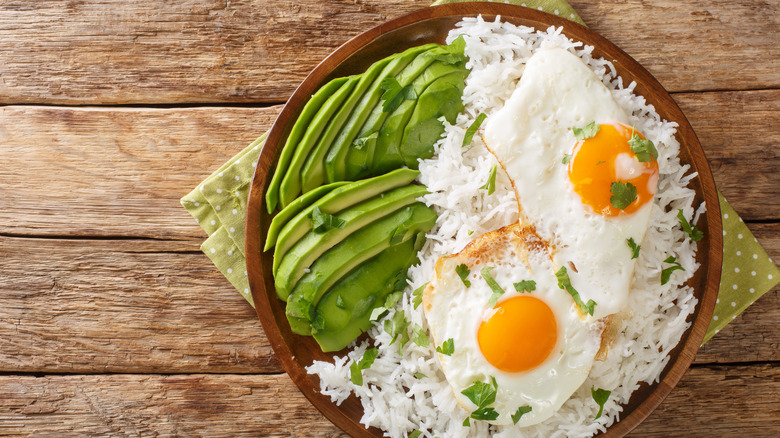
If you're still craving a warm bowl, consider a savory breakfast bowl using whole-grain carbs, heart-healthy fats like omega-3s, and lean proteins. Choose your favorite high-fiber carb, such as rice, quinoa, potatoes, or toasted buckwheat to assist in reducing LDL levels. Add a lean protein like tofu scramble, over-easy eggs, or low-fat Greek yogurt. Top with hemp seeds or flaxseed, avocado, or oily fish like sardines. Finally, round out your bowl with veggies, such as sauteed kale and mushrooms, roasted cauliflower, or kimchi.
Protein pancakes or waffles
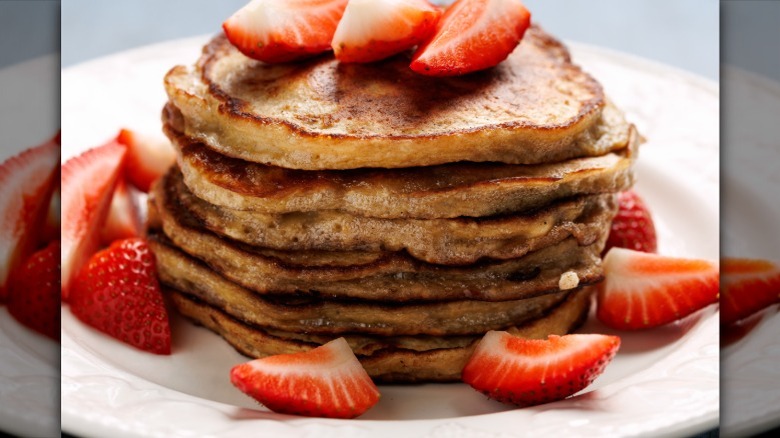
Last but not least, whole-grain protein-forward pancakes and waffles give oatmeal a run for its money. Brands like Kodiak Cakes, which Tasting Table ranked in our best pancakes roundup of 2025, are an affordable option that allow you to choose the protein and fat level (whether you decide to add water, milk, or milk and egg). This can bump the nutritional content up to 21 grams of protein per serving. The brand's standard option comes in at 220 calories, 2.5 grams of fat, 37 grams of carbs, and 15 grams of protein. Or make our three-ingredient pancakes; use a recipe that incorporates protein powder or naturally high-protein ingredients like soy milk, eggs, and cottage cheese.
For more ideas, consider these 55 breakfast recipes to help you choose.