

8 Restaurant Chains That Survived Bankruptcy
If you've seen the hit FX series "The Bear," you'll know that running a restaurant is tough. It seems like every episode there's a new obstacle for Carmy Berzatto and his team to hurdle, whether it's preparing for cutthroat reviewers, affording enough stock, offering timely attentive service, or simply getting customers through the door. It's a TV series, sure, but many have praised its accurate representation of the industry.
So, if one restaurant is hard, imagine what it is like to run an entire chain. Throw in recessions, pandemics, and a cost of living crisis, and running a restaurant business seems like a nightmare. For many restaurant chains, factors like this, perhaps unsurprisingly, led them straight into bankruptcy. But resilience, forward-thinking, and modernization also helped many survive the financial chaos.
Below, we've listed a few of the biggest restaurant chains to survive bankruptcy. From Planta to Fuddruckers to Logan's Roadhouse, get ready to learn some major comeback stories.
Planta
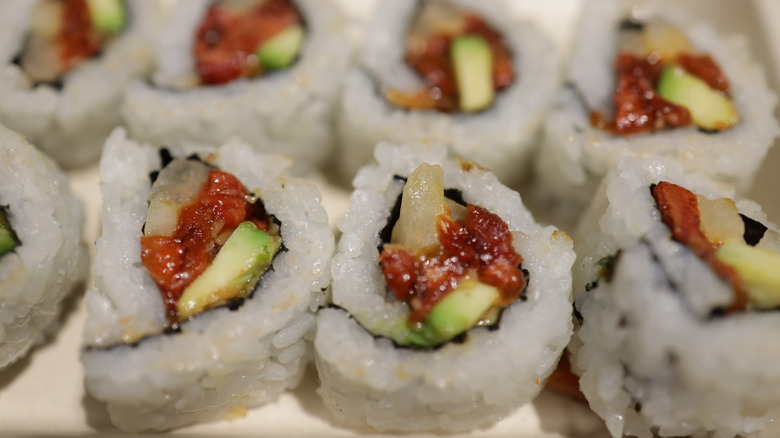
Upscale vegan restaurant chain Planta was founded in Toronto back in 2016, and by 2025, it had expanded to 18 locations across both Canada and the U.S. The locations were divided into three concepts: Planta, Planta Queen (which focused on Asian-style cuisine), and Planta Cocina (which focused on Pan-Latin food). For a while, it seemed like Planta was thriving. The chain was consistently expanding, and diners seemed consistently satisfied with the quality of the plant-based food, the impeccable presentation, the attentive service, and the overall vibe of the restaurants.
But even the most beloved restaurants had a tough time during the COVID-19 pandemic, as the entire hospitality industry ground to a halt amid social distancing advisories and stay-at-home orders. Planta continued to try and expand during this tumultuous period, but ultimately, this seemed to put more pressure on the business. After the pandemic came extended periods of inflation, of course, and Planta couldn't cope. The chain ended up filing for Chapter 11 bankruptcy protection in May 2025.
But all was not lost. In September 2025, eight locations of Planta were acquired for $7.8 million by one of the chain's former creditors, Anchorage Capital Group. To the relief of vegan diners everywhere, this means that the chain has now officially emerged from bankruptcy, with locations in New York, the DMV, Chicago, Los Angeles, and Toronto still standing.
Sbarro
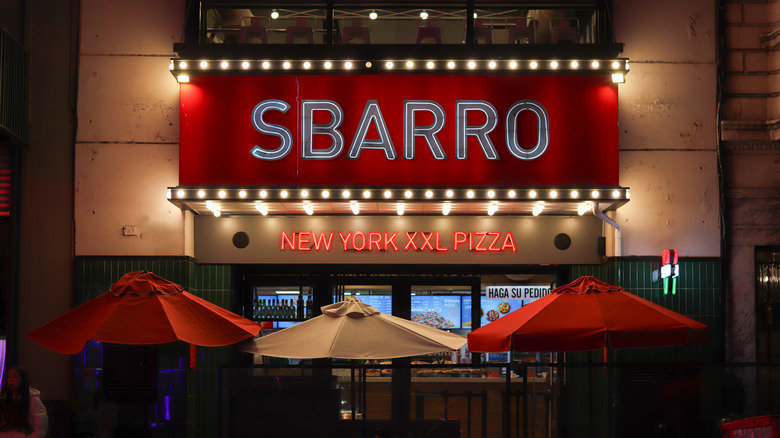
Sbarro started life in the 1950s as a humble Italian salumeria in New York. Founders Carmela and Gennaro Sbarro would cook up pizza to feed hungry local workers. Back then, the aim was never to become a global pizza giant. But the Sbarro's pizzas were delicious, and therefore incredibly popular. The couple opened a pizza restaurant, and then another and another. By 2003, there were nearly 1,000 Sbarros in shopping mall food courts in 46 states and 26 countries. From the outside, Sbarro appeared to be thriving. But behind the scenes, revenues were falling, and the company was dealing with mounting debts and an unforgiving economy (remember the Great Recession of the late aughts?). In 2011, Sbarro was forced to file for Chapter 11 bankruptcy. But it wasn't enough to pull Sbarro out of the hole. Just three years later, Sbarro filed for bankruptcy a second time.
This period of intense financial strife taught Sbarro one key thing: It was failing to modernize. It managed to survive bankruptcy again in 2014, and today, it is committed to moving with the times. Under the leadership of CEO David Karam, Sbarro has extended beyond the food court to everywhere from convenience stores to casinos to colleges. Basically, anywhere where diners might be tempted by a last-minute pizza. Today, Sbarro is not far away from its 2003 numbers. Since 2022, it has opened more than 300 locations, and it now has more than 800 restaurants around the world.
Red Lobster
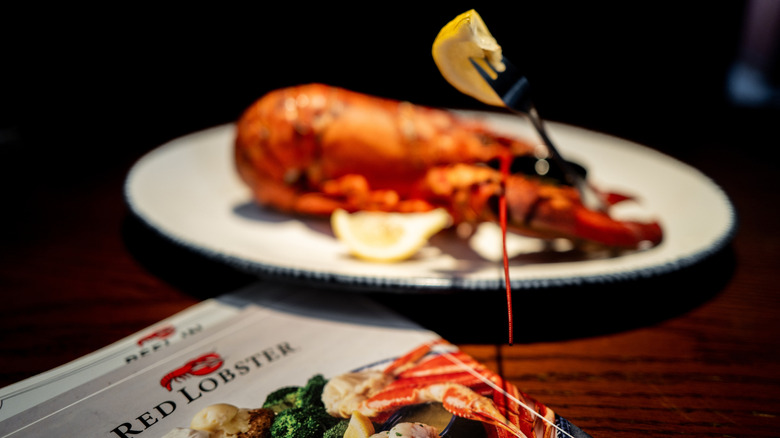
It turns out, when you give people unlimited shrimp for $20 every day of the week, your restaurants become pretty popular. It seems obvious, but after Red Lobster started offering just that to its customers, it wasn't prepared for the consequences: longer wait times (people don't want to go home when they can keep eating shrimp instead) and major financial losses (the cost of the shrimp was too high, and the deal reportedly cost the chain $11 million).
Red Lobster was founded back in the 1960s with an aim to make seafood more accessible. But giving away shrimp for free, it seems, was a step too far. The excessive all-you-can-eat deal was one factor that led to Red Lobster filing for bankruptcy in 2024, but that said, there were also many reasons for the chain's decline. According to the new CEO of Red Lobster, Damola Adamolekun, the bankruptcy filing was also the result of consistent underinvestment in things like new efficient software in restaurants and adequate staffing, as well as a lack of awareness of what customers want.
Red Lobster emerged from bankruptcy in September 2024, 100 restaurants lighter but with nearly 550 locations still open, and Adamolekun is committed to ensuring it stays that way. One key change is that Adamolekun says he pays close attention to what customers want on social media and makes sure it is implemented as soon as possible (as long as it's not endless shrimp, that is).
Ruby Tuesday
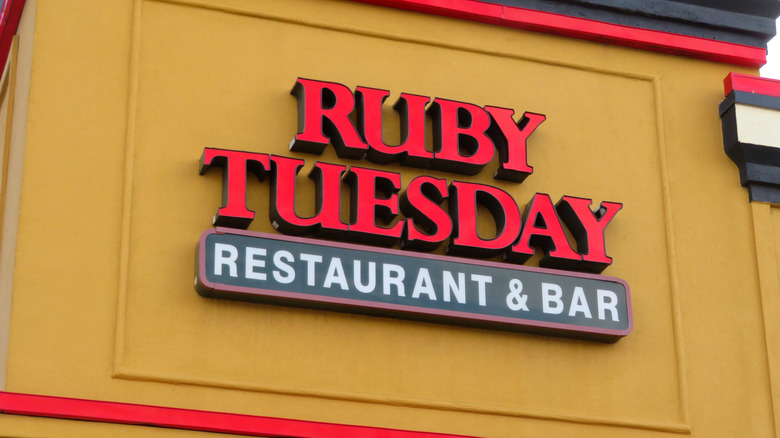
"Goodbye, Ruby Tuesday," sings Mick Jagger in the 1967 Rolling Stones hit. "I'm going to miss you." The song was the inspiration for the restaurant chain of the same name, and it nearly became a kind of prophecy in 2021, when Ruby Tuesday filed for Chapter 11 bankruptcy. Nearly, but not quite, because Ruby Tuesday, of course, is still with us.
The casual dining chain, which was founded by student Sandy Beall in the early 1970s, was another victim of the pandemic. But looking back, the writing had been on the wall for the chain for a while before COVID-19 reared its head.
In the first few decades of its life, Ruby Tuesday was a fun, casual spot to grab burgers and cocktails. It was incredibly popular, and by the mid–1990s, it had more than 300 locations. But in the 2000s, the chain decided to embark on a $100 million rebrand, giving its restaurants a more upscale image. The problem? This happened at almost the exact same time as the Great Recession. It was a huge knock, and Ruby Tuesday lost 50 restaurants, but it managed to hang on for over a decade, until, of course, the pandemic triggered another cost of living crisis. In October 2020, Ruby Tuesday filed for bankruptcy. But the chain is nothing if not resilient, because in February 2021, it emerged from bankruptcy with more than 200 company-owned locations and a new focus on delivery-only brands.
Fuddruckers
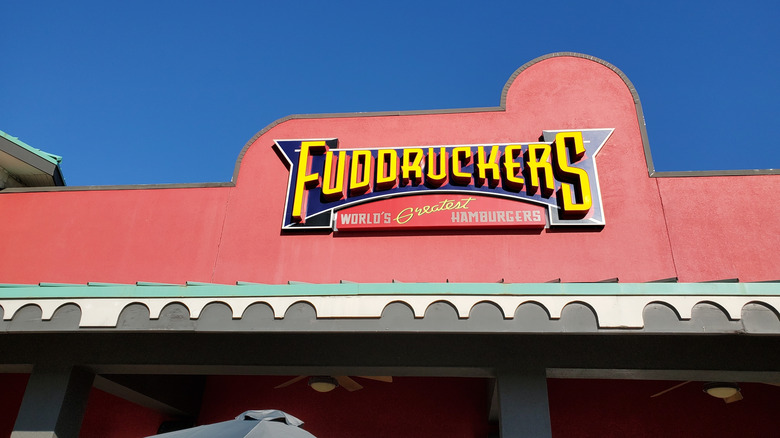
Back in the late 1970s in San Antonio, Texas, Phil Romano opened the first Fuddruckers location. The fast-food industry was booming at the time, so Romano needed something that would make his burger joint stand out. His solution? To allow diners to customize their burgers with all the toppings and condiments they wanted. It was a good move, because by the 1990s, there were 150 Fuddruckers across the U.S.
But once again, the chain became a victim of two of the biggest crises to hit the restaurant industry in recent history: the Great Recession and the COVID-19 pandemic. The former resulted in its parent company, Magic Brands, filing for bankruptcy in April 2010. But thankfully for Fuddruckers, it was saved by Luby's, Inc., which bought most of the assets of Magic Brands in July of the same year.
The next challenge arose during the pandemic, when, once again, Fuddruckers nearly went under completely. Luby's Inc. was planning to liquidate the burger chain, but it was saved by businessman and franchisee Nicholas Perkins in 2021, who took on ownership of the brand's more than 90 locations.
California Pizza Kitchen
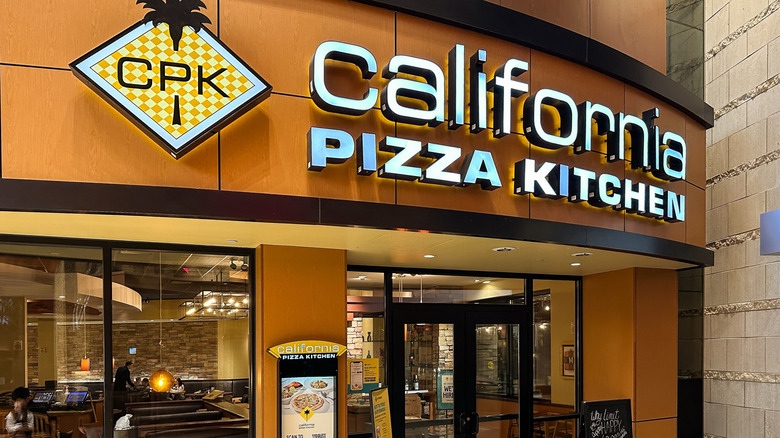
For some pizza chains, the pandemic came with a silver lining: More people were ordering pizza. Customers weren't venturing out to restaurants, but they were able to sit on the couch and feast on a comforting takeout from their favorite pizza restaurant. Domino's, for example, experienced increased sales during this time. But not all pizza chains were so lucky. California Pizza Kitchen (CPK) was hit hard by the pandemic, and ended up declaring bankruptcy in July 2020.
CPK was founded in 1985 in Beverly Hills, California, by lawyers Larry Flax and Rick Rosenfield. Their mission was to make California-style pizza more popular, and they succeeded. By 2019, CPK had nearly 300 locations in 30 states and 11 countries and territories. But actually, all of this expansion was not necessarily a good thing for the brand.
CPK was sold to PepsiCo in the 1990s, who wanted the chain to grow as quickly as possible, while at the same time sacrificing the more expensive ingredients and compromising quality. Then, at the end of the 1990s, PepsiCo sold its stake to a private equity firm called Bruckmann, Rosser, Sherrill & Co. After that, Golden Gate Capital took control, but neither firm could revive the brand. The pandemic was the final nail in the coffin. But the CPK brand wasn't ready to go under just yet. It was saved by a group of investors in November 2020, with a new focus on nurturing existing loyal customers and modernizing alongside further expansion.
Cicis Pizza
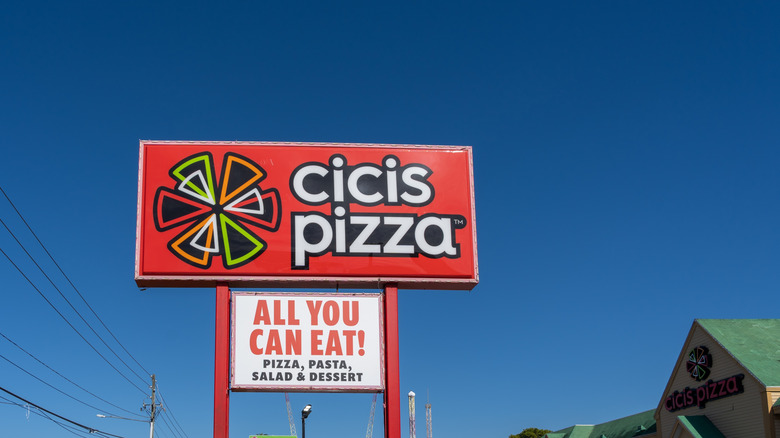
In the same year that CPK was born in Beverly Hills, another popular pizza concept was taking shape in Texas. Cicis Pizza was founded in the city of Plano, and in the decades that followed, it became one of the fastest-growing pizza chains in the U.S. People loved the family feel, the emphasis on games, and the all-you-can-eat cheap buffet model, and by 2010, it had more than 650 restaurants across the U.S. But in the decade that followed, Cicis Pizza struggled to stay afloat.
Cicis Pizza shrank throughout the 2010s, and by 2016, it had 430 stores. By 2020, it had 395. Like most buffet-reliant concepts, Cicis Pizza was hit hard by the pandemic and growing hygiene concerns, and in January 2021, with 318 locations left, it filed for bankruptcy protection. By March, however, the chain was already coming out of bankruptcy, after being sold to D&G investors.
And now? Things are looking up for Cicis Pizza. The brand is committed to modernizing and evolving with the times, and has a renewed emphasis on offering upgraded systems, bringing back beloved menu items, and providing fun, family-friendly experiences with game rooms and, of course, lots of affordable pizza.
Logan's Roadhouse
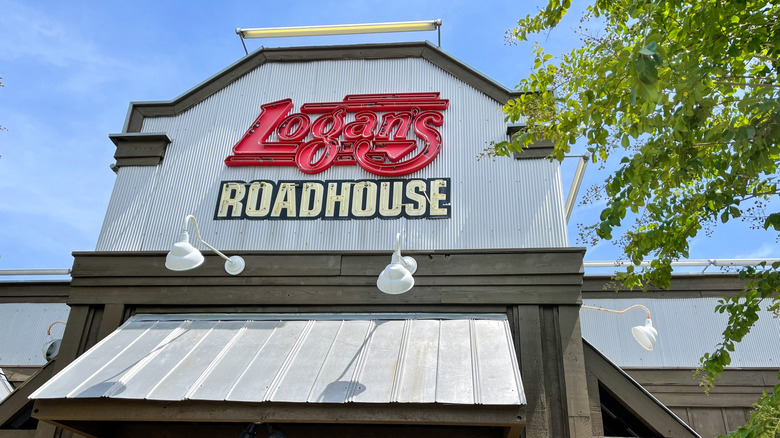
If you're looking for a steakhouse with reasonable prices, country music, and "honkey-tonk" decor, you can't go wrong with Logan's Roadhouse. The chain was founded in 1991 by restaurateurs Dave Wachtel and Charles McWhorter, who wanted to recreate the classic roadhouse vibe of the 1940s and 1950s. The concept was a success, and by the end of the decade, Logan's Roadhouse had 45 company-owned and franchised locations across 12 states.
By the mid-2010s, the chain had grown to more than 250 restaurants, but its debt had mounted, too. Ultimately, after failing to repay any debt for four months, it was forced to file for bankruptcy protection in August 2016. In 2017, though, it brought on Hazem Ouf, a turnaround expert, to help it survive, and in 2018, Logan's Roadhouse was acquired by CraftWorks Restaurants and Breweries, and as a result, a new company was created with Ouf at the helm, called CraftWorks Holdings.
Unfortunately, this wasn't the end of the financial strife. In 2020, CraftWorks Holdings was forced to close all of its restaurants after filing for bankruptcy protection. But once again, after Fortress Investment Group acquired CraftWorks for $93 million, Logan's Roadhouse survived.