

10 Ways To Bake With Olive Oil
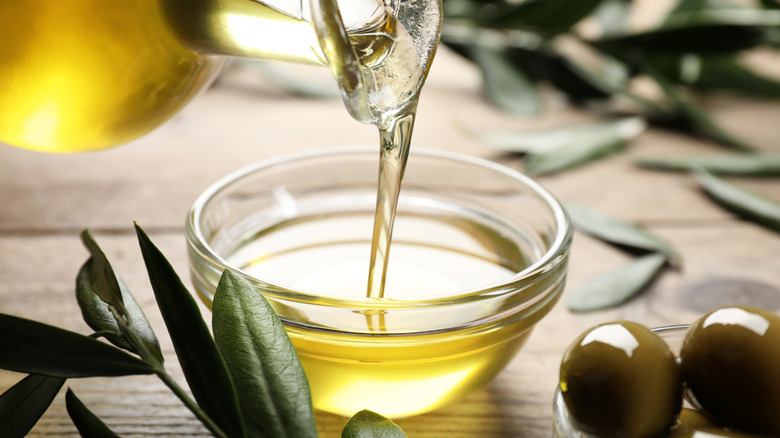
We all know how great olive oil is for stirring into dressings, tossing with veggies before roasting, and getting pan-fried proteins gorgeously golden brown. But how often are you using this trusty kitchen staple in your baking? If you typically reach for butter when whipping up your favorite baked goods, it might be time to switch things up. A glug of olive oil can be a transformative addition to a wide range of home-baked classics, adding moisture, richness, and a hint of fruity sharpness.
In sweet treats like cakes, brownies, and cookies, olive oil can be used as a replacement for more traditional forms of fat, and it's sure to yield that same irresistibly tender texture. In savory recipes, such as breads and cheesy muffins, it fits in seamlessly, adding a touch of sophistication with its complex flavor notes. Baking with olive oil is a healthier choice, too. Compared to vegetable oil and butter, olive oil is far richer in monounsaturated fats. Consuming this type of fat can support heart health and lower bad cholesterol levels in the body. Olive oil is also high in antioxidants, which work to lower inflammation and reduce the risk of developing chronic diseases. So, incorporating it into your bakes is really a no-brainer!
Whip up a fluffy focaccia
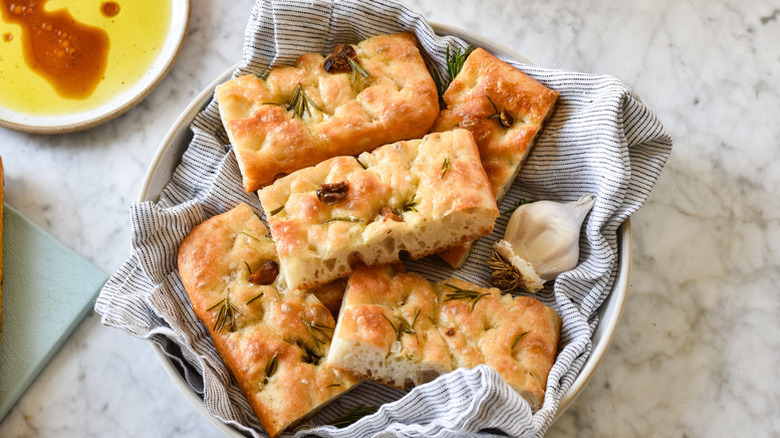
Perhaps one of the most classic olive oil-infused bakes is focaccia. This Italian bread has a distinctive soft, airy texture, and often comes adorned with a medley of savory toppings. Here, the olive oil is an essential ingredient, giving the dough its signature rich flavor and helping to get the crust lovely and golden.
To make a basic focaccia dough, start by whisking together all-purpose flour, dried active yeast, and salt. Stir in some tepid water, and bring everything together into a smooth dough. This can then be transferred to an olive oil-coated bowl to chill for at least 12 hours. Just before baking is when the olive oil really comes into play. You'll pour a generous amount onto a sheet tray, then stretch out the dough on top. Once it's been left to rise to airy perfection, you'll gently dimple the dough all over using your fingers.
This creates little pockets where more olive oil (which is subsequently poured on top) can pool. Add a sprinkling of flaky salt and any other toppings of choice, such as olives, vegetables, fresh herbs, or roasted garlic, and your focaccia is ready for the oven. Once baked and sliced, serve the bread with extra olive oil for dipping, too.
Add richness to chocolate cake
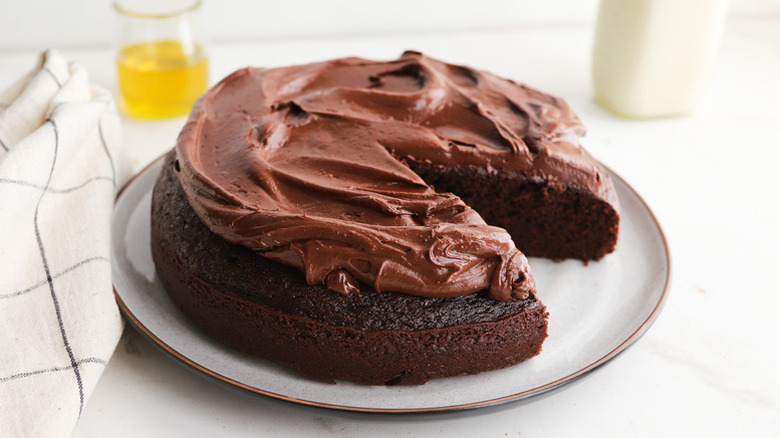
If you're a little skeptical of adding olive oil to a sweet recipe, but intrigued to give it a try, a crowd-pleasing chocolate cake is a great place to start. The rich, sweet taste of chocolate can hold its own when paired with the slightly peppery, grassy notes of olive oil, and these two elements complement each other exceptionally well.
What's more, you can make a chocolate olive oil cake in one bowl, and in under an hour. First, combine the dry ingredients. Then, you can whisk in the wet ingredients, and of course, the olive oil. With the final addition of hot water, you'll have a thick, glossy batter that'll bake up into a gloriously tender, flavor-packed cake.
While many chocolate cake recipes opt for butter as the main fat component, choosing olive oil is a great way to achieve a moist crumb that retains that all-important soft texture for longer. This is because oil remains liquid at room temperature, while butter solidifies. Oil is also lighter by weight than butter, so it tends to yield a fluffier finish.
Pour it into savory muffin batter

Savory muffins are wonderfully versatile, fuss-free to make, and great for taking on the go. While many recipes feature vegetable or sunflower oil, switching this for olive oil is a fantastic way to amp up the richness whilst giving the muffins a healthful boost.
For the base of the batter, mix the olive oil with eggs and milk, and add this mixture to the dry ingredients. These are typically flour, baking powder, and salt. Once everything has been stirred together to create a smooth batter, you can get creative with your add-ins. Cheese is a particularly great addition to savory muffins, which could be in the form of shredded sharp cheddar or creamy crumbled feta.
For an extra dose of protein, consider tossing in chopped ham or cooked bacon. To add a pop of freshness and color, experiment with fresh herbs like chives or parsley, or throw in some roasted veggies such as broccoli or mushrooms. These savory mix-ins will all taste incredible alongside the natural tang of olive oil.
Pair it with herbs
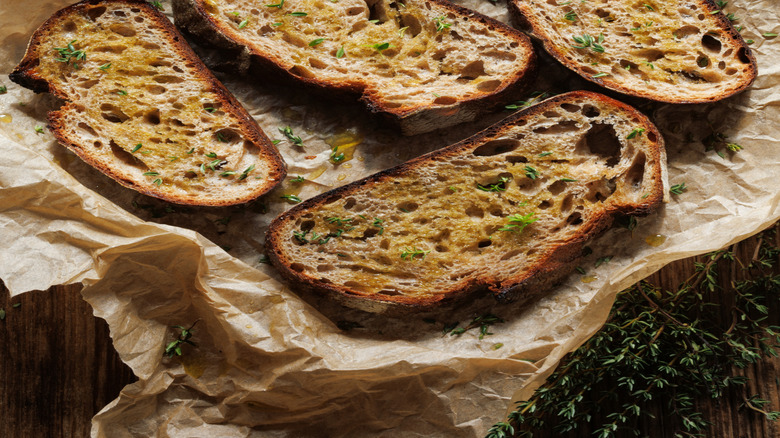
The vibrant flavors of fresh herbs are an undeniably fitting match for olive oil. And, it's not uncommon to see baking recipes making the most of this pairing, whether that's in a sweet, fluffy cake or crusty loaf of homemade bread. When creating an olive oil-herb-infused bread, there are two main approaches to consider.
The first is incorporating the add-ins into the dough itself, which involves combining the olive oil and fresh or dried herbs with the other ingredients. Rosemary is a brilliant option, bringing a fresh, woodsy aroma that ties in beautifully with the oil. Thyme, parsley, and chives would all work great here, too. The second option is crafting a topping by mixing the oil and herbs with a pinch of salt. This can then be brushed atop the loaf right before baking, to create a flavorful crust.
One of the best ways to feature olive oil and herbs in a cake is by using them alongside lemon. The citrusy brightness of the fruit's zest and juice makes them the ultimate tools for balancing the richness of the oil and aromatic depth of herbs like rosemary and basil. Just incorporate these ingredients into a simple batter, then top the baked and cooled cake with your favorite frosting, and you'll soon be tucking into a delightfully elegant slice of herb-infused deliciousness.
Elevate a batch of chocolate brownies
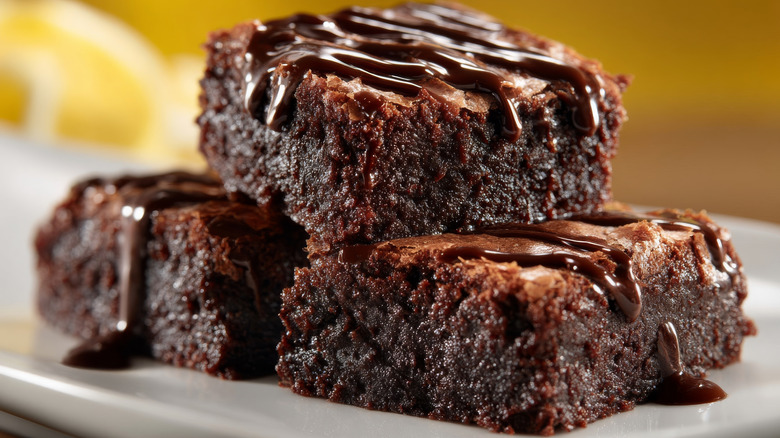
Brownies are always a safe bet when you're baking for a crowd, and adding olive oil to the batter is an amazing way to make them extra indulgent. Since most brownie recipes call for butter, this is also the perfect swap if you're looking for a way to make your bakes dairy-free. Begin the recipe much like you would for a typical batch, then gradually add the olive oil, beating as you go until emulsified.
Add the dry ingredient mixture in three batches, folding to combine after each addition, then stir through any add-ins of your choice, such as chocolate chips or chopped nuts. Once baked, the brownies will be ultra fudgy and infused with a moreish hint of fruity bitterness that elevates the flavor of the chocolate to no end. You'll find that using oil instead of butter yields a moister, denser texture, which is exactly how a brownie should be.
Swap out the butter in cookie dough
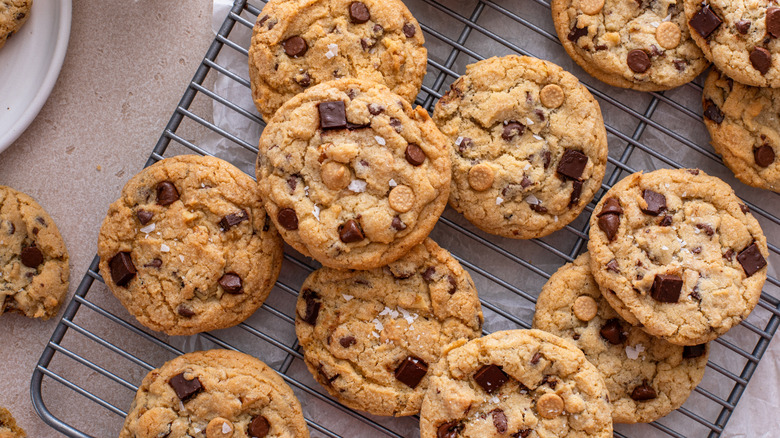
If it's homemade cookies you're craving, olive oil will fit right in here, too. This is another bake where butter is generally the fat of choice, but swap this out for olive oil, and you'll be amazed at the resulting flavor and texture. For a batch of classic, chewy-crisp chocolate chip cookies, an ideal approach is first mixing sugar with eggs, adding a dash of vanilla, then gradually pouring in the oil whilst whisking everything together.
It's a wonderfully hassle-free method, since you don't need to pre-soften butter or cream it with sugar. Gather the dry ingredients, then stir in a generous portion of dark, milk, or white chocolate chips. For best results, chill the prepared dough in the fridge overnight before rolling it into balls and baking the cookies to golden perfection.
Texture-wise, cookies made with olive oil will be chewier and spread less than their butter-filled counterparts. They'll be soft, but not cakey, retaining their moisture brilliantly. And, you'll know by now just how well that fruity flavor pairs with decadent chocolate.
Use it to make pie crust
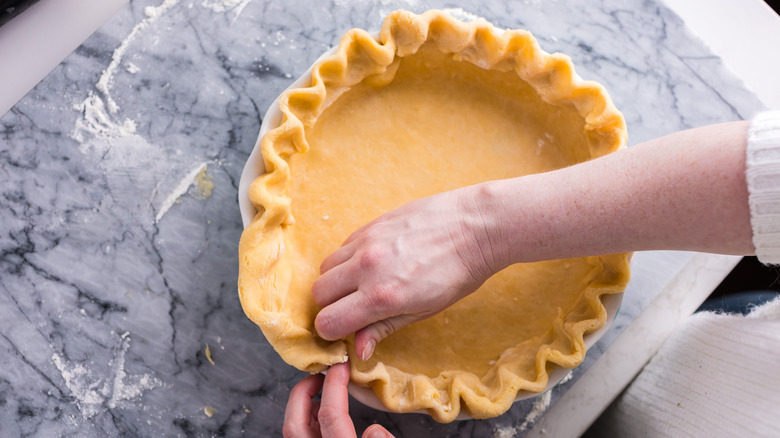
Making the crust from scratch is a great way to elevate a pie, and there are plenty of different ways to create that satisfying, flaky base. Some recipes feature butter, some sweeten things up with a little sugar, and some even incorporate vodka. But, we highly recommend giving your next homemade crust an olive oil twist.
You can make a savory crust with just four ingredients — flour, salt, water, and olive oil. But feel free to throw in some additional herbs or spices to jazz things up. With the dry ingredients mixed, pour in the oil and water, and combine everything to create a smooth dough. After a brief chill in the fridge, this can be rolled out and used to line your pie dish. Make sure to pre-bake the crust with a layer of baking beans on top before adding your filling.
When sweetening the crust with sugar, for desserts like fruit or pumpkin pie, adding egg to the dough is recommended to retain a sturdy texture. Try mixing powdered sugar, salt, and olive oil with a whole egg plus an additional yolk, then adding the flour. Once shaped into a ball, the dough can be chilled, rolled, and baked in the same way.
Mix it into cheesecake batter
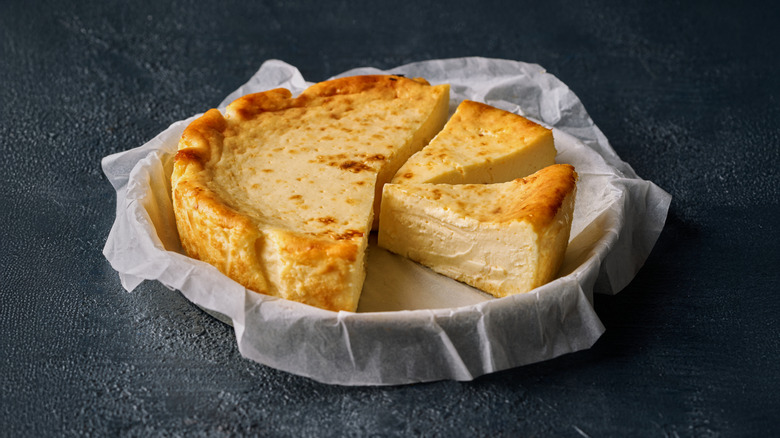
Cheesecake is another excellent candidate for upgrading with olive oil. A good glug of oil will blend into the smooth, creamy filling oh-so seamlessly, enhancing the richness and making everything feel that bit more sophisticated.
Olive oil works particularly well in the traditional Spanish dessert Basque cheesecake, which is typically crustless and baked until it reaches a deep brown, almost burnt color on the top. Whisk the oil into a mixture of cream cheese, sugar, and eggs, along with some heavy cream, flour, and salt, and bake the batter until browned and set, but with a slight wobble in the middle. Once chilled, it's amazing served with a fruity compote or drizzle of caramel sauce.
The oil will work just as well in a traditional crusted cheesecake, too. Try adding it to the cream cheese filling with a dash of vanilla and lemon juice. You can even incorporate oil into the crust, perhaps mixing it with crushed gingersnap cookies instead of the usual graham crackers for a spicy twist.
Give quickbreads a healthy twist
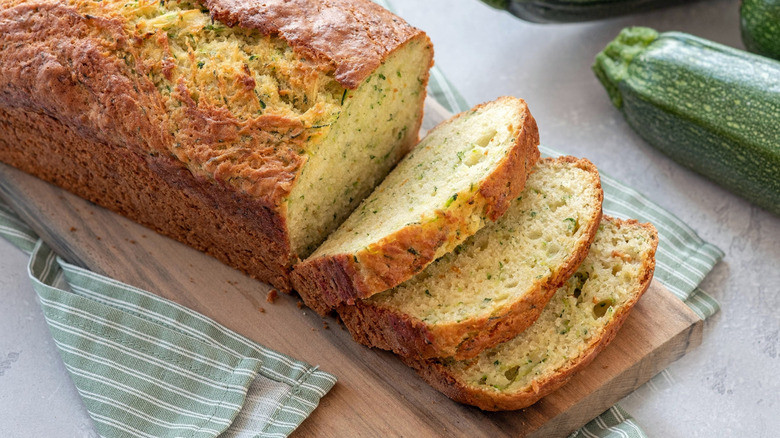
It's not all that unusual to see oil in a quick bread recipe. For example, our lemon and almond bread calls for vegetable oil, while this vegan zucchini bread features coconut oil. So, olive oil is an addition that just makes sense. Delivering richness, complex flavor notes, and plenty of health benefits, it's the perfect ingredient for taking both sweet and savory loaves to the next level.
In a classic banana bread, olive oil can be mixed with the sugar, eggs, and mashed banana before adding the dry ingredients. For the richest flavor, opt for extra virgin olive oil. You'll find it keeps things fantastically moist, and contrasts the natural sweetness of the banana beautifully. Olive oil works great in pumpkin bread and zucchini bread, too, alongside warming spices like cinnamon, nutmeg, ginger, and cloves. And, to continue the healthy theme, you could totally top the loaf with a medley of nuts and seeds before baking.
While olive oil can absolutely serve as the main fat component in quick breads, it's also ideal for combining with other ingredients like Greek yogurt, sour cream, or buttermilk. Partnering the oil with these creamy add-ins is a great way to boost the moistness and tenderness of the bread even further.
Add it to lemon pie

A sunny lemon pie already oozes elegance as it is, but adding olive oil can make this bake feel extra special. Lemon's bright, citrusy notes make the most wonderful accompaniment to the rich, robust olive oil, and it's easy to give both the filling and the crust a flavorful makeover.
The first step is baking your crust, which might feature powdered sugar, salt, flour, and egg, alongside the olive oil. While this cools, you can prep the lemon curd filling. First, whisk sugar, flour, and salt in a saucepan before adding lemon zest, juice, and eggs. Whisk everything over a low heat until thickened, then stir in the olive oil. Lemon curd typically boasts a deeper aromatic tang when made with olive oil rather than butter. This is because the proteins in butter bind with the acid in lemon juice, essentially trapping and muting the flavor of some of the aromatic compounds that contribute to its tart taste. However, because olive oil is protein-free, this process doesn't occur, and the lemon's citrusy brightness can therefore shine through in full force.
After you've poured the filling into the prepared crust, bake it until just a slight wobble remains. The pie will firm up more as it cools, and taste even more delicious with a final dusting of powdered sugar, swirl of whipped cream, or crisp meringue topping.