

The 17 Most Unusual Cookbooks Of All Time
We may receive a commission on purchases made from links.
Nowadays, you can Google "best cinnamon roll recipe" and find 25 variations within a few minutes of scrolling. Gone are the days of scouring bookshelves to find the most unique and well-researched cookbooks, right? Wrong! Just because we have access to unlimited recipes online doesn't mean they're original, or even any good. There's nothing wrong with the old standby's like "The Joy of Cooking" and "Mastering the Art of French Cooking," but sometimes we have to step outside the box to jolt our creativity awake.
Cookbooks are often formatted into simple steps, but they don't have to be. Whether it's a genius questioning the logistics behind cooking, an astronaut developing space food, or an artist on the edge of madness, these creatives adore food and proudly have "cookbook author" listed on their resumes. Let's celebrate the weird and experimental chefs out there who have pushed boundaries and given us more to think about than just ingredients. There must be thousands upon thousands of curious cookbooks out there, but here are 17 of the most unusual (and adored) of all time.
Les dîners de Gala
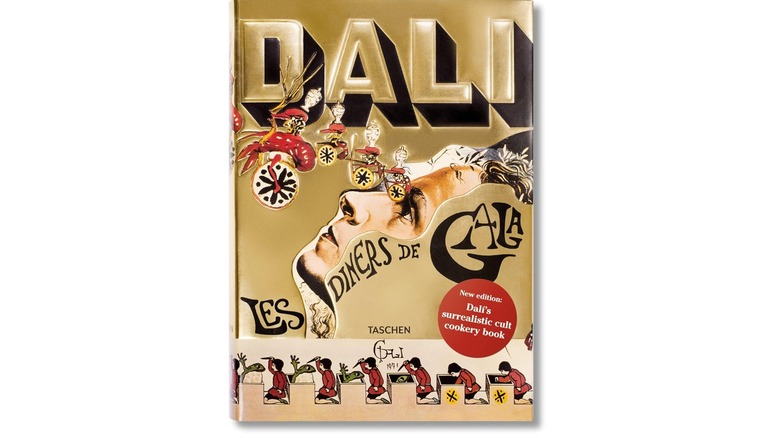
When considering anything unusual, Salvador Dali is quick to mind. As the 20th century's most iconic surrealist, he altered the art world forever. What many don't know is that he dabbled in the culinary arts as well. "Les dîners de Gala," translating to Gala Dinners, is a book "uniquely devoted to the pleasures of taste," as Dali says himself (via Taschen). Dali and his wife, Gala, were known for their ostentatious dinner parties. They often extended past theatrical into the realm of the obscure, but that was no shock, considering Dali's image in the art world.
"Les dîners de Gala" was originally published in 1973 but was reprinted in 2016 by Taschen, a leading publisher of unique and incredibly visual books. The beautiful and elaborate photographs play into Dali's unique and surrealist work, with recipes that are just as confusing, striking, and dramatic as the paintings he creates. As fun as it would be to prepare some of these intricate recipes, like prunes soaked in liquor and consommés, they're certainly not your everyday type of dish.
Amazing Magical Jell-O Desserts
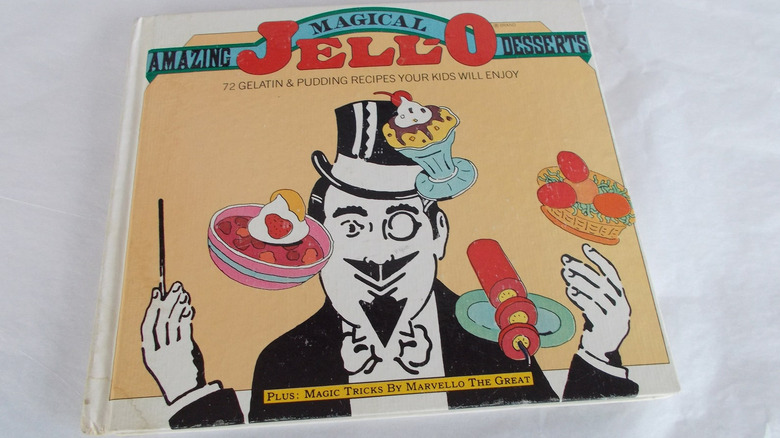
Despite repeatedly studying the science of it, Jell-O remains magical to us. So, imagine our glee when we opened this gem to discover it's written by a literal magician. Marvello The Great pairs wacky '70s gelatin desserts with step-by-step instructions to his most mysterious magic tricks. Published by General Foods Corporation in 1977 to promote the Jell-O brand, "Amazing Magical Jello Desserts" is full of pies, cakes, floats, whips, and what they call a "yogurt poof."
A recipe for Root Beer Fizz, like a root beer float made with lemon gelatin, root beer, and crushed ice, sits opposite an impressive magic trick from Marvello the Great. Marvello's French Drop, as he calls it, is one of the speediest tricks to making something small go poof. The cookbook goes on to include a variety of banana splits and frozen pops made with vanilla instant pudding. The festive recipes never end, with some fruity and others heavy on the chocolate. Of course, because it's 1977, ambrosia pudding is included.
Roald Dahl's Revolting Recipes
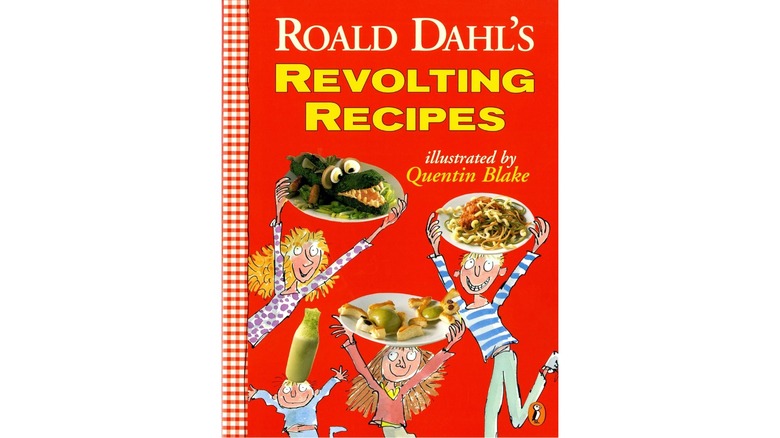
Roald Dahl gifted us with some of the most imaginative children's books in history, and given the cherished Willy Wonka world he created, a cookbook doesn't seem so off base. That is, until you dive into "Roald Dahl's Revolting Recipes." As the title suggests, the author's 1994 cookbook features all of the most confusing and unappetizing dishes from his repertoire.
In a lovely foreword written by his granddaughter, Sophie Dahl speaks to her grandfather's ability to turn everything into an opportunity for a story, including dinner time. An endearing note from his wife, film producer Felicity Crosland, follows. She reveals that his dedication to cooking stemmed from dodging the nasty meals he was served at school. Crosland shared that Roald's mother sometimes sent him packages featuring raw eggs. The cookbook includes a great deal of gibberish, like Fizzwinkles, Whoopsey-Splunkers, and Nishnobblers, but the recipes are 100% real.
The Breakfast Cereal Gourmet
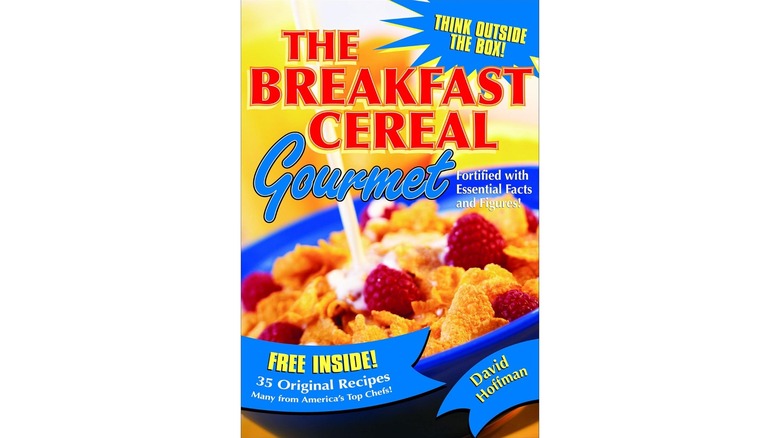
Considering cereal is a meal in itself, it's not usually thought of as an ingredient, but David Hoffman has something to say about that. This very early 2000s cookbook is full of cereal-inspired recipes that all include a well-known brand of cereal as an ingredient. The recipes range from sweet to savory and everything in between, but one of the most entertaining aspects of Hoffman's cereal cookbook is the abundance of history. He includes vintage advertisements from Kellogg's, Post, Nabisco, and dozens of others, speaking on how cereal impacted American culture at the time.
As David Hoffman writes, "Cereal — it isn't just for breakfast anymore." It's also not just for sweets. The cookbook includes less shocking recipes for desserts like rice pudding and Cinnamon Toast Crunch ice cream, but also features more elaborate savory entrees like "Lucky Charmer Utah Lamb" and roasted garlicky artichokes with a bit of crunch from Cheerios.
Soyer's Paper-Bag Cookery
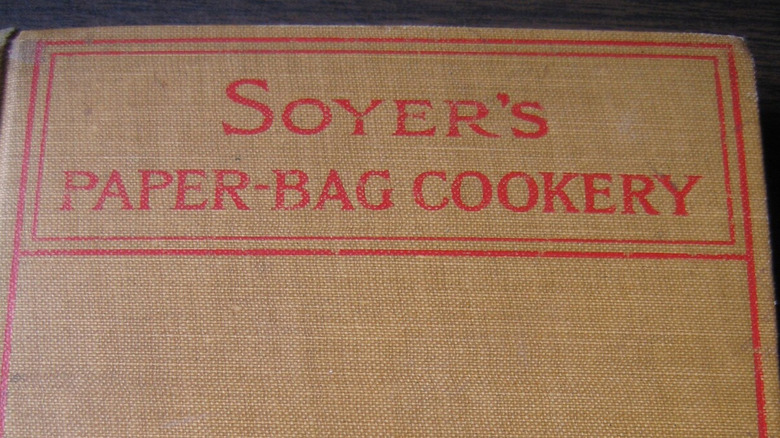
While not as visually striking as some of the newer releases on this list, "Soyer's Paper-Bag Cookery" is full of incredibly innovative recipes. Who knew that something as simple as a paper bag could dramatically alter the flavor of a dish? Well, back in the early 1900s, Nicolas Soyer knew. Soyer was once the world's greatest chef, and in 1911 The New York Times formally gave him credit for the paper bag cooking method.
Before the days of celebrity chef tours, Soyer was the face of culinary innovation. He promoted his new book by touring the country demonstrating his revolutionary paper-bag steaming technique. Soyer offers recipes on how to prepare succulent fish, poultry, and a variety of meats doing so. The paper bags are often buttered before being submerged in a bubbling sauce or placed in a scorching hot oven. The liquid trapped in the bag would steam the protein, infusing all of the added herbs and fats.
Marinetti's Futurist Cookbook
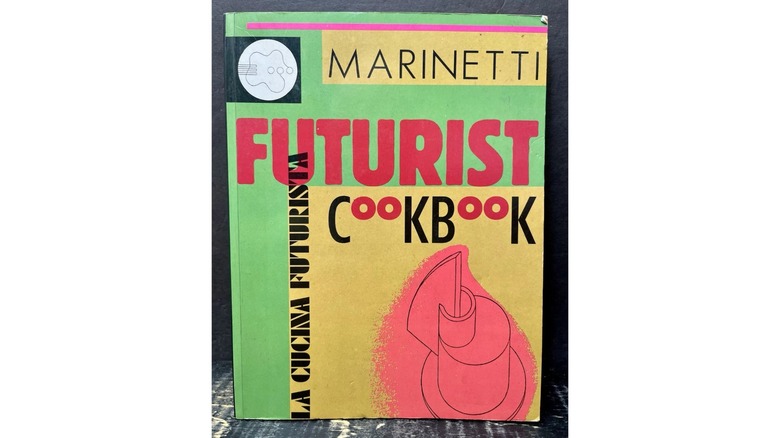
Filippo Tommaso Marinetti, an Italian poet and passionate futurist, uses the term cookbook loosely here. "Marinetti's Futurist Cookbook" is part philosophy, with essays on futurism, but with recipes scattered throughout. There are a few cover variations of Marinetti's so-called cookbook, each seemingly more striking than the last. This image here is of the first edition of his iconic book, originally published in 1932.
Most Italians would die before speaking ill of pasta, but not Filippo Tommaso Marinetti. The Italian art theorist envisioned meals as total art experiences, complete with background music and lighting effects. In his eyes, the future had arrived, and he wanted it embedded into his food. He advocated for synthetic foods and championed the aesthetic arrangement of ingredients over traditional cooking methods.
The Male Chauvinist's Cookbook
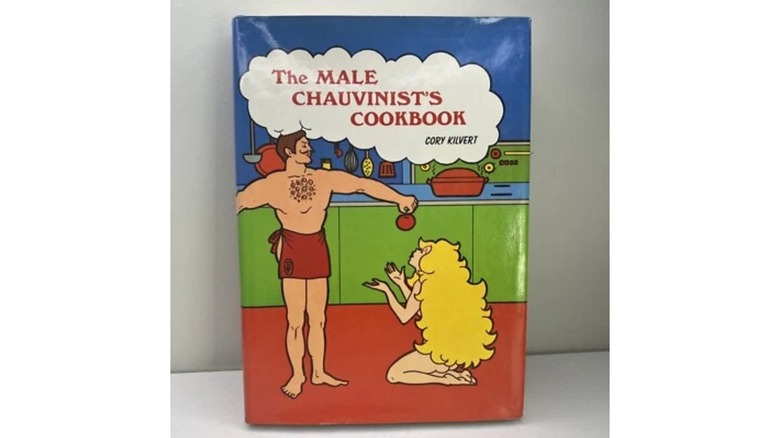
This 1970s satirical cookbook is social commentary on gender roles with a side of recipes. The very first line of the cookbook's introduction says it all. "Women of the world, take heed — men have arrived in the kitchen," Cory Kilvert proclaims. "The Male Chauvinist's Cookbook," published in 1974, is a fascinating look at the time's stereotypes. Aside from being packed with humor and innuendos, the recipes are classic and carefully outlined. It's full of very '70s-era dishes like salad niçoise and hopping John.
To avoid the inevitable surplus of sugar or extra gallon of milk, the ingredients are separated into "what to buy" and "check cupboard for." There are witty recipe titles like "Plain Old Fried Eggs," but then more elegant preparations such as fresh cream of mushroom soup with sherry, or baby scallops provençale. One chapter is dedicated entirely to dinner menus, with clear categories that help hosts plan ahead.
Commissary Kitchen: My Infamous Prison Cookbook
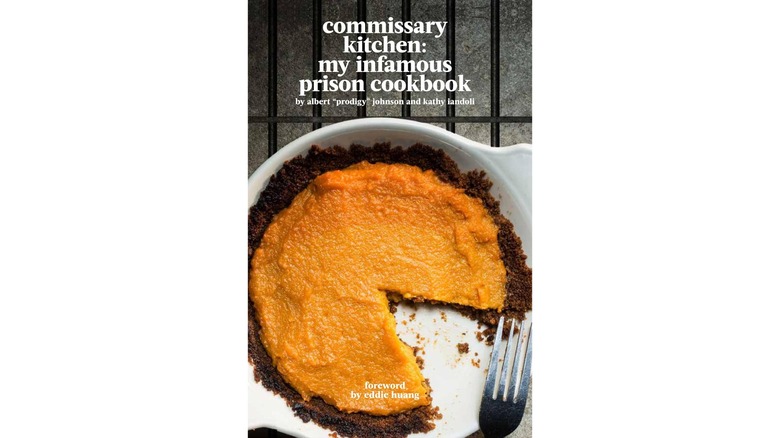
Calling "Commissary Kitchen" a cookbook is grossly limiting, as it's a vulnerable conversation with the late Prodigy of Mobb Deep and a commentary on America's prison system. Music Journalist Kathy Iandoli collaborated with the Brooklyn-born hip-hop legend in 2016 not just to talk music, but to talk food. During his three and a half year stint in federal prison, Prodigy found himself escaping through cooking.
With hardly any tools to work with, inmates come up with the most unconventional and creative cooking techniques. Even sans fridge, Prodigy managed to serve baked seafood, curry gravy, and barbecue salmon. He mastered sweet potato pie with just graham crackers, canned yams, sugar, honey, and butter packets and somehow pulled off dumplings with elbow macaroni. After being released in 2011, he was eager to share what helped carry him through those years: food and the connection it brings. As Prodigy stated, "This book won't make you a better cook, but it might make you a better person" (via NPR).
Leave Me Alone with the Recipes: The Life, Art, and Cookbook of Cipe Pineles
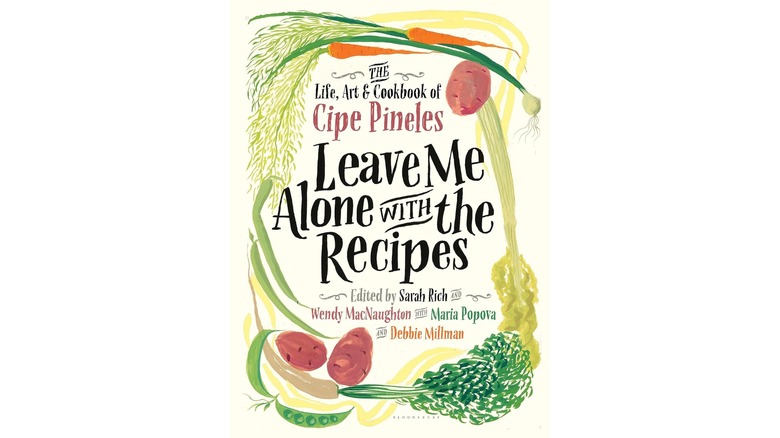
Cipe Pineles was the first successful woman in the graphic design industry, paving the way for generations of young women. She's known for her notable work with big publications like Glamour, Vanity Fair, and Vogue, but before she dove headfirst into the digital art world, she was a painter with a fascination for food. Pineles' work is well documented for the most part, but the world was nearly deprived of the incredible cookbook, "Leave Me Alone with the Recipes." By pure luck, the right people stumbled across a forgotten project of the late Pineles in a dusty pile of books. A few years later, they brought it to life.
The cookbook was published in 2017 – 72 years after Pineles first scribbled these recipes down. The pages became an ode to the late artist, titled "Leave Me Alone with the Recipes: The Life, Art, and Cookbook of Cipe Pineles." Full of sensational soup recipes with vivid watercolor paintings of speckled pots and measuring cups full of peas. There are also classic peasant foods from around the world like schnitzel, goulash, and stuffed cabbage.
The Original Road Kill Cookbook
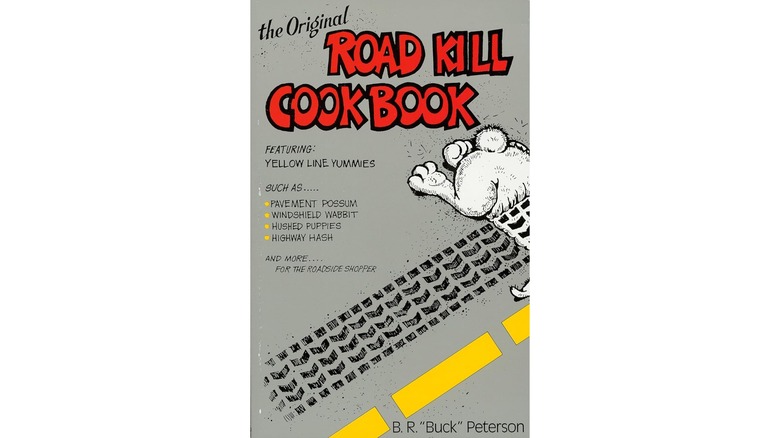
In the Midwest, drivers turn tragedy into dinner by cooking up their roadkill. Buck Peterson is just like any good All-American Minnesota hunter. He doesn't leave anything behind, and that includes vermin off the highway. First published in 1985, "The Original Road Kill Cookbook" might sound like a countryman prank, but it is entirely serious. While full of humor, it's about sustainability and eliminating food waste above all else. Peterson utilizes fallen elk, cows, ducks, geese, and birds in his recipes.
Peterson dedicated his unique meat-lovers cookbook to Mark "Boom Boom" Michalewicz, whom he christens "roadside chef extraordinaire, scourge of northwestern Alaska." The recipes wouldn't be complete without its slightly dark comedic illustrations, kudos to J. Angus Mclean. The how-to book was such a hit that Peterson released a follow-up in 1994 titled "The International Roadkill Cookbook" and a handful of others over the years.
The Anarchist Cookbook
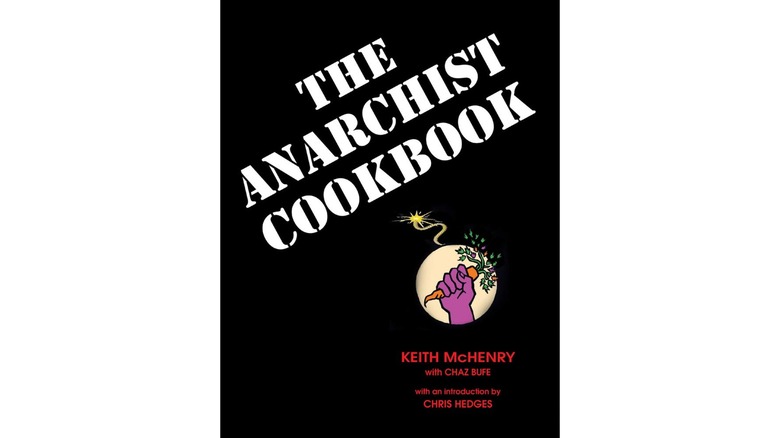
The original Anarchist Cookbook, published back in 1971, was full of recipes for explosives, phreaking devices, and even LSD. Written by a bitter 19 year old who later regretted his publication, the book drew negative attention for its dangerous material. In 2015, social activist Keith Mchenry released a cookbook of the same name to further ridicule and support the erasure of the 1971 original. Mchenry set out to do the exact opposite with his version of "The Anarchist Cookbook." He simply wanted to spread love.
The first half of the book focuses on "recipes" for social change and tips on effective organizing before switching gears into food. The emphasis moves onto the food crisis and conscious eating, which naturally leads into recipes for small groups. These simple recipes for home fries and carrot raisin salads still manage to feed up to six, illustrating how much excess we've become accustomed to. Recipes for huge crowds come next, which include ginormous preparations like tofu sandwich spread for 100 and Macaroni and Cheeseless for 90.
Special Effects Cookbook
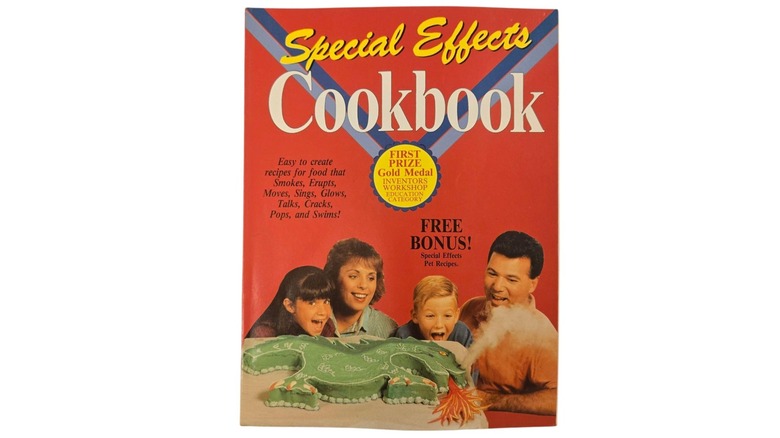
While labeled a cookbook, this 1992 book from filmmaker Michael E. Samonek is less about how recipes taste and more about how they look. "Special Effects Cookbook" concentrates on the motion of your meal, and maybe the audio, too. After spending decades behind the lens in Hollywood, Samonek learned all the tricks of the trade, and he shares everything from a "bubbling witches cauldron soup bowl" made with dry ice to glow-in-the-dark gelatin.
The cover design is exceptionally '90s, with a gleeful family admiring a fire-breathing dragon cake. The cookbook starts with a science fair favorite, the erupting volcano, but this time, it's made of cake. The recipes just keep getting more creative as you flip through to find color-changing drinks, edible paper, singing cakes, and dancing raisins. As the bright red cover reveals, the cookbook contains "easy to create recipes for food that smokes, erupts, moves, sings, glows, talks, cracks, pops, and swims!"
Food to Die For: Recipes and Stories from America's Most Legendary Haunted Places
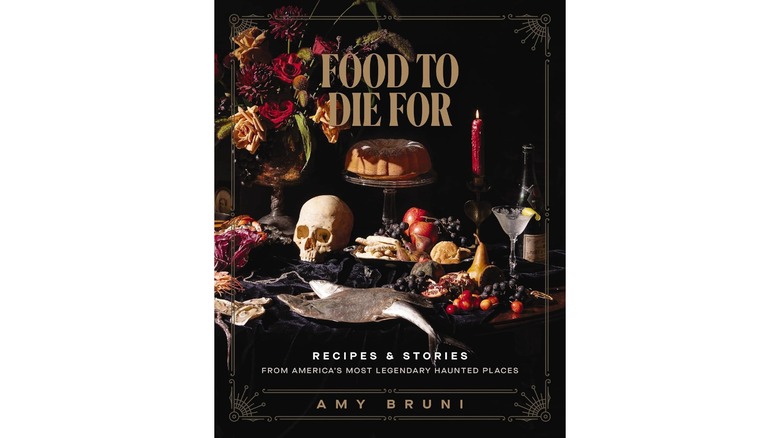
To the undead, Amy Bruni's cookbook "Food to Die For" might not seem so unusual, but to your average (living) Joe, it could stir up nightmares. Bruni is a professional paranormal researcher who has proudly set foot in some of America's most haunted bars and restaurants. Her cookbook is organized by location, starting with hotels and leading into personal homes, bars, landmarks, institutions, and, finally, entire ghost towns. Each recipe comes with a spooky story that will keep you up all night. There are some sweet treats from the Old Absinthe House's haunted walls, Southern fried chicken from a Missouri prison, and dozens more.
This is one of the newer cookbooks on the list, published in 2024, but contains some of the oldest recipes. Some are simply inspired by a story from that time period, while others are actual recipes passed down from generations. Bruni didn't only visit these legendary haunts, but she also spoke with those connected to the spaces and developed recipes inspired by their horrors. Bruni believes food has the power to bring us back in time, and that's what her cookbook is all about — connecting us with the annals of history.
The Astronaut's Cookbook
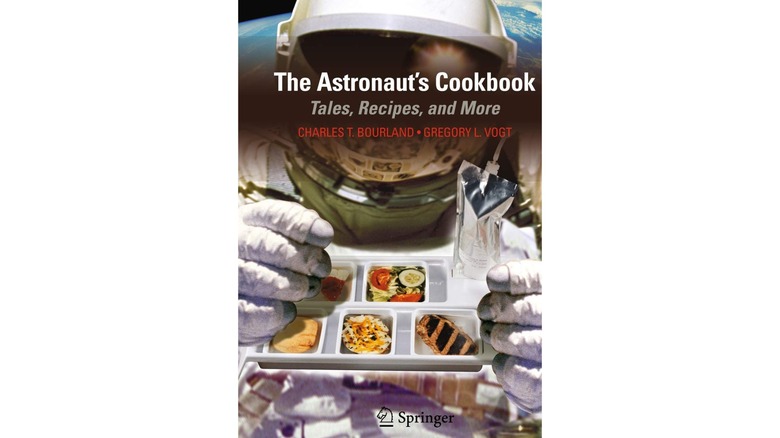
If you've ever wondered how astronauts eat in space, Charles T. Bourland and Gregory L. Vogt are here to tell you. There are no better experts on this matter than these two: a former NASA food scientist and an aerospace education specialist. "The Astronaut's Cookbook" reveals just how many gravity-related hurdles there are when dining in space. Even one crumb can be a dangerous weapon if handled incorrectly, so astronauts rely on creative solutions like freeze-dried meals and shelf, or space, stable foods.
Every detail matters when you're up in space, even down to the packaging weight. Space shuttle crews are only permitted 3.8 pounds of food per person, which calls for careful prep work. Bourland and Vogt share interesting details no landlocked patron would know in this 2009 cookbook, but not without sharing their favorite spaceship recipes for dishes like tortillas and sandwiches, adjusted for the right altitude. The book touches on all the different types of space food, like intermediate moisture foods and irradiated meat. Everything is processed, packaged, and ready for consumption.
Picture Cook: See. Make. Eat
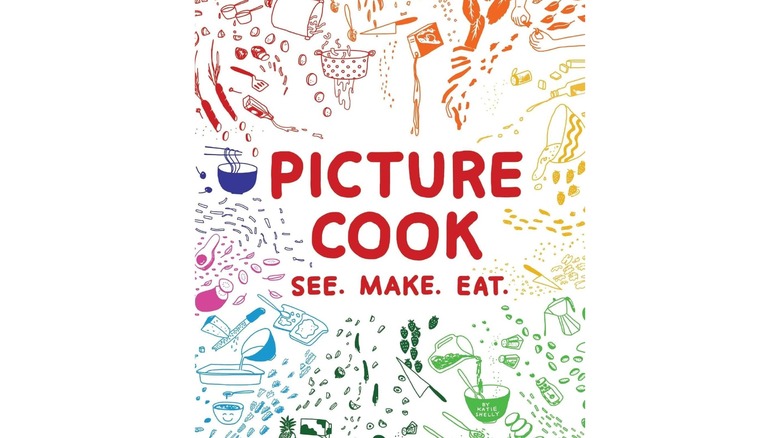
"Picture Cook: See. Make. Eat," is a clever play on the term picture book, because this cookbook is entirely free of text. This cookbook wasn't published until 2007, but we wish we had this on hand when first learning our way around a kitchen. Katie Shelly makes cooking fun for everyone thanks to her new approach for visual learners. It feels as though the cookbook is targeting kids or beginners, but it's just as helpful and fun for experienced chefs to use.
When we say the recipes are illustrated, we're not just talking about sketches of the final dish alongside a printed recipe. There are literally no typed instructions — only painted, numbered, and with the occasional handwritten note. Aside from some wholesome dialogue between animated vegetables and cooking utensils, the only words in Shelly's cookbook are to specify quantities. These aren't your average doodles; Shelly has quite the CV, having spent five years as a designer at the Cooper Hewitt Museum, she worked her way into a freelance career spreading across NYC and Spain.
Manifold Destiny
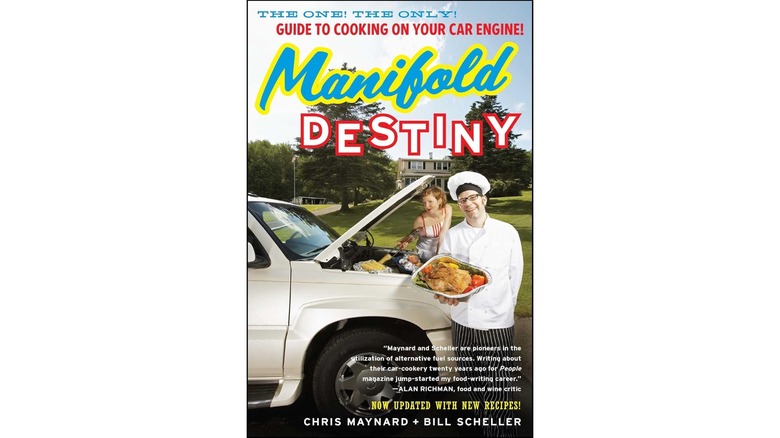
If there isn't an oven in sight, rest assured; there's always your car engine. Chris Maynard and Bill Scheller first published "Manifold Destiny" in 1989 to help spread the word that ovens are obsolete. The cookbook is, believe it or not, the only guide to cooking on your car engine and is full of innovative cooking tricks and hacks for the open road.
"Manifold Destiny" asks the question we've all been wondering: "How many miles does it take to roast a chicken?" The quirky cookbook was a hit, prompting a second printing in 1998 and yet another in 2008. The cover featured here is from their third and latest 2008 reprint, still full of all the favorites from the original like an entire Thanksgiving dinner, "Poached Fish Pontiac" and "Thruway Thighs."
Cooking for Geeks: Real Science, Great Hacks, and Good Food
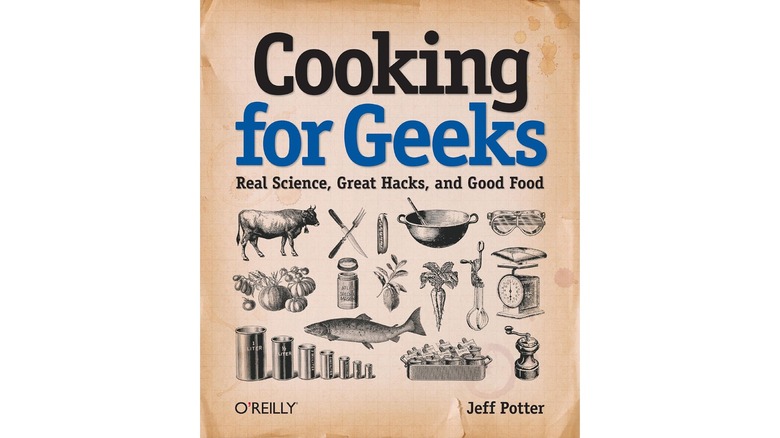
Jeff Porter approaches cooking from a scientific perspective in his cookbook, "Cooking for Geeks: Real Science, Great Hacks, and Good Food." Like science, cooking should be considered an experiment, but many aren't asking the right questions. We see "how-to" books flooding the shelves, but what about "why" books? Why do we sauté onions? Why add salt? Why this, and why that? He breaks down the science behind different tastes and smells, with a variety of interactive challenges to test for yourself.
Potter released his cookbook in 2010 with the hope of appeasing fellow geeks who are dying to know the secrets of the kitchen. For anyone who's ever scratched their head, desperate to know the reasoning behind step number three in the cookbook, you're not alone. Toss on your lab coat and join Jeff Potter in the kitchen.