

What Makes Sterling Silver Flatware Special, And How Much Is It Worth Today?
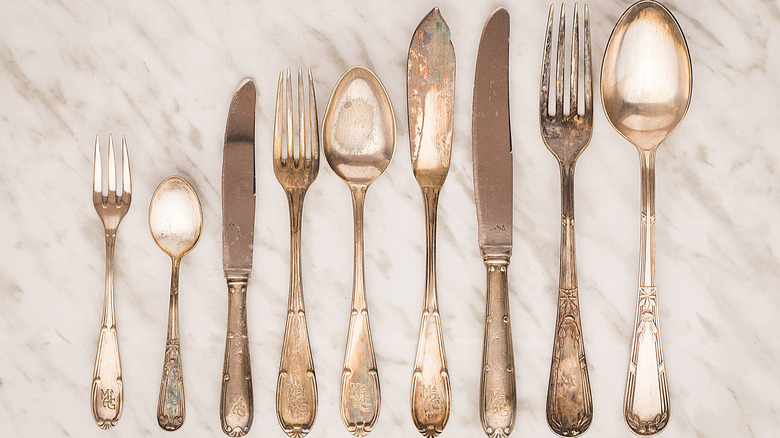
There's a kind of awe around a drawer of old silver — weighty handles, that cool shimmer, the kind of patina that seems to carry stories. That sensory difference is what makes people stop and ask whether those forks are merely pretty or secretly valuable. The answer starts with feel and finish, but the true explanation sits in tiny stamps, heritage, and chemistry, not just nostalgia.
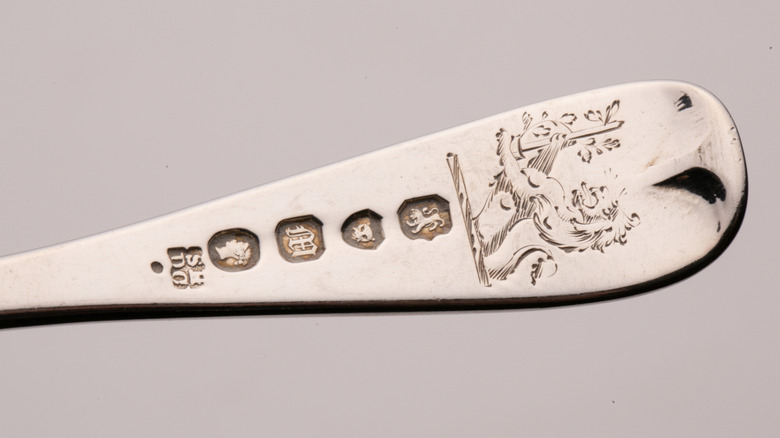
What the stamps tell you is concrete: Sterling or 925 means the alloy is 92.5% pure silver and the balance is other metals, usually copper. That alloy — rather than pure (99.9%) silver — gives flatware strength so spoons and forks won't bend while still keeping most of silver's luster, antibacterial properties, and thermal conductivity. The distinction between solid sterling and silver-plated pieces is crucial. Plated items have only a thin coating of silver over a base metal and are worth far less.
Beyond composition, the maker, pattern, and condition elevate sterling flatware. High-end makers such as Tiffany and Co., Gorham, Reed and Barton, Wallace, Christofle, and other silverware brands can command collector prices far above melt value. Complete flatware sets, serving pieces, and pieces with original boxes or provenance keep their value better. Hallmarks and maker's marks are your roadmap; they tell you origin, date, and maker, and websites and hallmark guides can help you decode them. In short: Metal matters, but history and rarity can turn ordinary spoons into keepsakes.
How to check what sterling silver flatware is worth
A basic way to value sterling is melt value: The formulat for this is weight × purity × current silver spot price. Around mid-August 2025, the silver spot price was around $38.38 per troy ounce (about $1.23 per gram), but that number moves regularly throughout the day. Multiply the total troy ounces of your sterling by 0.925 and then by the spot price to get the raw metal value. Buyers and refiners will typically pay a portion of that number (often 60% to 80% depending on quantity and condition). For example, a 60-ounce set of sterling at $38.38 per pound has a melt value around $2,130. So a dealer paying 80% would offer roughly $1,704.
That melt math is only half the story though. If your pieces are a collectible pattern, in excellent condition, or from a well-known maker, retail or resale prices on specialist sites can be far higher than scrap value. Conversely, knives with stainless blades or incomplete sets drag the average weight down. Small demitasse spoons and accent pieces are rarer and can be valuable even if not in a set.
So what's the final tea on how to tell whether yours is valuable? Look for 925 or sterling stamps (they may be hiding under tarnish, so give your silverware a good clean first), clear maker's hallmarks, and look up pattern names on collector sites. Use non-destructive checks such as a magnet test (real silver is non-magnetic), feel and weight, the polish test (silver tarnish should leave a black mark on a polishing cloth), or the ice test (ice should melt super quickly on real silver). If in doubt, a reputable jeweler or specialized laboratory can confirm purity.