

For The Absolute Best Blueberries, Check These 3 Things
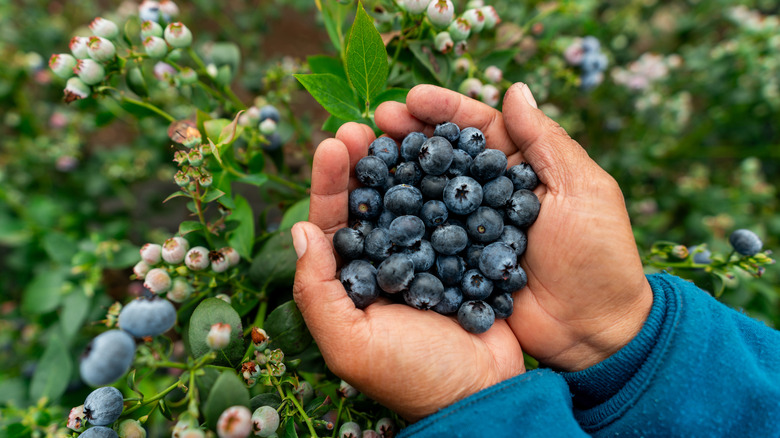
A perfectly ripe blueberry is absolutely wonderful. The skin snaps; it's juicy, slightly tart, and wine-sweet. It's also a tiny package of fiber, vitamin C, vitamin K, and deep-blue anthocyanins. But bringing home a container that smells faintly sour or hides a damp corner can be quite the bummer. The good news is you can screen most of that out in under a minute; all you need to do is look for the right color, smell for mold, and shake for freely moving, bouncy berries.
Start with color and bloom. You want berries that read deep blue to blue-black with a matte, silvery bloom that hasn't been rubbed away. The bloom is a natural coating that protects the fruit; if it's rubbed off across the whole container, the berries have either been handled hard or sat around. Red or green berries are underripe. Next, give the container a deep inhale. Good, fresh blueberries have a gently sweet aroma; musty or vinegary notes signal bruising or early spoilage. Do a quick scan for moisture on the lid, juice stains in the corners, or any speck of fuzz. One fuzzy berry means the clock has basically already run out on the carton.
Now, the movement test. Give the container a gentle flip or tilt, and the two-second freshness check will tell you a lot fast. Berries should tumble freely and look dry; clumping hints at moisture or soft skins. Peek at the bottom layer, not just the top, and avoid collapsed lids or noticeable condensation. If you can choose between sizes, smaller, evenly colored berries usually carry more snap for their size and a higher skin-to-pulp ratio, which reads as intensity. Plus, more little berries means more surface area, meaning maximum anthocyanins.
Blueberry triage and storage
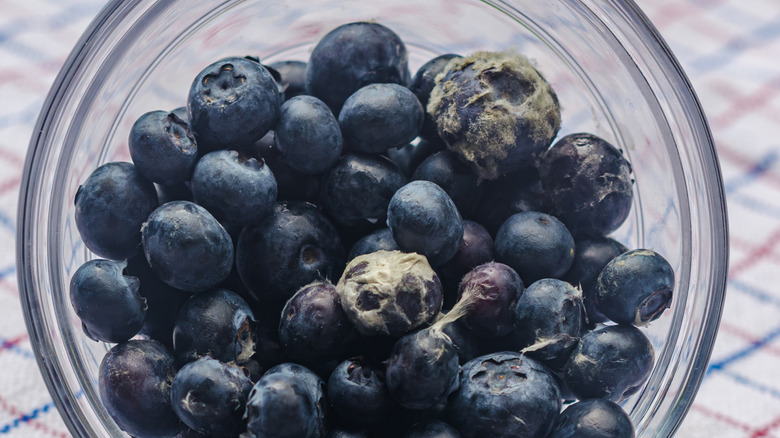
Blueberries are non-climacteric, meaning they won't sweeten after harvest, so buy them ripe because it's the flavor you'll taste. One more sanity check is the container itself. Vent holes help; collapsed lids and condensation do not. When those three checkpoints line up (color, clean scent, dry pack), you have the best basket in reach.
At home, pour the berries onto a clean towel, pull any soft or split fruit, and move the rest to a shallow container lined with paper towel. Keep them cold, dry, and ventilated. Store at 31 degrees Fahrenheit in a shallow, aerated container; the coldest part of the fridge (not a high-humidity crisper) slows spoilage — just don't wash them until you're ready to eat. If you brought home a mixed lot, try the water test to separate sinkers from floaters; the denser, riper berries usually settle, and the airy, tart ones ride the surface. It's a casual triage, not lab work, but it helps you decide which berries to eat first.
You should also know your sizes. Smaller cultivated berries often taste more concentrated than very large ones, and wild berries skew smaller and punchier; the difference between wild and farmed blueberries often comes down to skin-to-pulp ratio and how that concentrates flavor. If snap matters most to you, pick the tightest skins and the most uniform color, then eat the softest handfuls first.
Ways to use and preserve blueberries
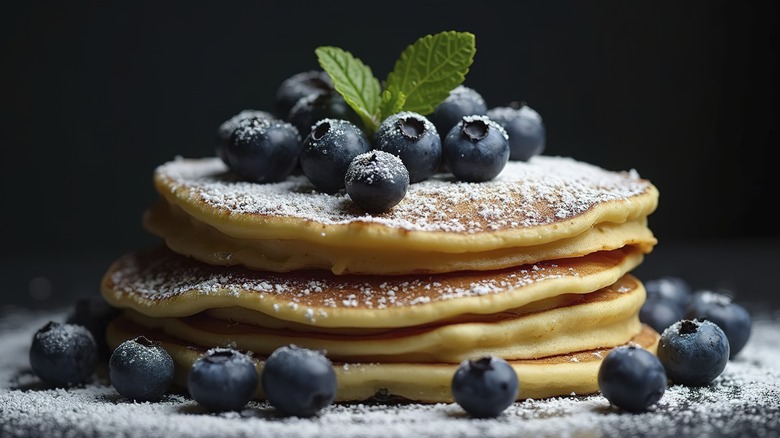
Too many berries isn't a real problem because there are lots of underrated ways to use them. Try a quick compote: simmer blueberries with a splash of water, sugar, lemon juice, and a pinch of salt for 8–10 minutes, until jammy, then spoon over yogurt, waffles, or oatmeal. For salad nights, a blueberry vinaigrette comes together in a few minutes, it's just blended berries, shallot, balsamic or sherry vinegar, honey, olive oil, and it goes especially well on radicchio or other bitter greens. For drinks, muddle a handful into seltzer with lime, or make a fast shrub by combining equal parts crushed fruit, sugar, and vinegar; rest overnight, then strain and use in refreshing mocktails. For a ready-now topping, macerate blueberries for 10 minutes with sugar, a pinch of salt, and lemon juice and zest; the sugar will pull the juice and the salt sharpens flavor. If you want their flavor turned up, roast them on a parchment-lined sheet until they wrinkle and release syrupy juices, about 12–18 minutes, depending on size.
You can also freeze any excess berries on a sheet tray in a single layer, then bag for later. Frozen berries hold their shape in pancakes and quick breads and blend cleanly into smoothies; the firmest fresh berries are the ones to keep for salads or a cheese plate. Swap out any damp paper towel in storage and give the container a little air each day. Clean color, clean scent, and dry pack got you home with a good basket, a little bit of attentive triage ensures none of it goes to waste.