

Everything You Need To Know About Harvesting Squash
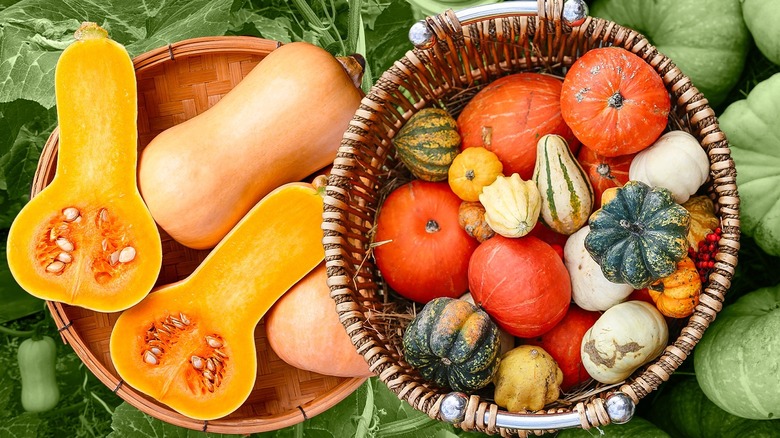
We may receive a commission on purchases made from links.
Harvesting any type of crop can seem straightforward. You wait until it looks ripe, pick it, then eat it. The reality is often more complicated than that. Picking at the wrong time can lead to a wasted crop, and picking the wrong way can lead to a damaged plant. Not only that, knowing when a squash is ripe isn't always easy, and there are plenty of other factors to consider. Knowing these factors allows you to pick squash when it's most flavorful and keep it stored for long-term use.
I've learned all of these lessons through years of hands-on experience. As the owner of a gardening business, I've spent countless hours nursing all different types of squash. Squash is always fun to grow, as you can see the results of your hard work quickly growing on the surface. When it comes to the larger varieties, this can make for an impressive sight. However, when it comes to harvesting and storage, it's easy to make mistakes. Here, I will guide you through everything you need to know about how to enjoy a successful squash harvest.
Summer squash vs. winter squash
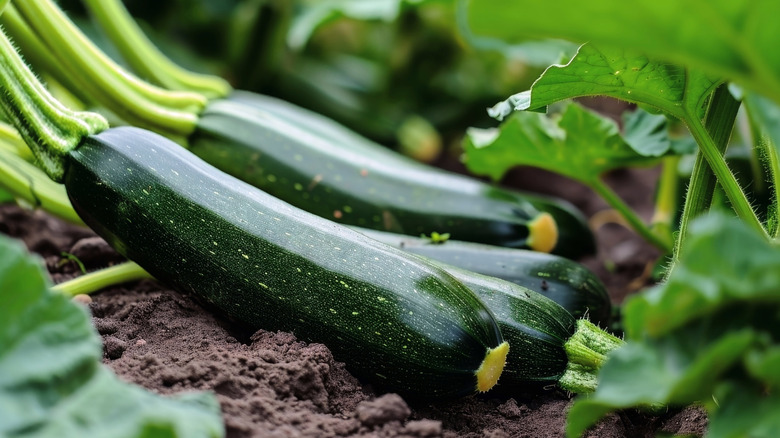
There is a huge range of squashes, but they fall into two distinct categories. These are either summer or winter squash. They may be from the same family, but they share some significant differences. Growing needs can change, but there are huge differences in how they are harvested and stored. Summer squash includes patty pans and yellow crooknecks, as well as the versatile and popular zucchini. These plants can be quick growers and can start producing fruits in as little as a few weeks. They will grow better in warm conditions and benefit from continuously moist soil. Summer squash is tastiest when it's technically immature. The skins are soft, and they can be continually picked throughout the growing season.
Winter squash requires much more patient growth. These can include pumpkins, butternut, and acorn squash. They need an entire growing season to develop a tough outer skin that protects their sweet flesh. Winter squash will generally need a lot more space than summer squash, as they have quickly developing vines. This is one of the reasons I think pumpkins are one of the worst crops for beginners to grow, but there are smaller varieties out there. While called winter squash, they are usually harvested just before the first frost in late autumn and then can be eaten throughout the winter.
Know your variety of squash
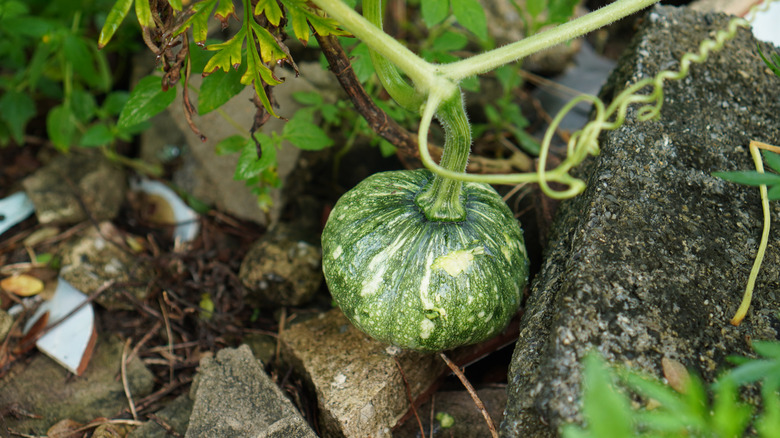
As we've seen, summer and winter squash need to be treated very differently. However, types of summer or winter squash can have different requirements. Deeper still, different varieties of the same squash can have specific needs. Zucchini is a good example here. There are many different types that can differ in terms of size, flavor, and when they need harvesting. This can change not only when they should be picked, but also how they should be grown in the first place. With the quick growth of summer squash, if you get it wrong, then it's usually quite easy to put right.
With winter squash, making the wrong move from the outset can cause months of hard work to be for nothing. An example here is that butternut squash generally requires a longer growing season than acorn squash. Pumpkins are probably the most famous type of squash, and if you want a large variety, they need a huge amount of water and nutrients. Smaller varieties are much less hungry and can be grown in smaller spaces. All of this leads to a general point of just making sure you appreciate the growing requirements of the specific variety you are growing. While there are some general rules that can be followed, treating all squash as the same can lead to a lot of frustration.
How to know when your squash is ripe
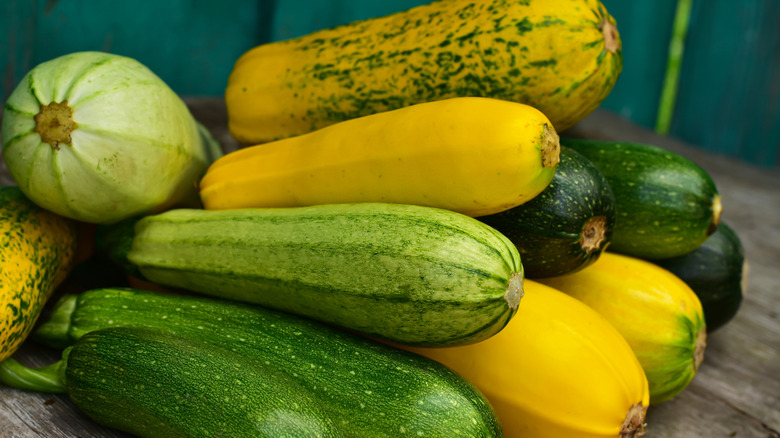
With summer squash, it's better to pick it slightly earlier than a little too late. With winter squash, I think the reverse is true, as it's better to be a little late. There are a few key reasons for that, which I'll explain. With summer squash, you want to pick them young before their skin starts to harden. For the long varieties, such as zucchini, this is usually when they reach around 6 to 8 inches in size. For round varieties, such as the underrated patty pan, you want them to be about 3 to 4 inches across. The reason you shouldn't worry about picking them too early is that you'll be sacrificing size instead of flavor. Leave them too long, and the fruit starts to toughen up. When you've waited too long, the skin will go from glossy to dull. The soft skin that should be easy to pierce with a fingernail will go tough and hard to puncture.
Winter squash will need to ripen fully on the vine instead. You don't want a soft skin you can puncture with a fingernail; instead, you want a tough rind you can't. Color can be an indicator as classical pumpkins will turn deep orange, and butternut squash a rich beige. Knowing how your particular variety should look when ripe is a good reference point. Personally, I rely on the toughness of the skin as well as looking at the stem. When the plant stops feeding the fruit, the stem will shrivel and become woody. If in doubt, pick summer squash right away, but leave winter squash a little longer.
Why reducing wet ground contact is vital before harvesting
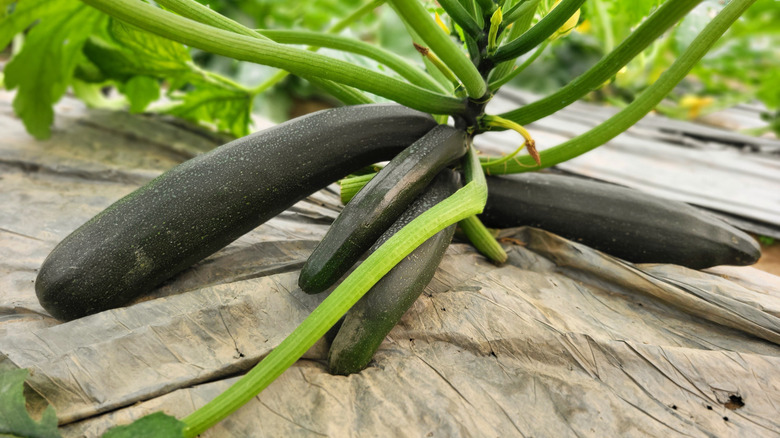
The importance of this point will depend on the conditions you have when it comes to harvesting. It can also depend on the quality of the soil your squash is growing in. Most squash, especially winter squash varieties, often rest directly on the soil as they develop. Due to this, they have a good level of natural protection from moisture. The problem can come if they are in prolonged contact with wet or waterlogged soil. At best, this can cause blemishes on the skin, but at worst, it can cause the skin to rot. For winter varieties, it can also cause rot, which is not what you want. It's for this reason that you always want to grow squash in well-draining soil so that if you do have a lot of rainfall, it can drain through and not remain on the surface.
If your plant is already established in compacted soil, there's not a lot you can do about this until the next growing season. Thankfully, the solution here can be a simple one and serve a dual purpose. That's because not using mulch is a common gardening mistake. The likes of cardboard, straw, or grass clippings can both create a barrier from standing water and help your soil retain moisture. Alternatively, there are even squash cradles (also called melon cradles) that can be bought specifically for this reason. With well-draining soil and dry weather, this is rarely an issue. But it's something you should keep an eye on, and it's better to be overcautious rather than damage your hard work.
How to correctly harvest squash
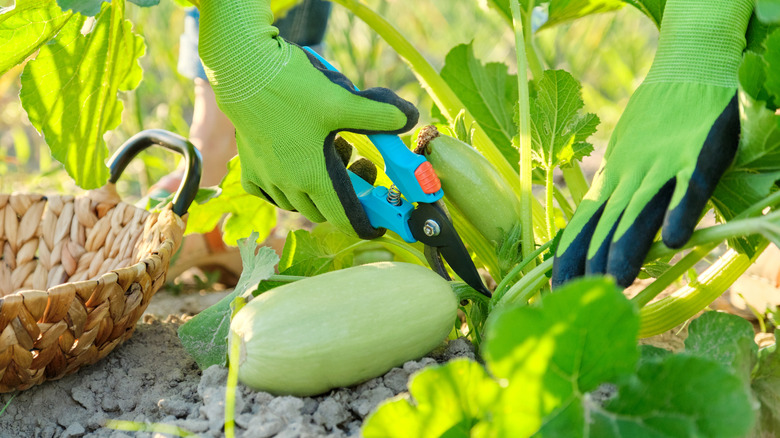
One of the most common mistakes I see when it comes to harvesting above-ground crops is people pulling or twisting them free. This can easily damage crops, plants, or both. This is especially important for summer varieties as the plant will continue to produce throughout the season. Pulling or twisting can lead to torn skin, snapping of the stem, and leaving large parts of the plant exposed. Even if the crop itself is undamaged, the damage done to the plant can cause it stress and also be an open invitation to plant diseases. By far the best thing to use is a pair of good-quality hand pruners. Scissors usually aren't strong enough, and the lack of resistance means using a sharp knife can be difficult.
You also want the pruners to be sterilized before cutting, which can be simply done with very hot water or a disinfectant spray. That's because you could potentially cut a plant with a disease and carry it onto another. Tools can also harbor viruses. Once you've taken that step, you want to cut the stem cleanly, leaving at least a couple of inches attached. This not only allows you to easily carry it but also reduces the risk of any pathogen reaching the fruit and protects its freshness. This is also why picking squash with a large stem is a good hack when buying from stores. With winter squash, the same applies. You don't need to worry about damaging the plant as it will die away after harvesting, but you still want a nice, clean cut on the stem. This will prevent any damage where the stem meets the fruit, which can be a weak spot if it's pulled or twisted.
When to harvest summer squash
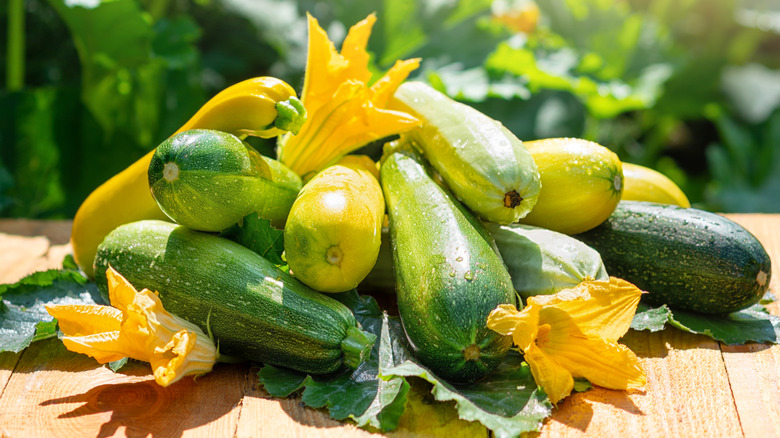
Summer squash is like many plants in that the seeds can be sown indoors in late winter before being transported outside once that last frost has passed. Depending on your planting date, in many areas, this means that summer squash is usually available to harvest from July onwards. It's best to plant early, as they will continually produce. If the squash is only ready in September, for example, you'll only have a month or so of harvesting. Due to this continual growth, your visual and physical clues are more important than any specific time of year.
If a plant loses its fruit, then it's more inclined to grow more fruit to replace it. Due to this, you want to pick them as soon as they are ready. With the likes of zucchini, you usually eat the skin, so you want this to be tender. You want the squash to have a nice shine and still be soft to the touch. If you have picked them too late, they can still be used in soups or baking, but won't be a nice addition to fresher meals. Cutting them off in the morning is always a good idea, as they'll still be hydrated and full of water. Unlike winter squash, you want to have a daily check of your fruit, as a squash that looked completely unready the day before can be ready to harvest the day after.
When to harvest winter squash
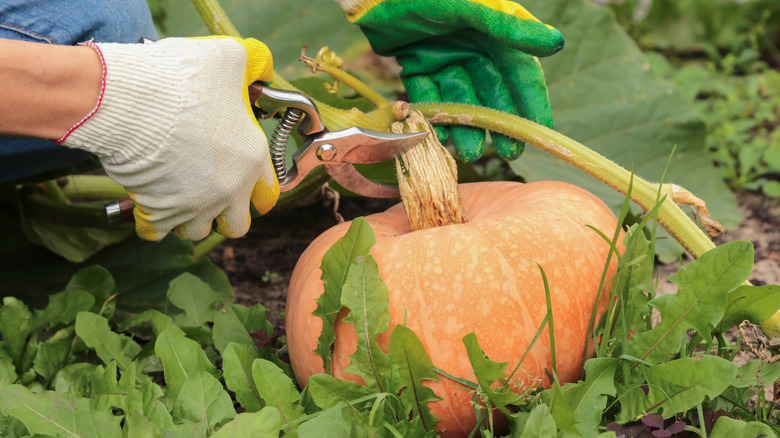
The timing of harvesting winter squash is more important, as you only get one shot at it. However, it's a plant that won't require as much maintenance as it will happily grow patiently throughout the season. In terms of planting winter squash, it has similar requirements to its summer siblings. You can sow them indoors in late winter or early spring before transplanting them outside. If you want a pumpkin for Halloween, it should be planted in late May for northernmost states, and early July for southernmost states. Due to how pumpkins can be stored for a long time, it's always better to do this sooner rather than later.
Your squash will be ready in September or October. You then must look for the signs we looked at before. A hard skin, a dry stem, and usually a uniform color. However, some varieties of squash are two-toned. Once it has completed the growing process, the plant of the squash will start to wither and die back. Hardening stems and yellowing leaves are early signs of this. If you're not quite seeing the right signs, then leave the squash alone. My only exception to this is if you have an early frost. If so, it's better to harvest your squash as freezing conditions can damage it.
Why you shouldn't be washing your squash
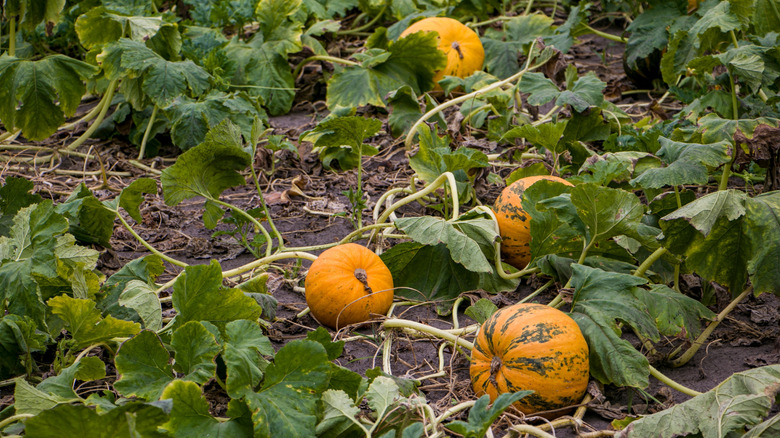
As squash generally grows close to or on the ground, it can often get dirty. The temptation is to give it a good scrub, so you get a pristine squash that is ready to eat. Unless you plan on eating your squash right away, this isn't a good idea. This is especially true for winter varieties that can have a long shelf life if stored correctly. If you scrub them, water can seep into any small scratches on the surface or even on the stem end. It can also weaken the tough outer skin. This can inadvertently cause mold or rot to take hold of the inside of the fruit. You don't want to do anything that compromises the naturally protective layer of the rind.
However, if you have soil on your squash, then you don't want to bring that into your home. If the soil on the surface is wet, I'll let it dry out somewhere undercover until it's easier to brush off. I've found the best method is to use a slightly damp cloth with a splash of white vinegar to gently rub off any surface soil and kill bacteria. Before you plan on using your squash, you are free to wash it properly so you're not bringing any bacteria onto your kitchen surfaces. If you do scrub it too hard and create scratches, you may be in for an unpleasant surprise when it comes to using it.
Why winter squash needs to be cured after harvesting
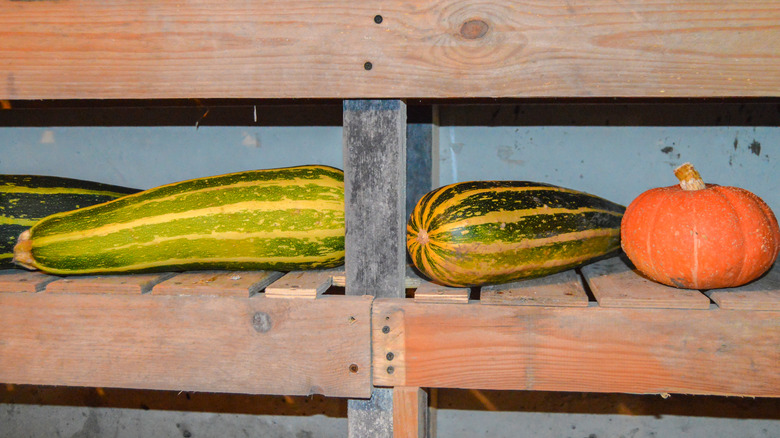
If this initially sounds like a worrying extra step, you'll be happy to know that curing winter squash is very easy. Also, if you plan to eat your squash right away, you don't need to take this step. Summer squash is eaten when it's fresh, so it doesn't need to be cured. In contrast, winter squash can be stored for a long time after harvesting. To give it the best possible chance of long storage, it needs to go through the curing process. This is simply leaving your squash in a warm and dry place, ideally indoors. This can be done in as little as seven days, but I like to leave it for two weeks.
In this time, the rind will continue to harden, and any small cuts that it has will heal over. This will vastly improve the protection it has from rot or mold. Any excess moisture in the skin will evaporate, while the moisture inside the squash will be locked in to keep it fresh and sweet. The optimal temperature for this is around 80-85 degrees Fahrenheit, so keeping them safely perched next to your heating systems for a couple of weeks is an easy way to do this. Keep them away from any cold floors, and turn them occasionally to ensure they are getting an even distribution of heat and air.
Storing your harvested squash
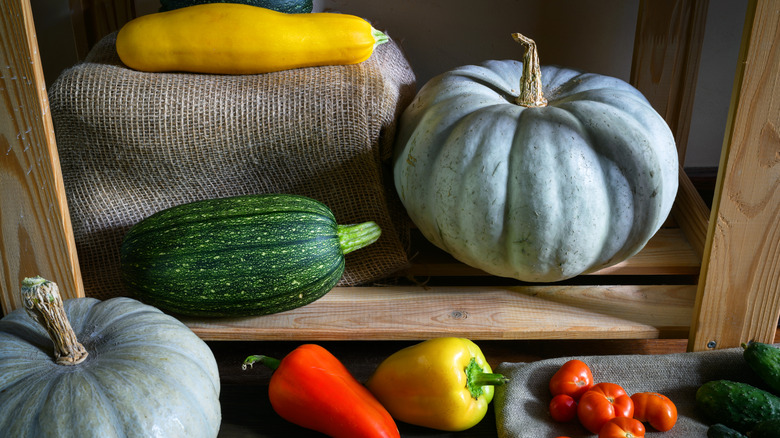
Once your squash has been harvested, you'll want to know how long it can be stored for. The first thing to mention is that summer squash doesn't last for a long time at all, similar to any you buy from the store. Most varieties will last for up to a week when refrigerated before they get soft, and eventually mushy. Winter squash is completely different. When uncut, I've generally found that the larger the squash, the longer it will keep. Smaller varieties such as acorn will be good for up to two months, whereas larger types such as pumpkins can be kept for six months. When kept in perfect conditions and properly cured, some can even last longer than this.
Any type of change in color or texture indicates a squash is nearing the end of its shelf life. This includes soft spots, wrinkling, discoloration, and any musty smells near the stem. If you see any of these signs, it's best to use them before it's too late. Once you cut into it, the flesh should still be firm and bright. For maximum shelf life, squash needs to be stored in a cool, dry place with temperatures in the 50-55 degrees Fahrenheit range. Low humidity, good airflow, and no sunlight are also helpful factors. Avoid stacking them and check them now and again for the signs I mentioned above.