

15 Mistakes Everyone Makes That Are Damaging Vintage Kitchen Items
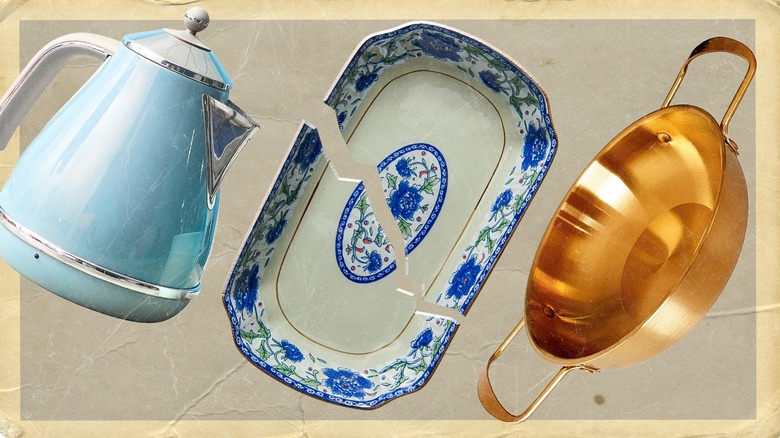
Collecting vintage kitchen stuff is fun. Depending on your interests, it can enhance your decor, become a really functional addition to your cooking or baking, or even be a profitable investment for future resale. Some cooks swear by antique knives and cookware, or a specific brand of toaster or waffle iron that outperforms their modern equivalent. If you have a period-specific home, or one with a still-intact vintage kitchen, filling it with well-selected pieces can really help it shine.
The unfortunate downside to a collection of classic kitchen items, as many novice collectors have learned to their cost, is that they need more attention and care than modern, disposable kitchenware. More importantly, that attention and care needs to be well-informed and well-executed.
Otherwise, despite your best intentions, it's all too easy to damage your cherished collectables. One mistake can spoil their appearance, trash their resale value, or even (sadly) send them to the landfill. It's hard to generalize about "kitchen items," since electrical appliances, utensils, cookware, and other collectibles all have their own detailed requirements. But this list of 15 common mistakes covers most of them, in one way or another.
Not respecting the patina
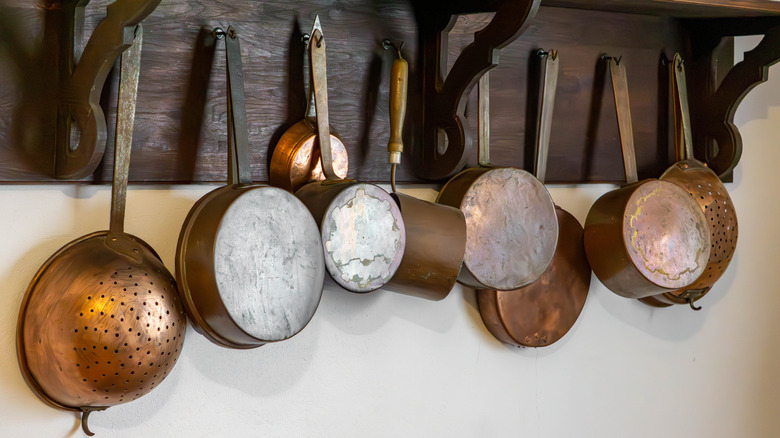
There's an unmistakable look to a kitchen item that's seen decades of steady use. Wooden utensils take on an unmistakably aged appearance, vintage metal cookware and service pieces dull and darken with time, and the factory-original paint on most items will discolor and show traces of damage.
Collectively, we speak of the look that comes with long use as the item's "patina." There's no meaningful way to fake it, despite various well-established techniques for making new-made items look deliberately old and rustic. It won't fool a practiced eye, and thankfully that trend is outdated anyway.
Most of us naturally feel an itch to clean things up and make them shiny. Sometimes that's a good thing, but when it comes to the patina on a vintage kitchen item, it's good to be cautious. That's especially true if you hope to sell your cherished items for a profit someday: Often, that beautiful, years-in-the-making patina is why a collector will pay top dollar. It's always best to check with experts (online or in your town) before you do anything drastic. That said, if you don't care about resale and plan to use the item every day, feel free to polish it up.
DIY repairs
There are two kinds of people in the world: People who regularly repair vintage kitchenware professionally or as an avocation, and those who don't. If you're in the second group, you should probably think long and hard before you attempt any DIY repairs.
The thing is, when you "don't know what you don't know," there are any number of ways this can go badly. Suppose you're pretty good at working with wood, for example. The simple fact is that decades-old wood takes stain differently from new wood, and it can be really difficult to match the old color with modern stains. Getting it wrong means your item may not look right anymore, and will lose value.
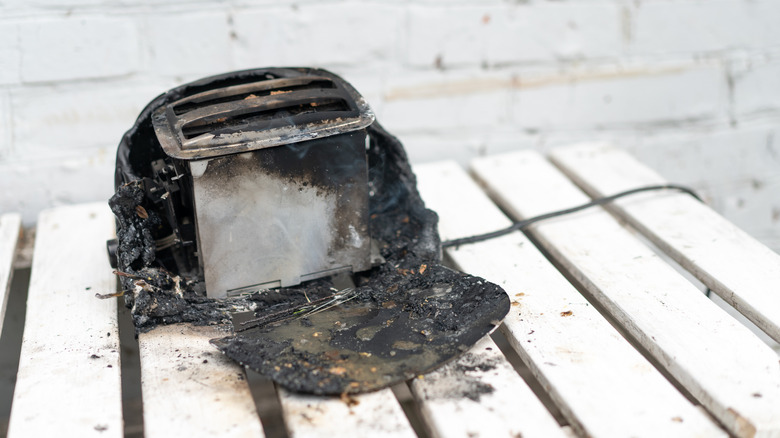
The stakes are highest, of course, with electrical gadgets and small appliances. If you aren't experienced in small-appliance repair, ideally of older pieces, mistakes can be costly. Ill-considered repairs can pose a shock or fire risk, potentially damaging or destroying your vintage item (or worse, causing a kitchen fire). Should your item contain a capacitor, which is a sort of "reservoir" for electricity, touching one accidentally could give you a nasty, and dangerous, shock.
Poor storage environment
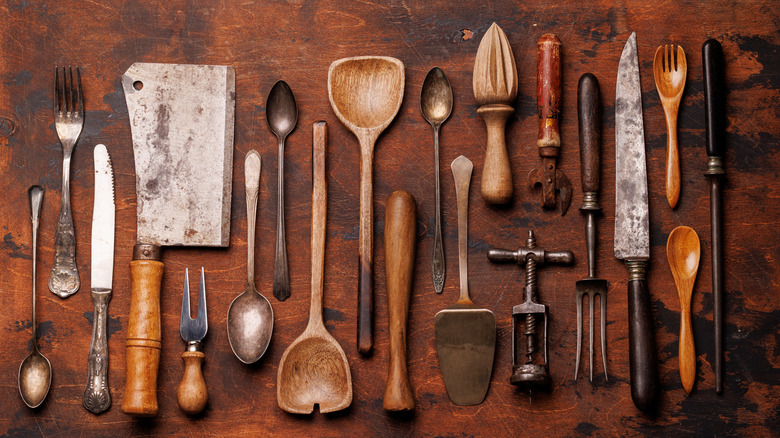
If you're an avid cook or baker, you may notice that the guidance for storing a lot of food items, like dry goods, spices, and canned goods, is remarkably similar. Usually it'll say something like "store in a cool, dry, well-ventilated place."
With foods, that advice helps prevent spoilage or loss of flavor and nutrition. Those aren't the issues you'll face with vintage kitchen items, but it's still excellent storage advice just the same. Although you don't eat your kitchen gadgets, they're also prone to damage or deterioration due to poorly chosen storage conditions. A damp place, with poor ventilation, can cause corrosion in metal parts and wiring. Direct light fades and bleaches patterns, and discolors plastic parts. Sharp changes in temperature and humidity can cause wooden items (or handles) to swell and contract, which leads to cracking and splitting. High levels of humidity may even produce moldy patches on wood.
An unused room or closet, or a basement space with a dehumidifier, can be a good storage space for any pieces that aren't currently in use or on display. Of course, the irony is that your kitchen itself is highly variable in heat and humidity because of your cooking. You may find that an appliance garage in a pantry or other kitchen-adjacent room beats keeping your collection in the kitchen itself.
Putting things in the dishwasher
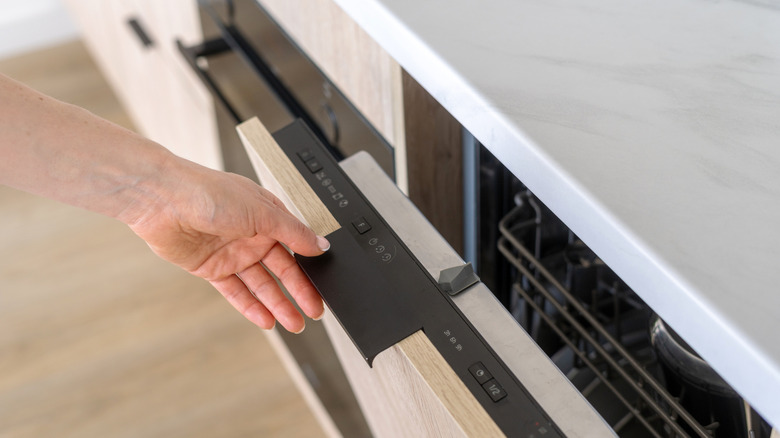
We all love our dishwashers, especially if we've had the experience of living without one for an extended period. Hand-washing is just plain drudgery, and it's ever so much more convenient to just pop the dishes into the machine and go back to lingering over coffee and dessert.
We aren't arguing that you shouldn't keep right on doing that, where most of your dishes and utensils are concerned. But not everything is dishwasher-safe, and even some things that nominally are dishwasher-safe benefit from hand-washing. You should never put wooden utensils in the dishwasher, for example, and almost any chef in the world will scream at you for putting knives in the dishwasher. The heat and the harsh, alkaline chemicals in dishwasher detergent cause wooden surfaces to quickly deteriorate, and can cause corrosion and pitting on some metals.
So where your classic vintage items are concerned, stick with hand-washing except when you can verify for absolutely certain that your pieces are dishwasher-safe. Vintage china and silverware, for example, are often an emphatic "No!" So are items with wooden handles, delicate glassware (the dishwasher's jets can cause them to rattle against each other and break), and metals like copper and aluminum, which can be badly discolored by just one trip through the dishwasher. So yeah, it's almost always best to stick with hand-washing and drying gently with a soft towel.
Letting wooden utensils and handles dry out
Modern kitchen gizmos are most often made of plastic or silicone, non-reactive metals like stainless steel, and relatively abuse-resistant woods or wood-like materials such as bamboo. These are all pretty low-maintenance, which is why they're so popular and widely used.
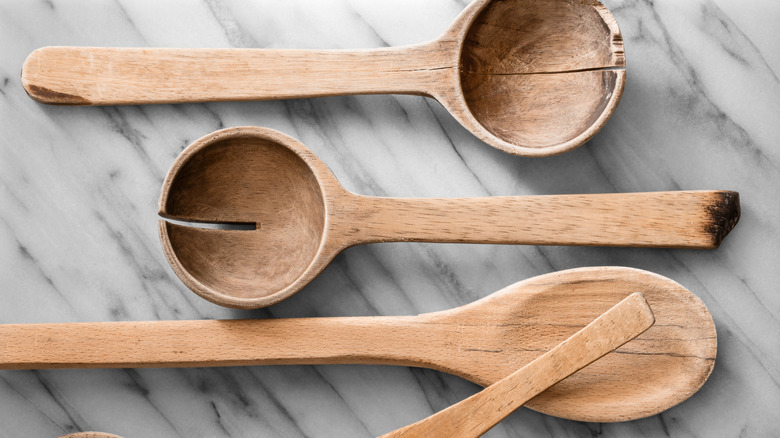
Most woods, despite showing up so often in kitchen items, can't fairly be described as "low maintenance." Sure, you can treat an inexpensive wooden spoon casually, because you'll just throw it out if it's damaged. That's not the case with vintage pieces made of wood (like cutting boards or wooden spoons), or with wooden handles. Those lose a lot of their potential value if the handles crack or split, or if they're patched or replaced using more modern materials.
Here, the proverbial "ounce of prevention" is your friend. Regularly oiling your wooden utensils, or the wooden parts of your vintage kitchen collectibles, may be just about the biggest single thing you can do to preserve them for the long term. The oil soaks into the wood, penetrating its cells (which will be very dry if it's old) and forming a natural finish that helps prevent either drying or absorption of moisture. Not only does that help keep your cutting boards and vintage wooden spoons from cracking and splitting, it helps create that unmistakable patina that comes from long years of use and careful maintenance.
Using abrasive scrubbers and cleansers
Right at the top, we mentioned the importance of preserving the patina on a lot of vintage kitchen pieces. While that's true, it doesn't always apply to actual food-contact surfaces. Those, you need to keep clean for food safety reasons, and also just because food is more likely to stick when a surface isn't clean.
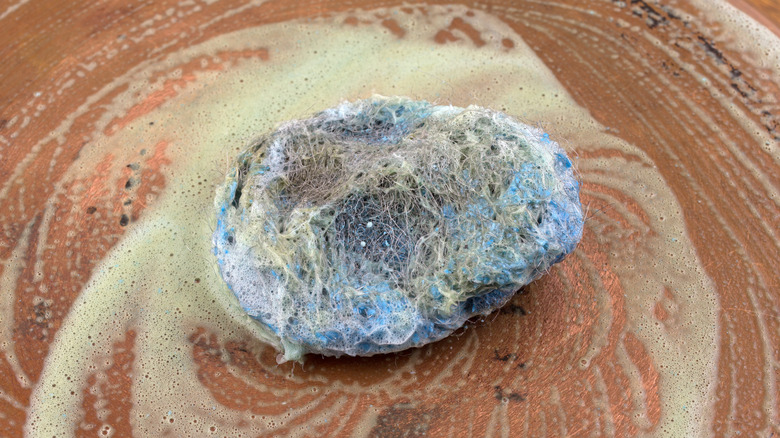
Which brings us to the question of how you clean those surfaces that need it without destroying their finish. Cast iron aficionados can be especially militant about this, because they're fiercely protective of the layer of seasoning that makes those pans non-stick. Abrasive cleaning products ("scouring powder"), steel wool, and those familiar scrubbing pads of coiled wire are all bad choices. They'll aggressively strip away your item's finish, and can even cause permanent damage to the underlying surfaces.
A bit of digging will show that you have some non-damaging options to choose from. Generations of chefs have used coarse salt to safely scour cast iron, for example. Baking soda is another good choice for most surfaces if you need to scrub away stuck-on food. Just moisten the surface, sprinkle soda over it, and then scrub with a soft cloth (but be aware you need to be cautious about using baking soda on aluminum pans and surfaces). A few commercial products like Barkeeper's Friend are also suitably gentle on most hard surfaces, but always check first before you use it.
Not oiling or greasing the moving parts
There's a saying you'll often see on social media. The wording changes, but basically it says, "If it moves and it shouldn't, use duct tape. If it doesn't move and it should, use WD-40."
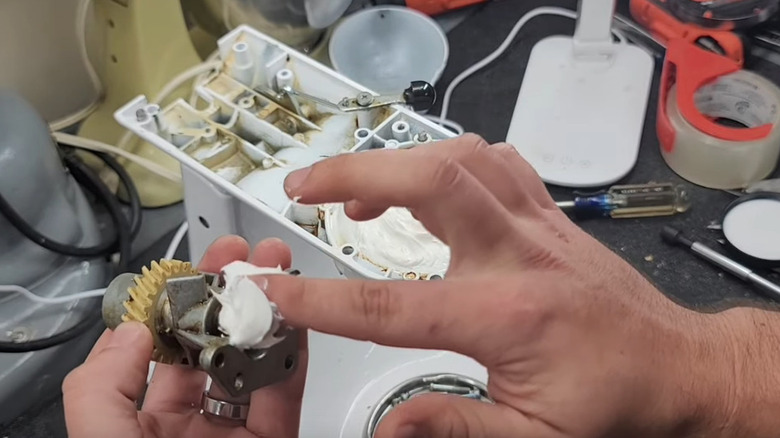
Although WD-40 isn't necessarily your best choice for lubrication, the idea that moving parts need some help to keep doing their job is a good takeaway. That's a pretty broad category when it comes to kitchen items. Everything from small appliances to kitchen shears to those old-school hand-cranked egg beaters contains a few moving parts, and most of them will benefit from periodic oiling or greasing.
For powerful appliances like vintage stand mixers, your best bet is to consult enthusiast forums or (if the manufacturer is still in business) the manufacturer's service site. They may or may not be user-serviceable, and may or may not need lubrication. For hand-operated tools, where the item may come into contact with food, food-grade mineral oil should be your go-to. On surfaces that won't come into contact with food, like the hinges on your granny's waffle iron, you can safely use machine oil.
Clumsy stacking and storage
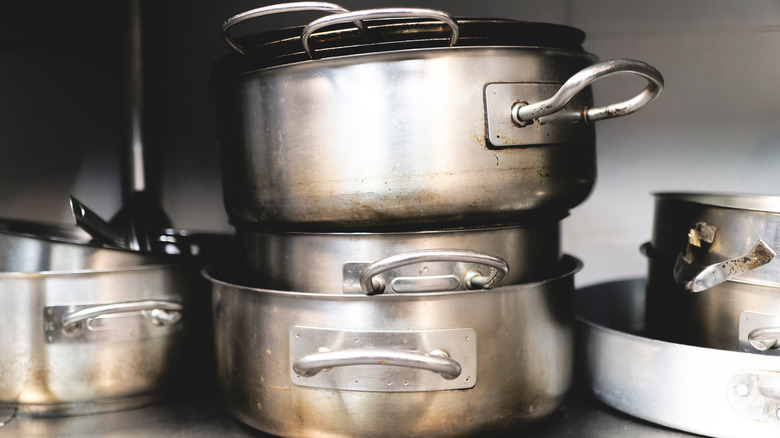
Show of hands, everyone whose kitchen cabinets are ready for an Instagram-worthy photo at any time? Okay, everyone whose cabinets are jumbled and semi-organized at best? Yeah. Life is busy, and cooking tends to take place in a hurry, and we've all got places to be after we put away the clean dishes.
But here's the thing. Storing cookware incorrectly can cause damage, and the same goes for dishes, serving pieces, and many other vintage kitchen collectibles. With china or glassware pieces, for example, careless stacking can cause chips and cracks. With pots and pans, whether vintage or modern, the exterior finish and interior cooking surfaces can be damaged by grinding and clashing against each other. Fragile or lightweight pieces can be damaged if heavier pieces are thoughtlessly piled on top of them.
These problems are the kind that are easy to slide into without noticing, but also (thankfully!) easy to fix. Adding a layer of protective material between dishes, or pots and pans, isn't hard or costly. For dishes it can be as simple as a sheet of paper towel; for pots and pans it can be purpose-made pan protectors, corrugated cardboard cut to fit, or even your old kitchen towels cut to size and repurposed for this use. As for stacking heavy items on light items, your best bet may be to have a separate storage space for those, so you won't find yourself absent-mindedly dropping them where you shouldn't.
Not accounting for thermal shock
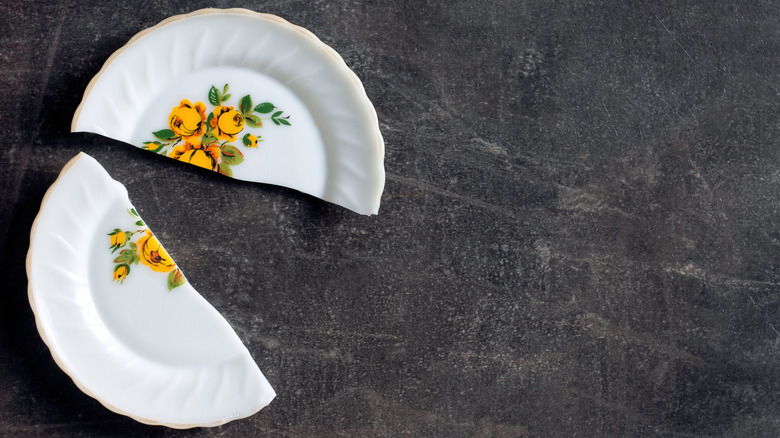
This is a mistake that almost everyone makes at some point in their life. You put something hot on a cold surface, or pour cold water into a hot baking dish, and suddenly you're looking at a kitchen filled with shards and dripping food.
That experience is called thermal shock. It's fairly well known that most materials expand when they're hot and shrink when they're cold, and thermal shock happens when the change in temperature is more abrupt than the material can handle. Now, some materials deal with this better than others. Certain modern ceramics are fairly impervious to it, for example, and lab-grade borosilicate glass (the stuff Pyrex used to be made of) stands up to a lot of abuse. In fact, that's why a lot of collectors look for vintage Pyrex instead of new dishes.
This is something you'll need to watch out for with vintage baking dishes (yes, even Pyrex), and especially serving pieces and dishes. Before you take any vintage glass or ceramic items from the oven or the burner, be sure to set out a heat-proof trivet for it to sit on, rather than just putting it on the counter. With dishes and serving pieces, don't take them from a cool cupboard and immediately pile them with hot food. Instead, warm them gently by running medium-hot tap water over them and then drying them before adding the food.
Leaving vintage kitchenware to soak in the sink
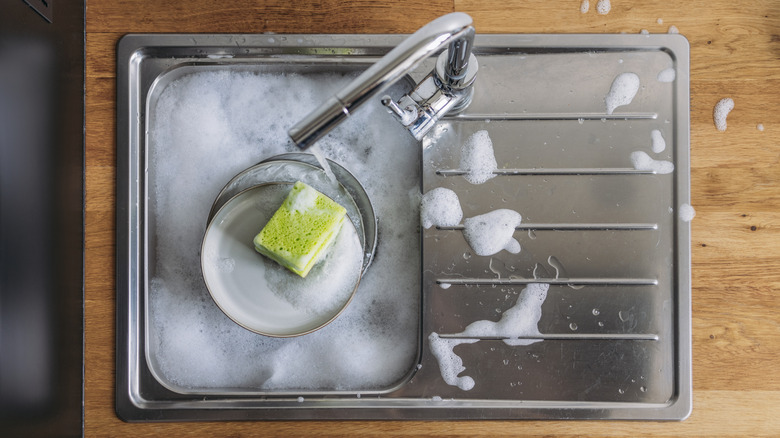
This is another under-the-radar way that you might damage your collectibles. Yes, we did say to avoid scrubbing, and leaving your pieces to soak in the sink for a while is the obvious alternative. It's not a great one, though, because so many things can go wrong (depending on the item).
To be clear, we're not talking about hand-washing overall, because that's almost mandatory for a lot of vintage items. But leaving things in the sink to soak is just asking for trouble. Wooden utensils or handles can absorb excess moisture, degrading their finish and potentially causing them to eventually split. They may also become discolored or stained, whether from the dish soap itself or from food waste in the water. That's also the case for vintage spatulas with real rubber heads.
With pots and pans, extended soaking can lead to corrosion and to grease or food waste getting into seams around handles and lids. With dishes and serving pieces, extended soaking in soapy water can damage their pattern or finish. Finally, there's the ever-present risk of pieces being damaged by jarring against each other or by being dropped as you work (fragile items and wet fingers are a bad combination). If you're washing one piece at a time, a sink liner can prevent breakage. If you've stacked up a whole sinkful, you risk breaking both the piece you drop and the one(s) it lands on.
Overheating your vintage pots and pans
Vintage pans can be a joy to work with, each in their own way. Cast iron and (relatively rare) carbon steel or blue-steel pans take a long time to heat up, but retain their heat beautifully. Copper pans, on the other hand, are highly responsive and react almost immediately when you raise or lower the heat. That's why they're so cherished by chefs and well-heeled amateurs alike.
One thing to be aware of with your vintage pots and pans is not overheating them. That's a given with modern pans and their delicate non-stick coatings, but it's equally important (if not more so) with your prized collectibles. With copper, for example, the traditional tin lining that keeps your foods from contact with the copper (and provides a degree of non-stick to the pans) can melt at temperatures as low as 450°F.
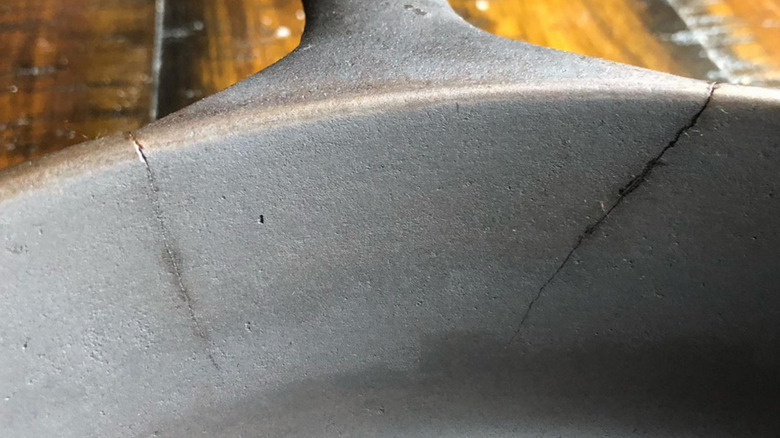
A more damaging issue is the potential for your pots and pans to become warped and deformed from the excess heat. Even cast iron can be damaged this way, despite its reputation for durability. That's what causes warped or cracked pans, the biggest of red flags for vintage cast iron. A warped pan — whether cast iron, copper, aluminum, or some other material — won't sit flat on your burner, and is both inconvenient to work with and mostly worthless as a collectible. So keep the heat down, and show some patience while you're waiting for your pans to come up to temperature.
Not drying things thoroughly before storage
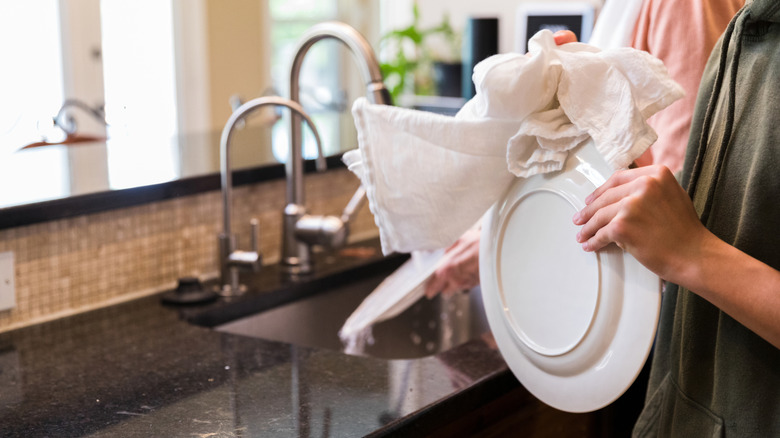
If you put away your socks before they're completely dry, they'll smell a bit funky the next time you pull them out (okay, they might smell a bit funky anyway, but you know what we mean). Not drying things completely opens the door to a lot of unpleasantness, including mold and bacterial activity.
In the case of your vintage kitchen items, that careless addition of moisture can do damage in a surprising number of ways. The most obvious is the potential for corrosion, whether that be rust pitting a cast-iron pan or the hinges on small appliances or kitchen tools becoming stiff and unwieldy. On wooden items, or tools with wooden handles, that moisture can lead to mold or fungus invading the wood and permanently discoloring it. With vintage dishes and service pieces, droplets of water left on their surface can potentially affect their finish (especially if any soap hasn't been well rinsed away).
Letting things air-dry is a convenient option, but there is proverbially a time and a place for everything. Putting away your vintage pans or kitchen tools while they're still damp, or not completely dry, is a recipe for rust and corrosion.
Using the original power cords with electrical items
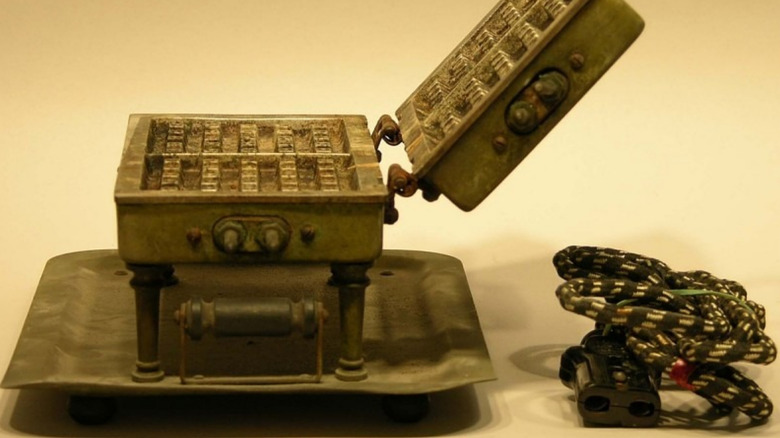
Some vintage small appliances and electrical gadgets are still genuinely superb pieces of equipment. You'll find plenty of older stand mixers, toasters, and waffle irons (to name just a few) that see daily use in collectors' modern-day kitchens.
That said, there is one weak point that many of them share, and that's their power cords. For one thing, cords — even modern ones — can become damaged and frayed in the course of several years' regular usage. That damage might be visible from the outside, but it might not. Cords on older appliances may also not be grounded, which creates a shock risk (though you can protect yourself by plugging it into a GFI outlet, which will click off if there's a short circuit).
So a good rule of thumb is to replace the power cord, just as a matter of principle, if you're going to actually use the item. There are companies manufacturing modern, safe electrical cords that look just like the vintage kind, so you don't have to sacrifice appearances if you want to use that vintage toaster or electric percolator. There's satisfaction in keeping your vintage piece original, but there's a real risk of short circuits, arcing, and damaging scorch marks. If you want to keep a piece as original as possible but not use it, that's easier. You can buy genuine vintage power cords from sources like eBay and Etsy, so it's simply a matter of matching the old one.
Leaving colorful or patterned items in direct sunlight
You probably have a bottle of bleach somewhere in your house. Chlorine bleach is the one that's most often used for cleaning and disinfecting, though hair-color enthusiasts know that peroxide works pretty well, too.
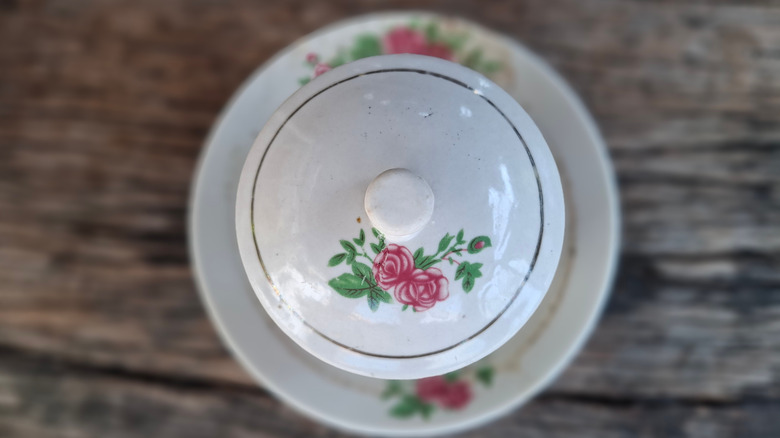
There's another very common bleaching agent that's pertinent to our discussion of vintage kitchen items: the sun itself. You've probably seen a room where the curtains on a window, the photos on the wall, or the pattern of the wallpaper show the sun's bleaching effect. That same effect can sometimes hold true for your kitchen collectibles, depending on the item and how it's made. The paint on vintage wooden parts is vulnerable, for instance. So can the finishes on your china dishes and serving pieces. Glass generally doesn't fade or discolor, but even there you may find yourself surprised by one of the rare exceptions.
Finally, there's the impact of sunlight on plastic parts (where applicable). You'll seldom notice it on the black bakelite used for the handles and trim pieces on many vintage appliances, but white and beige plastics are prone to yellowing, and bolder or darker colors can fade. Overall, it's best to keep your collectibles out of the sun whenever possible. For pieces you really want to display, rotate them periodically so they'll at least fade evenly.
Not finding a specialist to restore your cherished pieces
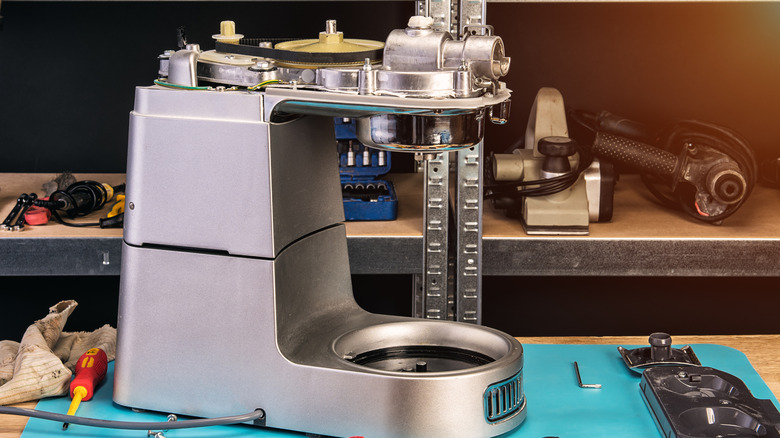
Appliance repair shops aren't hard to find, though they don't do a lot of small appliances anymore — they're mostly disposable now, once they're out of warranty — and you may decide that a repair is worthwhile for a cherished antique.
The issue is that restoring vintage pieces requires a specialized skillset, one that doesn't come from working on modern units. It requires experience, access to specialized parts, and understanding of what is or is not acceptable with regard to the item's value as a collectible. If you're serious about keeping your vintage pieces in top condition, that means you need to find a specialist if you want them repaired or restored.
The beauty of the internet is that this isn't as big a task as it used to be. An entire cottage industry has grown up around the restoration of vintage appliances, just because "they don't make 'em like they used to." So yes, you can have that old KitchenAid stand mixer restored to factory-original condition, if you choose. The same holds true for other appliances. For pieces with wooden parts, you may find it better to go to an antique restorer, who'll usually have deeper experience in matching vintage woods and finishes. In any case, a quick internet search will usually turn up specialists in your region, and from there it's just a matter of comparing reviews and reaching out to the one that's likeliest to have the experience you need.