

16 Times Iconic Store-Bought Food Brands Changed Their Recipe
We may receive a commission on purchases made from links.
Recipe revamps are not uncommon, but the intensity and frequency of the makeovers in recent years have increased as consumers gravitate toward "healthier" ingredients, "cleaner" labeling, and environmental friendliness. Many once-beloved packaged foods have faded quietly out of fashion — sometimes for good reason, and other times sparking outrage among loyalists.
Whether it's trimming the sugar, substituting artificial colors for natural ones, or altering the recipe to meet nutritional guidelines, these tweaks can alter the taste, texture, and nostalgia factor that created the popularity of the items in the first place. For some, the new taste will be nearly unnoticeable; for others, it's like losing cherished core memories from childhood. It seems that everyone on the planet has a story about a beloved comfort product that simply no longer tastes the same. So, here's a look at some of the most popular products to have received a nip and tuck over the past few years.
Nutella
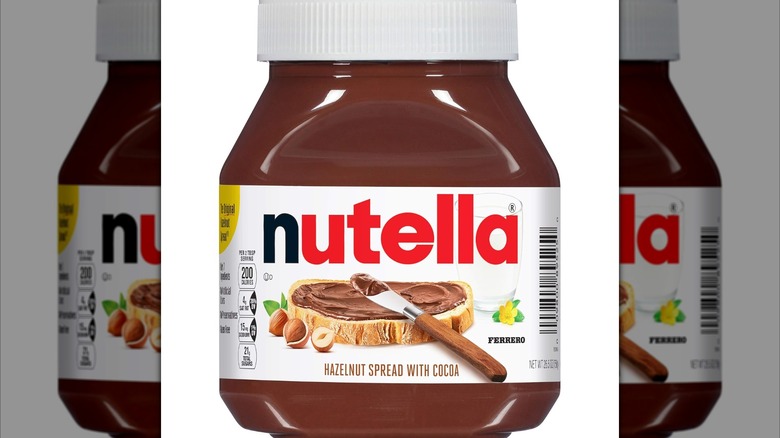
In November 2017, Ferrero modified Nutella's recipe by increasing the amount of sugar and skimmed milk powder. This change led to a lighter color and caused concerns about the reduction of cocoa content, although Ferrero denied altering the cocoa. Because of rising demand for plant-based foods, Ferrero also planned to introduce a vegan version of Nutella in autumn 2024, replacing milk with plant-based ingredients without compromising on taste. This move was likely a bid to cater to the growing number of consumers seeking dairy-free foods.
Despite all this, there are enthusiasts who still miss the original formula and have grumbled about the changes. Introducing a vegan version has been met with ambivalence; while some praised the gesture of inclusivity, others questioned the necessity of tampering with a classic. Overall, the reformulation has sparked debates on tradition versus innovation and what people want.
Butterfinger
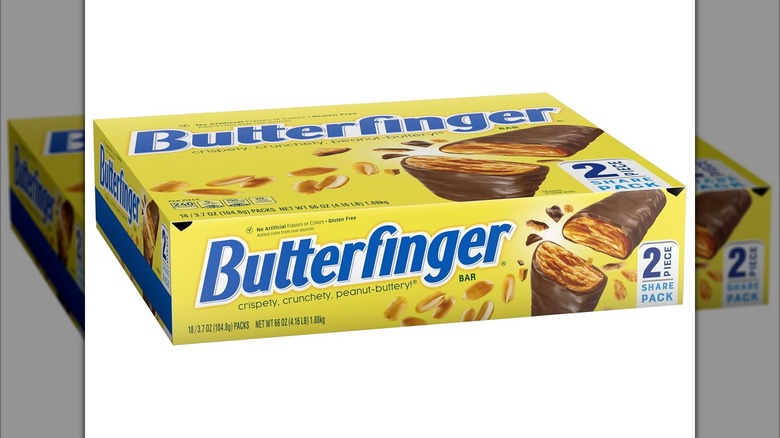
In January 2019, shortly after the alterations to Nutella, Ferrero launched a redesigned Butterfinger in the hopes of enhancing its quality and popularity. The new product eliminated hydrogenated oils and the preservative TBHQ and came with double wrapping to ward off staling. It also removed the cornstarch and soybean oil, possibly to increase the candy's appeal to health-conscious shoppers.
In response to consumer demand, Ferrero released a limited-edition salted caramel Butterfinger in April 2025. It does make one wonder if the company did this as an attempt to reactivate lapsed consumers and drive consumption among existing users. On the whole, the reformulation has elicited divided responses, which point to the difficulties of innovating while maintaining tradition. At what point do changes compound into an entirely different product?
Oreos
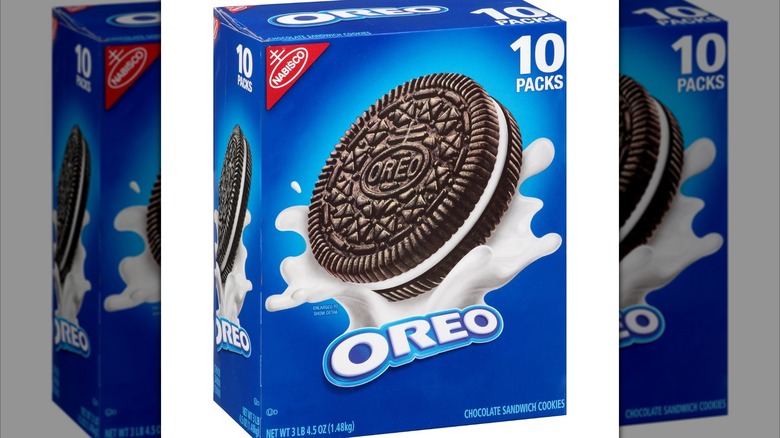
Oreo cookies have also been subtly changed over the years, with many noticing less crème filling in the snack. Although the cookie-to-crème ratio is reportedly still 71% to 29%, various reports suggest double-stuffed Oreos now resemble plain Oreos quite closely in filling size.
Regardless, one big change that Oreo's parent company made was to create a kosher product, which was completed by 1997. The brand removed pork-based ingredients and dairy. This transition widened Oreo's customer base to include not only those following kosher dietary law, but also those with plant-based diets. While some appreciate the innovation, others begrudge that the company established a bit of a monopoly in the kosher cookie industry.
Twinkies
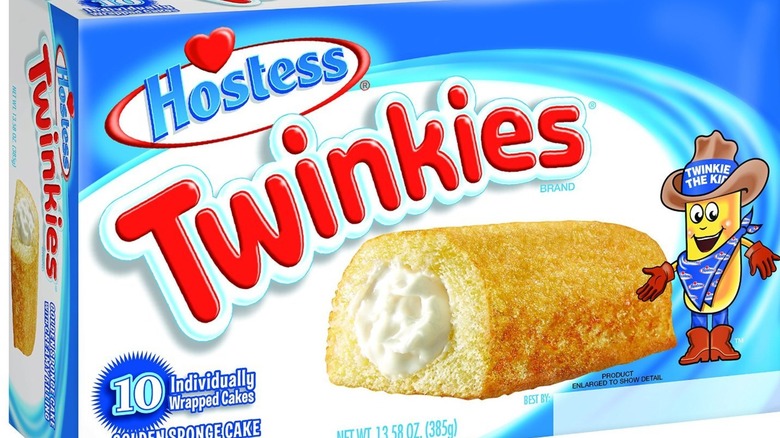
Twinkies have also changed a lot since Hostess' bankruptcy and subsequent purchase. Its traditional snack cakes featured partially hydrogenated vegetable shortening and oils in addition to the original butter flavor, which is now replaced by diacetyl, an additive. The change was made to nearly double the shelf life of Twinkies from 25 to 45 days — which is shocking, considering the joke about how they'd outlast all life on Earth.
Complaints from consumers include that Twinkies are smaller and less appealing today than before, evoking a wistfulness for the original formulation. J.M. Smucker, Twinkies' new owner, announced it would eliminate artificial colors from Twinkies by 2027, joining industry-wide efforts to phase out some artificial additives in food products. Some enthusiasts, however, are still nostalgic for the original recipe and were disappointed with the changes.
Turkey Hill ice cream
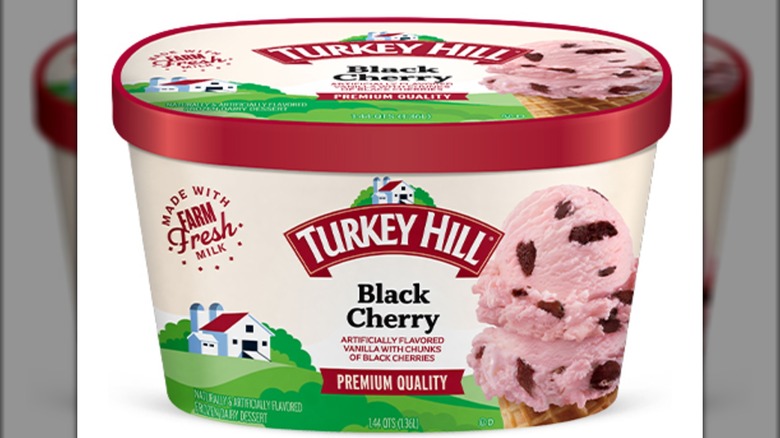
In mid-2025, Turkey Hill announced a big ingredient change regarding the removal of artificial food dyes from its ice creams, to be finished by 2027. It planned to replace artificial colors, including Red 40, Blue 1, Yellow 5, and others. The brand plans to swap the artificial blues with Gardenia blue, an FDA-approved color made from the Gardenia jasminoides Ellis fruit.
The change is part of the general industry trend towards fewer synthetic additives. Meanwhile, longtime consumers on Reddit have noticed that many Turkey Hill items now bear the label "frozen dairy dessert" rather than ice cream, suggesting changes in its formulation — perhaps reducing milk fat or altering solids content to cut costs.
Stouffer's lasagna
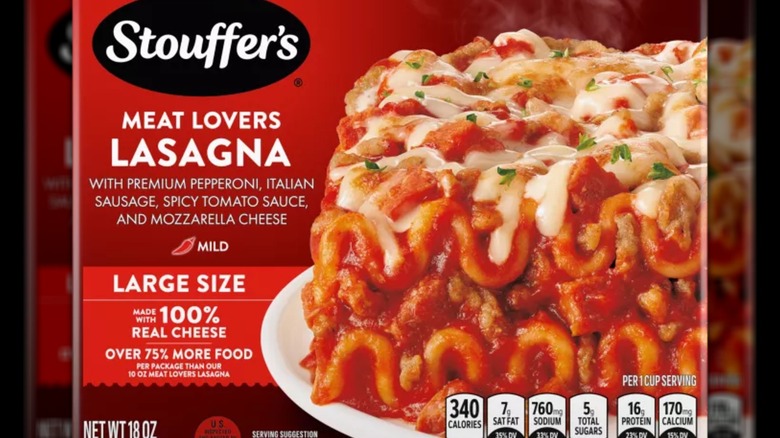
Nestlé revamped the recipe for Stouffer's meat and sauce lasagna in a new, simplified "Kitchen Cupboard" recipe. The ingredient list dropped from 19 to 15 ingredients when it removed ingredients like autolyzed yeast extract, carrageenan, dextrose, and bleached wheat flour. Stouffer's replaced some of the removed umami-enhancing ingredients (like autolyzed yeast extract) with more common kitchen staples, like soy flavoring, to preserve the product's taste while using easily recognizable ingredients.
Besides this lasagna, Stouffer's also made plans to rejig its other 23 lasagna flavors to fit its "Kitchen Cupboard" standard. The brand's advertising emphasizes the shift to recognizable ingredients — an "it's what's on the inside that counts" approach — while striving not to sacrifice comfort and the flavor consumers expect from a classic frozen lasagna. It's a daunting task, since the proposed changes could have changed the appearance and taste of the lasagna.
Campbell's chicken noodle soup
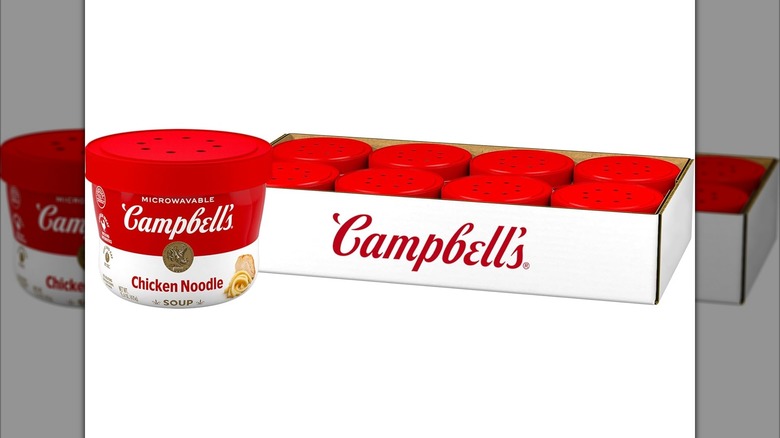
Campbell's reformulated its iconic chicken noodle soup in 2015, reducing the ingredients list from approximately 30 to 20 items. It removed ingredients like MSG, maltodextrin, celery, and some flavor enhancers. It retained the more straightforward ingredients, leaving things like chicken stock, dehydrated onions, and water in place. The idea was to make the product read more "natural," even if a number of customers noticed that the classic nostalgic flavor profile had subtly shifted.
This reformulation is a little perplexing, especially since the soup's ingredient list was already pretty straightforward. Overall, as Campbell's emphasized quality and ingredient identification, the reformulation has sparked debate around the balance between health-conscious marketing and preserving the retro taste the majority associate with childhood. A notable pattern is that it seems the products that were once childhood staples for consumers garner the biggest reaction to any proposed changes, whether big or small in scope.
Kraft mac and cheese
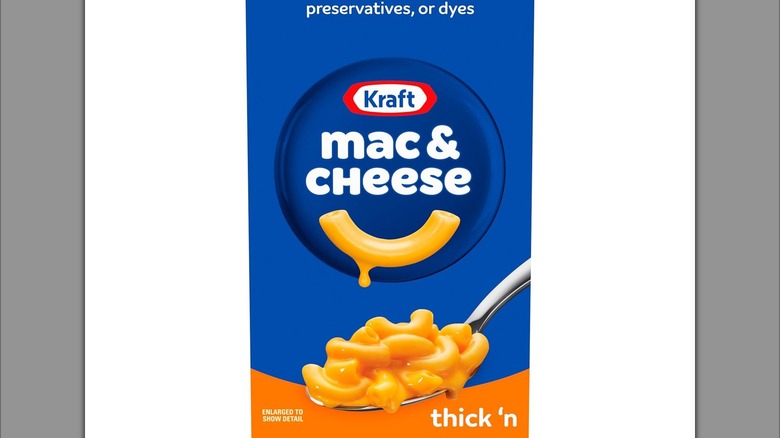
In the mid-2010s, Kraft removed artificial dyes (Yellow 5 and Yellow 6) and preservatives from its classic blue box mac and cheese and replaced them with natural coloring agents like paprika, annatto, and turmeric. Kraft aimed to boost nutritional appeal without impacting the product's characteristic vibrant orange hue. In June 2025, Kraft Heinz made a bigger commitment: all U.S. products will be free of synthetic dyes by the end of 2027, and none of its new products would contain them.
The company stated that more than 90% of its U.S. net sales already meet this qualification, and referred to hundreds of recipe improvements it's made over the years — boosting protein and fiber, and reducing sugar, salt, and fat. Yet consumer chatter is revealing some dissatisfaction: Reddit users reported less vivid color and taste, called the new mac and cheese "bland," and speculated cost-cutting ingredients.
Heinz Beanz with sausages
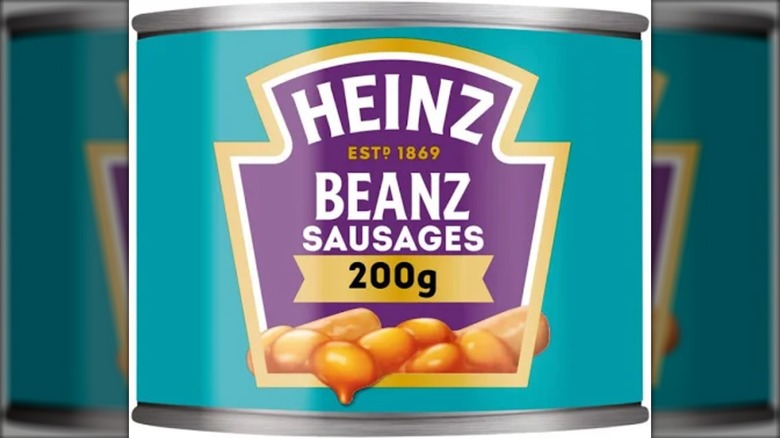
Heinz overhauled the formula for its classic, long-standing Baked Beanz with Sausages in May 2024 by substituting Richmond sausages (a top national brand that includes wheat) for the original gluten-free sausages. This tweak ended the product's role as a simple, safe meal solution for people with celiac disease or gluten intolerance, causing outrage immediately among the gluten-free community.
When complaints grew, Heinz responded that the action was driven by consumers and said it made the changes known via signage, marketing, and allergy organizations. The Richmond pork sausages also contain soya and sulphates. The gluten-free alternative remained available only while stocks lasted. The redesign eliminated a niche gluten-free ready meal option, and the move was criticized on the basis that the needs of people with dietary requirements were disregarded.
SpaghettiOs
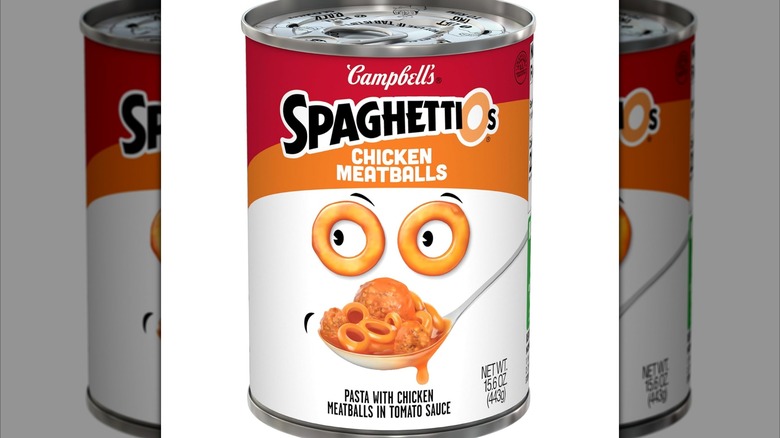
Campbell Soup Company made a significant redesign of its SpaghettiOs canned macaroni in December 2009. It lowered the sodium up to 35%, dropping sodium to 600 milligrams or less per 1-cup serving, depending on the variety.
The reformulated products are also richer in nutrients. The plain varieties all have a full serving of vegetables and grains and at least five key nutrients — such as vitamin A, calcium, iron, folic acid, or fiber — while staying within the scope of the FDA and USDA's "healthy main dish" guidelines. This means low total fat, saturated fat, cholesterol, and sodium.
Sean Connolly, Campbell's U.S. soups, sauces, and beverages president at the time, stated that the move was in line with the company's long history of offering healthier options to children and mirrored previous moves to lower sodium content in its children's soups.
Coca-Cola's 'New Coke'
Few reformulations are as infamous as New Coke. On April 23, 1985, Coca-Cola replaced its original cola with a sweeter "New Coke" to blunt Pepsi's momentum. Blind taste tests looked promising, but the launch triggered a swift consumer revolt. Hotlines flooded, sales slumped, and in 79 days, the corporation returned the original formula. The event was a boardroom case study in messing with iconic brands and the risks of interpreting taste surveys without weighing identity and emotion.
In 2019, Coca-Cola briefly revived the New Coke formula as a "Stranger Things" tie-in, selling limited cans online. It was a cautionary tale transformed into nostalgic fan service. New Coke's short existence continues to guide how companies launch "improvements" on flagships: test widely, communicate clearly, and never underestimate loyalty.
Heinz Ketchup
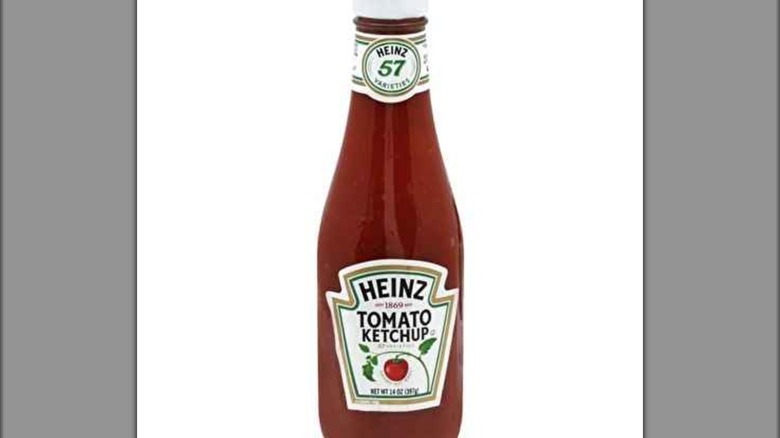
Heinz quietly reduced the sodium in its traditional tomato ketchup in 2010, cutting levels by roughly 15%, from around 190 mg to 160 mg per serving. It was one of the first major changes to the long-standing recipe in almost four decades, yet it came without much fanfare, so it remained mostly invisible to consumers except in a direct comparison of nutrition labels. The company pointed out that intensive testing across multiple American cities assured that there were no perceivable taste differences, and it "rebalanced" its secret blend of spices to keep the classic flavor.
This subtle action resonates with Heinz's strategy for pushing nutritional profiles in parallel with public health initiatives, without jeopardizing customer trust by avoiding overt communications or packaging overhauls. For health-aware shoppers tracking sodium intake, the shift suggests Heinz's commitment to incremental wellness adjustments — imperceptibly added to a storied formula designed to fly under the radar on supermarket shelves.
Powerade
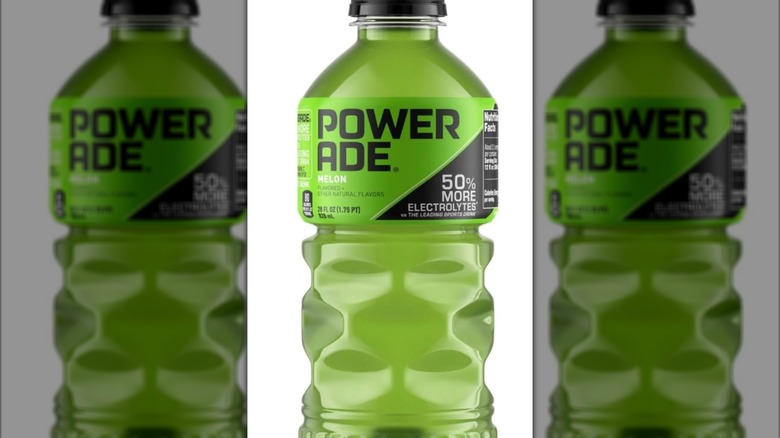
Powerade's most recent reformulation was in early 2023. Coca-Cola, its parent company, boosted electrolytes and added vitamins to reposition the brand to compete with Gatorade. The new formula contains 50% more electrolytes (in the form of sodium and potassium) than Gatorade Thirst Quencher, and also includes vitamins C and B12. It updated its label to highlight the difference. The battle soon became an ad-claims battleground. The BBB National Programs' National Advertising Division initially recommended stopping or modifying the "50% more electrolytes" message, arguing it implies improved performance. Coca-Cola appealed and prevailed handsomely.
In late 2023, the National Advertising Review Board agreed the labeling claim is a permissible quantitative statement as long as it expressly indicates "versus Gatorade Thirst Quencher," although broader performance implications in ads were approached with caution. Other than theatrics in the courtroom, the product shift is meaningful. More electrolytes per ounce can influence taste and subjective "saltiness." Together, the new formula and package set the stage for bolder, head-to-head advertising battles for the decade.
Capri Sun
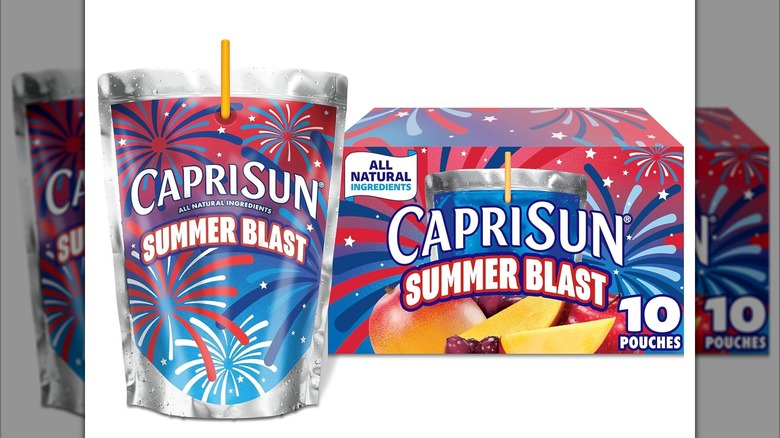
Capri Sun's biggest recent reformulation was widespread sugar reduction among its original Juice Drink pouches. In 2022, Kraft Heinz cut added sugar by 40% by adding monk fruit concentrate to sweeten without sacrificing the brand's taste. It also modified the packaging to include clear bottoms so that customers could see the color of their drink before sipping.
The company positioned the change as a response to parents' demands for simpler labels and less sugar, following years of interrogation of children's drinks. While some die-hards did notice less sweetness, Capri Sun emphasized that the fruit flavor is still present, the lesser sugar merely addressing a point of contention for parents regarding the drink's health impact. It's a rare instance of mass reformulation at scale with price points intact and flavor profiles recognizable. Capri Sun is proof that mainstream staples can reduce sugar dramatically without losing their identity.
Eggo waffles
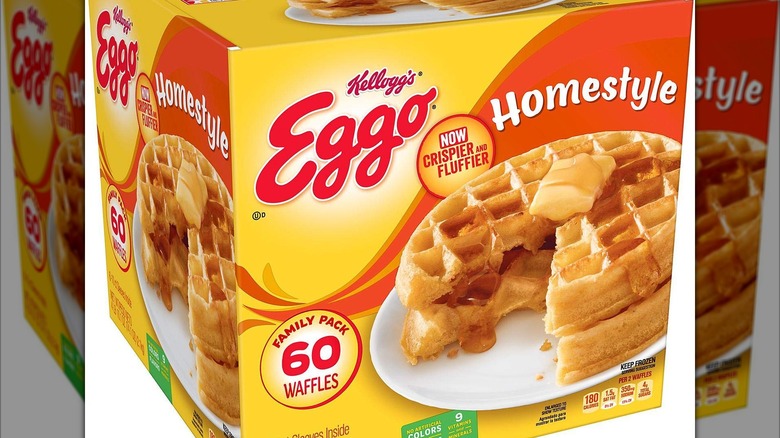
Eggo's most widely reported wave of reformulation has been towards simpler labels and the removal of artificial colors and flavors. In 2015, parent company Kellogg's followed the food trend of the decade and committed to phasing out artificial flavors and colors from many products, including Eggo frozen waffles, by the end of 2018.
These changes have been subsequently noticed by fans who have since commented on the airiness and lack of flavor of the waffle. Athough Kellogg's sought to update the recipe while maintaining the crisp-on-the-outside, tender-on-the-inside texture that has defined the toaster mainstay, it ended up altering the signature taste and texture consumers know and love. The takeaway is that Eggo Homestyle's recipe is simpler than it was a decade ago, as the industry on the whole moved to fewer artificial ingredients, while sometimes forsaking nostalgic tastes in the process.
Doritos
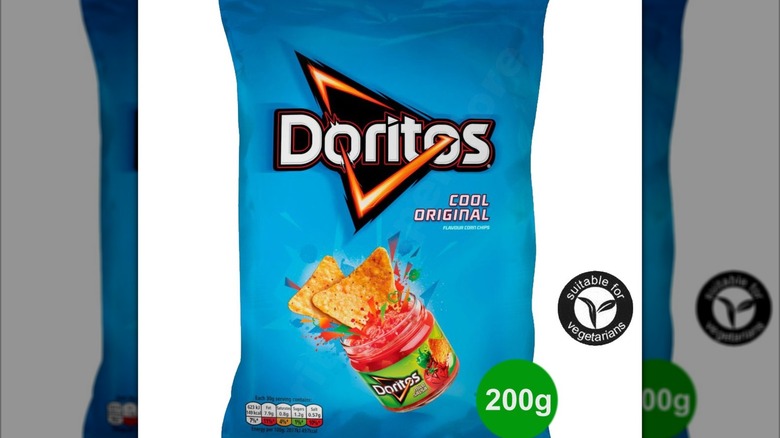
Doritos' latest reformulation in the U.K. involved traditional flavors being redeveloped as non-HFSS (non-high in fat, salt, or sugar) — unlocking top-shelf and advertising space previously denied under new legislation. The company added corn, altered seasonings, and optimized cooking methods to deliver a thicker and crunchier chip, cutting salt and fat enough to meet the non-HFSS claim.
The changeover included Cool Original, Tangy Cheese, and Chilli Heatwave flavors. Market tests favored the new texture, PepsiCo asserts, and portrays the move as improving Doritos as a "base" for dips without sacrificing intense flavor. For such a snack, reformulation is a risk. Here, the solution is based on physical adjustments (thickness and crunch of the chips), balancing lowered seasoning strength to meet health objectives. The result was highly flavored and loud, yet remixed to meet U.K. retail rules and shifting consumer behaviors without much sacrifice.