

Laminate Vs Vinyl Flooring: Which Is Best In Your Kitchen?
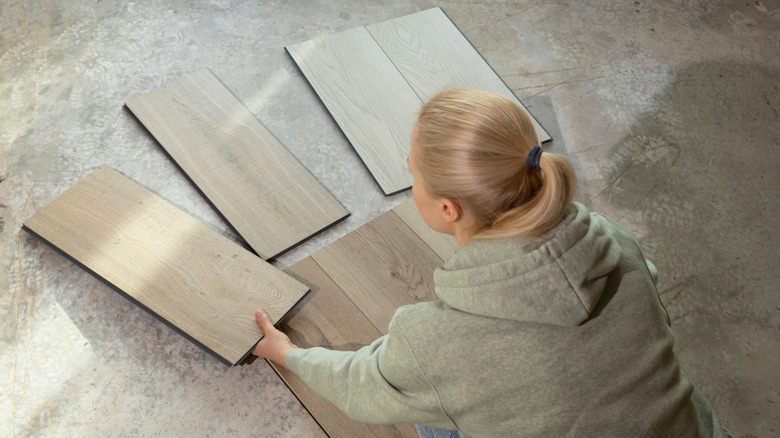
Upgrading your kitchen flooring can enhance the beauty and functionality of your kitchen as well as increase the resale value of your home. When looking for the best flooring option, you should consider durability, ease of maintenance, cost of installation, and aesthetics. If you're trying to save money on kitchen flooring, two of the most popular and affordable choices are laminate and vinyl. But which option is best for your kitchen? There are pros and cons to each.
Laminate flooring is manufactured from multiple layers of pressed synthetic materials. It consists of a high-density fiberboard layer, a design layer, and a protective top coat. Although it is a popular kitchen flooring style for its affordability and versatility, it isn't very water-resistant. This makes it a risky choice for kitchen flooring. Not only should you avoid using a wet mop to clean laminate flooring, but it can also get damaged by exposure to water and humidity. This means that if you have a kitchen appliance leak or flood, you may end up needing to replace large sections of your laminate floor.
Vinyl flooring is made from layers of polyvinyl chloride and plastic or wood composite materials. It is durable, affordable, easy to install, and available in a wide range of colors and patterns. Vinyl is the best flooring choice for kitchens because it is relatively easy to maintain and is totally waterproof. This is particularly important in kitchens, where your flooring is likely to be exposed to water, steam, and humidity.
A closer look at the pros and cons of vinyl flooring
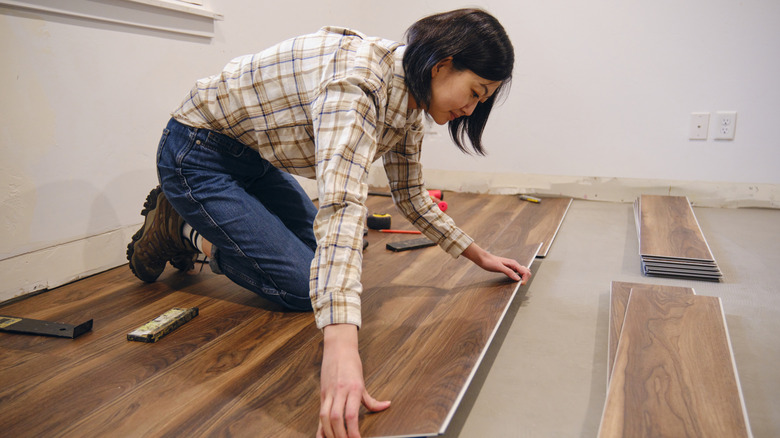
One of the biggest mistakes you can make when renovating your kitchen is choosing style over function. While some flooring options might appear more attractive and inexpensive, they may not be able to withstand heavy daily use or other environmental factors common in kitchens. It's important to explore the pros and cons of each kitchen flooring material before making your choice.
When comparing vinyl and laminate flooring for kitchens, vinyl flooring easily comes out the winner. However, like any other type of flooring, it does have disadvantages. For instance, low-quality or cheap sheet vinyl should never be used on kitchen floors, as its top layer quickly wears down and exposes the ugly base underneath. Cheap vinyl flooring designs often look fake and can diminish the value and aesthetic of your kitchen. For those reasons, it's better to invest in a higher-quality flooring like luxury vinyl tile or luxury vinyl plank flooring. Another disadvantage of vinyl flooring is that it isn't a quick DIY home improvement project. Quality vinyl flooring typically requires professional installation unless you have a lot of experience.
Despite those disadvantages, vinyl is still an incredibly cost-effective option. With the right care and maintenance, it can last for decades. The waterproof feature is also important, as you can clean it with a wet mop without worrying about potential water damage. You also have a greater range of design options compared to laminate flooring and can find luxury vinyl tiles that look like natural stone, wood, and ceramic.