

10 Mistakes To Avoid When Eating At A Mexican Restaurant
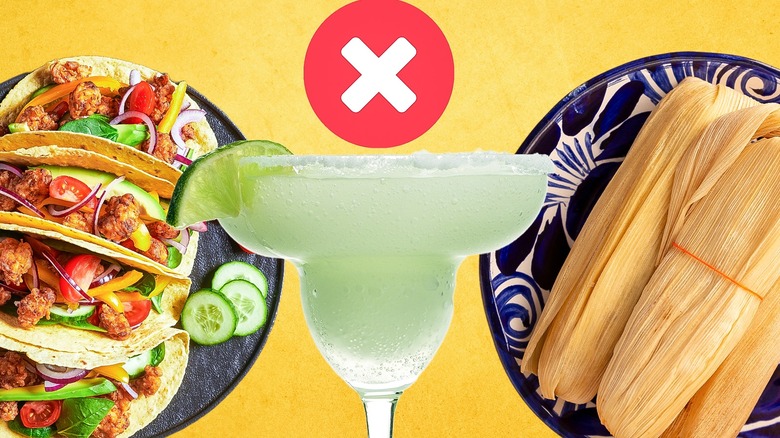
Having lived in the desert Southwest for almost 20 years, I'm no stranger to good Mexican fare. On any given day, we could take a short drive to enjoy ridiculously delicious, authentic Mexican food on both sides of the border. That taught me a thing or two about where to eat and what to order. Priority one: Find an authentic restaurant. Once that's done, it's time to explore the menu and consider trying something new.
The options we encountered were endless, from handheld soft tacos to brothy soups to mind-blowing sauces. With all that experience under my belt, I'm here to share what I've learned. And to make certain you have the best dining experience when you go out for Mexican, I've included a few tips from renowned culinary expert and chef Marcela Valladolid. There's no doubt you'll find her comments enlightening! Read on and you'll soon discover how to find the right establishment, and then what and what not to order when you get there.
Assuming the restaurant has authentic Mexican food
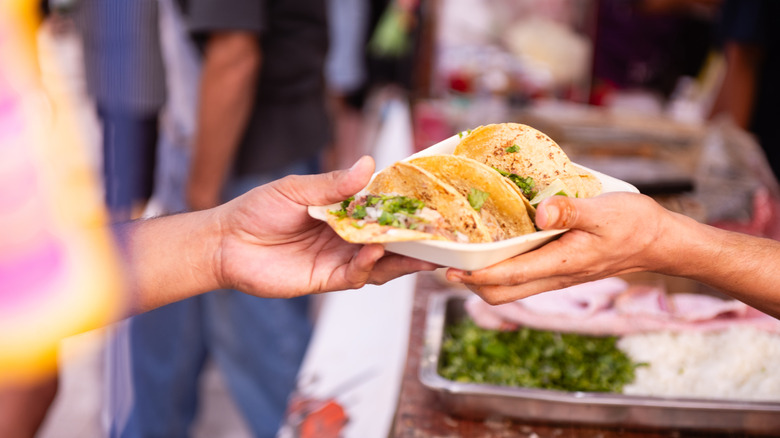
Don't assume that if a restaurant has a Mexican-sounding name, the menu items are authentic. If the menu features a smorgasbord of crispy tacos (especially those with cheese), burritos (and their deep-fried cousins the chimichangas), queso dip, chilli con carne, fajitas, and taco salad, you're most likely at a Tex-Mex joint. While there's nothing wrong with those dishes — they're often tasty – most of them originated in Texas and California, not Mexico.
Another red flag? Overstuffed tortillas. Traditional Mexican tacos feature soft corn tortillas topped with moist meat (beef, chicken, or pork), fresh cilantro, and diced onion. Drizzle a little salsa over top and you've got everything you need for an enjoyable bite. Tacos crammed with copious amounts of sour cream, cheese, and other fillings are not authentic. When the meat is perfectly seasoned and the salsa, onion, and cilantro are fresh, you don't need anything else.
If you want a genuine Mexican culinary experience, seek out places that offer fresh, vibrant produce, house-made tortillas, hand-crafted salsas, and freshly ground spices. Traditional Mexican restaurants will weave those ingredients into mouthwatering soft tacos, enchiladas, the Mexican soup pozole, tamales, mole (Mexico's mother sauce), and other regional specialties.
Choosing a place for their margaritas
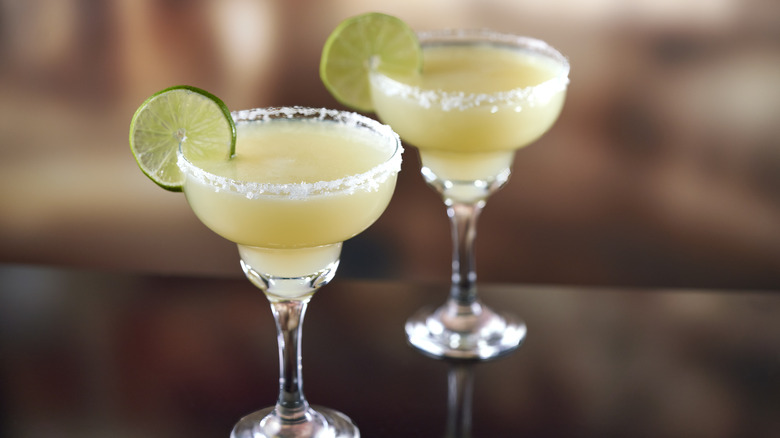
If you're a fan of the perfect margarita, let me tell you that pitchers of sugary, adulterated tequila and lime juice are not true margaritas. They're often made in big batches with margarita mix and cheap tequila, which is great for the restaurant, but not for you. These pre-made margaritas aren't just inauthentic; one drink can set you back 300 calories, with 31 grams of added sugar. And don't get me started on the frozen concoctions. Truth is, if you dine in Mexico, you likely won't find margaritas on the menu, unless it's a touristy spot. While there are many claims as to who invented the margarita, one thing rings true: it was a simple blend of tequila, orange liqueur, and fresh lime.
If you're looking to imbibe and want something more traditional, opt for a paloma, a refreshing blend of high-quality blanco tequila, grapefruit soda, and fresh lime juice. If you're a beer fan, grab a michelada — a marriage of beer and a Bloody Mary. For a non-alcoholic option, try the time-honored, ancient agua fresca, a thirst-quenching drink made with water and fresh fruit. Loading up on syrupy, bottomless margaritas before enjoying Mexican cuisine will likely diminish your appreciation of the food.
Smothering everything with salsa
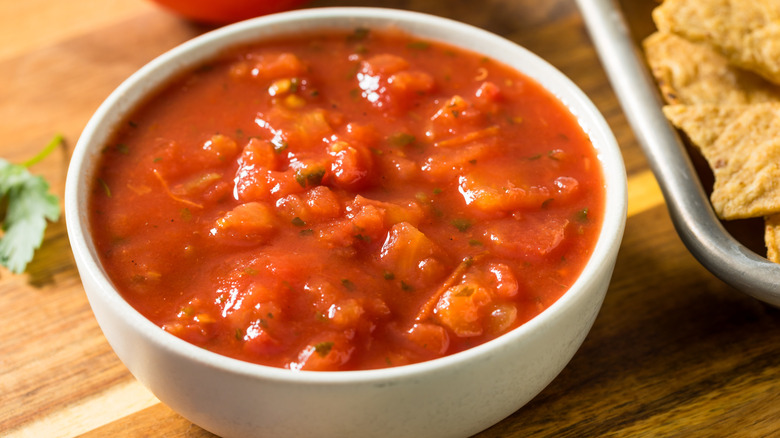
Marcela Valladolid, chef, author, culinary instructor, and host of Food Network's "Mexican Made Easy" has some serious pet peeves when it comes to people's expectations of Mexican food. She asserts, "One of the biggest mistakes people make when dining at a real Mexican restaurant is thinking that salsa is a universal condiment meant to be smothered on everything." She adds, "In traditional Mexican cooking, salsas are as nuanced as the dishes themselves; there are raw salsas and cooked salsas, each with a specific role —some to brighten, others to deepen. A bright salsa verde cruda might lift the richness of carnitas, while a fire-roasted chile de árbol salsa is made to meet the intensity of grilled beef." Marcela explains that, "Any restaurant doing it right will offer multiple salsas at different levels of spice, not to torture you but to balance flavor."
Expecting shredded cheese
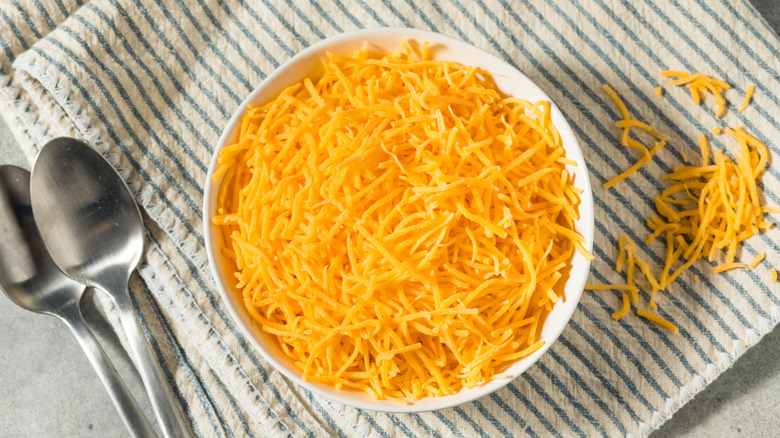
Valladolid also has a thing or two to say about cheese, and the fact that it's an expected ingredient in a Mexican restaurant. She stresses, "I don't understand how pre-shredded cheese even became a thing, much less something people expect inside a traditional taco or sprinkled on a tostada. It has no place there, texturally or in terms of flavor."
Authentic cheeses found in Mexican cuisine include queso fresco, cotija, queso blanco, panela, chihuahua, asadero, and Oaxaca. These cheeses range from salty and nutty (think feta) to milky and stretchy (like mozzarella), and are incorporated into a variety of dishes. The crumbly cheeses are often sprinkled over Mexican soups, stews, and grilled vegetables, and the stretchy cheeses are melted into enchiladas and dips. You might not get a lengthy cheese pull from most of these cheeses, but you'll no doubt experience great flavor and texture that complement all other elements of the meal.
Thinking Mexican food is simple
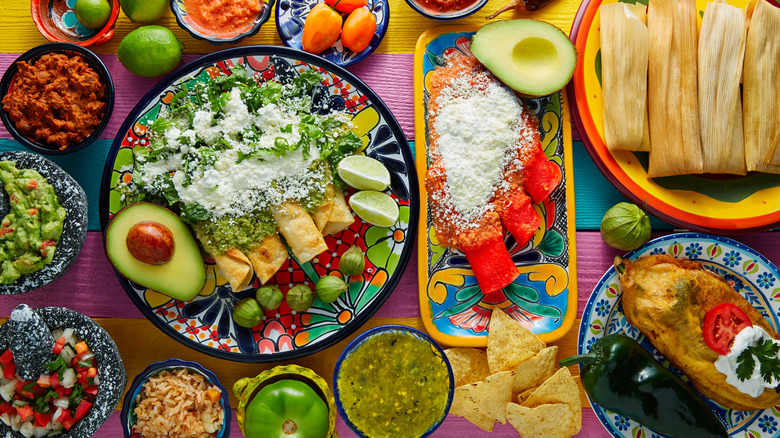
Valladolid strongly encourages folks to appreciate the sophistication of Mexican cuisine. "People assume Mexican cuisine is casual, easy, and cheap, when it's actually layered, complex, and worthy of the most elegant pairings." She adds, "A rich mole or pipián belongs beside a beautiful glass of Burgundy, and a grilled fish with a tomatillo salsa sings with a crisp Albariño." Marcela stresses, "Mexican cuisine has depth, structure, elegance, and deserves to be treated as such."
The overabundance of U.S. fast-food Mexican and Tex-Mex chains doesn't help boost this message. Truth is, those haunts deliver Americanized dishes, made with American-sourced ingredients (i.e., yellow cheese). If your Mexican dining repertoire has been relegated to fajitas and chimichangas — both of which are American-born — you're missing out. Seeking out authentic, time-honored Mexican restaurants allows diners to enjoy Mexico's distinct food traditions in a genuine, vibrant environment.
Ignoring regional variations
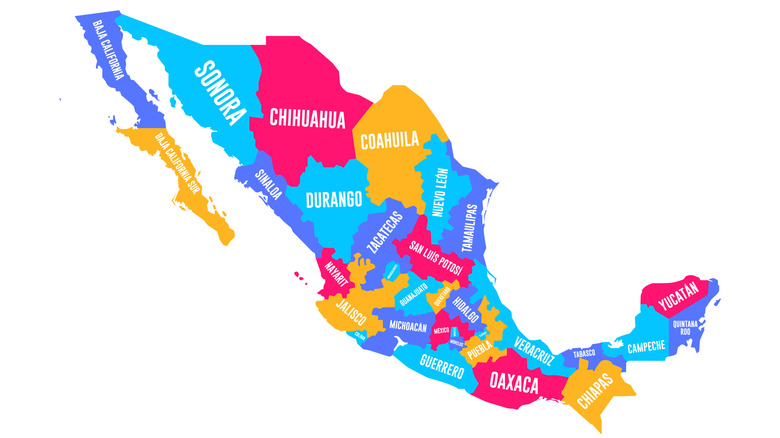
Mexican cuisine is varied, layered, and showcases various regions of the country. If you're at a legit Mexican restaurant and not a Tex-Mex chain, you'll discover exciting ways to explore each culinary region, of which there are seven. There's the North (El Norte) with its deep ranch culture of grilled beef, goat dishes, and cheese production, including queso fresco and chihuahua. The North Pacific Coast has the country's largest production of grains, fruits, and vegetables, and is home to signature pork, beef, and seafood dishes. The Bajio is a mountainous region that specializes in rice dishes, carnitas (fried pork), and sweet desserts. Bajio is also the home of cotija cheese.
The South Pacific Coast is the birthplace of Oaxaca cheese, and the region is renowned for its seven different types of mole (sauce). The South, also known as the Yucatan Peninsula, is unique in that the food derives from Mayan culture, and many of the flavors are reminiscent of Cuban and Caribbean Island cuisine, as well as the cuisines of Europe, Asia, and the Middle East. The Gulf area stretches from the Caribbean, and the cuisine blends Afro-Cuban and Spanish, so you'll find seafood and dishes like chicken in peanut sauce. Central Mexico is where you'll find the bustling cities, with their countless taco stands and torta (sandwich) shops. This region pulls in flavors from the rest of the country and marries them to perfection.
Expecting the food to be spicy
Mexico produces over 60 varieties of chile peppers, so it's no surprise to find them in a vast array of recipes. Fresh chile peppers like jalapeno, habanero, serrano, and poblano add great color and fresh heat to dishes, from salsa and pico de gallo to pastes and guacamole. Jalapeno and poblano peppers are also often stuffed with filling and served whole.
Their dried counterparts, including cascabel, guajillo, pasilla, arbol, mulato, morita, pulla, and pequin, offer varying levels of heat — from mild and fruity to those with a serious kick. Dried chile peppers are often used in sauces, stews, soups, marinades, adobo sauces made with chipotle peppers, and moles. A true Mexican restaurant will offer dishes and sauces with different heat levels, so you can adjust the spiciness at the table. Mexican food is meant to tantalize the taste buds, not destroy them, and by enjoying varying levels of heat, you can experience the individual components of each dish, without breaking a sweat.
Filling up on chips and salsa
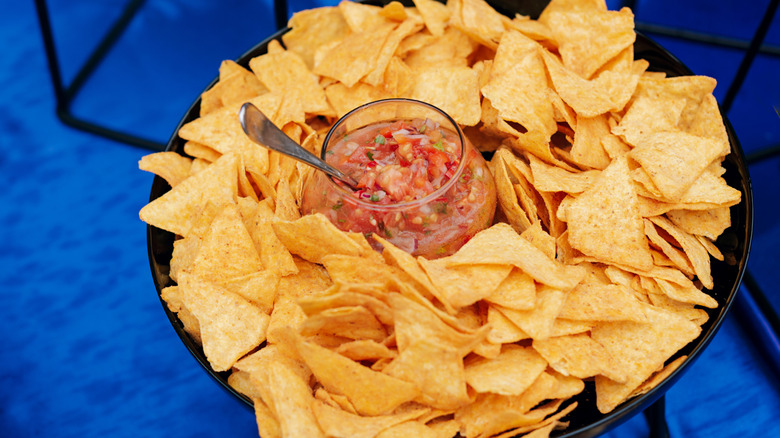
It's tempting to dive into a pile of warm, crispy tortilla chips as soon as the basket hits the table (especially when it's free), but take note — one serving of tortilla chips, which is one ounce, contains 140 calories and 7 grams of fat. And who stops at one ounce? Especially when the chips are fresh and warm. There are two problems with overloading on chips.
First, tortilla chips are salty and starchy, and when you combine them with savory salsa, it makes you thirsty. This is great for the restaurant because it encourages you to guzzle refreshing drinks, like margaritas and frosty beers. But it's not healthy to down a bottomless basket of calories and fat. Second, and perhaps surprisingly, the combination of crunch and heat stimulates your taste buds at the very moment you're scouring the menu (don't be surprised if everything looks insanely delicious). By the time the server comes around, you're likely to over-order. So, yes, enjoy the fresh chips and house-made salsa, just save some room.
Not exploring the menu
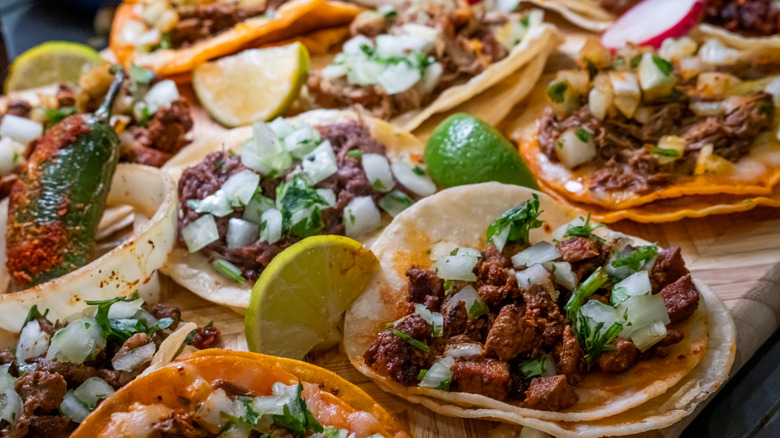
Don't limit yourself to dishes you've already had. Next time you're dining at a true Mexican restaurant, consider ordering one of these delicacies.
Elote is Mexican street food consisting of grilled or boiled corn on the cob laced with creamy sauce, chili powder, lime juice, and cotija cheese. Then there are chilaquiles, a one-skillet, breakfast-of-champions that marries red or green salsa with fried tortillas, simmered together in a pan. As the dish cooks, the tortillas soften, forming a stew-like consistency. The dish is often topped with avocado, radishes, chopped onion, and queso fresco. For added protein, throw in a couple of eggs.
Also, consider pozole, a brothy soup spiked with chiles that can be red, green, or clear, and is crammed with pork and the dried corn known as hominy. Often garnished with cabbage, garlic, herbs, lime, salsa, and radishes, it's pure comfort in a bowl. Another favorite is the tamale, one of the world's oldest recipes. It is a cherished Mexican staple that features a corn-based dough stuffed with meat, veggies, chilies, and cheese. The mixture is nestled into a corn husk or banana leaf and steamed until cooked through. Use the husk (or banana leaf) to hold this hand-held treat while you eat. Perhaps the most popular of all are carnitas, Mexico's version of pulled pork. The meat is cooked in lard until buttery soft, then crisped before serving. The result is ultra-tender meat with caramelized crispy edges. To enjoy carnitas the traditional way, wrap the meat in a corn tortilla and garnish with salsa, chopped onion, and cilantro.
Choosing the unhealthiest dishes
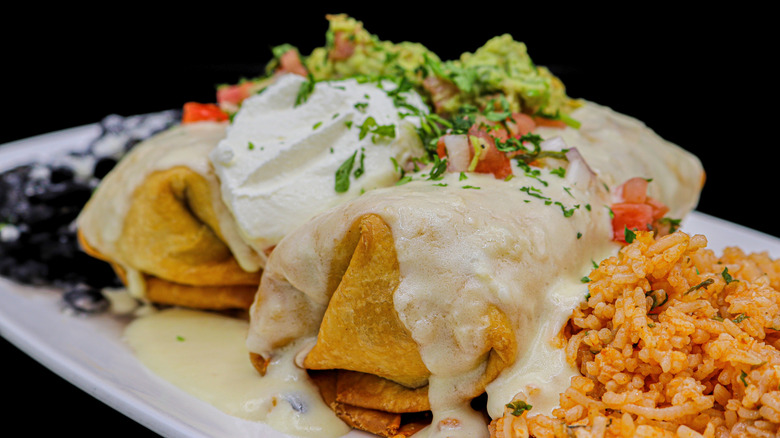
Many Mexican-American restaurants in the U.S. offer items that are decidedly unhealthy. Here's what to avoid.
If you're surprised that a bowl of melted cheese, AKA queso dip, is unhealthy, I give up. Not only is melted orange cheese not Mexican, one serving of queso can deliver 270 calories, 23 grams of fat, 13 grams of saturated fat, and 1210 mg of sodium (an entire day's worth of salt). Next up, the American-born chimichanga, which is an overstuffed, deep-fried burrito topped with sour cream, guacamole, and cheese. One chimichanga can clock in at 810 calories and 43 grams of fat. For all the flavor without any of the fat, get meat, Mexican cheese, and salsa on a flour or corn tortilla and call it a day.
Translated from Mexican Spanish, quesadilla means "little cheese pastry", but that's far from what you'll find when you order a quesadilla in many restaurants. Loaded with cheese and sometimes meat, an American-style quesadilla can deliver 714 calories, 45 grams of fat, and 1360 mg of sodium. Thinking of getting a salad instead? Don't be fooled by the word "salad" in taco salad. With a fried tortilla as its vessel, a taco salad is often loaded with meat, cheese, refried beans, and sour cream. It's a belly bomb of calories and fat (600 calories, 38 grams of fat). If you want a salad, order mixed greens and add grilled steak or chicken.