

The Underrated Tinned Fish That You Might Not Think Belongs On Your Charcuterie Board (But It Does)

For many, "cod liver" evokes the memory of a brown bottle on the top shelf, thick oil spooned out by grandmothers who knew best, serving that signature, oleaginous taste more associated with "duty" than "treat." Cod liver oil was the cure-all of its day, prescribed for bones, brains, and beauty, rich in vitamins long before anyone bottled and sold skincare-glow formulas. So much more than a relic of home remedies, cod liver has lived another life: packed in squat tins, as unassuming as a can of shoe polish, layered gently in its own golden, rich omega-3 oil. Along the windswept coasts of the far north countries, the tins are found on everyday tables, served with black bread and sharp onions. It's a nutrient-dense comfort food for fishing families in winter-bound villages.
In the world of tinned fish, where sardines and mackerel have found their place on hip charcuterie boards, cod liver has stayed mostly unsung. While canned fish trend-chasers clamor to post their favorites, cod liver waits quietly in the wings, a staple in the north and an outlier almost everywhere else. Pale and custard-soft, each piece holds together just long enough to meet warm bread or a cracker, then melts in. The flavor is gently gamey and round, far from the medicinal memory. Rich, with a subtle sweetness, the ocean's animal side comes through without any low-tide sharpness. It's pure organ, no bones or flaky muscle tissue, just a velvet texture that gives in to the knife as easily as any pâté. On the tinned fish charcuterie board stage, cod liver eats, leaves no crumbs, and serves pure North Sea realness with every bite, so don't be surprised when it steals the spotlight from the cheese.
Nourishing survival realness with cod liver
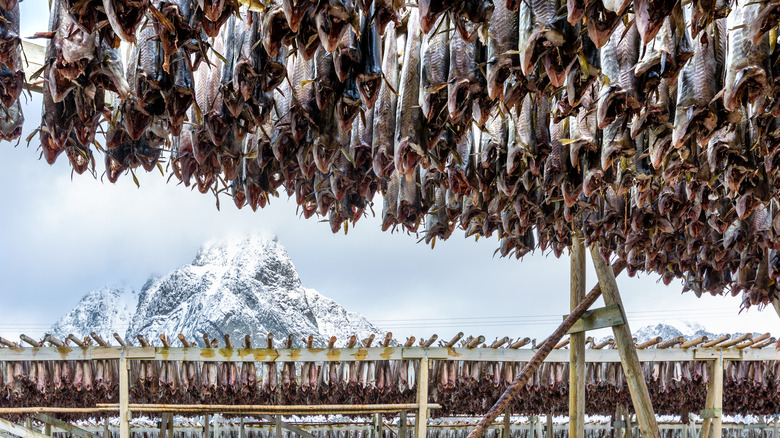
Although it may have deserved better PR over the years, there's no need to rebrand, because cod liver's record speaks for itself. In the far north, where sunlight is scarce and winters test the limits of endurance, cod liver has always been iconic. Along with the omega-3s, it's also packed with vitamins A and D, selenium, phosphorus, and a depth of natural fats; it's both sustenance and medicine. Centuries before anyone uttered the word "superfood," people relied on it for strength, warmth, and, perhaps, a little boost for skin that rarely saw the sun.
The act of eating cod liver was less ceremony than routine, just a spoonful spread on coarse rye bread, incorporated into a salad, or combined with boiled potatoes. Russian tables are still set with tins of cod liver for special occasions like New Year's, and many northern country kitchens keep a can tucked away, a holdover from leaner times in harsh climes. Cod livers were poached, pressed, and stored in tins, each batch sealing in the salt air and deep cold of the sea.
Preserving the livers in oil was as practical as it was ingenious: the method kept the delicate texture as well as the nutrients intact and flavor rich, ensuring nothing from the catch went to waste. This tradition of conservation and resourcefulness is echoed in modern kitchens, where cod liver's old-world appeal finds new fans drawn to nose-to-tail eating and the unapologetic flavors of organ meat delicacies. It hasn't yet been a headline act, but cod liver's record is solid gold: North Sea eleganza, whether eaten straight from the tin or folded into deviled eggs for a little extra protein and flair.
Codmother of boards
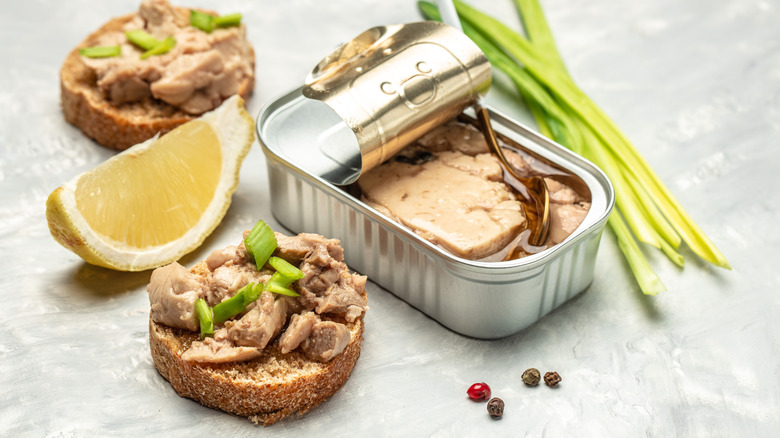
What sets cod liver apart from other tinned fish is its delicate, mild flavor and soft body. Unlike assertive canned anchovies or room-clearing sardines, cod liver is mellow, fatty, and texturally lush. It adds variety to the board, not just in taste, but in tone. It's also available for satisfying combinations that add brightness and bite. Cod liver plays well with the contrasting flavors of sour pickles, bitter greens, and sharp mustard, which will cut through and balance its buttery richness.
Go the classic route: spoon pieces onto dark rye or pumpernickel bread, add a few thin slices of radish or pickled red onion, maybe a sprig of dill or a squeeze of lemon. Potato chips, especially the thick, kettle-cooked kind, make an unexpectedly perfect base because of their textural incongruity. For a nod to its northern roots, serve with boiled eggs, cucumber, or a bracing shot of aquavit. Or, no fuss — set out the tin alongside a small knife and let people build their own bites.
The response is often curiosity, sometimes skepticism, but usually pleasant surprise. Cod liver wins people over, probably because of its nutritional pedigree; it feels nourishingly satisfying to eat. It's a food that asks for a bit of trust and rewards with real substance. If you really want to do it justice, treat it like the luxury seafood it is, and pair your cod liver with caviar and crème fraîche, oysters, and a glass of Champagne. The grandmas were right all along: a little cod liver, a little sparkle, and a table that's serving richness in all the best ways.