

10 Classic Cocktails You Should Upgrade With Mezcal

Whether it be switching out familiar ingredients with exotic ones, messing around with seemingly tried and true ratios, or reprising old-world formulas from new-world methods, tweaking existing cocktail specifications to create new riffs is, in essence, the odyssey of the modern mixologist.
For the denizens who prefer the informal side of the lacquered bar-top, it's okay if you don't relate to the romantic notions and spirit-based knowledge that's lighting up your local barkeep. You, too, play an indispensable role in this highly social, richly rewarding enterprise. For it is you who supplies the modern mixologists with their daily bread, and as you –- while on your second (or third?) Oaxaca old fashioned -– know well, we all need a little sustenance to see us onto the next, whatever that may be.
As a bartender with two decades of experience under my belt, it's a little embarrassing to admit how long it took before I hopped on the mezcal bandwagon. But, if only to save a little face here, mezcal's introduction into the mainstream has been more of a slow and steady stream as opposed to a waterfall. That slow rise may have something to do with tequila's looming presence outsizing mezcal's shine, or perhaps, it's because of mezcal's somewhat polarizing, but very prominent flavor: smoke.
I can't say for sure, but I've fallen for mezcal for those very reasons. There's another contributing factor deepening my love for the smoky Mexican spirit. Its complexity imbues tried and true cocktail formulas with a punch up that goes beyond what you -– or your taste buds -– thought was possible. Try these 10 classics with mezcal, and you may never go back to the old ways.
Negroni
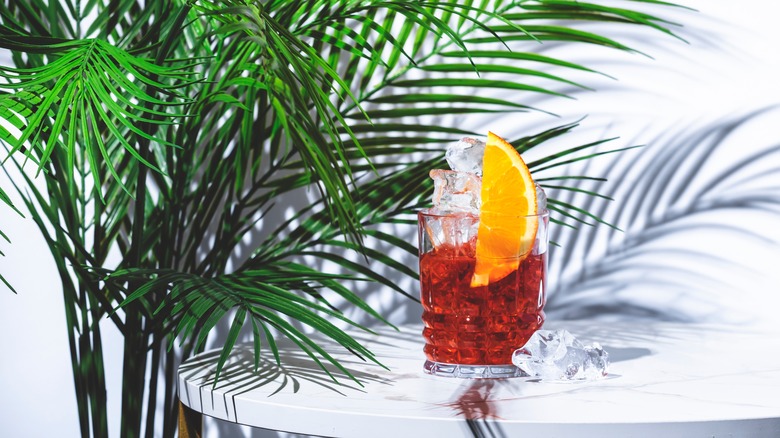
No one knows for sure who introduced the first mezcal Negroni onto the scene, but it probably doesn't matter because this particular combination of spirits is a no-brainer. Negroni is classically made with equal parts gin, sweet vermouth, and Campari. A mezcal Negroni recipe swaps out the juniper-laced gin with the agave-based spirit for an herbaceous, smoke-tinged version of the beloved classic.
This quick substitution doesn't do anything to the look of the cocktail. The iconic rust color of the Negroni still shines brilliantly –- and yes, do serve it over a large cube, and don't forget the orange swath! But in terms of taste, behold the new, for it's brimming with earthy complexity, vinous notes, and roasted aromas of firewood. Those with astringent-leaning palates may prefer Negroni's bitterness as is, but for innovators who appreciate experimentation, a mezcal Negroni pares back the bitter character in favor of a smooth layer of smoke.
Margarita
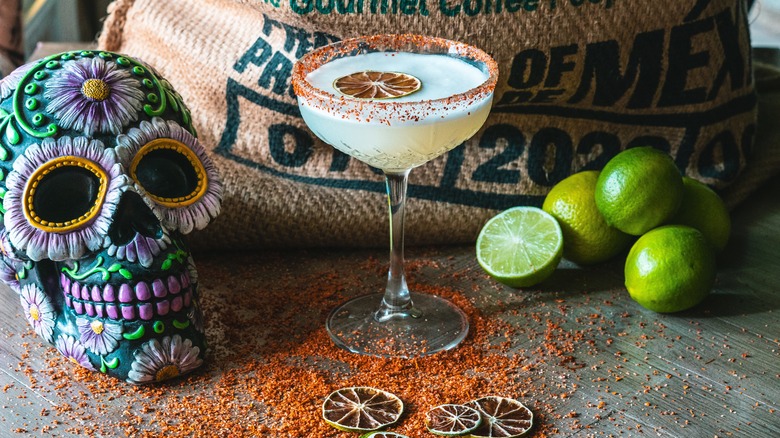
A summer staple, the margarita cocktail is a classic for a reason. Its versatility alone has allowed for several iterations to secure their own station in the contemporary cocktail canon. From the classically refined margarita to the blended and frozen versions, including the ones infused with tropical fruits, herbs, or vegetables, to those rimmed with every kind of seasoning you could imagine, here's one more version that shouldn't be missed.
The mezcal margarita is a winner because it's a big payoff for very little work -– at least in terms of the substitution of tequila for its smokier sister spirit. I added that disclaimer because margaritas taste best when fresh ingredients are involved, so be sure to save some time for squeezing your own lime juice. In lieu of simple syrup, opt for agave syrup instead, which will do wonders to sweeten and soften the drink's harsh edges when mixed with the smoky, agave-based spirit.
Another pro tip: if you'd prefer to dip your toes into the mezcal margarita without going full smoke, split the base spirit's specifications between tequila and mezcal, and adjust the proportions depending on your preferred flavor profile. See, I told you it's a win-win.
Manhattan
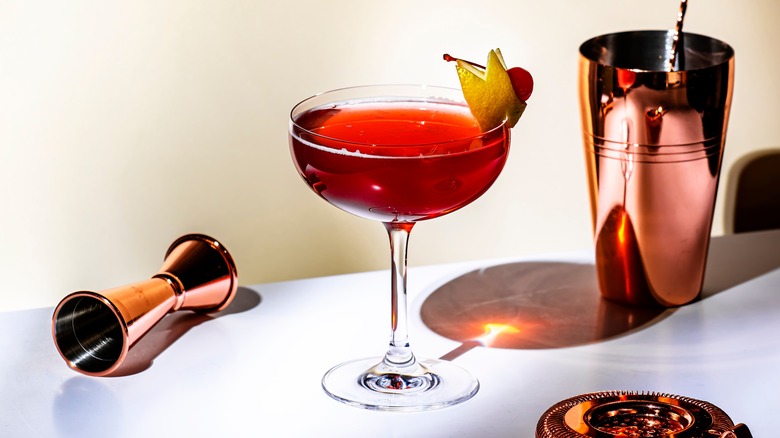
Always the sophisticated choice for a spirit-lover who's not afraid of a little smoke, the classic Manhattan is perfect as-is. Yes, that's a cheeky pun for my mixologists out there, but it's also a true fact in my professional opinion. But even traditionalists like me can be swayed when a special ingredient comes along, one that embraces the inherent characteristics of a beloved cocktail and amplifies them to such a degree that the old guard fades into oblivion.
Such is true with the mezcal Manhattan, for a spicy mezcal lightens up the texture of this traditionally rye-based drink and heightens the complexity thanks to the strong mineral presence of mezcal. If you decide to take the classic Manhattan recipe south of the border, so to speak, modifying the base spirit specifications from 2 ounces to 1 1/2 ounces opens up space for a lighter style of amaro to enter the scene, which acts as a nice fixer for mezcal and sweet vermouth to become better acquainted.
Whichever way you choose to innovate this sturdy classic, the mezcal Manhattan is not for the casual imbiber cosplaying as a responsible adult. This here's for the real-deal brass-tacks type of person with too much on their mind and just enough booze to leave the to-dos until tomorrow for a smoking-good potable and good ol' night's sleep.
Old fashioned
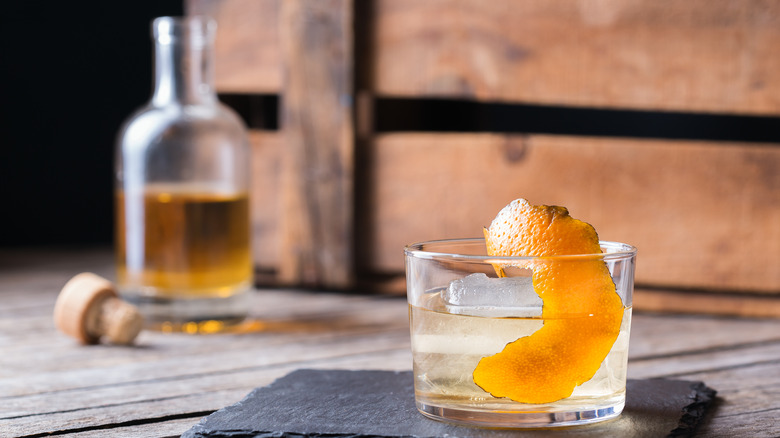
For years, the now-defunct New York bar Mayahuel served as the unofficial ambassador of Mexico's spirits for American imbibers unfamiliar with the elixirs of the near-sacred agave plant, or maguey, as it's known in the ancient Aztec language Nahautl. The tequila and mezcal-centric cocktail bar became a staple not only for its innovative cocktails but also for its expert staff, notably Phil Ward, who created the Oaxaca old fashioned, a Mexican-accented riff on the classic.
Without getting into Ward's cocktail specs, think of the Oaxaca old fashioned as proof of concept for the substitution of almost any base spirit with mezcal if you still needed a little encouragement. But if you really want to know what makes this upgrade a smashing success, it's all about the booze.
The classic formula for an old fashioned is pretty barebones as-is -– after all, this drink is about making the spirit shine -– so it's wise to be discerning about the style of mezcal you're stirring. When perusing the best mezcal brands at your local liquor store, look for the variety of agave listed on the brand label as each has its own distinct flavor and level of complexity. Aligned with tequila's classification labels, reposado, añejo, and extra-añejo denote a barrel-aged mezcal, any of which would make for a superior mezcal old fashioned.
Paloma
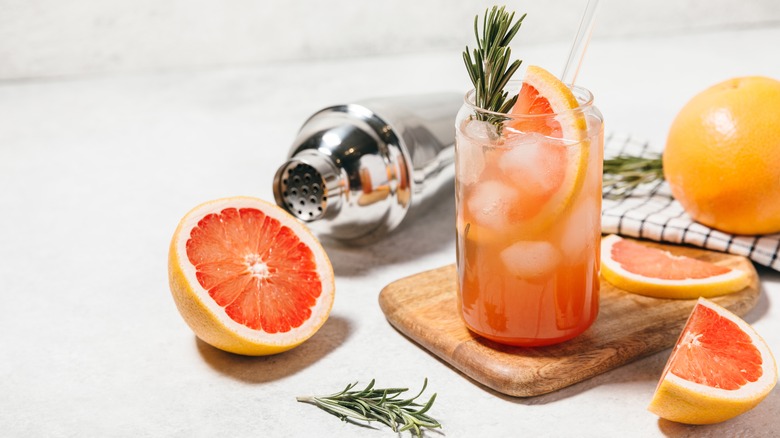
A perfect sipper for any time of year — or time of day for that matter (too much?) — the paloma is a signature Mexican cocktail with a simple formula and a refreshing finish. A three-part drink that's supported by fresh lime and grapefruit soda and built directly in the glass, it's all too easy to forget that there's booze in it, until you swap the blanco tequila for mezcal, that is.
The inclusion of mezcal packs an added punch of smoky flavor to the juicy, spritzy drink, which I find delightful, but I like to taste my booze. Neither too sweet nor too tart, grapefruit soda does have higher sugar ratios than straight-up juice, but the carbonation and the added sugars bring balance to the paloma, a crushable cousin to the tried-and-true highball.
That's exactly why I like to embolden the base spirit, and upping the smoke level with mezcal as opposed to its gentler sister spirit is the best way to maximize the drink's complexity without changing its overall character.
Bloody Mary
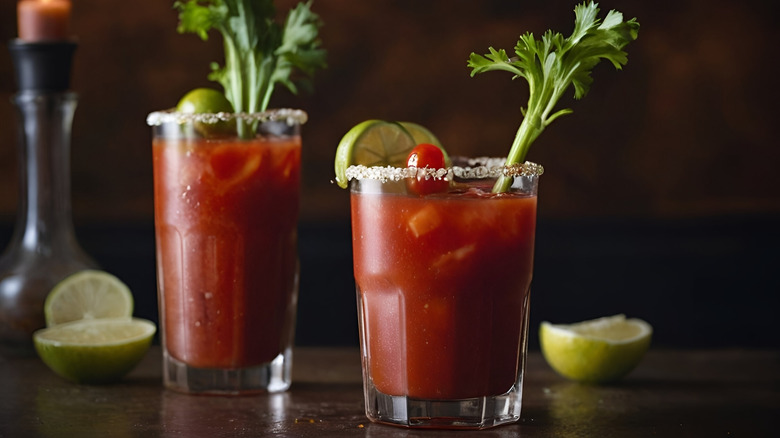
The flavorless, or should I say immaculate, spirit that is vodka has long held onto its claim to the Bloody Mary throne, though tequila certainly possesses the right to her alter ego, who goes by the name of Bloody Maria. However, take one trip up to Canada and you'll discover it's all about the Bloody Caesar, which isn't so much concerned with the type of booze as it is with the incorporation of clam juice. But I digress ...
Oh yeah, what do you call a Bloody Mary with mezcal? Well, I call it delicious.
A well-balanced Bloody Mary mix is one where the pickle-y acid notes pierce through the savory, textural mash of the tomato juice, horseradish, and Worcestershire sauce. It's also where the spice blend is incorporated to perfection so that no dusty bits or unground peppercorns catch the back of your throat, but the level of heat to quaffability reaches a stasis so that every sip sets you up for the next.
That's the kind of bloody mix that will be able to support the depth of flavor that mezcal brings to the classic cocktail. Richer than any vodka and smokier than tequila, mezcal brings a full flavor that adds another dimension to the drink that's known the world over for its layering of complex, savory flavors that often signal a hearty stew as opposed to a classic cocktail.
Mule
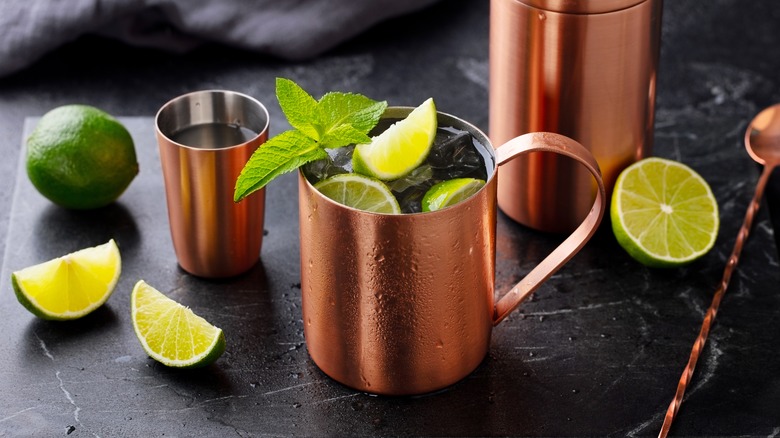
Mules are based on a backbone of lime and ginger, and if you've been doing your homework, you're probably thinking that those flavors bode well for pairing with mezcal. Well, A's all around because that's correct!
A mule falls under the "buck" category of cocktails, which denotes any drink prepared with ginger beers, ginger ales, and citrus juice in support of a wide range of base spirits. Considering they're all complementary flavors with more depth than many common mixers, the formula for a mule has long been ripe for innovation and experimentation.
Like many contemporary cocktails that riff on old-school classics, a notoriously good interpretation of the mezcal mule with tropical expressions came courtesy of Jim Meehan from Please Don't Tell, New York City's award-winning speakeasy. Mules are simple three-ingredient recipes, so leave the fancy stuff up to the pros, but don't be afraid to do some upgrading on your own because it's a combo that deserves its day in the mule's signature copper mug.
Sour
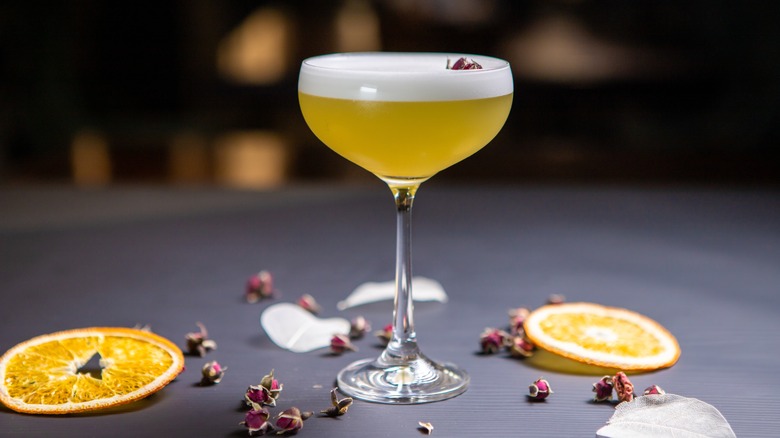
Plenty of people take the easy route when it comes to shaking up a sour cocktail, but for this upgrade, I urge you to get your eggs cracked and whites emulsified because a good mezcal sour deserves ample froth. In some ways, mezcal may seem too overwhelming a spirit for this delicate of a drink, but as the old adage goes, opposites attract.
While the classic cocktail's name suggests an acerbic sipper, sours derive their sense of equilibrium from the incorporation of sugar. Together, the tart citrus and sweet sugar temper the heat coming off of the base spirit. Since mezcal is known for its bold flavor, the formula for a sour cocktail helps to subdue its overpowering presence, and with the addition of an egg white for a creamy froth, the end result is a textural masterpiece that's simultaneously airy and velveteen, with a taste both delicate and at peak maturation.
Last word
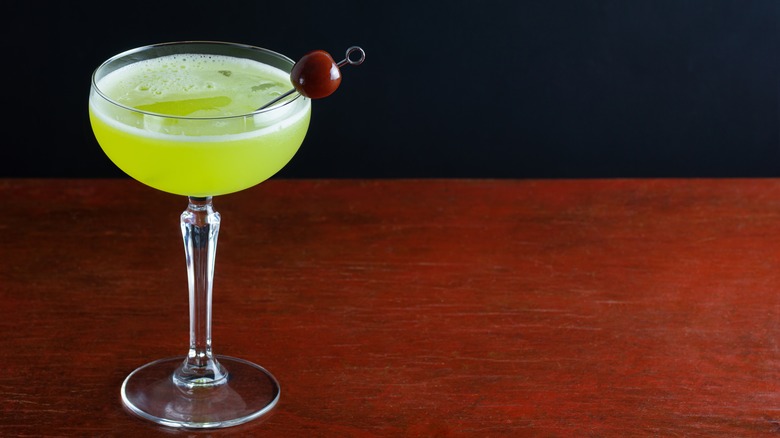
Of the cocktails to come out of the Prohibition era, the last word is one of its sole survivors. Chances are that it was mixed with bathtub gin, as was the way during the days of temperance, but for this Mexican-inspired interpretation, you can skip the gin -– and the bathtub, for that matter -– and instead, go straight for the mezcal.
This simple recipe calls for four ingredients in equal parts: gin, lime juice, green Chartreuse, and maraschino liqueur. But for this upgrade, swap out the gin for mezcal. Since the last word incorporates not one, but two botanical liqueurs, the herbal undertones and smoky minerality of mezcal meld magically with the earthy, floral aromas of pepper, anise, and candied marmalade coming from each of the liqueurs.
Another classic that's ripe for adaptation as products, techniques, and palates change in the spirit world, the mezcal-based last word made its way onto the list of 20 best last word variations, according to Difford's Guide.
Irish coffee
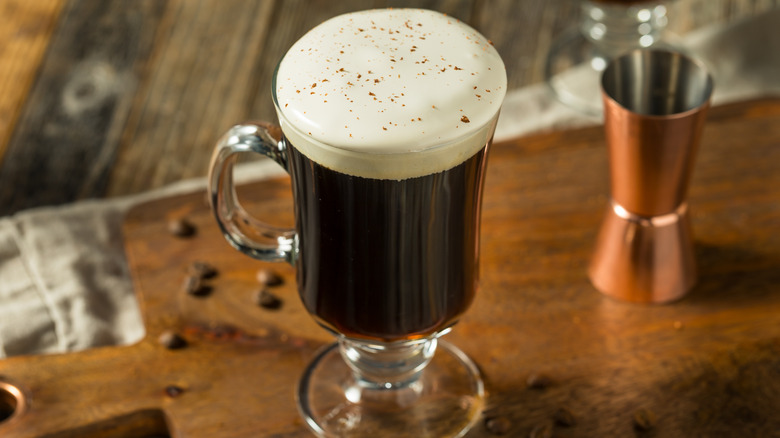
Step aside, Ireland. Oaxaca wants in on your coffee drinks. While it's hard to imagine any culture that doesn't have its own version of a spiked coffee drink, mezcal was definitely made to be paired with rich, chocolatey coffee. So, allow me to elaborate.
Coffee and mezcal share an astringent backbone, with a mutually pronounced character of roastiness. When they come together in your cup, you've got the makings of a high-octane, full-flavored potable with an extra kick of gasoline. So, how do you temper the acidity? Soften it with a cinnamon-laced demerara syrup, and better still, garnish the Oaxacan coffee with a dollop of sweetened whipped cream.
For those looking for a more authentic sweetening agent, look no further than piloncillo. Sometimes referred to as Mexican brown sugar, piloncillo is different because it's an unprocessed cane sugar with a flavor profile similar to molasses. The richness of piloncillo means it can be used as both a sweetener and a spice, and since both products hail from Mexico, piloncillo is the perfect ingredient for turning into a syrup to mix into your mezcal spiked coffee.