

Ina Garten's Simple Tip For Buying Shrimp At The Grocery Store

We may receive a commission on purchases made from links.
When shopping for shrimp, size labels like "colossal" or "medium" can be misleading. Seafood experts and chefs — including Ina Garten — recommend buying shrimp with more of an eagle eye. She has a way of making anything feel approachable, and when it comes to shrimp spending sprees, this tip is indispensable.
Whether you're gathering all the ingredients for Mexican shrimp cocktail or classic French bouillabaisse, Garten says to look beyond those descriptive words on the shrimp labels. They can be confusing, especially if you're comparison shopping. "Grocery stores and seafood shops refer to shrimp differently," Garten explains in her 2018 book "Cook Like A Pro". "Labels such as 'large' and 'extra large' can be arbitrary. Order shrimp by the count per pound, rather than the size."
The count per pound refers to how many shrimp make up one pound. For example, "16/20" means there are between 16 and 20 shrimp per pound, while "41/50" means there are more shrimp per pound — and they are smaller. The higher the number, the smaller the shrimp. That simple shift — from vague size names to specific numbers — can save you time and money.
Buying the right amount means that you can make your dish just right for the number of people you're serving. This is what portioning is all about: Making sure everyone gets plenty of the good stuff. You also want to consider how the shrimp is going to be prepared and cooked too. Different shrimp sizes lend themselves to different cooking techniques that maximize their texture and flavor.
How to make every shrimp size shine
While Garten's tip is about consistency, it also opens the door to creativity. Different shrimp sizes work better in different recipes — and the count helps you choose wisely. Dishes like creamy Cajun pasta could be served with four really large shrimp, but smaller shrimp, tucked into and twisted up with luscious, sauce-laden fettucine makes more sense. Larger shrimp are just the thing for grilling and serving as the main show, plopped on top of a beckoning salad and drizzled with anything sweet and spicy.
Smaller shrimp, such as 51/60 or 61/70 per pound, are great in dishes where shrimp is a supporting actor. Think quick and beautiful pad Thai and dynamite shrimp tacos or a dish with double billing, like pineapple and shrimp fried rice. Their petite size means they cook quickly and evenly without overpowering the other ingredients.
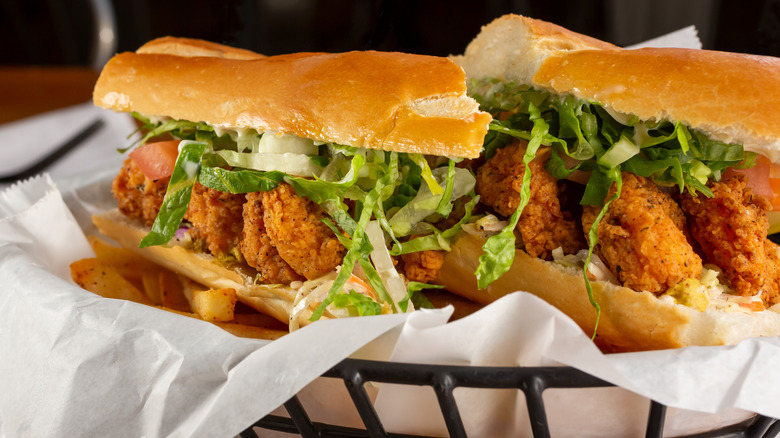
Medium shrimp (36/40 or 41/50) are versatile enough for everything from seafood boils to shrimp po boys. They're small enough to stack on a sandwich but big enough to cut in half. Medium shrimp can also hold their own in a simmer with corn and potatoes. Larger shrimp, such as 16/20 and 13/15, shine when the shrimp is the star. Besides the grill, these are the ones to broil, butterfly, and stuff. They are meaty and can absorb lots of flavor, so go big and bold with jerk seasoning or a spicy cookout shrimp marinade. They also hold their texture well in chilled dishes like shrimp cocktail or ceviche.