

11 Tips You Need For Crafting The Ultimate BBQ Platter
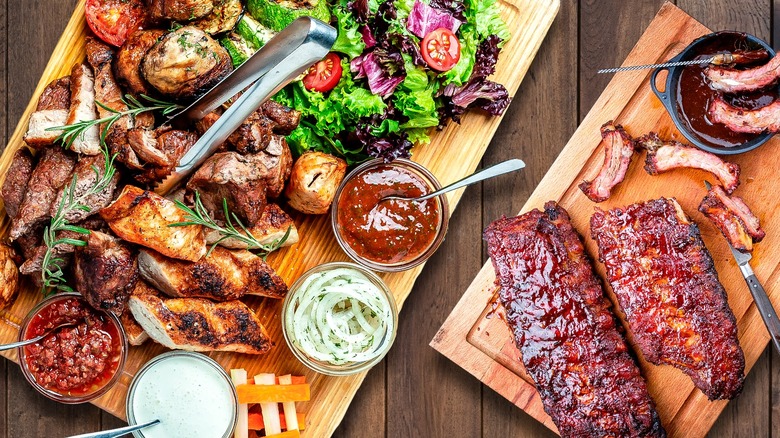
One of the greatest pleasures of summer is the backyard barbecue — the mouthwatering smells, sounds of sizzling meat, and colorful display of seasonal side dishes. Barbecue platters are frequently seen at barbecue joints but you can create one for your guests, whether you're having a weekend pool party, yearly birthday bash, or once-in-a-lifetime family reunion. Barbecue platters give you the opportunity to feed a large crowd with a wide variety of foods that can showcase regional or seasonal flavors. But what does it take to craft the ultimate BBQ platter?
To uncover the secrets behind a stellar barbecue platter, we spoke to several experts, including pitmaster Nick Kleutsch from Sanders BBQ Supply Co.; pitmaster Carey Bringle from Peg Leg Porker; pitboss Michael Conlon of Virgil's Real BBQ at Times Square in New York City; and owner and pitmaster Sam Jones from Sam Jones BBQ in North Carolina, to bring you top tips for putting together a memorable and delicious spread of meats and accompaniments.
Decide whether to smoke or grill your food
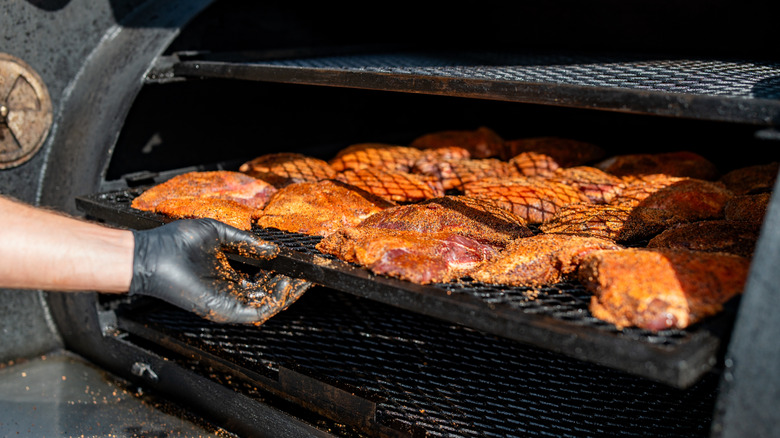
To begin, decide if you want your food smoked, grilled, or both. Choosing between a smoker or a grill might depend on your choice of meat. "The meat cut itself will dictate the proper cooking method," Michael Conlon explains. "Thinner or faster-cooking cuts are more suitable for grilling — for example, chicken breast, fish, steaks, and burgers."
On the other hand, Conlon says, smoking is best for large, tough cuts like brisket, pork shoulder, and racks of ribs, which, Nick Kleutsch points out, benefit from the rich, distinctive flavor smoking adds to foods. There are a number of woods to use for smoking and grilling, but oak and hickory are the preferred choices of our experts. For an extra tasty, flame-grilled touch, Kleutsch suggests finishing cuts of meats like poultry or steak on the grill after smoking them.
Give yourself plenty of time to prep and cook
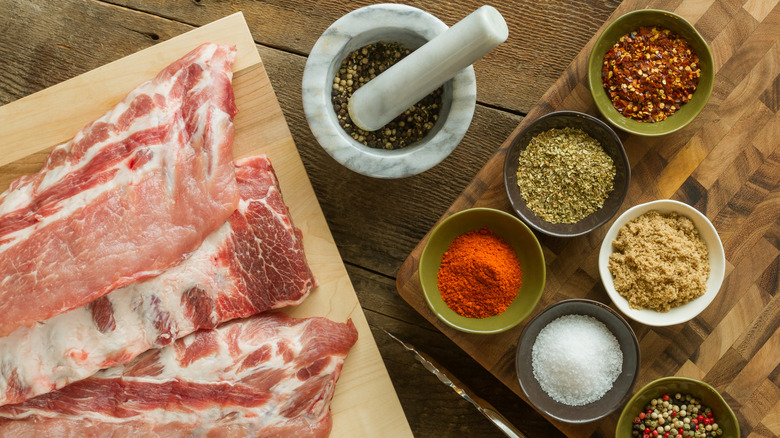
One of the biggest mistakes people make with barbecue, says pitmaster Sam Jones, is not allowing enough time for prepping and cooking. He recommends allocating enough time, whether it's whole hog or shoulder, so that you don't rush the process and screw up along the way. Planning a couple of days ahead of your barbecue can help you deliver perfectly cooked meat with a show-stopping crust.
Michael Conlon of Virgil's Real BBQ at Times Square in New York City, recommends seasoning meat at least 24 hours before cooking to create the perfect bark. But pitmaster Nick Kleutsch recommends keeping it simple when seasoning your beef — stick with salt, pepper, and garlic. "You can get more creative on poultry or pork," he says, "adding some dried chilis and brown sugar."
To help you schedule your barbecue prep and cook, pitmaster Carey Bringle suggests looking up cooking time reference charts. "There are plenty of [barbecue] sites that provide cooking times, and it's always better to be safe than sorry," he says. It's wise to prepare your barbecue early and maintain it at temperature in order to serve your guests in a timely manner.
Aim for about a half pound of meat per person
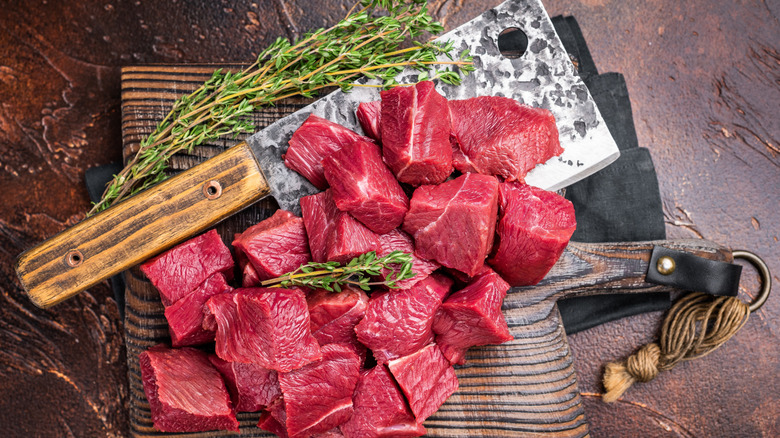
The last thing you want at your barbecue is to run out of propane, charcoal, or wood before you're done cooking. But it would be equally devastating to run out of meat. However, Nick Kleutsch assures us that scaling the amount of food you need to feed a crowd is the easiest part. According to Kleutsch, you'll want to shoot for about a half-pound of meat per person, factoring in that meat loses 50% of its weight as it cooks. Carey Bringle, on the other hand, suggests providing at least one-third of a pound of meat per guest.
There are several things to consider when calculating how much meat to serve on your platters. The cuts matter, as bone-in meat weighs more than boneless cuts. Additionally, you'll want to consider your sides when determining how much meat to cook. If you're offering a lot of sides, you may be able to plan for slightly less meat. The amount could depend on your guests, too. The more carnivorous your crowd, the more meat you'll want to have on hand.
Include a wide variety of meats and side dishes
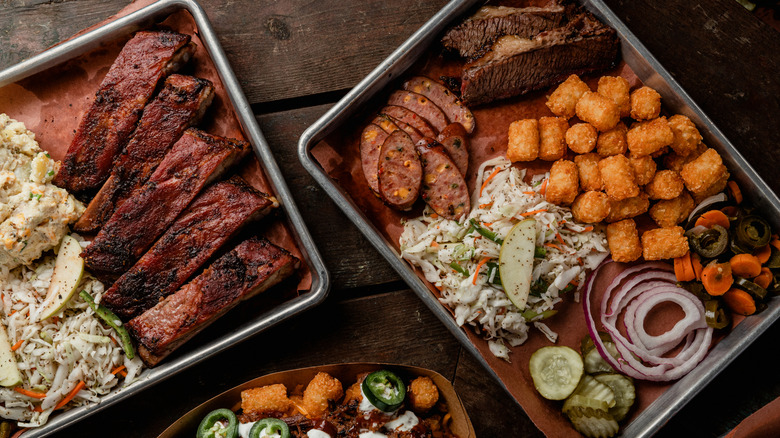
A barbecue platter can consist of anything you want, really, but it typically means hearty, flavorful meat. Carey Bringle says you'll want your platter to contain a variety of meats and sides. For your barbecue platter, he suggests including pulled pork, brisket, sausage, and smoked pastrami. Those meats, he says, each have different cuts and styles that can create a well-mixed barbecue arrangement. Chicken thighs, ribs, and smoked turkey are also platter favorites, and, if you fancy fish, Nick Kleutsch recommends cold-smoked salmon.
"Your balance is going to come from your sides," Sam Jones adds. If you're focusing on pork and chicken, such as with traditional North Carolina barbecue, sweet coleslaw matches perfectly, he says. Similarly, Michael Conlon feels sweet fruits like apples, peaches, and pears go well with pork. But if you're looking for veggies, Conlon adds, bitters such as collards, chard, and mustard greens are good for offsetting the meat's sweet and fatty nature.
You can also add splashes of color to your platter. Bringle likes to add smoked green beans, baked beans, slaw, macaroni and cheese, and elote. Kleutsch suggests traditional cookout dishes like slaw, potato salad, and macaroni salad, while Conlon also recommends cornbread or biscuits as an accompaniment.
Highlight regional and seasonal ingredients
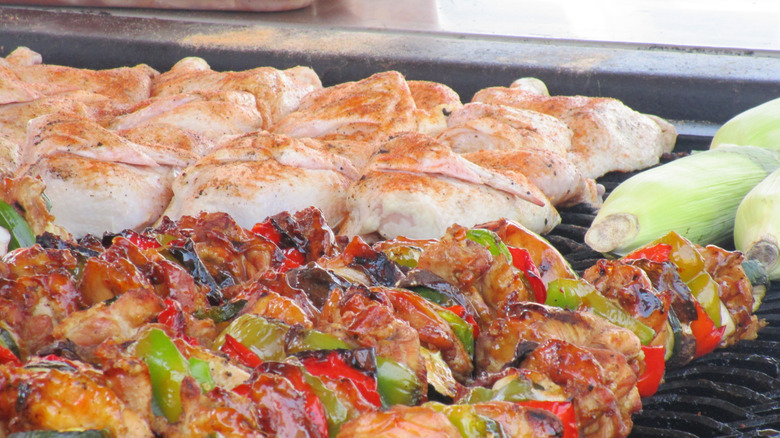
American barbecue includes a tasty variety of regional styles, from Memphis' sweet, tomato-based pork ribs to Central Texas' smoky brisket and South Carolina's whole hog (featuring various sauces). Coastal regions like Hawaii blend pork with Asian-inspired flavors, while Alabama's mayo-based white sauce delivers a unique twist. You can choose a regional style to build your barbecue platter around or take advantage of seasonal ingredients, Michael Conlon advises. "Use flavors that you like — just make sure they are balanced," he says. "[Barbecue] is made from fairly fatty cuts of meat, so something acidic usually helps."
A BBQ platter is the perfect opportunity for highlighting seasonal and cultural ingredients, whether through flavors or cooking techniques. Consider sourcing the ingredients for your barbecue platter locally. Sam Jones, for example, gets his yellow cabbage collards only miles from where his family's barbecue restaurant is located. Check out your neighborhood farmers market for local fruits and veggies. Nick Kleutsch recommends berries or summertime fruits, noting that "grilled watermelon adds a little flair and color!"
Offer homemade sauces on the side
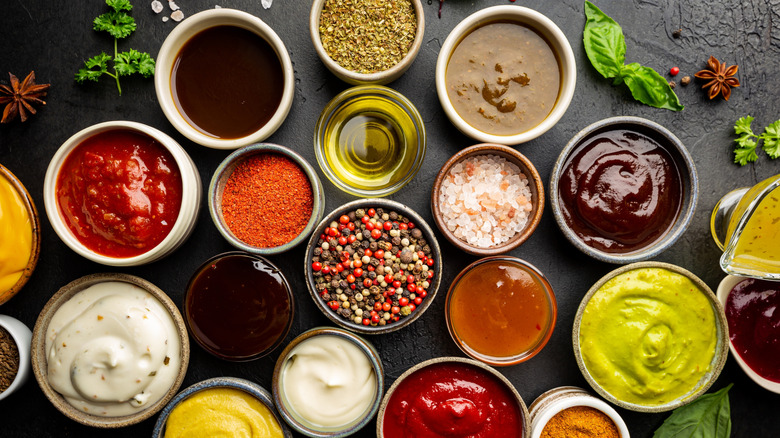
Our experts agree that one of the easiest and tastiest ways to customize your barbecue platter is to offer homemade sauces or dips on the side, helping guests explore regional and seasonal ingredients. Serving the sauces on the side allows people to pick and choose their own and prevents the meat from being overpowered by the sauce's distinct flavors. Regional barbecue sauces offer a range of flavors, from tangy, vinegar-based sauces, known in Kentucky, Tennessee, and the Carolinas, which often carry a peppery kick, to thick, sweet, tomato-based sauces found in Memphis, Kansas, or Texas.
To craft the perfect sauce, Nick Kleutsch recommends starting with a good base that complements the meat and sides you're serving. For instance, a white sauce, often mayonnaise-based (with or without horseradish), pairs well with chicken and pork, while a tomato-based sauce is a classic choice for pork and beef ribs. You can also explore the Southern border's Mexican-inspired barbecue with guacamole, salsa, or hot chili, or Santa Maria style, which features tri-tip beef. For a fusion twist, Hawaiian barbecue blends Chinese, Filipino, and Korean flavors. Whether you opt for tangy, mild, spicy, or sweet, tailoring your sauce to the meal elevates the barbecue experience. Get creative, says Kleutsch.
Use large cutting boards to display your barbecue
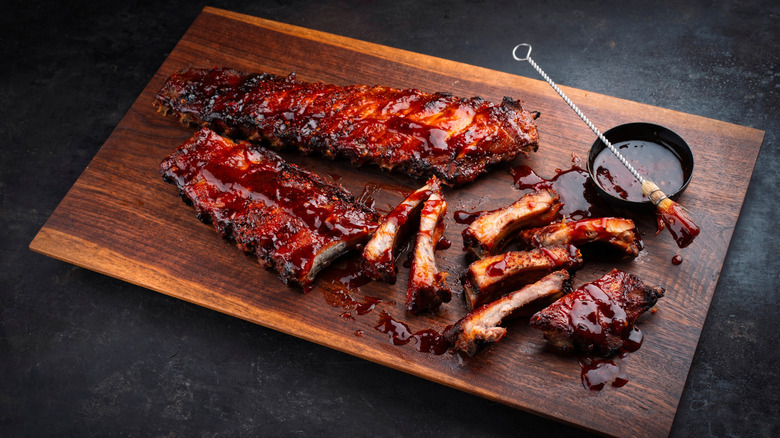
For a showstopping barbecue presentation, Carey Bringle and Michael Conlon recommend displaying your meat on a large cutting board. Beyond using sturdy (and perhaps decorative) platters to hold your meaty bounty, Conlon says that "all you need [for a good barbecue board are] a sharp knife, steady hands, and good gloves." Utensils are not required for traditional Texas barbecue, notes Nick Kleutsch, who prefers slices of bread to create easy-to-eat sandwiches, noting that you can combine the bread and meat with onions, pickles, and slaw.
Or, transform your barbecue platter into what Bringle calls a "BBQuterie board" — a method where you arrange your meats, sides, sauces, and extras like you would with a traditional charcuterie board. Kleutsch suggests laying out your ingredients separately and logically, so that the groups of food complement the flavor and texture of one other.
To accommodate a large crowd, consider using multiple platters set up similarly to spread out your arrangement, making it easier for your guests to serve themselves. Be sure to add some color, adds Kleutsch, using vegetables, fruit, or other brightly colored foods.
Consider complementary ingredients to garnish your platter

Meat is the main star of any barbecue platter and sides are often sought after, but garnishes also play a crucial role in elevating the overall experience. Recommended sides, such as coleslaw or cornbread, complement and highlight your choice of meat, like brisket and ribs. However, simple garnishes can take your platter to the next level. According to Michael Conlon, garnishes, like pickles, don't just add to the visual appeal of the board with their bright colors, but they also can introduce crunch and improve its overall texture.
Nick Kleutsch recommends trying homemade quick pickles and pickled red onions. "They're a must for any [barbecue]," he says. Carey Bringle also agrees, mentioning pepperoncini as another good accompaniment to feature. "Be sure to spread the color around," he says, which will help make your platter pop. For a standout garnish, try making your own dill pickles at home.
Make sure sides are ready to go when the meat is done

Larger cuts of meat, whether it's a whole hog or a slab of brisket, are going to take longer to cook, meaning you should prioritize getting them on the grill or smoker first, says Michael Conlon, adding, "You want everything to finish resting at the same time." Many side dishes, like slaws, can be made ahead of time, says Sam Jones, and stay chilled in the refrigerator or insulated coolers while waiting on your meat to finish. Likewise, warm side dishes like baked beans can be prepped and ready to heat up in the oven.
Cuts like ribs, shoulder, and roasts require a resting phase, which gives you time to finalize the sides and garnishes on your barbecue platter. Wrap your meat, Jones suggests, and put it aside until you're ready to serve. Set your oven to a low, warm setting, which is perfect for keeping your smoked meats warm, says Nick Kleutsch, and then finish them on the grill at the last minute. Michael Conlon recommends slicing your meats immediately before serving. "[Barbecue] tends to oxidize very quickly," he explains, "which can discolor the meat and give it an unappealing appearance."
Don't forget beverages
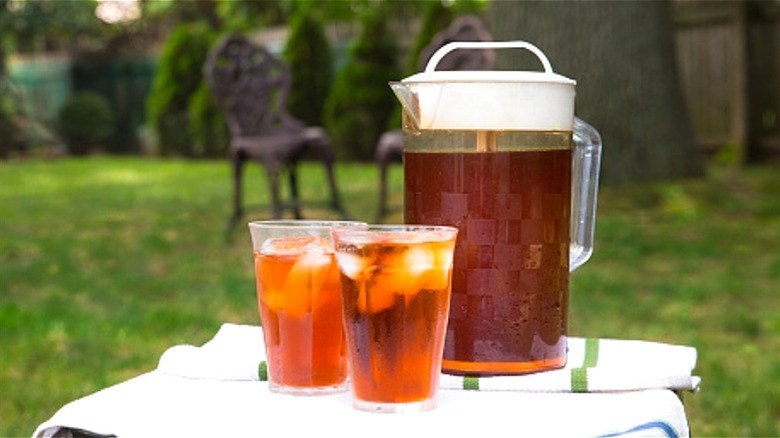
While barbecue platters are centered around food, you don't want to forget to supply a variety of beverages for your guests. Refreshing, cold water is always a winner, and, of course, whether you serve alcohol or not depends on you and your guest list. But our experts agree that cold beer is a natural choice when it comes to pairing a beverage with barbecue. Nick Kleutsch recommends Miller Lite or Lone Star, depending on where in the country you're throwing your barbecue. "Nothing beats a cold beer on a hot summer day," he says.
Bourbon and white or red wine can also be served with a barbecue platter, Carey Bringle says. "For a non-alcoholic choice, we typically opt for sweet tea," he says. Sam Jones agrees wholeheartedly, recommending a super sweet one. But this isn't just a complementary beverage for drinking alongside your barbecue, if you add sweet tea to your barbecue sauce, you may never look at barbecue the same way again.
Surprise your guests with something unexpected
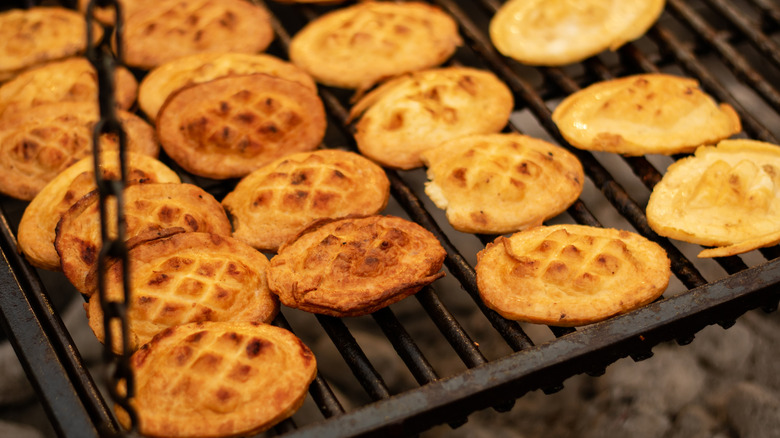
No matter what style of barbecue you decide to make your platters — Hawaiian, Kansas, Texas, or Carolina — consider throwing something unexpected into the mix, whether it's an unconventional meat (grilled alligator meat anyone?), seasonal sides, grilled desserts, smoked drinks, or pickled eggs. "One way to surprise guests is to incorporate flavors from around the world," says Michael Conlon. Even though barbecue is thought of as a classic American thing, other cultures around the world do barbecue in their own unique ways.
Red and green peppers, pimento cheese, and cream cheese with pepper jelly can also switch things up, per Carey Bringle. "Grilled or smoked fruit and veggies will surprise anybody," says Nick Kleutsch. Or you could put a twist on a tried-and-true classic like baked beans, says Sam Jones, and add some ground beef to it. "A lot of barbecue places use their leftover pork in their Brunswick stew or baked beans. I wanted to use my Uncle Gerald's recipe and that's how he does it."