

Prevent Losing Your Garden Herbs And Vegetables This Winter By Taking This Necessary Extra Step
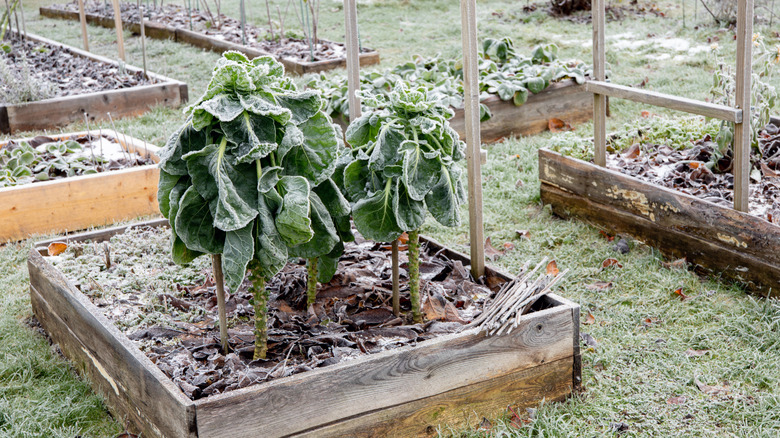
As winter approaches, the falling temperatures and chance of frost can spell danger for your garden. Although there are some plants that will survive and even thrive during the colder months, many plants will be damaged or killed off completely. If you don't want all that care you've put into growing to go to waste, save some of the more sensitive plants by bringing them inside for the winter.
If your herbs or vegetables are already growing in baskets or pots, this is easily done. And it's even worth thinking ahead to winter when you first decide on where to plant tender herbs in particular. For vegetables that have been planted in a garden bed, bringing the plants indoors will require digging them up and potting them so that they can be moved. This can be useful in the case of tomatoes or peppers, if fruit hasn't finished ripening by the time that the weather starts getting cold.
Bringing plants inside means that you may be able to extend the growing season, continuing to pick fresh herbs and, in some cases, keep vegetables growing throughout winter. But be aware that not every plant brought indoors will keep growing or producing a harvest. Some can be kept alive in a dormant or semi-dormant state until spring, when they can be moved outside and encouraged to start growing again. The key benefit in these cases is not to maintain a winter harvest, but to save an established plant so you don't have to start from scratch the following year.
Preparing your herbs and vegetables to bring indoors for the winter
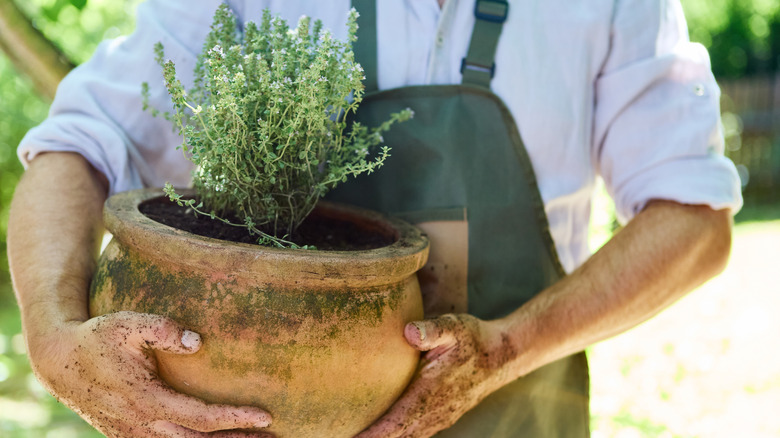
It's not quite as simple as getting your plants inside before the first frost. The sudden change in temperature and light can cause them to go into shock. In the weeks preceding, you should start acclimatising your plants, moving them into a shady spot to get them used to less light, then taking them inside at night, and finally moving them inside completely. Before starting the process, you should also check that all the plants you plan to move are healthy and free from pests that could easily spread to houseplants.
The biggest challenge with growing herbs and vegetables inside is making sure they have enough light. While some herbs grow in the shade, and others get by with a sunny windowsill, tomatoes, for example, need 8-10 hours of sunlight to continue growing, which will probably mean enlisting the help of grow lights. Even when protected from the cold, plants will grow more slowly in winter and need less water, especially those that have gone dormant. Monitor the soil carefully to prevent drowning or root rot.
If you're short on space, skip the annuals like dill or cilantro, as these naturally die off after their growing season anyway and need to be resown each year. While you may extend the harvest for some time by bringing them indoors, you're better off saving established perennial herbs such as rosemary or thyme, which can grow for many years.