

The 10 Best White Wines For Every Type Of Drinker

Wine consumers often fall into categories, with many self-proclaiming themselves to be either red or white wine drinkers. While that eliminates some options, there are still countless choices in either category when you consider the vast amount of wines from around the world made with different grape varieties and winemaking styles. It can be pretty daunting to identify what you want when you're faced with a wall of wine bottles in a store or a thick menu at a restaurant. Whether you prefer drinking wine with specific foods or enjoy certain characteristics over others, there are plenty of ways to narrow down the types of white wine you enjoy.
As a Certified Specialist of Wine, WSET Level 3 holder, and wine writer, I'm always enthusiastic about assisting people in their search for the perfect bottle for every occasion. I chose these pairs based on complementary characteristics that make them a great match. Perhaps you'll recognize yourself in this list of types of white wine drinkers, or maybe you'll find that you overlap in a few different categories. While I've deemed these grape varieties the best choice for each instance, there are still notably distinct styles of each one to experiment with. If you're a white wine lover or looking to branch out, read on for a selection of the best white wines for every type of drinker.
1. Seafood lovers - Albariño
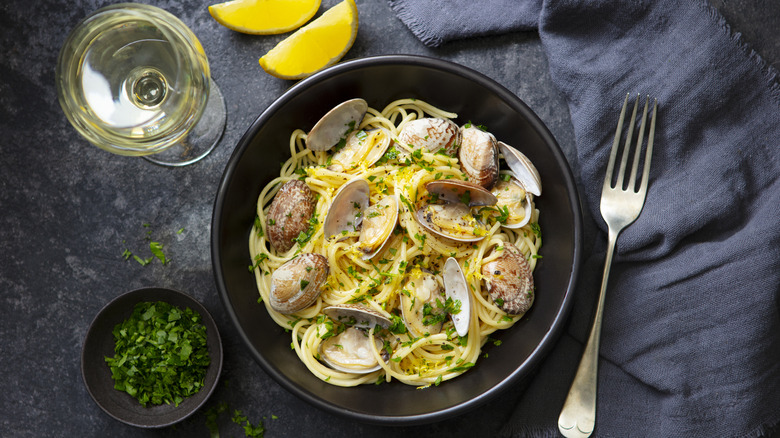
Plenty of white grape varieties are well suited for seafood, but albariño is among the best. The grape has roots on the Iberian Peninsula and can be found in Galicia, in northwestern Spain, as well as in Portugal, where it goes by alvarinho. In Portugal, alvarinho is most commonly found in Vinho Verde wines, and can be blended with other native varieties. Meanwhile, in Rías Baixas in Spain, the grape is bottled as a single varietal wine. Its coastal origins lay the foundation for its suitability with seafood, recalling the old adage that what grows together goes together.
With vineyards located in proximity to the Atlantic Ocean and saline breezes regularly flowing through, wines made with albariño reflect a fresh and briny nature. The wine typically boasts notes of citrus, stone fruits, and green apple, with a saline character reminiscent of the sea. It also boasts a high acidity, which mimics the effect of squeezing lemon juice over your food when paired with seafood. Not to mention, it's a great match for fried seafood dishes like fish and chips. The wines are typically made in a fresh, crisp style, but some winemakers build more complexity on the palate with lees aging. The latter style works well with slightly richer seafood dishes cooked in butter.
2. Drinkers who like bubbles - Champagne

Although there are dozens of styles of sparkling wine for white wine drinkers who enjoy bubbles, the most classic and iconic is undoubtedly Champagne. This alcoholic beverage is one of a kind and is made according to the traditional method, which involves the secondary fermentation (during which the bubbles are formed). This wine is made most commonly with pinot noir and/or chardonnay grapes, though a few other varieties are also permitted in the blends. Champagnes come in a range of styles, from bone dry to sweet, offering a multitude of options for bubbly drinkers.
Well-known Champagne houses like Veuve Clicquot and Moët & Chandon offer up classic styles to satisfy broad tastes, while Grower Champagnes work with smaller vineyard plots and focus on producing unique wines that speak to their terroir. Regardless of the source, Champagne typically displays notes of citrus, apple, white flowers, biscuit, and brioche. Since Champagne tends to sit on the more expensive end of sparkling wines, French Crémant or Spanish Cava, both made in the traditional method of secondary fermentation, are more affordable options if you're looking for a regular weeknight bottle of bubbly.
3. Red wine lovers - Chardonnay
Chardonnay is undeniably a white wine grape that can be made in crisp and high-acid styles, but it also has a chameleon character that allows it to take on many different styles. It can grow in cool and warm climates, with the latter producing richer, fuller-bodied wines that offer weight on the palate. While this is already a desirable feature for red wine lovers, once the grape is handled in the winery, it can take on even more characteristics typically associated with red wine. Whether you prefer wines with a fuller body or something to pair with heartier foods, chardonnay is a great choice.
For starters, chardonnay often undergoes malolactic fermentation, which transforms tangy malic acid into creamy lactic acid, resulting in a fuller and rounder mouthfeel with buttery notes. Furthermore, chardonnay is often fermented or matured in oak, adding aromas often seen in oak-aged red wines, like vanilla, coconut, toast, and spice. Although many people stick to serving red wine with meat, chardonnay is a great option if you're looking for a white wine that can stand up to a meaty main. While it's definitely still worth chilling, richer chardonnay can be served at a slightly warmer temperature than crisp white wines, approaching temperatures typically seen for lighter red wines.
4. Drinkers who want rich wines - Viognier
If you're the type of white wine drinker who wants more richness and lusciousness in your glass, viognier is the answer. The white wine grape originates from the Northern Rhône Valley in France, but it is increasingly grown in other countries including the U.S. and Australia. While it can be a tricky balance to achieve, the best viognier wines feature an unctuous palate that's perfect for fans of richer styles of white wine. The grape also tends to produce wines with a high alcohol level, further adding to the fullness on the palate.
When done well, the richness is beautifully balanced by just the right amount of acidity, resulting in a harmony of flavors. Viognier is incredibly aromatic, with notes of stone fruits, honeysuckle, and hints of fresh herbs. It works well paired with buttery seafood dishes, grilled chicken with fresh herbs, and roast pork with sweet fruit glazes or sauces.
5. Those who crave acidity - Riesling

Riesling is often mistaken as solely a sweet wine, but the German grape is far more complex. Though it can be made in a sweet style, plenty of dry styles exist as well, offering something for every taste. Regardless of whether it's sweet or dry, a bright acidity is one of the hallmarks of riesling wines. In the case of the former, the acidity helps balance the sugar to prevent it from becoming cloying. On the other hand, when riesling is vinified in a dry style, its bracing acidity lends itself to a crisp and mouth-watering wine.
Wines from Germany, Australia, Austria, France, and the U.S. all showcase riesling's natural acidity in harmony with its rich aromatics. It typically contains notes of stone fruit, citrus, white flowers, beeswax, and ginger, producing multifaceted wines capable of aging for decades. In fact, riesling's acidity is one of the key protective factors that allow it to age so well. Not to mention, this characteristic makes it a great match for food, including seafood, salads, poultry, and pork, and it can act as a palate cleanser for salty or fried foods. Any high-acid white wine lover needs to pick up a bottle of riesling.
6. Fruity wine lovers - Sauvignon blanc
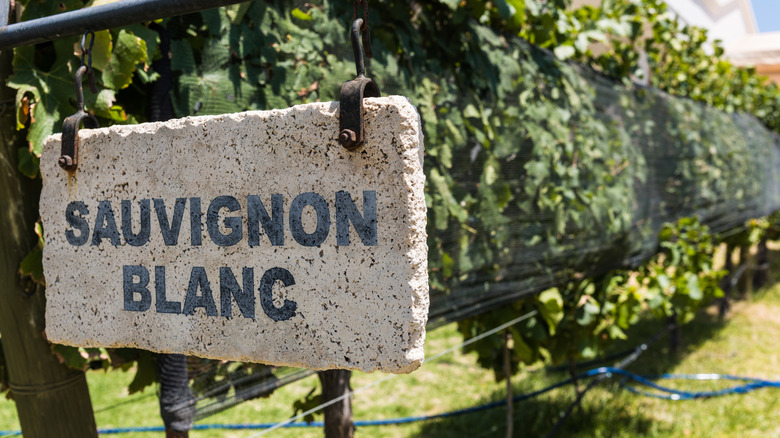
Several white wines display fruity aromas in the glass, but when it comes to a bold punch of fruit, sauvignon blanc is hard to beat. The grape is grown around the world and comes in a few different styles, from more mineral, flinty, and crisp wines from the Loire Valley in France, to fruit-forward, aromatic versions from New Zealand, Chile, and South Africa, among others.
If you're going for fruitiness, skip the Loire Valley and reach for a New World style of sauvignon blanc, most famously from Marlborough in New Zealand. It's bright and acidic with vibrant notes of passionfruit, gooseberry, citrus, and peach. Grassy aromas and hints of green bell pepper add to the vibrant palate. Meanwhile, styles from South Africa and Coastal Chile mimic similar tasting notes, with hints of green apple, tropical fruit, and citrus. Thanks to its fruity, fresh flavor profile, sauvignon blanc pairs well with tangy salads, vegetarian mains, poultry, and cheese.
7. Fans of sweet wines - Moscato d'Asti
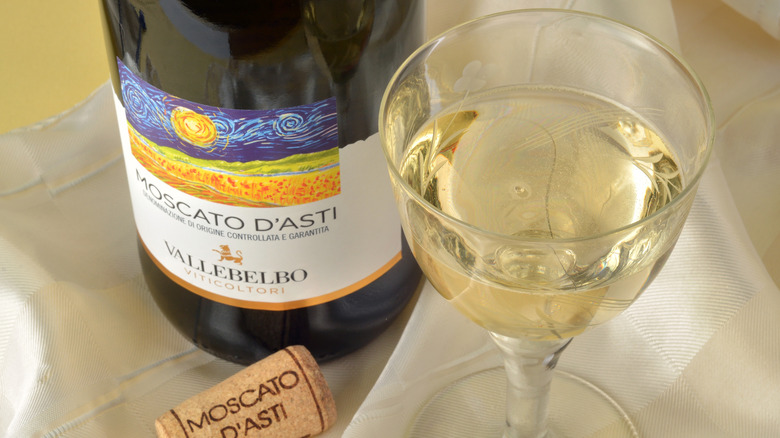
Sweet white wine drinkers have an array of options to choose from, including delightful picks like Moscato d'Asti. Made with the moscato grape in the region of Asti in Piedmont, Italy, this sweet and lightly effervescent wine is a winner. When producing this wine, the winemaking process is stopped prematurely, leaving residual sugar that is not consumed by the yeast, as well as trapping carbon dioxide, which creates bubbles. Furthermore, since the sugars aren't all converted to alcohol, Moscato d'Asti has a low ABV, around 5 to 6%.
The wines tend to feature rich, fruity aromas and a balanced acidity to match the sweetness. Notes of stone fruit, grape, lemon, and mandarin are prominent on the nose, along with hints of orange blossom and honeysuckle. Served with a chill, this refreshing wine is suitable as an aperitif or paired with spicy dishes, as well as with fruit or cream-based desserts.
8. Drinkers who want complexity - Chenin blanc
Chenin blanc is an easy pick for consumers looking for a white wine brimming with complex aromas that comes in a range of styles. The variety comes from the Loire Valley in France but is also South Africa's number one grape. It is also grown in the U.S. and other countries around the world. In France, it comes in every style from sweet to dry and still to sparkling, offering a wide range for white wine drinkers to enjoy.
Chenin blanc also has a complex flavor profile, spanning fruit, herb, floral, and mineral elements. Notes of apple, quince, stone fruit, white flowers, honey, and beeswax are common. Additionally, wines made with this white grape are sometimes fermented or matured in oak, further adding to the range of tasting notes. Thanks to its vast aromatic characteristics and a bright streak of acidity in both sweet and dry styles, chenin blanc pairs well with a multitude of foods. Seafood, poultry, pork, cheese, and more make a suitable match for this versatile variety.
9. Wine lovers with savory palates - Grüner veltliner
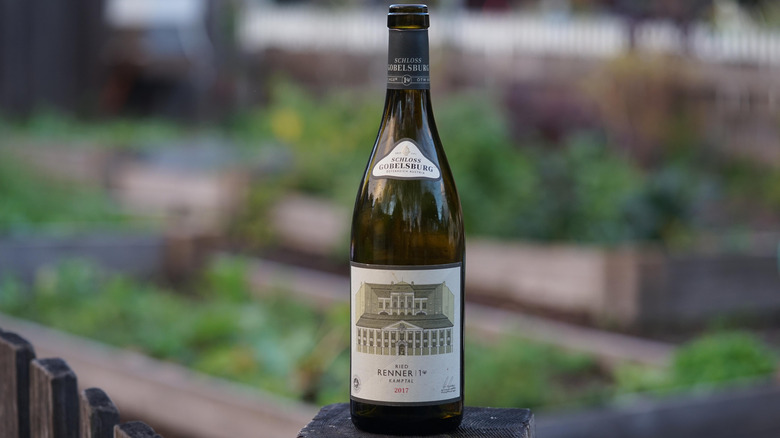
Grüner veltliner is Austria's signature grape variety, and it's easy to see why. This fresh, crisp white wine features unique aromas that lean toward savory characteristics rather than a dominant fruity flavor profile. Though it does display notes of fruit, these are typically hints of grapefruit, lemon, and lime, whereas herbal and white peppercorn notes tend to shine through more prominently. Additionally, vegetal notes like green bean and grass are also commonly identified on the palate, as well as minerality.
Depending on the winemaking style, grüner veltliner can also feature nutty aromas that highlight its savory character. To pair with its flavor profile, the variety tends to display a high acidity, resulting in a crisp and fresh white wine that pairs beautifully with food. It's a great option for serving with hard-to-pair vegetables like artichoke and asparagus, and its bright acidity makes it a good match with fried foods, such as a classic wiener schnitzel from Austria or other breaded meats. For white wine consumers who want something beyond a fruity and aromatic bottle, grüner veltliner is a fantastic wine to discover.
10. Those who don't know where to start - Pinot grigio/gris
Pinot grigio sometimes gets a bad rap from consumers for being flavorless and uninteresting, but that's definitely minimizing its potential. For starters, the variety is made in two main styles, typically identified by being labeled as either pinot gris or pinot grigio. The former is from Alsace, France, and common in Oregon, New Zealand, and Germany, and features a fuller body with richer aromas of pear, apple, stone fruit, honey, and spice, as well as some residual sugar in certain cases. Pinot grigio is from Northern Italy, where bright citrusy aromas are on display in lighter-bodied wines.
Regardless of the origin or style, pinot grigio is a great option for white wine drinkers who don't know where to start. It tends to feature balanced fruit aromas and a pleasant acidity, without veering too much in any one direction when it comes to acid, alcohol level, or sweetness. Additionally, its two dominant styles can serve as a starting point for consumers to explore desirable flavor characteristics and see how terroir and winemaking influence a wine. Pinot grigio pairs with a broad range of foods thanks to its versatility and freshness. Seafood, salads, poultry, and pork are all great options to match this grape, and it works well as an aperitif with light snacks, making it a great choice for anyone trying to develop their palate.