

Why Buying Pyrex Dishes During World War I Was (Sort Of) Patriotic
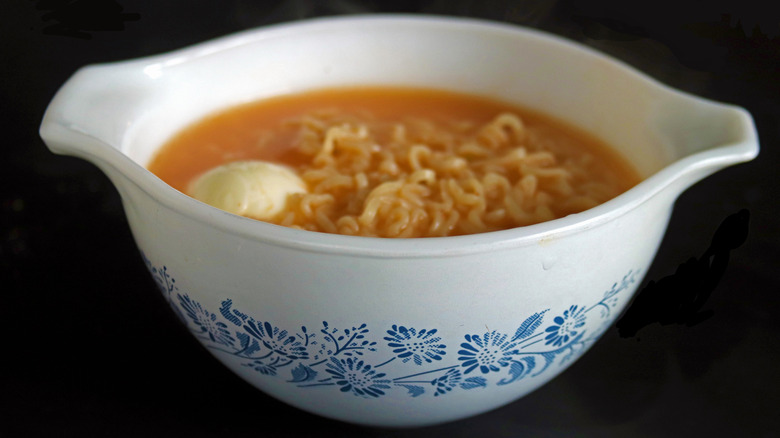
Whether passed down through family, found at a thrift store, or newly purchased, many kitchens in America have a Pyrex dish (or "'pyrex" if we're talking about the brand's modern era). While many people may have fond memories of family meals served out of a Pyrex dish, they may not be aware of the role Pyrex played on the home front during World War I and World War II.
Pioneered by Bessie Littleton, whose husband was a physicist at New York's Corning Glass Works, Pyrex was debuted to consumers in 1915. Two years later, the United States entered World War I, which had been raging since 1914. The demand for metal for war material led the War Industries Board to ask consumers to donate metal goods for scrap and stop purchasing new items containing metal. This rationing helped drive consumers to Pyrex so they could save metal for the war effort.
The outbreak of World War II led to more metal rationing, and even more consumers opting for Pyrex. Metal that would have gone to American kitchens was now helping build war material. Additionally, Pyrex benefitted from the ban on imports from German companies such as Schott and Duran, which removed a major competitor from the marketplace.
Pyrex in the early 20th century
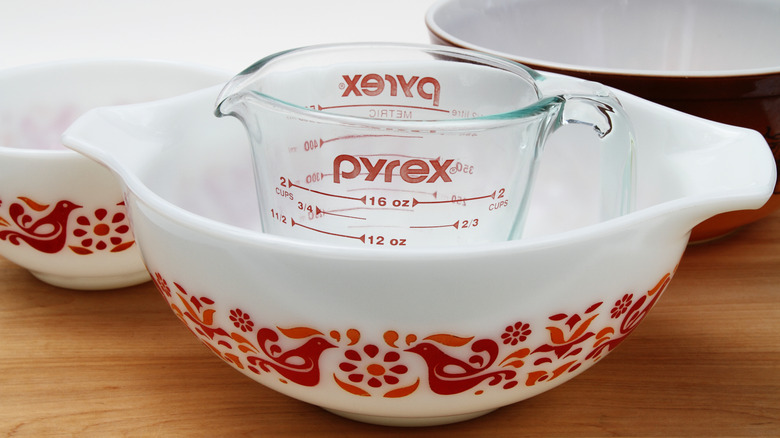
When it was first launched, Pyrex was too expensive for average consumers (early advertisements show it being used by maids). Corning worked to improve the manufacturing process, which in turn lowered the price and made Pyrex more affordable. As this process carried on through the 1930s, more and more households could afford Pyrex.
This wasn't just a passive process, Corning's advertising leaned into sentiment related to the war. One 1945 ad reads, "My wife sure makes food fight for freedom!" The company also began producing vessels and dishes for military mess halls, more directly supporting the war effort. One of the innovations the company produced for the armed forces was opaque glass, which later became the basis for its decorative consumer goods.
While outside circumstances helped drive the growth of Pyrex, the brand pivoted its advertising to take advantage of its wider audience. The maids from the earliest ads were replaced with housewives (the stereotypes of the 1930s and 40s still prevailed), and in the economic boom that followed for many Americans after the war, Pyrex grew into a kitchen fixture. So next time you find a vintage Pyrex while thrifting, you might be holding a piece of history (if you know what to look for).