

The 12 Best Pilsner Beers, According To Experts

There are so many different types of beers that learning the differences between them all can seem like a bit of an uphill battle, but we're here to talk about one wonderfully old-school style in particular: the pilsner. A little hoppy and pale in color, pilsners often have surprisingly complex flavors that come from just a relative few ingredients. We wanted to know what the best examples of pilsners are, so we called on a couple of experts.
Luke Walster is the beer expert over at The Cask Connoisseur, and he tells us that he has a respect for pilsners. "In reality, pilsner is one of the most technically demanding styles to brew well," he says. "With no huge amounts of hops, roasted malts, or unusual ingredients to disguise imperfections, the quality of the brewing really has to shine through."
Sanwar Mal Khokhar agrees. He's the beverage program leader at Sanjh Restaurant & Bar, and he comes to us with his perspective as an award-winning mixologist. He suggests taking your time with each one of these brews, paying particular attention to the aroma, maltiness, bitterness, and finish as you drink. Ask yourself if you're experiencing something citrus- or floral-forward, are the grains front and center, are the flavors sharp and sudden, or gradual? The best way to do it, Khokhar says, is to sample two different varieties side-by-side, adding that what he finds interesting about pilsners is that "they might look very similar in the glass, but they do not necessarily tell the same story on the palate."
Pilsner Urquell
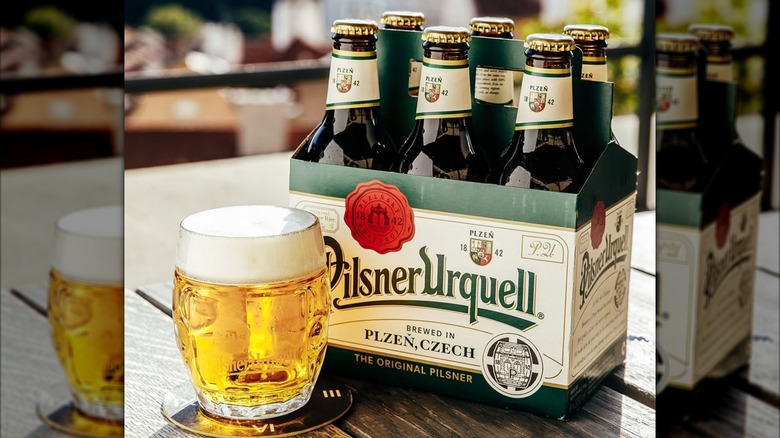
You'll often hear pilsners name-dropped into conversations about the best beer styles for summer, and Pilsner Urquell definitely leans into that: The brewery notes that its distinctive layer of foam helps keep your pint frosty and fresh as you sip. According to Luke Walster, this OG pilsner might be one of the oldest examples around, but it's still setting the standard for the style.
"You can't really talk about pilsners without mentioning the original!" he tells us. "... It has a lovely balance of rich, slightly sweet malt flavors and the distinctive bitterness of Czech Saaz hops. There's a subtle caramel character, but it still finishes beautifully crisp." Even within the world of pilsners, Czech pilsners are renowned for representing the pinnacle of craftsmanship and a belief that perfection can't be rushed. Good things are worth the wait, and the result of the process is a beer that is super refreshing, ultra-clear, and — as we've noted — perfect for those sunny summer days.
It also delivers on a lot of really neat history. Dating back to 1842, it's still brewed in the same city — Plzeň, Czech Republic — from the same recipe, using the same processes. "If someone wants to understand what a traditional Czech pilsner should taste like," Walster says, "this is where I'd tell them to start." (Pro tip: pair this Czech pilsner with a pepperoni pizza, and thank us later.)
Schilling Alexandr
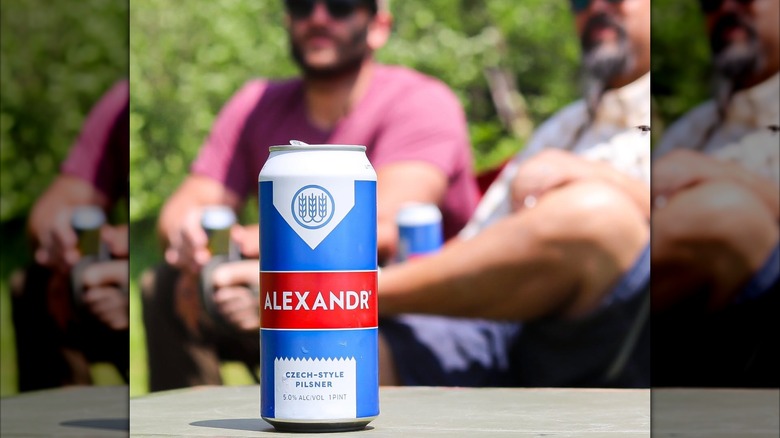
While you might often hear those in the know singing the praises of various European pilsners, you don't need to leave the U.S. to find a seriously great example of the style — you only need to head to New Hampshire and check in with the Schilling Beer Co. That's the place that's putting out the award-winning, Czech-style pilsner Alexandr, a standout recommendation from Sanwar Mal Khokhar.
He tells us, "I think it's a good example to show ... that not every pilsner has to be extremely dry or sharp." Khokhar adds, "It has a rounded hop character and a clean finish. What I would encourage people to notice here is how the bitterness feels on the palate. It can be firm without necessarily feeling aggressive."
The brewery considers this one of its flagship beers, and it hasn't been around for too long compared to many of the other pilsners on this list. A 10th-anniversary edition was released in 2025, and it hasn't lost its allure. It took home top honors for the best American pilsner at the 2026 Great American Beer Festival, celebrated for being a great option for anyone looking for a super approachable, clean-tasting beer that's ideal for taking along on those long, hot, lazy afternoons. Plus, it's perfect for that time-testing treat: beer and potato chips.
Weihenstephaner Pils
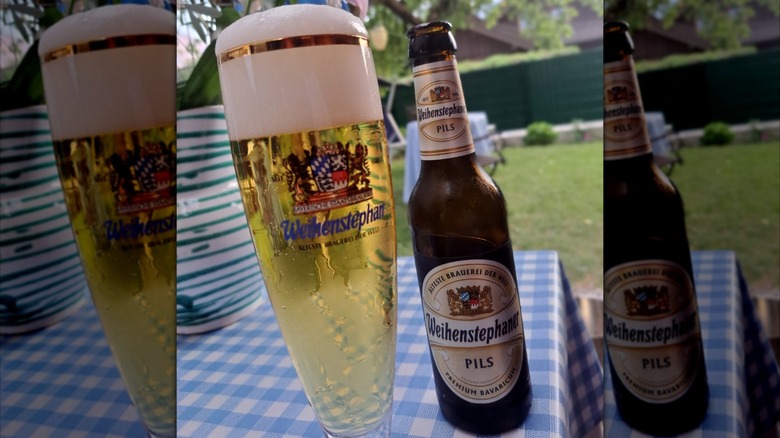
The oldest brewery in the U.S. is an interesting phenomenon: Yuengling dates back to 1829, survived Prohibition, but you still can't find it nationwide. That's impressive, sure, but look to the Bavarian State Brewery Weihenstephan, and they'll say, "Hold our beer." (Sorry, not sorry.) It's still standing in the exact same place that a group of Benedictine monks set up shop back in 725, started growing hops around 768, and eventually established a licensed brewery in 1040. We'll just let that sink in for a minute.
This absolutely iconic brewery is also putting out a pilsner that comes highly recommended by Luke Walster. He says, "[It's] renowned for its traditional German brewing, and its pilsner is well worth seeking out. It's light, crisp, and beautifully balanced, with delicate floral hop aromas and a gentle malt character. There's a noticeable bitterness, but it never dominates the beer."
If you're not keen on the tartness that can come to the forefront of pilsners, this might be the one for you. Interestingly, the brewery recommends this one as a before-dinner beer that serves as an aperitif that will get you ready for the main meal, and one that's also ideal alongside delicate flavors — like fish — that you don't want to overpower with the heaviness of a more aggressive beer. It's won a fair share of awards, as well, and could be an ideal accompaniment to a backyard BBQ. Walster notes, "I'd recommend this to someone who wants something refreshing and easy to drink, without sacrificing flavor."
Jever Pilsener
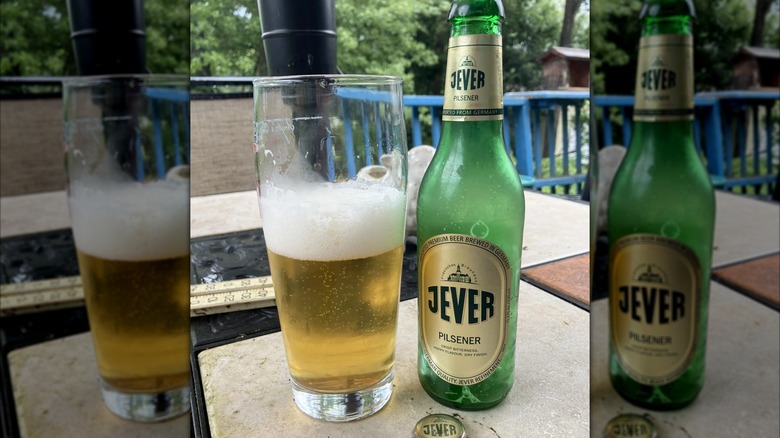
Jever has a pretty neat history that dates to 1848 and a founder who didn't live to see his brewery set on the trajectory to become the internationally known favorite that it's become today. Deemed a wildly progressive spot that leaned heavily on marketing and special bottles to set its beer apart from others — even at the end of the 19th century — it's behind some seriously fascinating history. That includes helping to establish the infrastructure that saw low-limestone water delivered to its home city, and an owner who died fighting in World War I.
Today, it's brewing up a pilsner that's pretty much the same as it's been for the last two centuries, and key to that is the infrastructure we mentioned as being laid by the brewery — all the way back in 1898. It's also a recommendation from Luke Walster for a pilsner that stands out from the crowd in a big way.
"If you enjoy a pilsner with a bit more bite, Jever is a fantastic choice," he says. "It's known for its assertive hop bitterness and exceptionally dry finish, making it quite different from some of the softer, maltier examples. There's a lovely herbal, grassy character to the hops, and it's incredibly refreshing." As a bonus, Jever also has a non-alcoholic, no-sugar version of the same beer, one that's advertised as having all that flavorful tartness fans have come to expect.
Bitburger Premium Pils
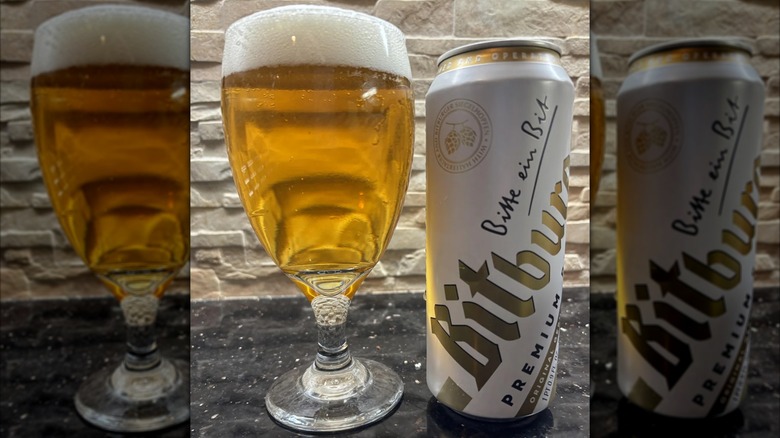
Time is just a little different when you leave the U.S. and head to Europe, where you'll find a ton of breweries and distilleries that have been around for hundreds of years. Bitburger is one of those: Named for the town that it was founded in back in 1817, it debuted bottled beer in 1880, and a pilsner hit the market just three years later. (As a bonus fun fact: Bitburger became an international export three years after its pilsners were born, and the mode of transport? A horse-drawn wagon.)
The brewers here have had a long time to perfect their craft, so it's not surprising that the pilsner is an outstanding example of the style. That's according to Luke Walster, who says that if you're looking for an old-school, back-to-basics sort of pilsner, this is the real deal.
"This is a classic German pilsner that gets the fundamentals right," he explains. "It's crisp, clean, and refreshing, with a good balance of light malt sweetness and grassy, slightly spicy hop flavors. It has enough bitterness to keep things interesting, without becoming overpowering. It's a dependable choice and a great introduction to the traditional German pilsner style."
Rothaus Pils Tannenzäpfle

Rothaus Pils Tannenzäpfle is a relative newcomer to the world of European pilsners, only coming on the scene in 1956. Hailing from the Black Forest region of Germany, it proudly stands on the bolder side of things — which is why it comes so highly recommended.
"This is a beautiful example of a traditional German pilsner," Sanwar Mal Khokhar tells us. "What makes it interesting is the balance between the malt and hop character. You can look for subtle grainy and bready notes followed by herbal and slightly spicy hop characteristics." The profile here is one that makes it a great choice for those times when you're interested in sitting with something for a little bit, paying attention to how the different elements come together to make something that is a balanced whole, and allowing these different aspects to shine as a cohesive unit.
Luke Walster agrees, naming this one as a great option for those who like their beer on the drier, hoppier, slightly more bitter side of things. That said, he's also quick to point out that it remains a really well-balanced beer, adding, "It's the sort of beer that proves you don't need an overwhelming amount of flavor to make something genuinely interesting."
Ayinger Bairisch Pils
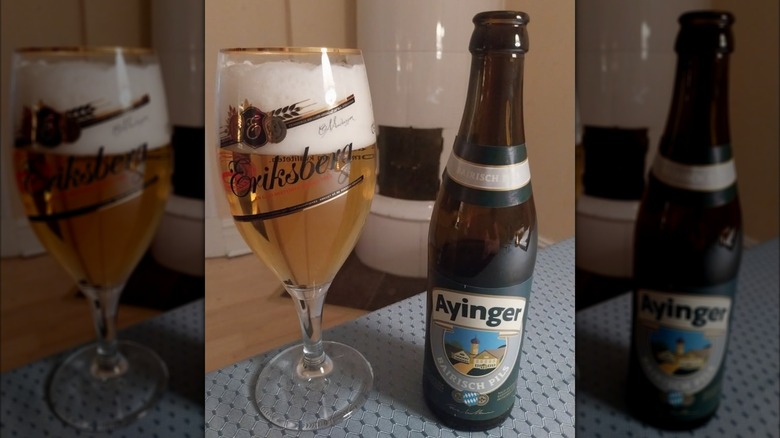
Ayinger is one of a number of European breweries with a long and turbulent history. Back in the late 19th century, owners of the Zum Pfleger estate decided it was time for a few new additions that would be able to help them handle the demands of the growing farm. That included a brewery, which continued to grow into the new century. It's weathered wars, economic hardships, and periods of wild innovation to survive into the 21st century and continue to produce what Luke Walster says is a stellar pilsner.
"Ayinger produces some exceptional traditional German beers, and its Bairisch Pils is no exception," he tells us. "It's beautifully refined, with delicate floral hop aromas, a soft malt backbone, and a clean, dry finish. What makes it stand out is the balance. Nothing feels exaggerated, and every element works together."
You'll hear plenty of people singing the praises of this one, lauding it as one of those beers that's brilliant from start to finish. Beautifully hued and thoughtfully harmonious, it — and the brewery in its entirety — manages to do something surprising: stand out among the many great breweries of Bavaria. It's the sort of beer that'll make you grateful you have a few more bottles ready and waiting, as it's easy to drink, delightfully smooth, and delivers on just the right amount of foam. Walster adds, "It's a great pilsner for someone who appreciates subtlety and traditional brewing craftsmanship."
Flensburger Pilsener
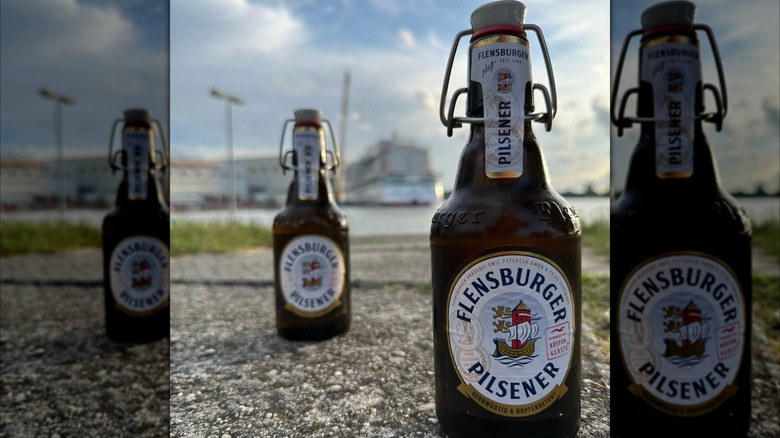
There's something very neat about a family-owned brewery that's been passed down through the generations, and that's what you'll find at Flensburger. It's been around since 1888, and it remains incredibly proud of the North German character of its pilsner — carried in part thanks to the addition of coastal barley. This particular offering in the Flensburger lineup debuted in 1922, and it's still brewed under the German Purity Laws that limit precisely what can be added to a beer. The result is one that Luke Walster says is a can't-miss.
"Expect fresh herbal and grassy hop flavors balanced by a light malt sweetness," he explains. "It's refreshing, full of character, and perfect for anyone who enjoys a traditional pilsner with a more pronounced bitter edge. The distinctive swing-top bottle is a nice bonus, too!"
If you're thinking those bottle tops look olde-timey, they are — the brewery has been using them since the very beginning. Honestly, we're kind of surprised that more places didn't stick with them. Unlike most glass bottles you'll find, you can reseal these and preserve all that precious carbonation — invaluable, if you're the type that likes to linger over your brew. You might even find yourself saving and reusing the bottles, which is a huge plus as far as we're concerned.
Firestone Walker Pivo Pils
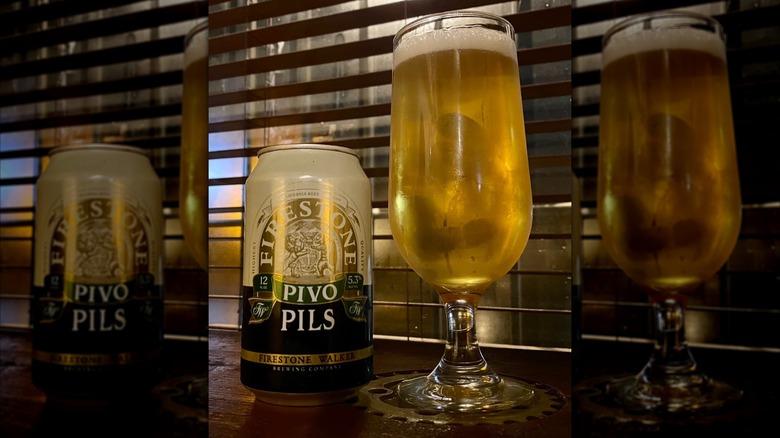
When we here at Tasting Table put together a list of the American beers that everyone should try at least once, Firestone Walker's Pivo represented pilsners. Advertised as the favorite beer of the company's brewmaster, it's heavy on the hops, light on the citrus, and a massive favorite — so much so that it earns recommendations from both of our experts.
Luke Walster appreciates this one for giving the old style a modern update, by taking everything that's good about the style and adding more expression, more depth, and more character via the hoppy, floral side of things. "It's refreshing but has plenty of personality," he says. "I'd particularly recommend it to craft beer drinkers who usually gravitate towards pale ales but want to explore what a really good lager can offer."
Sanwar Mal Khokhar also lauds this one for its complexity, noting that along with the hoppiness and citrus-forward presentation, you'll find more surprising elements have been coaxed to the forefront — such as lemongrass and bergamot. If you've ever wanted a great example of how important a beer's nose is, look no further than this one. "What makes this beer worth exploring is how the aroma creates an expectation before you even take the first sip," Khokhar says. "It is a good reminder that hops aren't only about bitterness. They contribute aroma and flavor, too."
Radeberger Pilsner
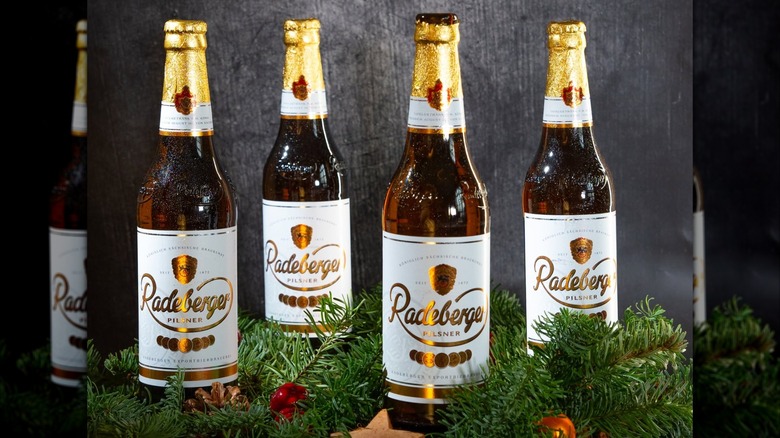
Radeberger is incredibly unique. While most breweries will put out a handful of different styles, you'll only find a pilsner and a pilsner zwickel in the lineup here. It's been that way since 1872, as the brewery was founded with the idea that it was going to do one thing and do it really, really well.
It's succeeded, and that's according to Luke Walster. Calling it "another excellent example of traditional German pilsner brewing," he explains: "It's clean and refreshing, with a subtle malt sweetness, herbal hop aromas, and a pleasantly dry finish. The bitterness is noticeable but well-integrated, making it easy to appreciate without being overwhelming." If you — or someone you know — is looking to get into trying pilsners for the first time and wants a great baseline as to what the style can and should be, this is the beer you'll want to consider picking up.
Wondering about that pilsner zwickel we mentioned? That's just a little bit of a different interpretation of the style, and the process of making it just stops a tad earlier. As it's unfiltered, it's cloudy, a little less hoppy, and a little more laid-back. Together, these two Radeberger bottles present a neat opportunity: Try them side-by-side, and you'll see just what the filtering process does and means for the beer.
Krombacher Pils
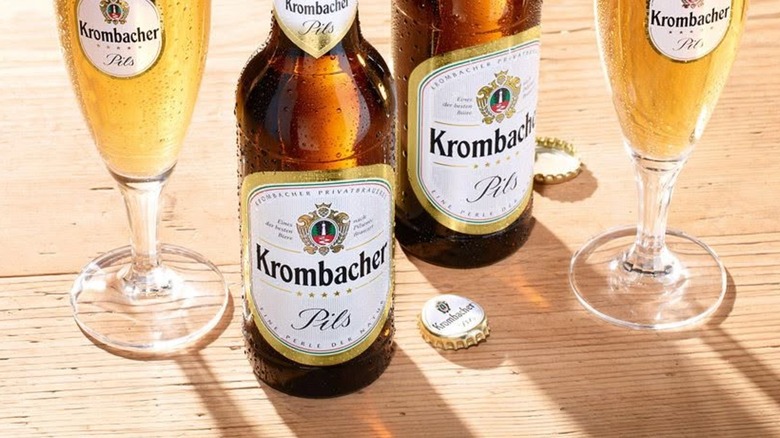
It's one thing to talk about breweries that have been in the same location for hundreds of years, but when you start talking about those breweries distributing to dozens of countries around the world, it makes sense that you might give them a bit of a side-eye. But Krombacher was founded in 1803, and all of the beer sold under its label — no matter where you buy it — is still made in Kreuztal-Krombach, Germany, with the same spring water that made this one popular in the first place.
Luke Walster names this as another standout, and if you're looking for something that goes down really, really easily, it should be at the top of your list. "Compared with some of the more assertively bitter German pilsners, it's a little softer and more accessible," he says. "It's a great example of how simplicity, when executed properly, can make for a really enjoyable beer." Pilsners are, after all, one of the best beers for newbies, and this is a great starting point.
We're 100% on board with that. When you start throwing around terms like "hoppiness" and "bitterness" in beer, that might be a cue for some to step away slowly and find something else. But styles exist on a spectrum, and this is one for anyone wanting something unfussy, uncomplicated, and that's an easy, all-around win.
Trumer Pils
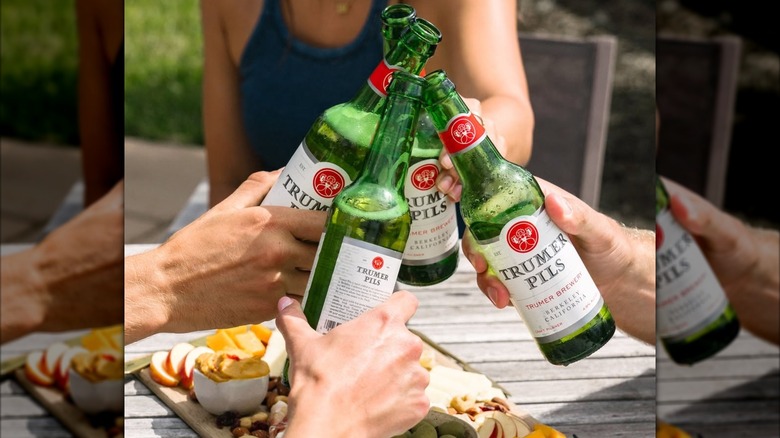
Trumer Pils advertises itself as "the world's most awarded pilsner," and that's a big claim. There are a lot of gold medals on the walls here, and a lot of interesting things happening. The pilsner you get in the U.S. is actually coming out of a California-based outpost of an Austrian brewery, and everything on the West Coast is being done the same as it is in the Old World. That brewery? It's been around since 1601 and has been owned by the Sigl family since 1775.
For Sanwar Mal Khokhar, there are a few reasons this one stands out from the crowd. For starters, it's the delicate malt and spicy hoppiness, but there's a little more to it. "I think it is also a great example of why we should pay attention to carbonation," he says. "The fine bubbles and refreshing mouthfeel contribute just as much to the drinking experience as the flavor itself."
Luke Walster also recommends this one, and he also calls out the brisk carbonation as one of the things that really stands out. "For something a bit different, this is a good example of how the traditional pilsner style can be executed beautifully," Walster says. "... It doesn't need bold or unusual ingredients to impress, just excellent balance and attention to detail." There's a lesson to be learned there, isn't there? Sometimes less is more, especially when you're talking about tapping into a centuries-old tradition and paying homage to what has made it a timeless classic.