

These Are 4 Of The Kitchen Appliances That Are Most Commonly Recalled
Most of us don't think much about our kitchen appliances until one of them acts up. Maybe the oven takes forever to preheat, or the fridge starts making a noise it definitely wasn't making last week. Usually, addressing these issues involves a repair call and a mild headache. However, every so often, the problem turns out to be so widespread for that particular model that the manufacturer has to announce a recall. This has to be somewhat rare, right? Well, yes, but according to America's Preferred Home Warranty (APHW), some kitchen appliances get recalled a lot more often than others.
The four that come up most are stoves and ovens, refrigerators, dishwashers, and microwaves. The company doesn't share hard numbers behind its list, but it does offer some reasoning behind the frequency of these recalls. All four are appliances many people use every day, and they run on heat, gas, or electricity, so a faulty part has a higher chance of causing a fire or some other safety problem. Cooking appliances are among the top recalled categories," APHW says.
When an appliance does get recalled, the U.S. Consumer Product Safety Commission (CPSC) works with the company to let owners know. A lot of these problems come to light through customer complaints, and sometimes they take years to show up. This is what typically goes wrong with each of the four, and what to do if a recall affects part of your kitchen.
Why do stoves and refrigerators get recalled?
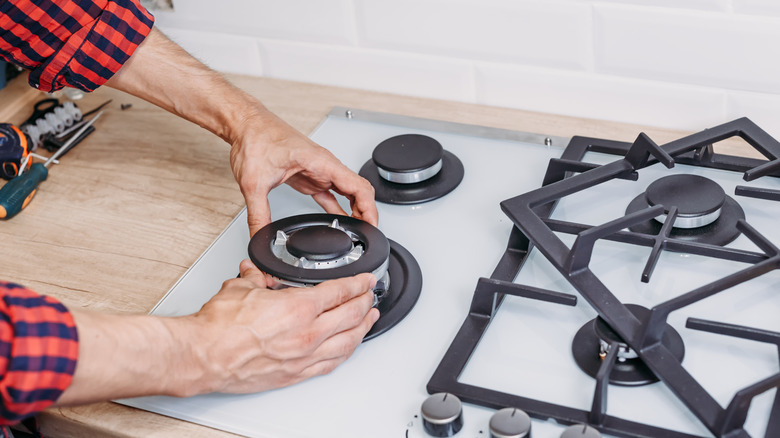
Stoves and ovens are first on APHW's list, and the company names fire and gas leaks as the main dangers of malfunctioning units. The culprit behind some of the biggest recent recalls is quite anticlimactic: the knobs. In February 2025, LG recalled about 500,000 electric ranges because the front-mounted knobs could turn on if someone (or a pet) brushed against them. By then, the ranges had been involved in more than 28 fires. Samsung recalled over 1.1 million of its slide-in electric ranges for the same reason the year before, after roughly 250 fires.
Gas ranges have their own problems. AGA recalled about 4,000 dual-fuel ranges in September 2026 due to a missing cap on the gas test port, which could let gas leak out. No injuries were reported.
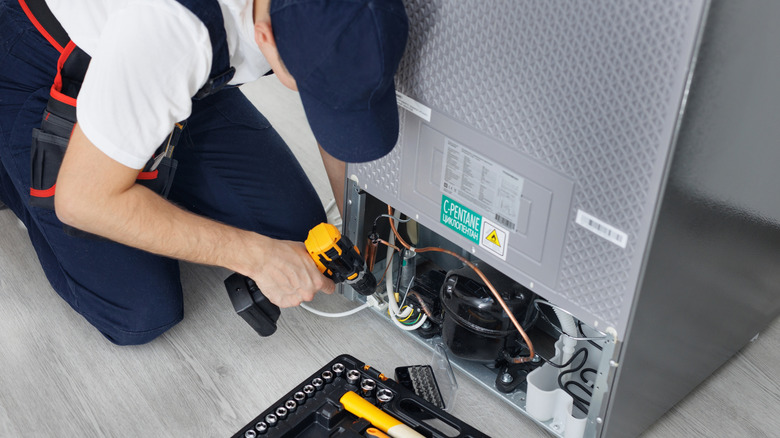
Refrigerators come in second, and APHW points to electrical problems and overheating parts as common causes. A fridge never really gets a break, so a bad component has plenty of time to create trouble. In July 2026, Galanz recalled about 121,680 of its retro-style refrigerators after it was discovered that their internal electrical parts could short circuit and catch fire. The CPSC learned of 34 related fires, including one that was fatal. Other fridge recalls have nothing to do with wiring. Electrolux recalled more than 389,000 Frigidaire side-by-side refrigerators in 2024 because the ice buckets could crack and drop pieces of plastic into the ice (that one made our list of the biggest refrigerator recalls of all time).
What about dishwashers and microwaves?
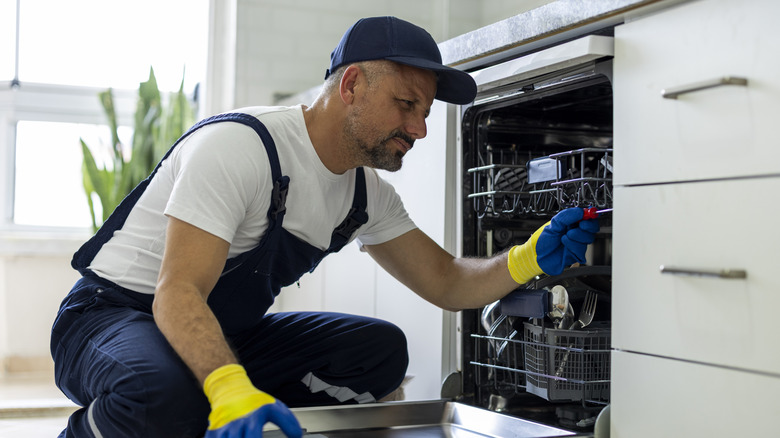
Dishwashers might seem like a strange candidate for a fire hazard, since they spend most of their lives full of water. Yet they rely on heating elements and electronic controls to function, and APHW says faulty wiring and control panels result in many dishwasher recalls. One of the bigger ones came in 2017, when BSH Home Appliances, the company behind Bosch and Thermador, added over 408,000 dishwashers to an earlier recall because of a fire risk.
Microwaves are last on the list. APHW mentions both fire and radiation as possible dangers, but most microwave recalls are prompted by the threat of fire and electrical shock. Whirlpool recalled about 15,200 over-the-range microwaves in 2016 because sparks inside the unit could set a plastic part on fire. The company had received five reports of problems by then, including a house fire and two fires that involved the cabinets around the microwave.
Not sure whether your fridge or oven has been recalled? It's pretty easy to find out. You'll need the model and serial number, which are usually on a sticker inside the door or on the back of the appliance. Then you can look up on the CPSC recall portal. When you register new appliances after buying them, you will automatically be contacted should a recall occur. If something you own turns out to be recalled, stop using it right away to prevent any risk of fire, shock, or injury. The fix is usually free, and the process isn't much different from what you'd do if your cookware gets recalled.