

9 Biggest Changes To The Fast Food Industry In 2026 (So Far)
The world of fast food is always evolving. Long gone are the colorful dine-in-friendly restaurants that served affordably priced burgers, fries, and milkshakes. In the past year alone, we've witnessed plenty of fast food trends that we hope will disappear, including skyrocketing prices, regular menu items repackaged as celebrity meals, and artificial intelligence taking over the drive-thru. However, it's not all doom and gloom in the fast food industry — we're seeing a lot of exciting developments happening, too.
Some fast food chains are working overtime to recapture their past glory, going as far as reformulating their most popular menu items to include more premium ingredients. Others have launched spinoff brands to test innovative new products. In general, there seems to be a renewed focus on improving the overall customer experience. So let's take a look at some of the biggest changes happening this year within the fast food industry.
Burger King upgraded the Whopper
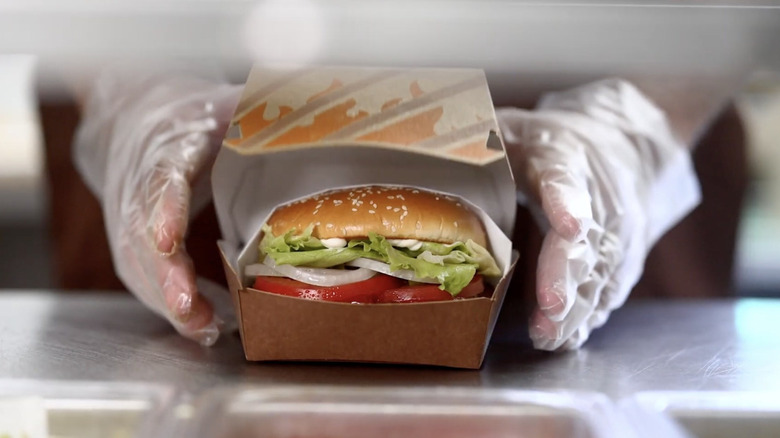
In February, Burger King shook up the fast-food world when it announced some significant upgrades to its iconic Whopper. The changes came in response to customer feedback received by the company's president and are the first updates made to the Whopper recipe in almost a decade. BK's goal was to create a superior Whopper experience, so it set about replacing the old bun and mayonnaise with tastier, premium versions. The burger also now comes in a sturdy box instead of a paper wrapper.
Updating the Whopper appears to have been the right decision because, so far, the response from customers has been broadly positive. The move also resulted in a 20% increase in Whopper sales, helping contribute to a second-quarter same-store sales increase of 8.5% in the U.S. — the company's best sales performance in three years (per Restaurant Business).
Fast food chains are leaning heavily into beverage innovation
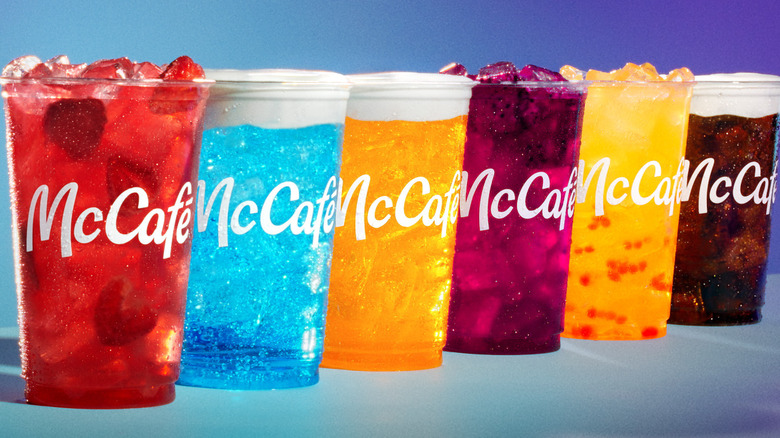
This year, the fast-food industry has been laser-focused on beverage innovation. Taco Bell expanded its beverage-forward Live Más Cafe imprint and Chick-fil-A launched Daybright Coffee. McDonald's shuttered its short-lived CosMc's spinoff brand and has since rolled out a new line of flavored Refreshers, crafted sodas, and Energizers under its McCafé sub-brand. In fact, it's one of several chains that have added new Refreshers and/or dirty sodas to their lineups over the past year, including White Castle, Chick-fil-A, Sonic Drive-in, and Dunkin'.
According to Tastewise, a food and beverage consumer insights website, the number of posts about dirty sodas has grown by over 265% on social media over the past year. On top of that, the recent Datassential Non-Alcoholic Beverages report found that interest in Refreshers is expected to grow by 35% over the next four years, so it's unlikely this drinks boom will disappear anytime soon.
Burger King introduced new chicken nuggets and sauces
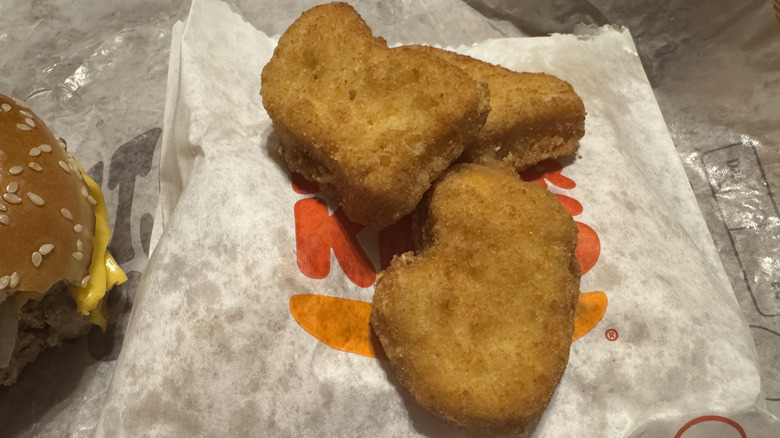
In a continued bid to improve the customer experience, Burger King has spent 2026 ramping up its listening initiative. In February, it gave fans direct access to president Tom Curtis, who then used the feedback to overhaul several popular menu items, including the chicken nuggets. Customers felt the previous nuggets were disappointing, calling them dry and rubbery.
The new recipe features 100% white meat chicken flavored with a richer marinade and coated with crispier breading. However, despite the chain's efforts to revitalize its nuggets, the response has been pretty mixed. It appears there are some die-hard BK nugget fans who want the chain to go back to the old 1990s recipe. "I miss the pepper taste of way back," reminisced one customer on Reddit.
To coincide with the new nuggets, Burger King introduced a new, limited-time Special Savory sauce that contains BBQ seasoning, ketchup, garlic, onion, and black pepper. It also decided to refine its existing honey mustard, Buffalo, and Sweet & Sour sauces. The new honey mustard has a richer flavor and creamier consistency, the Buffalo sauce has been given a buttery boost, and the Sweet & Sour sauce tastes brighter with a better blend of sweet, tangy, and savory flavors.
KFC dumped Pepsi for Coca-Cola
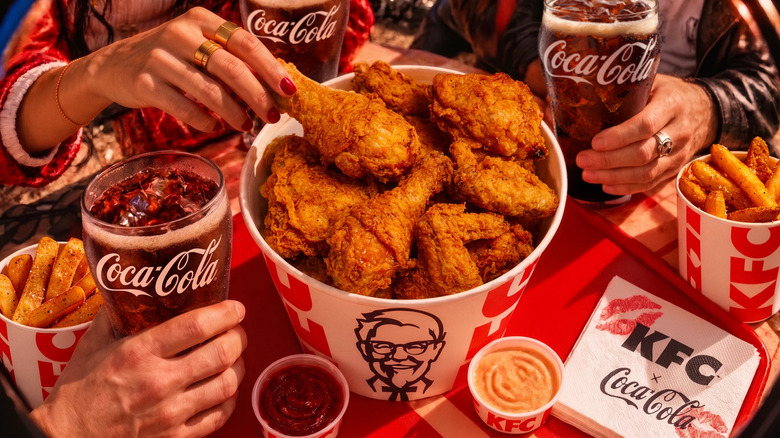
In one of the most surprising moves of 2026, KFC announced plans to ditch Pepsi for Coca-Cola, bringing an almost 40-year partnership to an end. According to a joint announcement made in October, Coca-Cola beverages will start appearing at KFC's 3,600 U.S. locations from January 2027. This is the first time KFC will be selling Coca-Cola products stateside. However, Pepsi will remain the chain's exclusive beverage partner for all overseas restaurants.
It's still unclear if there was something specific that prompted KFC to end its decades-long partnership with Pepsi, but Catherine Tan-Gillespie, president of KFC U.S., calls it "...another important step in our work to evolve KFC, strengthen our restaurants and create a more relevant experience for today's customers." That seems to hint that KFC and Pepsi are no longer on the same page regarding the chain's future goals in the U.S. Either way, this is a pretty significant milestone in fast food history. In the age-old battle between Coke and Pepsi, it looks as if Coca-Cola wins this round.
Protein-boosted items have been popping up on fast-food menus
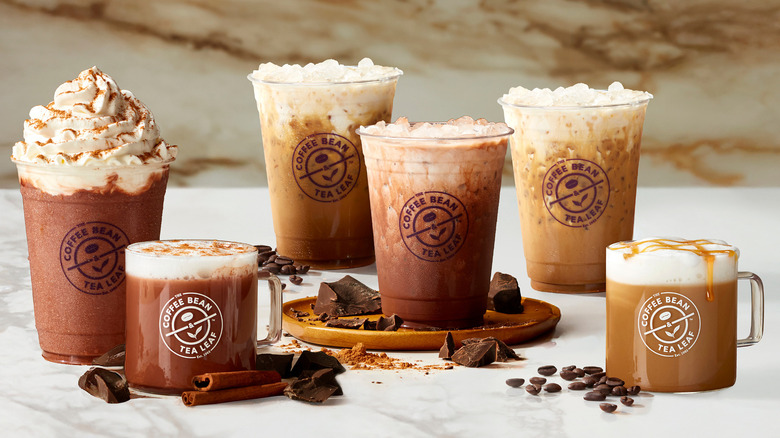
The jury is still out on whether protein-added foods are actually helpful. But one thing we do know is that they've taken over the fast-food industry, from Dunkin's protein-boosted Refreshers and Coffee Bean & Tea Leaf's Protein Lattes to Subway's meat-stuffed Protein Pockets, to name a few. The trend doesn't appear to be slowing down any time soon, either.
It seems that the United States' new nutrition policy might have something to do with this trend. On January 7, 2026, the Trump administration released the 2025–2030 Dietary Guidelines for Americans. Among the revised federal dietary guidelines was the recommendation that Americans consume 1.2–1.6 grams of protein per kilogram of body weight per day — nearly double the recommended amount from previous years. While the U.S. protein trend technically predates the new guidelines — consumption rose from 48% in 2019 to 61% in 2024 among Americans who reported increasing their protein intake (per Cargill's 2025 Protein Profile) – this newfound push has likely contributed to its growing popularity within the fast-food industry.
KFC has been testing breakfast items and table-side service in Texas
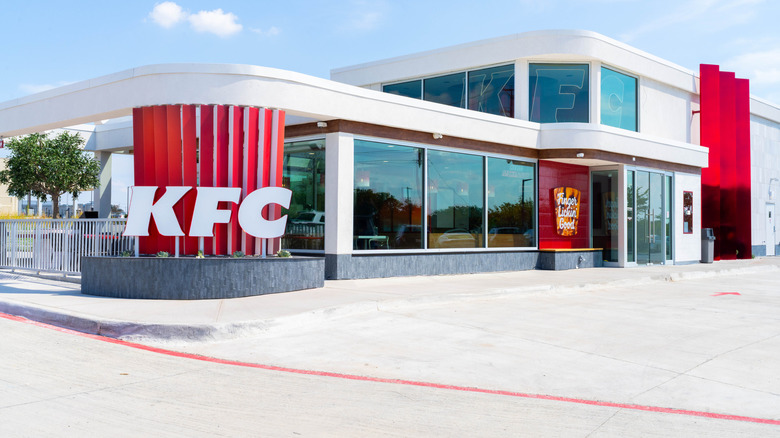
KFC has its sights set on the future. The chain opened a new location in McKinney, Texas, earlier this year, but unlike a typical KFC restaurant, this one's a test site for a new dining concept that reimagines the customer experience. Called Open House, it offers several things you won't find at a standard KFC. This includes a breakfast menu, later opening hours, and an expanded beverage menu with boba refreshers and specialty milkshakes. There are also new chicken tenders, sauces, and side dishes, along with tableside service, a double drive-thru lane, and a mobile order pickup station.
In many ways, Open House harkens back to the heyday of fast food, when customers would actually stay to eat indoors. There's even a photo booth and branded merch section. To further enhance the customer experience, orders will be streamlined via automation to allow extra emphasis on hospitality. Christophe Poirier, KFC's chief concept officer, likens Open House to an Apple Store or luxury retailer, where customer service takes center stage. The chain is yet to reveal whether Open House is a permanent concept, whether it will open more locations, or which features will cross over to existing KFC restaurants.
Wendy's brought back its classic yellow packaging
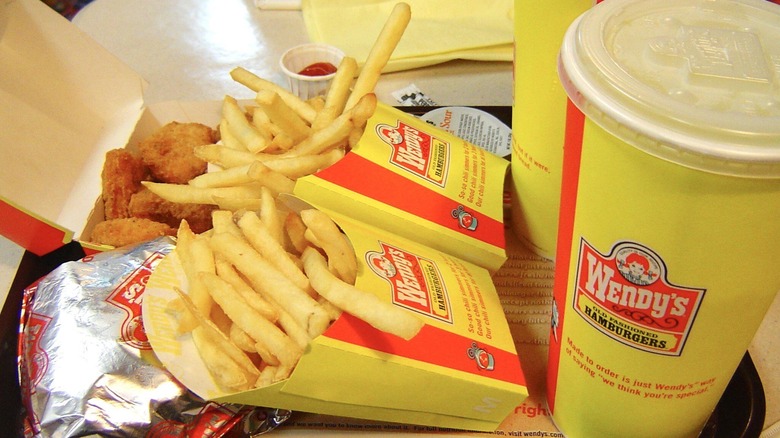
Things aren't looking too good for Wendy's. According to its first-quarter W2026 earnings report, global system-wide sales dropped 5.5%, while the second quarter report shows they declined a further 6.5%. Wendy's isn't going down without a fight, though. The company's strategies so far include appointing a new CEO, launching its Biggie Deals combo meals, and leaning into customers' nostalgia by reintroducing its iconic yellow packaging.
The return of the old-style branding was announced in an X post in October with the caption, "It's true, yellow packaging is back. It's also true, that's not enough. Consider this a sign of change to come." The packaging, which was one of the chain's most recognizable brand elements, was phased out in 2012. It'll definitely take a lot more than bringing back the old packaging to get Wendy's back on track, but little changes like this may indicate a renewed focus on the customer experience.
AI-powered drive-thru tech has served up mixed results
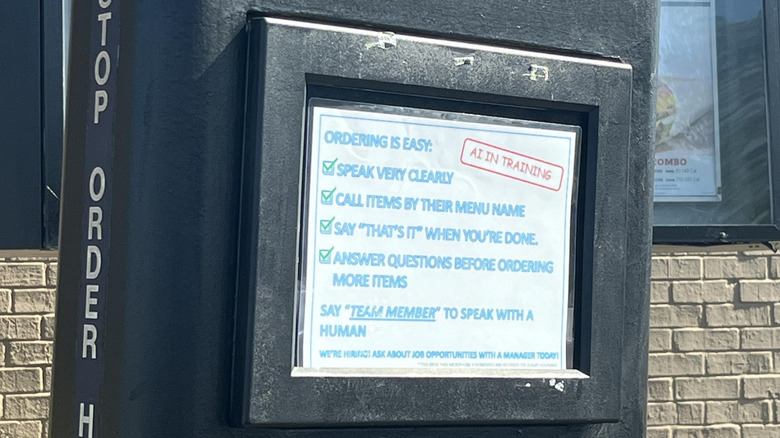
Artificial intelligence has infiltrated the fast-food industry. In 2022, Checkers & Rally's became one of the first major fast-food chains to implement AI tech in its drive-thrus. A year later, McDonald's, Burger King, White Castle, Del Taco, Taco Bell, Popeyes, Carl's Jr., and Hardee's followed suit. The general assumption was that AI would not only improve the customer experience but would also increase sales by streamlining the ordering process. However, the purported benefits of using artificial intelligence are yet to be seen.
Burger King, for example, has decided to slow down on adding AI-assisted drive thrus to its locations after receiving complaints from customers. The chain found that some customers don't like talking to AI bots and have driven off to avoid engaging with one. Yum Brands, which owns Taco Bell, has also pulled back on its AI push. Besides receiving customer complaints, the system has also proven fallible, with one prankster managing to order 18,000 cups of water as a joke. Chick-fil-A announced that it has no plans at all to add AI to its drive-thru lanes; however, the chain revealed it is still exploring other uses for the technology.
The price of fast food continues to rise
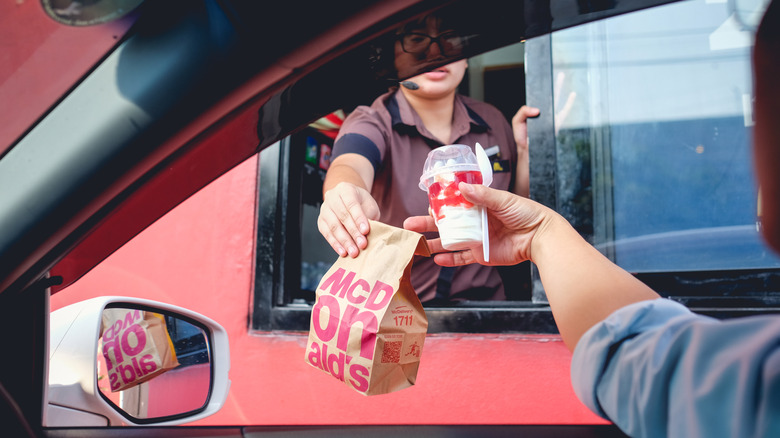
Let's face it — fast food isn't the affordable option it once was. According to the USDA, the cost of food-away-from-home rose 3.5% from August 2025 to August 2026. Next year, the price is expected to increase another 2.6%. Fast food chains were famously known as the cheaper dine-out option, but in 2026, budget-conscious customers are avoiding overpriced chains, including McDonald's, Wendy's, Chick-fil-A, and Taco Bell. It's gotten to the point where many feel that sit-down restaurants offering limited-time deals, food specials, and free refills offer more value than fast-food restaurants.
According to FinanceBuzz, the average fast-food menu price increased between 39% and 100% from 2014 to 2024, something which definitely aligns with what customers are experiencing. People have reported paying nearly $200 for a 30-piece Signature Fried Chicken meal at Popeyes, while a Subway footlong that used to cost $5 can now cost between $15 and $25 without a coupon, depending on the location. Prices at McDonald's have gotten out of hand, too. "For my family of 4 it cost about $48. I fed my family at the local Italian restaurant for $50 (we had a veal dinner too). It's crazy the prices McDonald's is charging," said one Redditor. There's also been significant backlash against the fact that its hash browns can cost as much as $4 apiece. Ultimately, with fast food getting more expensive, it's no surprise that chains are doing what they can to convince customers that it's still worth the money.