

5 Disadvantages Of Buying Meats From Butcher Shops
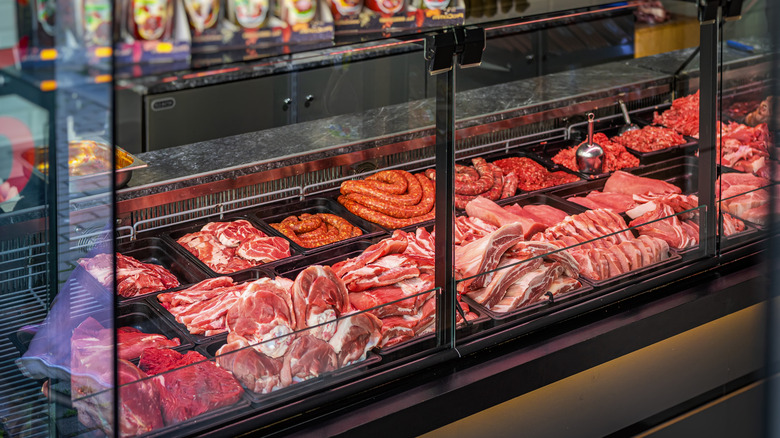
Whether you shop at a small local market or a national chain, chances are you can get most of the groceries you need in one place. Grocery stores try to meet most of your shopping needs through departments like produce, bakery, and frozen foods. But just as a neighborhood bakery may offer specialty breads and baked goods, a butcher shop can provide you with cuts of meat and personal service that your grocery store may not be able to offer. For many customers, the butcher's is a superior option, and some chefs even recommend buying meat there instead of at a supermarket. However, some shoppers may feel that butcher shops have their own disadvantages.
Even the best butcher is going to have problems to overcome, just like any other store. For our purposes, we checked out forum discussions and articles to identify some of the most common complaints people have with butcher shops compared to grocery store meat departments.
It's also worth noting that just because there are disadvantages doesn't necessarily mean it's a poor choice. Many of these drawbacks can be managed with some extra planning and effort. From concerns about price and selection to issues with labels or complaints, there are several reasons you might be reluctant to use a butcher. Understanding these potential problems can help you decide whether it is the right fit for your needs. In the end, you may find that the benefits of shopping at a butcher outweigh the drawbacks.
Prices may be higher than at a grocery store
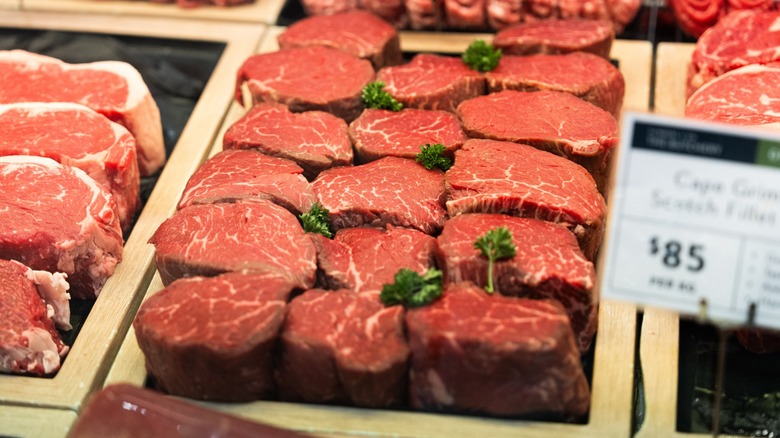
Some shoppers believe that a butcher shop is more expensive than a grocery store. In many cases, that's true. Your local butcher may source meat from small local farms, while a company like Walmart has a massive supply chain that can supply hundreds of stores. Because Walmart can purchase so much meat and operate its own processing plants, it can reduce costs. This creates a snowball effect for independent butchers because there is only a finite amount of meat available. If Walmart buys up a huge portion of available cattle, there's less for the smaller businesses who then pay even more because demand increases.
For many shoppers, higher prices are the bottom line. But for some, the trade-off for better service is worth the higher price tag. Butchers may offer higher-quality meat. Most supermarkets do not have skilled butchers on staff who are able to provide custom cuts of meat. Also, a knowledgeable butcher can tell a customer exactly where every cut came from, something much harder to establish at a chain store.
Your butcher can recommend which cuts work best for different dishes and cooking methods. They can also offer preparation tips, introduce you to rarer cuts, and may be able to offer bulk deals to help lower overall costs. To get even more value, we asked butchers about ways to save money at a butcher shop, so there are some extra tips for stretching your dollar further.
The selection may be worse than the grocery store
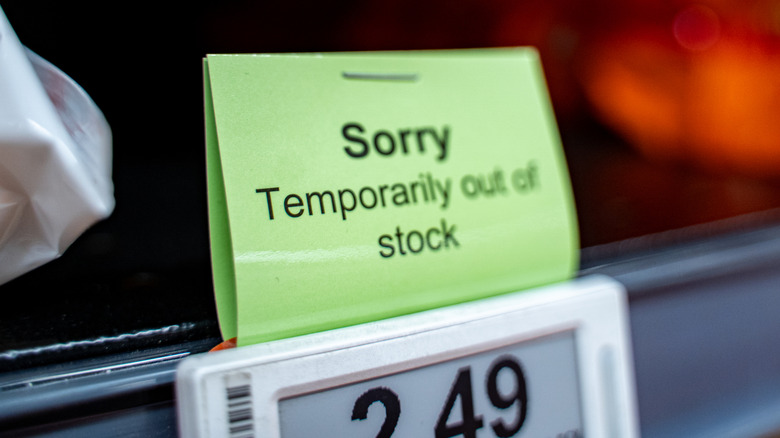
In a large chain store, the meat department may stretch along an entire wall with additional refrigerated cases displaying even more products. Your local butcher's entire shop may be smaller than the shelf space Costco devotes to displaying meat. That means a small butcher often has less stock available and a narrower selection. A smaller shop has less room for inventory, so popular cuts may sell out sooner than they would at a supermarket with more stock on hand.
Some shoppers on Reddit have expressed frustration over trying to find local butchers that offer the cuts they want, but there are ways to work around that problem. Some butcher shops go out of their way to accommodate the unique needs of customers, such as facilities to process game for hunters. Butchers may also develop new items and cater to requests. Techlifetoday reported on one butcher shop in Edmonton, Alberta, that started making Hawaiian sausage and pepperoni based on customer feedback, which shows how these smaller shops can expand beyond the expected inventory to offer unique items even big stores don't have.
As we covered in our list of things to know when you first visit a butcher shop, you may be able to place custom orders. You can request cuts in any size you want or ask the butcher to order less-common cuts that aren't normally stocked. It just takes some planning ahead and getting to know the butcher to make it happen.
It's a separate stop with different hours
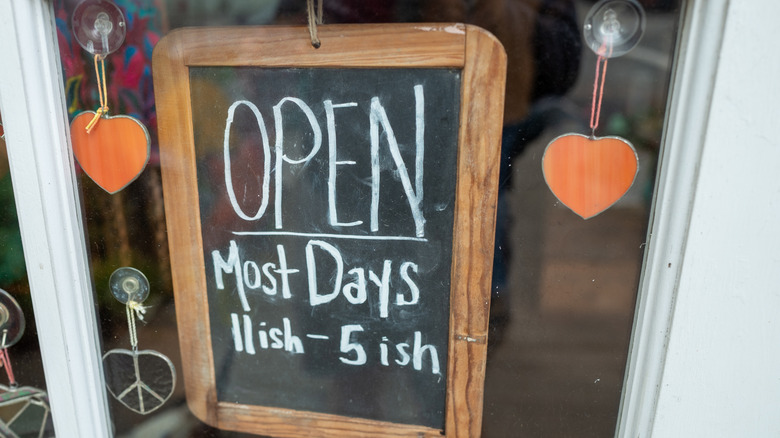
Grocery stores were born of convenience. In the past, shoppers had to visit a baker, a butcher, a fishmonger, and a general store to buy everything they needed. As cities grew and shopping at several different stores became less convenient, supermarkets offered an easier way to get everything in one place. Today, the idea of visiting a butcher in addition to a grocery store seems inconvenient. You have to make a separate stop, possibly at a store with limited hours of operation, costing you both time and fuel. There's also no guarantee you'll have a butcher shop within reasonable driving distance. The grocery store is therefore far more convenient.
If you still want the service and quality a butcher can provide, a little planning can make shopping there easier. Since many butchers may only work during standard business hours making it hard to get to them during the work week, look for butchers that offer online service. You can order meat online and have it cut, packed, and delivered to your door. Or you can arrange a time when pickup is convenient for you, like on a weekend. Additionally, many butchers offer bulk meat deals so you can stock your freezer once and not need to visit again for some time.
There's less readily available information
In a MoneySavingExpert forum discussion, one commenter said, "There are two butchers close to me, and quite often neither of them even have a sign saying what the meat is, they just have a sign saying how much it costs." The poster concluded, "Most people won't go in and ask for the meat because they may have the embarrassment of changing their mind when they find out the price." Similar complaints appear in other online discussions, including one where a customer noted that a butcher advertised package deals without displaying any prices.
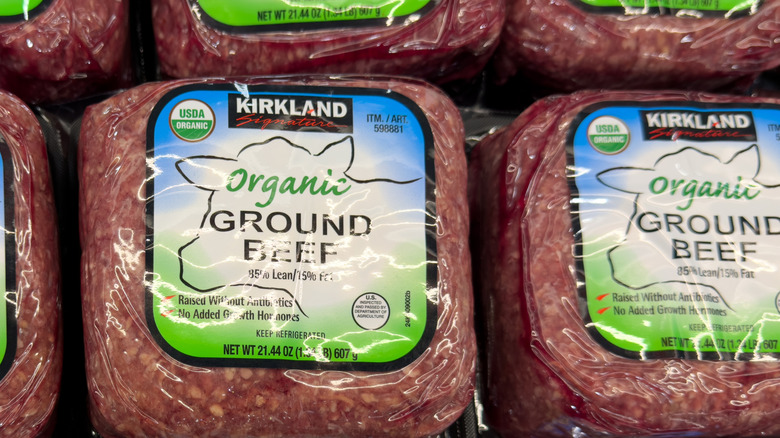
In the U.S., butcher shops are not required to display country of origin information about the products they sell. A vacuum-sealed package of steaks at your local grocery typically shows the price, cut, and weight. It could also list grade, packaging date, and maybe even cooking instructions and nutritional info.
Though not everyone is comfortable doing so, you need to ask your butcher questions. A good butcher should be happy and able to answer your questions about everything they sell. They should be able to tell you where the meat comes from, which cut it is, and how much it costs. Your butcher should also be able to make recommendations for preparation and even side dishes, and offer info above and beyond whatever is on a traditional grocery store label.
Complaints may be harder to resolve

Complaining at a store about price or quality can make people uncomfortable and anxious. According to a 2023 survey from Grocery Business, over 39% of people who notice an error on their receipt but don't complain felt it just wasn't worth it. Over 31% said they didn't have the time to deal with it.
Chain stores often have formal return policies and established procedures for handling customer complaints. You'd also be dealing with a customer service person or a manager rather than the store owner like you might at a butcher, so it could feel less personal and confrontational if you have complaints. A Redditor posted about receiving what they felt was the wrong cut of meat from a butcher that may have intentionally provided the wrong item, but said they accepted it because they felt awkward. Other Redditors have written about butchers they felt had scammed them. Experts recommend telling your butcher if you're unhappy with anything because loyalty is a cornerstone of the industry.
Finding a trustworthy butcher is much like finding a reliable mechanic, accountant, or hairstylist. There are going to be unscrupulous ones. You'll need to do some research and look for a butcher with a good reputation and consistently positive customer reviews. Ask how the shop handles customer complaints so you know what to expect if something goes wrong.