

Why Bottled Water Is Not Worth It In 2026
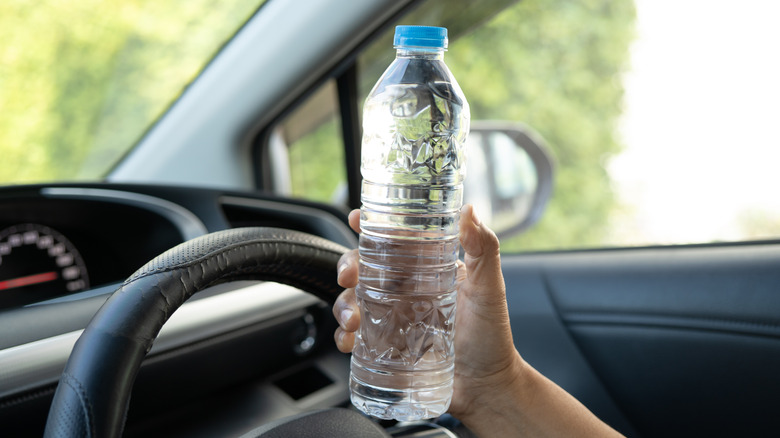
Bottled water is a massive business, but even as the industry continues to grow, there are plenty of reasons to be skeptical of it. Multiple surveys have found that anywhere from 50% to 60% of Americans are at least somewhat nervous about the quality of their tap water — and bottled water sales are still through the roof. In 2024, the International Bottled Water Association revealed that Americans spent $49.9 billion on over 16 billion gallons of bottled water. But is it worth it?
Despite what some may believe, the health claims used to sell bottled water are not actually very accurate. Recent research has shed more light on the health risks and environmental damage that come from drinking bottled water. No matter how it looks, bottled water probably isn't as pure as you imagine when picturing that clear, mountain stream. In fact, a significant percentage of bottled water is just tap water itself.
The more you dig, the more it looks like favoring bottled water over tap is just a bad idea. But price is also a huge factor for many. Bottled water can cost potentially anywhere from 600 to 2,000 times more per ounce than tap. So, what are you really paying for with the money you're burning on bottled water in 2026? Maybe it's time to rethink the bottle entirely.
Bottled water isn't any safer or healthier than tap water
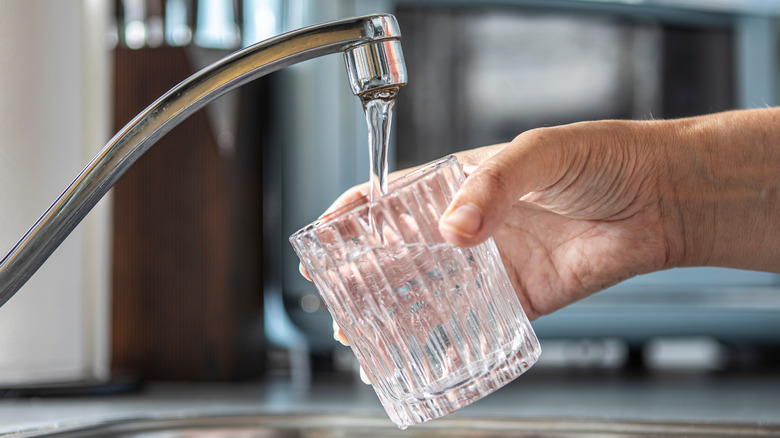
While some just prefer the taste of a specific bottled water brand, a main reason why many drink it is the idea that it's supposedly safer than tap water. The problem is that there is no evidence of this. Studies from organizations like the Natural Resources Defense Council (NRDC) and World Wildlife Fund (WWF) have found this going back as far as 1999. The quality of American tap water — considered some of the safest worldwide — is regulated by the Environmental Protection Agency (EPA). On the other hand, the Food and Drug Administration (FDA) oversees bottled water, and while it also sets safety standards, they aren't considered as strict.
This doesn't mean that tap water is perfectly safe, just that bottled isn't necessarily better. About 92% of all American municipal tap water meets all safety standards, according to the EPA, but that obviously means that some may contain contaminants like germs and chemicals. EPA standards also can't tell the quality of the plumbing in your home, so even if the tap water is safe, older homes with lead pipes may have issues. In those cases, bottled water may be safer.
That said, bottled water is sometimes far from pure itself. Even spring bottled water can contain contaminants like lead and arsenic. In fact, a study from the NRDC showed 22% of bottled water brands tested contained chemicals above local health regulations.
Microplastics and other chemicals can leach in bottled water
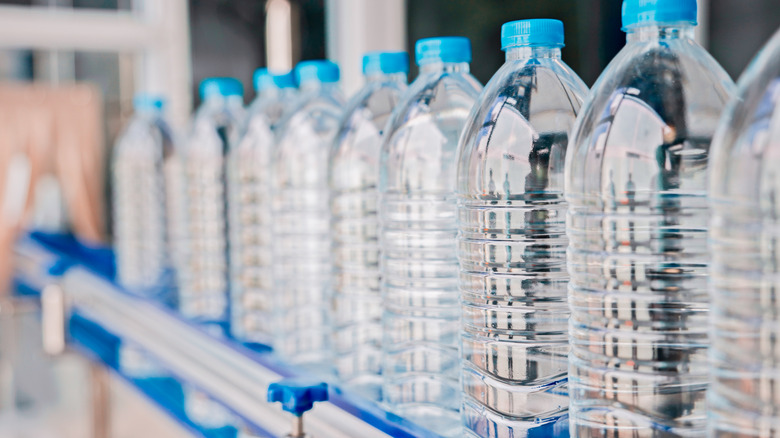
In 2026, microplastics are probably the top concern when it comes to bottled water — and for good reason. Several studies have shown that bottled water contains substantial amounts of plastic, and far more than tap water. A 2025 study in the Journal of Hazardous Materials found that microplastics in bottled water varied greatly but could rise to over 6,600 particles per liter. According to the National Institutes of Health, even smaller plastic particles called "nanoplastics" can be found in bottled water, with just one liter containing 240,000 tiny pieces of plastic.
This can come from the manufacturing process, and from plastic bottles leaching them into water, which gets worse when bottles get warm since hot plastic breaks down faster. Heavy bottled water drinkers consume more than twenty times as many microplastics as someone drinking only tap water. The health effects are still being studied and are not definitive yet. However, early research has found potential links to a host of health issues, including weakened immune systems, inflammation, cell damage, and digestive and reproductive harm.
While plastics are the biggest concern, they aren't the only health issue associated with bottled water. The plastic used in the packaging has been found to leach other toxic chemicals, and even heavy metals, into what you drink. That's no small thing.
Bottled water is worse for the environment
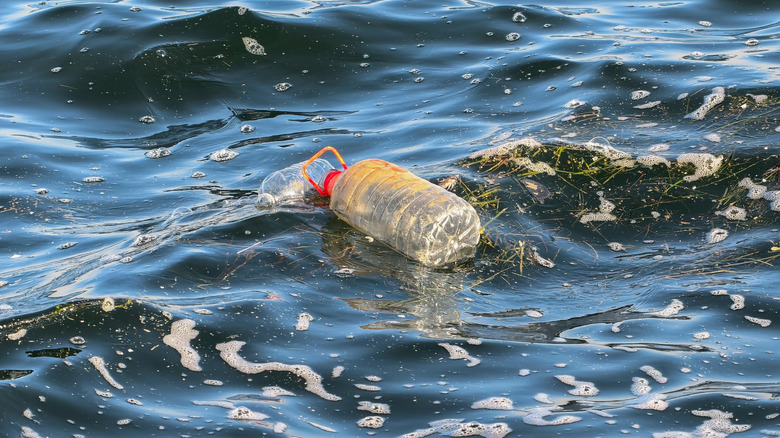
Bottled water may be a problem for your body, but it's also a problem for the environment. The most obvious is the massive use of disposable plastic. It takes upwards of around 47 million gallons of oil a year to produce water bottles, which is the equivalent of powering 1.3 million cars. That amounts to around 4 billion pounds of plastic — and most of that waste is not recycled. Beyond the waste, both the manufacturing and disposal of those plastic bottles also pollute groundwater.
While plastic pollution is the worst part, it's not the only problem. There is also a massive amount of fossil fuel and energy needed to move bottled water from the source to you. For just one case, Fiji Water comes from one source over 6,000 miles away from the U.S. — all that for something you can just get from your tap. Bottled water that is taken from natural springs often overuses them and causes them to run dry.
Of course, lots of the plastic waste we generate ends up in the ocean as part of the over 20 million metric tons of plastic that leak into rivers, seas, and lakes, contributing to microplastics in the marine ecosystem. Altogether, a 2021 study from the Barcelona Institute for Global Health found that the impact on the environment for bottled water is upwards of 1,400 times greater than tap water. Time certainly won't do the globe any favors, so make 2026 the year you move past the bottled stuff.
Filtering water is effective and much cheaper
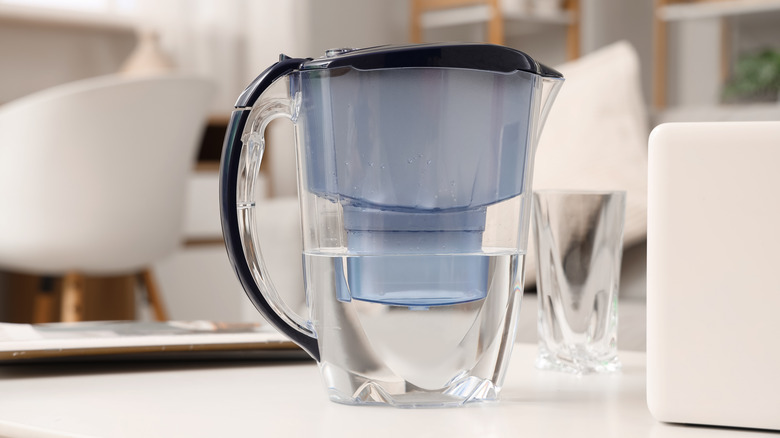
While tap water is typically clean and safe, there are some places where it may be contaminated, especially with private wells. Still, you may just not trust the government's promises about clean water. But even then, you have a much better alternative to bottled water: using a home water filter. Water filters, both built-in and good water pitcher filters like PUR and Brita, can remove contaminants from your tap water, and you can even buy specific filters for certain contaminants if you know what issues your water has.
These devices can also improve taste by removing impurities. Even paying for those filters, the savings can be huge. Under-sink options that are built directly into your kitchen can cost pennies on the dollar compared to buying bottled water. And even pitcher filters, which require buying refills several times a year, can still save you quite a bit. If you drink three glasses of water a day, the cost of pitcher filters can be considerably more affordable, even compared to brands like Aquafina and Dasani.
Bottled water is a big business, and many have been convinced that it's the best option for pure water. But the reality is that no matter your situation, in 2026, it's almost never the best solution. Test your tap if you're worried, buy a filter if you need, and grab a few reusable water bottles — you'll be better off while spending far less money.