

5 Disadvantages Of Side-By-Side Refrigerators You Need To Know Before Buying
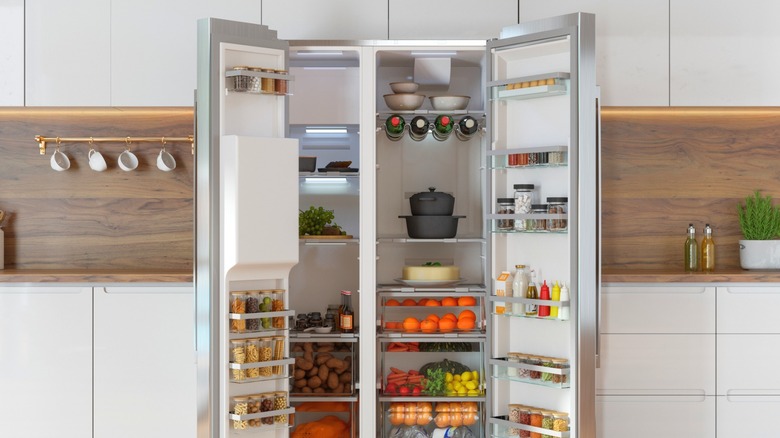
Like with any major appliance, choosing a refrigerator starts with narrowing your search down to the best refrigerator brands. Beyond that, there is one very important decision that needs to be made: top freezer, French door, or side-by-side? Each style has its pros and cons, but if you're reading this, then you are probably leaning toward side by side and want to know that style's most common issues to see if you should rethink that path.
Before we detail the negatives of a side-by-side fridge, let's look at the positives first. Side-by-side fridges are typically cheaper than French door fridges while offering similar capacity; they typically have external ice and water dispensers; they are generally the narrowest type of fridge, so they can fit in smaller spaces; and they offer equal fridge and freezer visibility and access.
However, side by side fridges also present several challenges that you should be aware of before deciding if they are right for your home kitchen. Fridges aren't cheap, and having one installed — as well as removing the old one, if applicable — isn't an insignificant amount of time, effort, or expense. So you should definitely spend an adequate amount of research before you choose one.
A side-by-side fridge's narrow compartments mean limited horizontal space
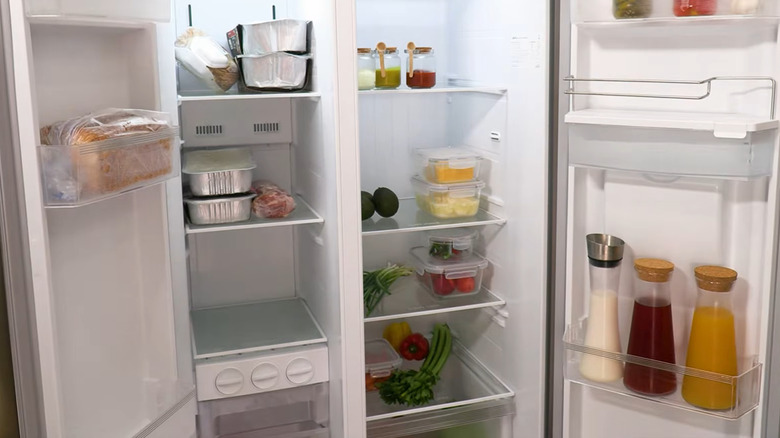
One of the eternal struggles for anyone with a kitchen is how to achieve optimal fridge organization, but this can prove especially difficult with side-by-side fridges, given the inherent verticality of their design. Since the horizontal space between the fridge and freezer compartments is split in half, each side is extremely narrow — far more so than any other type of fridge. While this isn't an issue with smaller items, good luck trying to fit something like a large take-and-bake pizza or that serving platter full of hors d'oeuvres that you want to chill in the fridge side. Likewise, you'd better hope any bulk frozen items in big boxes have smaller bags inside for the freezer side. Even if you are a whiz at making the most of the space — albeit not often — there will inevitably be things you literally cannot buy because your side-by-side fridge is simply too narrow for them to fit.
To be fair, side-by-side fridges can go pretty wide, and some of the largest non-commercial models, such as those that come in at 48" wide and offer upward of 30 cubic feet of storage space, somewhat mitigate this issue. However, you'll have to pay a premium for such models, not to mention ensuring you have the space to fit a fridge that big in the first place.
You can't put all your fresh items at eye level
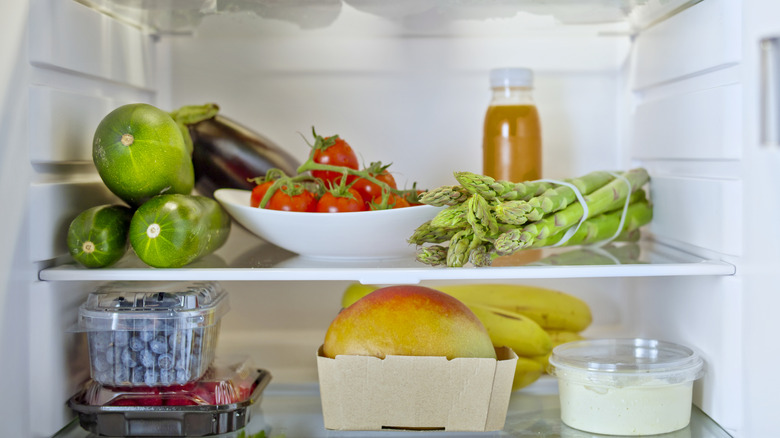
When organizing your fridge for fresher produce, it's recommended that you keep things like fresh fruit, milk, or anything else that is best consumed quickly and has the shortest shelf life at eye level when you open the fridge. That way, you see it every time you go into your fridge, making sure you don't forget about it. Unfortunately, with a side-by-side fridge, the shelves that are at eye level are much smaller, so they likely won't fit all of those types of items at eye level. This is especially true if yours is the type of household that has a gallon or two of milk on hand at all times, which takes up more than half the available real estate of a single shelf.
As a result, you're left having to either spread the fresh items across multiple shelves and risk having some of them get forgotten about, or simply buy less fresh produce to begin with. In either case, it feels a bit like a lose-lose situation for those who want their fridge stocked with as much fresh food as possible.
You need to allow space for both doors to open
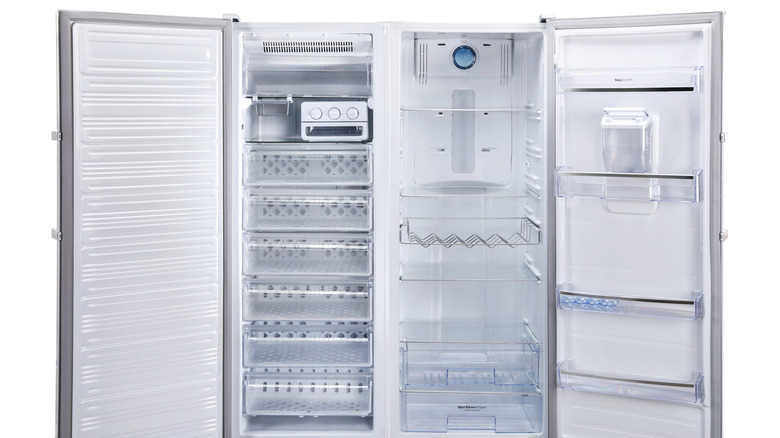
Full disclosure, this is also an issue with French door refrigerators, as they too have doors that open out on both sides. It's really only the classic top- or bottom-mounted freezer models of refrigerators that have doors that open only one way. Still, those looking to buy a side-by-side fridge need to be aware of the fact that they have to place them in the kitchen in such a way that allows both doors to freely open out.
Putting a side-by-side fridge in the dead corner of a room is immediately ruled out (it could work if you leave a bit of space between the left side of the fridge and the wall, but it's not ideal), which is a huge issue if your kitchen was already configured for a fridge to be in the corner — common in many older kitchens. If that is a hurdle you don't have to worry about, you still have to give some thought to what is on either side of your fridge. Will the doors hit cabinets, tables, chairs, walls, or anything else when you open the fridge? Do any drawers or cabinets you might need to access simultaneously while your fridge is open become blocked when the fridge doors are open? Make sure to examine and address all of these possibilities before you get your brand-new side-by-side fridge installed and go to open one or both of the doors, and... uh oh.
Cold distribution can be an issue in side-by-side fridges
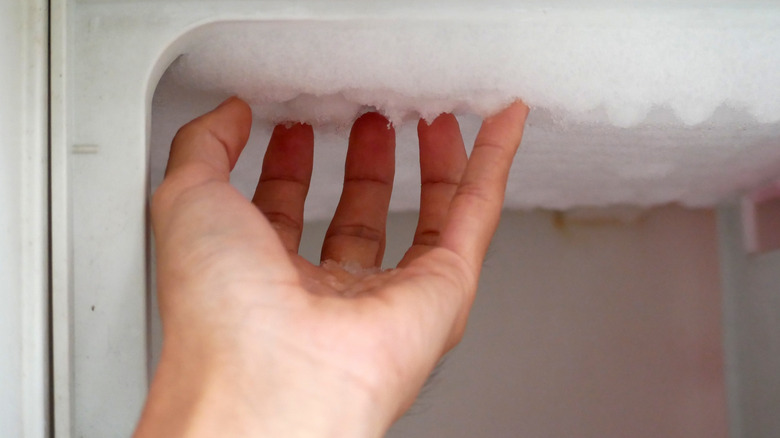
Everyone knows that heat rises. What you may not know is that this principle can also be an issue when it comes to cold distribution in side-by-side fridges. While this tends to be more true of older and/or cheaper models, it is still possible that you'll end up with, or already have, a side-by-side fridge wherein the colder air concentrates more toward the lower half of the fridge and leaves the upper half slightly warmer. This can affect both the fridge and freezer sides — in fact, the biggest reason your ice cream gets freezer burn is that it sits in the freezer at inconsistent temperatures. To avoid this, check the refrigerator's specs to see if it includes features like multi-level circulation fans that mitigate this issue, and consult owner reviews.
And speaking of the freezer, a fridge typically works by only actively cooling the freezer, while vents pull the air from the freezer into the fridge to cool the fridge half. This means you have to be careful not to have items pressed up against those vents on the fridge side if you want to ensure that cold air can come through, which can sometimes prove difficult given the already limited shelf space of a side-by-side fridge.
Ice and water dispensers require frequent maintenance
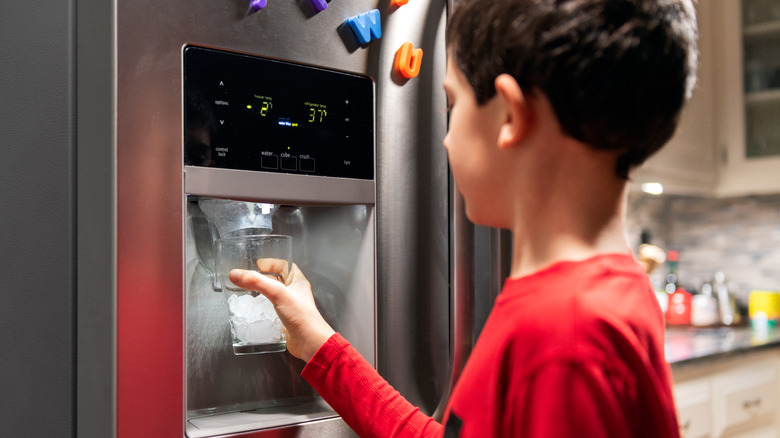
While not all side-by-side fridges have external ice and/or water dispensers, it is an extremely common feature — if not one of the main selling points — of this type of fridge. But the convenience of being able to get a glass of ice water at the push of a button/lever doesn't come without an asterisk. The more mechanisms, motors, and moving parts you have in any appliance, the more things there are that can go wrong, which is certainly true of ice and water dispensers (via Yale Appliance). Sure enough, Consumer Reports confirms that faulty ice makers and water dispensers are one of the first as well as one of the most common things to experience issues on refrigerators.
There is also the matter of how easy it can be to forget to clean your water dispensers as often as you should, inside and out. Not only does keeping everything clean help prevent those aforementioned mechanical issues, but it is also necessary for sanitary reasons. Mold can form in the various spouts and hoses of water dispensers over time, creating the potential for a serious health hazard. All this to say, if the idea of all that regular cleaning and maintenance turns you off, it's best to just forgo getting a side-by-side fridge entirely — or, at the very least, find one without those external dispensers. If not, and you can live with all of the other small issues we've mentioned, a side-by-side fridge may be an excellent option.