

The 10 Best Moscatos For Beginners

You'll always find wine consumers who make a point to specify they want a dry wine and absolutely refuse to drink anything with a hint of sweetness. However, for those in the know, sweet wines have just as important a role the table. They make an excellent aperitif, pair beautifully with desserts, and even make an unexpected accompaniment for plenty of savory dishes. Among the many sweet wines on the market, moscato is a well-known option that refers both to a family of grapes as well as to a sweet style of lightly sparkling wine traditionally from Italy. If you're looking to branch out from the usual crisp, dry wines and find something with a little more richness on the palate, moscato is sure to be a hit.
As a Certified Specialist of Wine, WSET Level 3 holder, and wine writer who enjoys sipping on a sweet moscato, I've put together a list of bottles that are perfect for beginners to try. This selection showcases a broad range, from more introductory styles to higher-end bottles, allowing your moscato discovery to span various options. Although moscato-style wines come from Italy, primarily in the region of Asti, I've included some bottles from a few different countries in order to highlight how this wine is produced around the world. Read on for the bottles of moscato that beginners need to try.
1. Ceretto Santo Stefano Moscato d'Asti
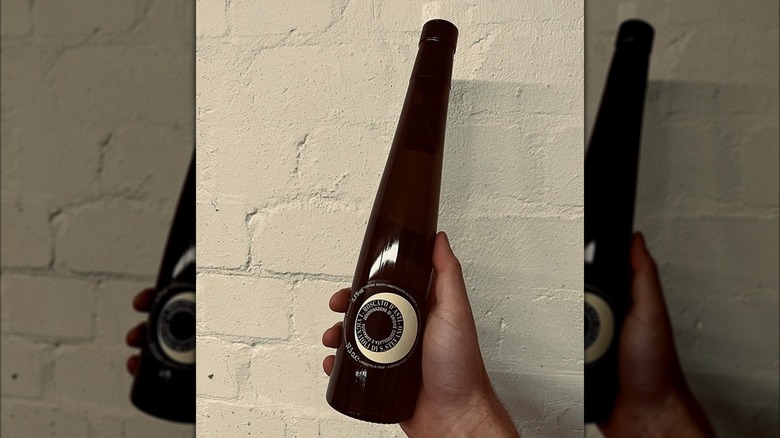
Ceretto Winery has several vineyards around the Piedmont region, including one in collaboration with other vintners in the town of Santo Stefano Belbo. This is where the winery's moscato grapes are grown, thanks to the optimal conditions for quality fruit. Furthermore, in the past decade, the winery has transitioned to organic viticulture, working to ensure balance in the ecosystem.
The Moscato d'Asti DOCG is made with 100% of moscato bianco grapes that are fermented in stainless steel tanks. This ensures the aromatic character of the fruit is preserved, along with its prized fruitiness and fragrance. The wine is fermented to 5.5% alcohol, leaving a notable sweetness on the palate that is balanced by a bright acidity, which prevents the wine from being cloying. Notes of melon, pear, orange blossom, honeysuckle, and jasmine are displayed in the glass. This elegant moscato highlights the potential of the sweet wine, whether it's your first time trying it or you've sampled plenty of bottles. It's a delight served chilled with light snacks or paired with hazelnut or stone fruit-based desserts.
2. Vietti Moscato d'Asti
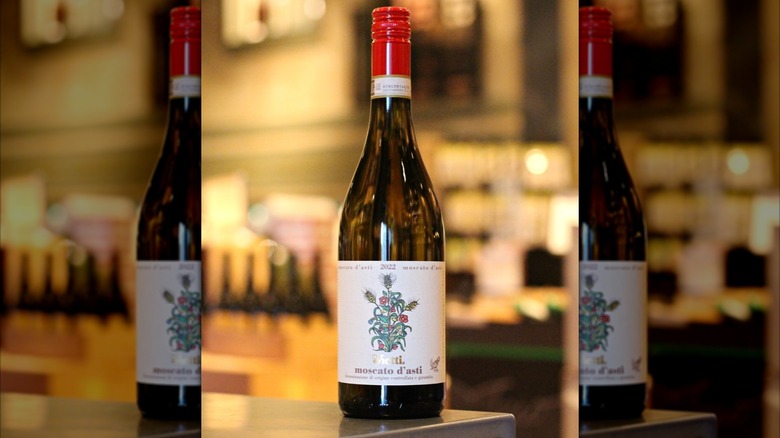
Vietti Winery, located in the Langhe region of Piedmont, dates back to 1800, and it has remained in operation in some form ever since. It was run by the Vietti family until recently, when it was sold to another family who has respected and maintained the founders' values. The Moscato D'Asti DOCG is made with 100% moscato grapes from vines of around 40 years of age that are grown in limestone and clay soils. The grapes are pressed at low temperature in stainless steel tanks. Fermentation occurs slowly until the alcohol level reaches 5.5%, leaving behind a wine with residual sugar.
Rich notes of stone fruit like peach and apricot are present on the palate, alongside floral aromas and a hint of ginger. The light effervescence and acidity balance the sweetness, ensuring the wine is pleasantly balanced in the glass. Vietti's moscato makes a stellar match for creamy desserts or paired with a spicy Thai curry. Thanks to a richly fragrant character and bright acidity, this wine is a true winner for anyone looking to discover moscato.
3. G.D. Vajra Moscato d'Asti
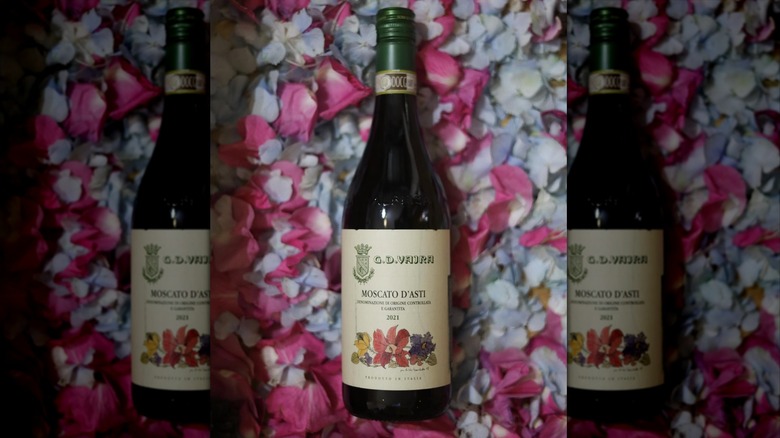
Located just outside of the prestigious town of Barolo is G.D. Vajra, a family-run winery that has been farming the land since the late 1800s. Modern production came about in the second half of the 20th century, soon moving to organic viticulture and innovations in the vineyard. Although the winery has evolved since its beginnings, it remains dedicated to tradition, and more importantly, to expressing the terroir at its fullest, whether it's the prized Barolo wines or moscato.
The Moscato d'Asti wine is produced with fruit from vines dating back to the 1960s. The fruit is harvested at peak ripeness in order to balance the fragrance and acidity. The grapes are then pressed and fermented over the next several months at cool temperatures to help retain their aromatic potential. The low alcohol level (5.5% ABV) and delicate, creamy mousse make this wine extra palatable, while the fresh fruit character shines through in the glass. Notes of apple, apricot, peach, musk, and elderflower are captured in this delightful Moscato d'Asti, which is sure to please beginners and moscato fans alike. Try it with an almond cake or a fruit tart for an absolute treat.
4. Fontanafredda Briccotondo Moscato d'Asti
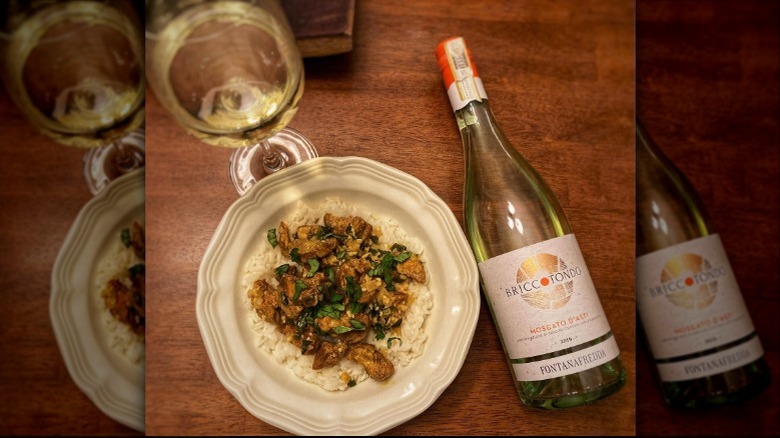
Fontanafredda was founded in the 1850s, slowly gathering vineyards under its ownership. Over nearly the past two centuries, it has been at the heart of innovation in Piedmont, paving the way for other producers in the area. In the last decade, it has become the largest organic grower in the region, highlighting its dedication to sustainable agriculture.
The fruit for the Moscato d'Asti DOCG is harvested from a few vineyard areas, then pressed. The must is chilled and filtered then undergoes fermentation until the alcohol level reaches 5%. Once bottled, the wine is ready for immediate consumption in order to preserve its fresh, aromatic qualities. Fragrant notes of musk mingle with orange blossom, herbs, honey, peach, melon, and a distinct grape flavor. With its light effervescence and fragrant palate, this bottle of moscato is a reliable option that is perfect for introducing consumers to the sweet wine. Serve it chilled as an aperitif or paired with your favorite sweet treat.
5. Michele Chiarlo Nivole Moscato d'Asti
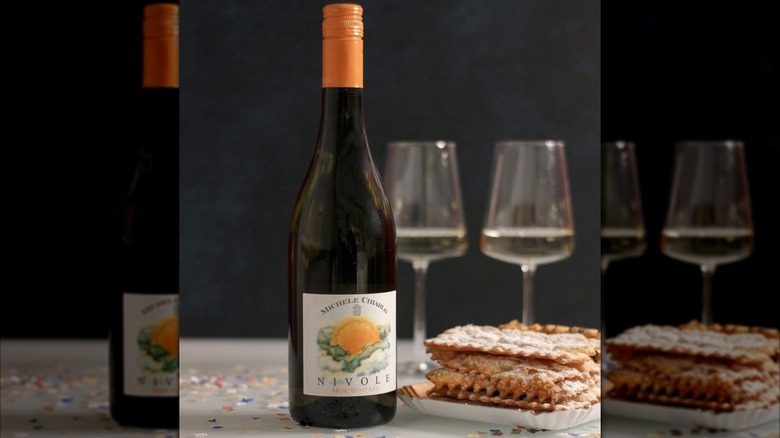
Since being founded in the mid-1950s, Michele Chiarlo Winery has accrued several vineyards across the Piedmont region in Italy, highlighting the diversity and quality found in the prestigious area. The winery is dedicated to sustainable viticultural practices, ensuring the environment thrives for years to come.
Michele Chiarlo Nivole Moscato d'Asti DOCG is made by pressing moscato grapes, then storing the juice at cool temperatures while it slowly ferments and develops a slight effervescence. Once it reaches an alcohol level of 5%, the wine is filtered and bottled, producing a dazzling take on moscato. The wine has a creamy texture and fine bubbles, with floral aromas of honeysuckle that mingle with hints of stone fruit like peach, nectarine, and apricot. Subtle notes of honey round out the palate, which remains bright and fresh with hints of citrus and a balanced acidity. Serve it with hazelnut or almond treats, fruit-based desserts, or a creamy cheese drizzled with honey.
6. Saracco Moscato d'Asti
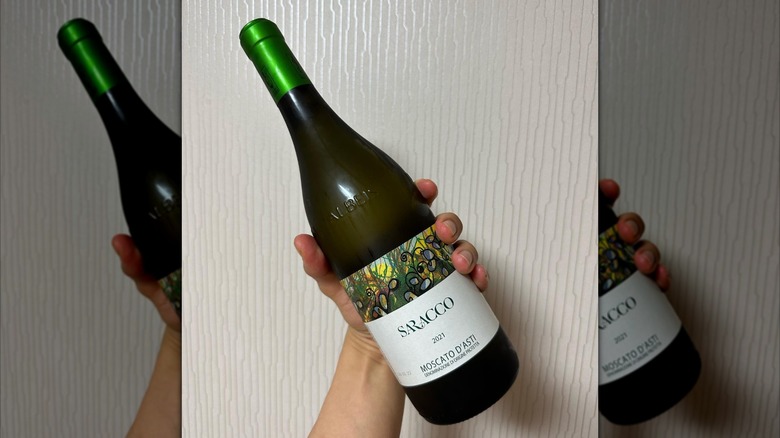
Since the early 1900s, the Saracco family has been farming moscato grapes in the Piedmont region of Italy, and by the end of the 20th century, it began making its own wines as well. Now, the Moscato D'Asti DOCG is a classic option that's perfect for introducing consumers to the style, as well as for serving to people already familiar with the sweet wine.
The wine is made with fruit sourced from a handful of different vineyards, which is then pressed and kept at cool temperatures in stainless steel tanks in order to ferment. It's then filtered to highlight the fresh fruit aromas and bottled for sale. Saracco Moscato d'Asti boasts bold notes of orange blossom, peach, apricot, nectarine, thyme, and honeysuckle, with hints of lemon zest and a gentle effervescence on the palate. Serve it with a creamy cheese with jelly, a spicy Indian curry, or a fruit and cream dessert.
7. Jam Jar Moscato
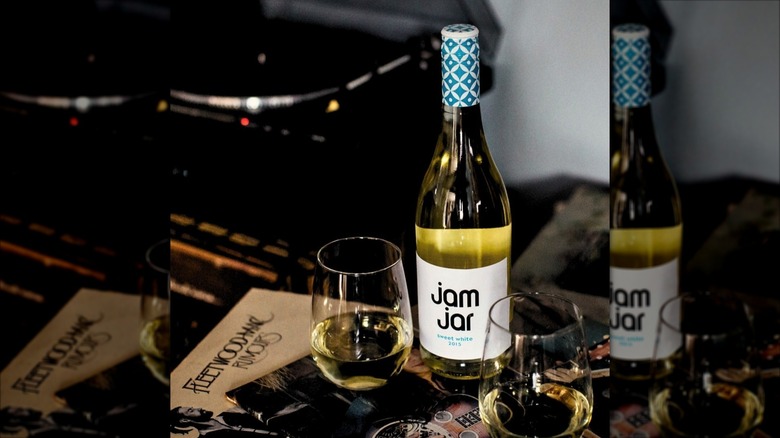
Although Piedmont in Italy is a major source of moscato worldwide, the sweet wine finds great success in South Africa as well. Located in the Western Cape, Jam Jar is committed to producing quality sweet wines from several varieties, including moscato, aka muscat. The Sweet White is its take on a classic moscato with a South African twist, minus the regulations required when making Moscato d'Asti in Italy. For this reason, the ABV is greater and the residual sugar is lower, though it remains a sweet, lower-alcohol option.
The wine is made with muscat grapes from almond-30-year-old vines grown in warm conditions, allowing the fruit to ripen fully. After harvest, the fruit is pressed and the skins are kept in contact with the juice for several hours to impart more aromas. The fruit is then fermented in stainless steel tanks to maximize the fragrance until the wine reaches an alcohol level of 10%. Jam Jar's moscato boasts ripe fruit notes of peach, lychee, and flowers, balanced with enough acidity to keep the taste fresh on the palate. Serve it with spicy dishes or as an aperitif with snacks.
8. Bartenura Moscato d'Asti
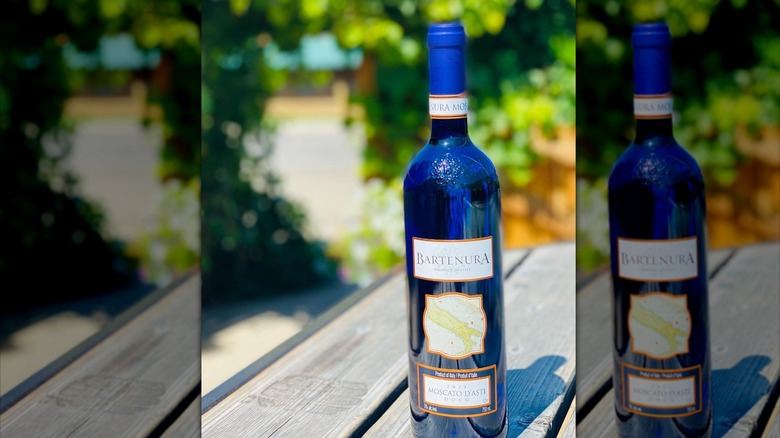
With its recognizable blue bottle, Bartenura Moscato d'Asti DOCG is hard to miss. What started as a Kosher wine directed to Jewish consumers in the '80s and '90s has since evolved over the past couple of decades. It has made it into the mainstream market, notably showing up in hip-hop music videos. The Italian brand produces several wines, but its moscato remains especially popular. Although it's produced in large volumes, it continues to follow all of the regulations of the Asti region in Piedmont.
Sticking to traditional winemaking methods, the moscato grapes are harvested early in order to ensure there's sufficient acidity to balance out the sweetness. The juice is then fermented in stainless steel tanks at cool temperatures to preserve the aromatic character. Bartenura Moscato is lightly effervescent and boasts notes of stone fruit like nectarine and apricot, pear, flowers, melons, and honey. With an ABV of 5%, it's perfect as a sweet aperitif or even as a brunch wine served with a stack of pancakes. Thanks to its widespread appeal, this is an excellent moscato to introduce beginners to the style.
9. Quady Electra Moscato Rosé
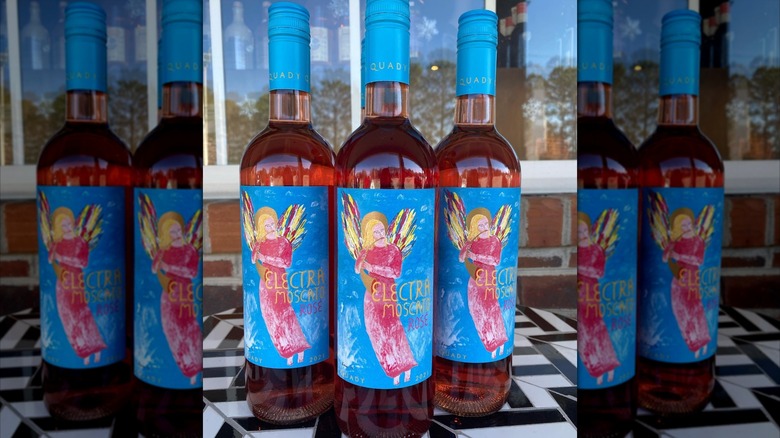
The Quadys found their way into the wine industry in the '70s in Madera, California, and by the end of the decade had developed an interest in the muscat grape. The beginning of quality moscato production soon followed. Over the next decades, various types of muscat grapes were introduced into the vineyards, and by 1990, Electra Moscato was released. The Electra Moscato Rosé wine is made in the same way as traditional moscato, leaving plenty of residual sugar and a subtle effervescence in the glass, along with a low ABV of 5.5%.
The wine is made with three grapes from the muscat family, including black muscat, which gives it its pinkish hue. The grapes are pressed and the juice is fermented at cool temperatures before being filtered and bottled for freshness. Notes of ripe strawberry, raspberry, dragonfruit, peach, citrus, and watermelon mingle on the palate. This rosé moscato is a winner for anyone looking to sample a twist on the classic style. Enjoy it with fresh fruit desserts, creamy pastries, or simply chilled and served solo.
10. Innocent Bystander Moscato
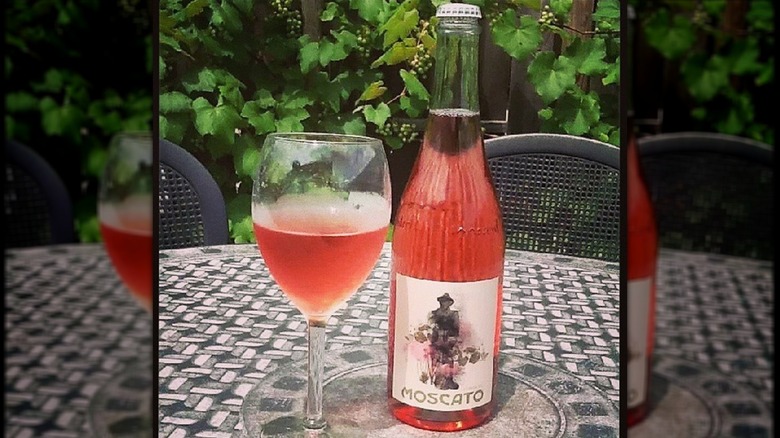
Innocent Bystander from the Yarra Valley in Australia has a crowd-pleasing line of wines that are perfect for all types of consumers. The winery likes to step outside the box, creating wines that are unique and offer a wide range of tasting experiences. The brand doesn't take itself seriously, which makes its sparkling moscato the perfect bottle for beginners to this style. The wine is made with two varieties of muscat grapes grown in the area of Swan Hill, Victoria, which imbue it with a blush pink hue.
The fruit is harvested, then crushed, and kept in contact with the skins at cool temperatures to further infuse color into the juice. It's then fermented in stainless steel tanks to ensure the aromatic character of the grapes remains front and center. The alcohol level of this bubbly wine sits around 7%, showcasing its distinct Australian identity. The wine boasts notes of strawberry, raspberry, blackcurrant, and violet, with a distinct essence of Turkish delight, citrus peel, and honeycomb. It's an excellent match for berry desserts or creamy cheeses served with fruit.
Methodology

To come up with this list of moscato wines for beginners, I drew from my personal experience with several of these wines. I selected classic bottles from the Asti region in Piedmont, which is the origin of this sweet, lightly effervescent style of wine. To showcase its diversity and broad appeal, I also included bottles from a few other countries around the world, where similar styles of moscato wine are being produced. These bottles are all crowd-pleasers, balancing sweetness and acidity along with a perfumed aromatic profile that beginners are sure to love.