

The 9 Best Red Wines For Every Type Of Drinker
Some people's wine preferences come down to a simple question of red or white, and while this is an okay place to start, it doesn't necessarily help you figure out what to order when you're at a restaurant or what to buy when you're at a wine shop. After all, different grapes, styles, and terroirs can all result in drastically different flavor profiles and even textures in wine. This means that until you open a lot of bottles and taste a decent amount of wine, it can be difficult to ensure you're getting a drink you actually enjoy.
That's why we're going to be taking a closer look at the best red wines for many different types of drinkers. Maybe you're the kind of person who just wants to open up a good bottle that will pair well with steak, or perhaps you like wine that has some fizziness to it (yes, sparkling red wine exists!). Either way, you should be able to find a wine here that meets your preferences. Of course, when it comes to wine, there's really no such thing as "best." But these picks should, at least, point you in the direction of a wine that could be up your alley. Luckily, tasting around for a specific bottle you especially like is a pretty fun endeavor.
Steak lovers: Cabernet sauvignon
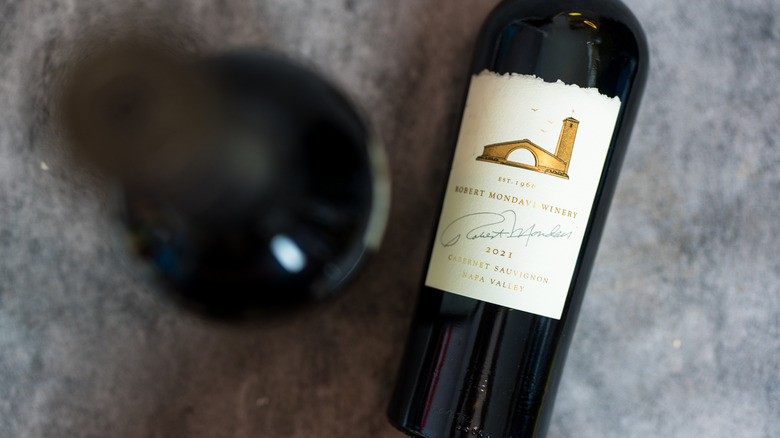
Not everyone's a particularly big wine drinker, whether we're talking about red or white. The only time they really feel like opening a bottle is when they've cooked a decadent, juicy steak, like a grilled tomahawk rib-eye, or when they go out to a steakhouse for a celebratory dinner. These people might have heard that they should order red wine with their steak (which, honestly, isn't always the best choice), but that's where their knowledge ends. If you fall into this category, then chances are, you're going to be pretty happy with a cabernet sauvignon.
Out of all the red wines out there, cabernet sauvignon is one of the bolder, fuller-bodied, and tannic varieties you'll see often. It also tends to feature a decent amount of acidity, which helps it hold onto its refreshing edge despite its intensity. All of these qualities mean it pairs exceptionally well with grilled meat, especially steak. That acidity can cut through the fattiness in the meat, and the weight and body of the wine can compete with the strong flavor that beef is known for. This will allow you to taste both the wine and the steak, allowing them to enhance one another.
There are plenty of other excellent bold red wines to pair with steak, but when you're just getting started (or when you're just opening the occasional casual bottle), cabernet sauvignon is almost always going to be a safe bet. If you want to know more, we have a list of some of our favorite cabernet sauvignons for beginners.
White wine fans: Blaufränkisch
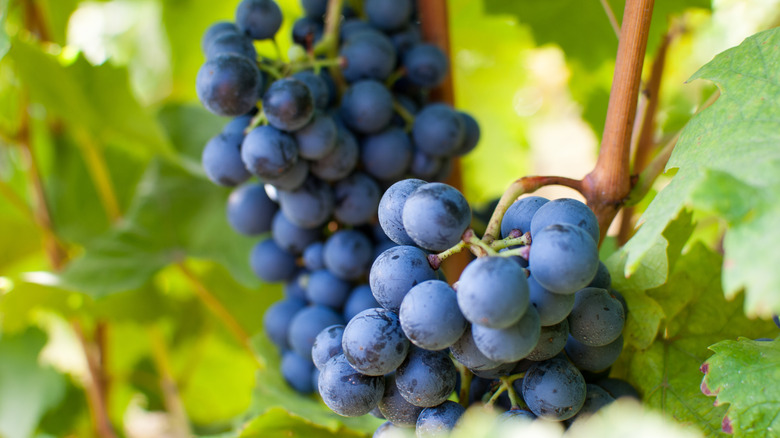
If you ask a wine expert the best red wines for someone who generally prefers white wine, a lot of them will tell you that pinot noir is the go-to grape to seek out. This is definitely a great option and one that you should check out, but we'd like to enter a slightly more niche, esoteric option into the mix: Blaufränkisch. If you've never heard of it before, you're not alone. This red wine hails from Austria originally, but it can also be found in Hungarian wine-growing regions.
Blaufränkisch tends to have some of the qualities people love about some white wines. For example, it can often be quite light-bodied, with a bold acidity that makes every sip taste refreshing. Additionally, it usually features lighter fruit flavors, like cherry and strawberry, that aren't as intense as the kind of jammy or leathery notes that you find in bolder reds. Add in some herbal qualities, and you have a wine that can taste refreshing, nuanced, and light while still packing a surprising amount of complexity. Plus, you can find some very affordable bottles of blaufränkisch that make sampling this style of wine relatively easy to do, even if you're on a budget.
Chilled wine people: Beaujolais nouveau
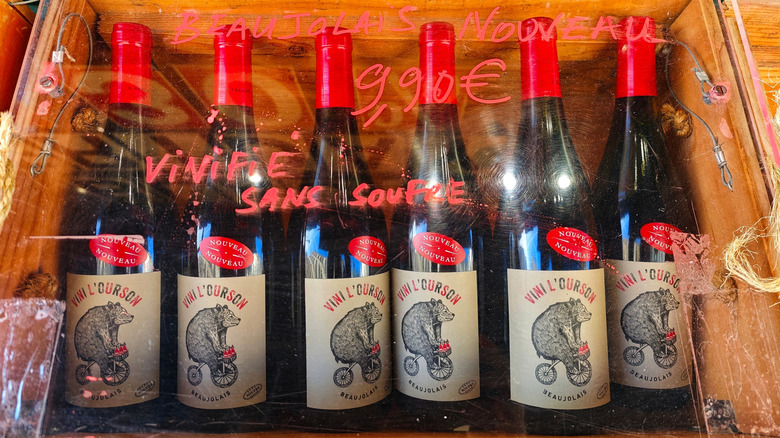
There are some wine drinkers out there who assume that white wine is for the warmer months of the year, while reds are largely reserved for fall and winter. Often, this rule can lead to wines that do feel appropriate for the season, but rules are meant to be broken. When you're craving a red wine on the hottest day of the year, you don't have to turn to something like cabernet sauvignon, zinfandel, or malbec. Choosing a red wine that's lighter, and which tastes good when chilled, is the way to go. Beaujolais nouveau just happens to be one of our go-tos when we're craving a chilled red.
This wine is made in Beaujolais, France, from Gamay grapes. Nouveau specifically means that the wine is bottled young and fresh, not very long after picking. The resulting flavor is light and fruity, with a lovely elegance that's elevated with a slight chill. Its low level of tannins means it's perfect for those who tend not to like the intensity of some heavier, bigger red wines but still want to experience the red fruit flavors that reds can sometimes feature. In addition to those red fruits, expect to find some candied notes, including bubblegum and banana.
Drinkers who like bubbles: Lambrusco
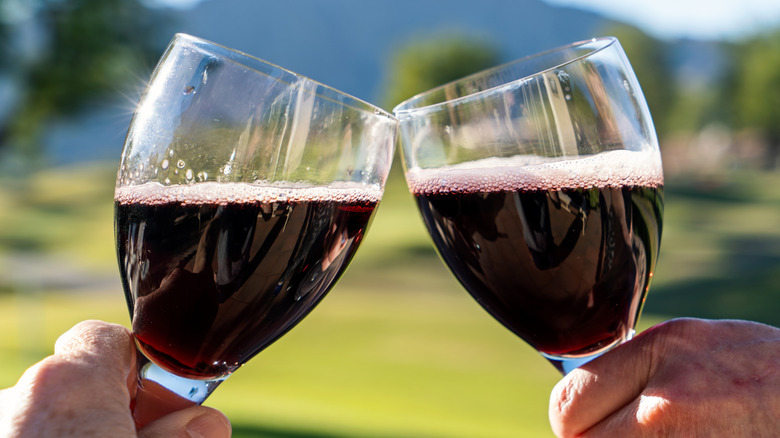
Sometimes, still wine just won't do the trick. When you're looking for a glass of wine that tastes extra refreshing, there's nothing better than bubbles. However, you may not realize just how many types of sparkling wine there are ... yes, including reds. Perhaps the most celebrated sparkling red wine is Lambrusco, which comes from the Emilia-Romagna region of Italy. It's a red wine, yes, but it's also relatively light and fizzy, with red fruit notes and a thirst-quenching quality that it shares with more commonly found white sparkling wines, like Prosecco. It can be produced with varying levels of sweetness, so whether you prefer your wine a little sweeter or relatively dry, this wine has you covered. If you're looking for that refreshing quality, though, we suggest opting for a dry variety.
This is another wine you can chill, which helps to highlight its bright, fruity flavors even more. And because it can sometimes have a lower alcohol percentage than most wines, it's quite sessionable — don't be afraid to let the bottles flow. If you're wondering what to pair it with, Lambrusco is known for being an excellent pizza wine, so you might want to try out some of our favorite pizza recipes.
Fruity wine drinkers: Zinfandel
There are some people who love light, fresh, elegant wines, and for those people, grapes like pinot noir and gamay usually hit the spot. But there are others out there who are looking for something bolder and more intense in their glass, with plenty of the plushness that comes from an excellent fruity wine. For those drinkers, zinfandel might just be the perfect grape.
Zinfandel is known as a fruity wine, which means that its fruit flavors come to the front while earthier, toastier, or more vegetal tones play more of a supporting role. These wines are often big and juicy, with red and black fruit notes and relatively high tannins (which is what makes your mouth feel dry when you drink a red wine). They're often lower in acidity, which means they don't pack the same thirst-quenching punch as some other red wines do.
Because zinfandel can be such an intense wine, it should be paired with similarly bold, intense foods. Obviously, red meat is a top pick here, which makes zinfandel an excellent wine to take to a party. It can also work well with some heavier pasta dishes, especially those made with rich tomato sauces (like this quick tomato sauce).
Sweet wine lovers: Brachetto d'Acqui
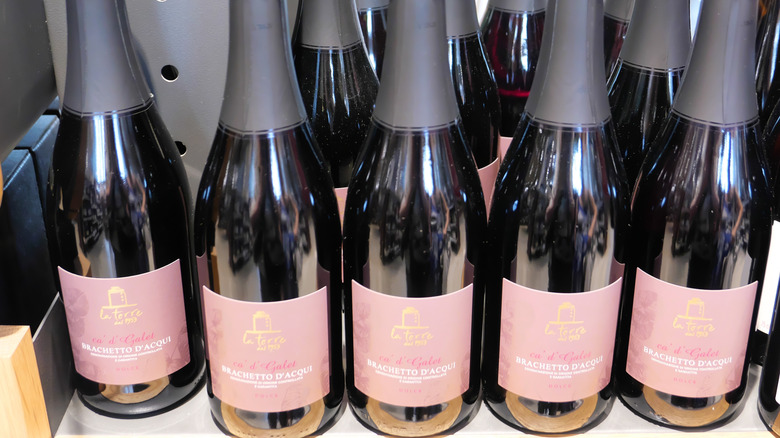
There are a lot of people out there who specifically seek out dry wines, thinking that it's super easy to find sweet versions of the beverage. In reality, though, most wines are dry, and quality sweet wines can sometimes be tricky to find at an average wine shop. But a well-made sweet red wine can be something truly special when you get a great bottle, and Brachetto d'Acqui is an excellent example of just that. This wine is known as frizzante, which means that it's just slightly sparkling. It's not intensely carbonated, but it does have a slight bit of fizz that just feels celebratory when you pop the bottle. It tends to have a decent level of sweetness to it, with candied fruit aromas that give the wine a dessert-like feel.
Brachetto d'Acqui comes from the Piedmont region of Italy, and like some Lambruscos, it has a lower ABV than dry wines. That being said, because it can be so sweet, it's not necessarily a great option for those times when you want to enjoy several glasses in succession. Rather, we prefer it as a fun, bubbly accompaniment to a similarly sweet dessert.
Drinkers who want complexity: Pinot noir
Wine drinkers who like simpler flavor profiles have practically limitless inexpensive wines to choose from. But for those who prefer more complexity in their glass, options are more limited, even when it comes to red wine. If you're seeking out a bottle that's interesting, complex, and that has the potential to really blow your mind, then pinot noir might just be the best grape for you.
There's a reason sommeliers and wine experts love pinot noir: Its structure and intensity of flavor aren't available from every type of wine, and its high acidity levels mean that it can often age well. That aging process leads to even more complexity, with tasting notes that you won't find in younger bottles. Combine that with the lightness that pinot noir offers at any age, and you can get a seriously delicious drink.
Unfortunately, pinot noir tends to be more expensive than other red grape varieties, since the grape can be difficult to farm and generally produces low yields. If you have a wine budget, splashing out on a bottle of good pinot noir can be a really fun way to spend it. And, of course, you can always hunt for budget bottles of pinot noir if you don't want to spend a lot of cash.
Wine lovers with savory palates: Sangiovese
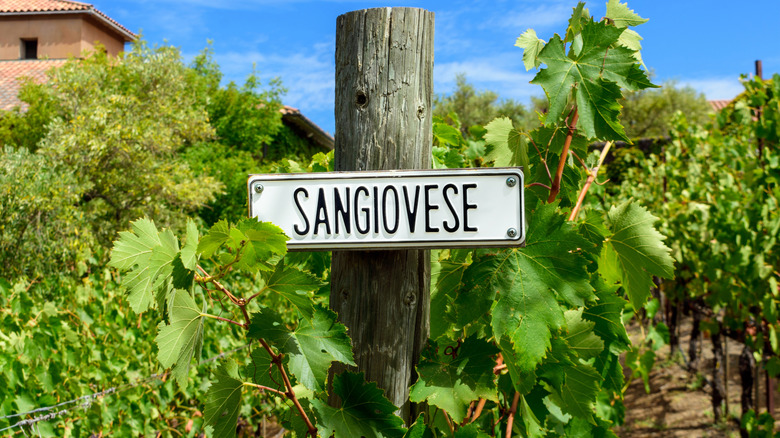
Now, what if you're not a fruity wine drinker? What if, instead, you prefer a more savory profile, with greener, more vegetal, and even somewhat meaty notes? In that case, sangiovese, another red wine from Italy (this time Tuscany), is worth checking out. Some of the most common flavors you might encounter in this wine include tomato leaf and basil. There's also an interesting earthiness here, along with some bright, fresh fruity notes, like sour cherry. When all of these elements come together, they make a red wine that's a delicious accompaniment to a fresh salad or tomato-based pasta. Not only do you get plenty of acidity here, but you're also working with substantial tannins for a combination that's both refreshing and weighty enough to stand up to meat as well.
Look for the word sangiovese on bottles in a wine shop, though, and you might discover that there aren't many on the shelf. Instead, look for the word Chianti. This is the region that produces much of Italy's sangiovese. Wines with this word on the label must contain a minimum of 70 percent sangiovese, along with a blend of other grapes. American producers working with the grape, though, are more likely to straight-up label it with the word sangiovese.
Those who don't know where to start: Merlot
It's easy to find a red wine for drinkers who already know what they like. For those who aren't quite sure what they're into on the red wine spectrum, though, that's a trickier task. If you truly don't know where to start when it comes to picking out a red wine, merlot can be a safe first option. That's because merlot is an exceptionally versatile grape that can show up in your glass tasting quite different, depending on where the grapes are grown and how the wine's made once the juice goes to the cellar. Some merlots land on the lighter, fruitier end of the spectrum, while others are bigger, more intense, and age-worthy. Still others fall somewhere in the middle, with enough body to hold up to a steak but still lean enough to pair with lighter dishes.
You can find lighter takes on merlot from regions like Chile and Napa Valley in California. Bolder merlots hail from Napa, California, and the Left Bank in Bordeaux (although these wines are generally cabernet sauvignon-dominated blended with merlot). If you drink a bottle of merlot and find that it's too intense for you, you can then be directed towards lighter reds. If you wish there was more body and weight, try some of the bolder options listed here. Or maybe, like Goldilocks, you'll discover that a merlot right down the middle is your go-to from here on out.